
I often find myself craving delicious sushi at home, but the rice can be tricky! That’s where a fantastic sushi rice vinegar recipe comes in, transforming plain, fluffy grains into something bright and perfectly seasoned with a subtle tang and inviting aroma. This simple blend is the quick and reliable solution for restaurant-quality sushi rice right in your own kitchen. It’s perfect for busy families seeking healthier, budget-friendly meals or anyone wanting to impress with homemade sushi nights and quick meals. This sushi rice vinegar recipe is incredibly easy, customizable, and guarantees that authentic, tangy sushi flavor every time. We’ll cover essential ingredients, easy step-by-step instructions, and clever tips to master your sushi rice for convenient family dinners.
Ingredients and Smart Substitutes
Let’s gather what we need for this flavorful sushi rice vinegar recipe. Control over ingredients is key for healthy eating and delicious results.
- 200 ml (0.85 cups) Japanese rice vinegar (4.5% acidity): The essential tangy base. I always look for unseasoned rice vinegar for best control.
- 50 g (1/4 cup) granulated sugar: Balances the tartness perfectly. (You can swap with brown sugar for a richer, more subtle sweetness, or even maple syrup if you prefer a natural option.)
- 10 g (2 teaspoons) fine sea salt: Enhances all the flavors and helps with preservation.
- 5 g (one 5×5 cm / 2×2 inch piece) dried kombu: Adds a foundational layer of umami. (If you don’t have kombu, a pinch of dashi powder can offer a similar savory depth.)
- 5 g (zest from 1 medium yuzu, thinly peeled) fresh yuzu zest: Provides a unique, bright citrus aroma and flavor.
- 2 g (1 teaspoon) Aleppo pepper flakes: Delivers a gentle warmth and beautiful visual specks.
Upgraded choices for a premium ingredient feel:
- Organic rice vinegar for a cleaner taste.
- Using a fine sea salt makes a difference in dissolved consistency.
Easy swaps for dietary preferences:
- Sweeteners: Erythritol or stevia can work well for low-carb or keto versions, just adjust to taste.
- Vinegar types: While Japanese rice vinegar is ideal, apple cider vinegar can be used in a pinch, though the flavor profile will differ noticeably.
Shopping notes for convenience:
- Local store finds: Check the Asian aisle for Japanese rice vinegar.
- Online grocery delivery: Great for stocking up on pantry staples like kombu and specialty vinegars for easy dinner ideas.
- This sushi rice vinegar recipe is much better than pre-made seasoning packets often found in meal kits.
Step-by-Step Cooking Instructions
Making your own sushi rice vinegar recipe is surprisingly simple and quick, perfect for meal prep recipes.
Combine ingredients: In a small, non-reactive saucepan, whisk together the Japanese rice vinegar, granulated sugar, fine sea salt, dried kombu, 3g (approx 1.5 tsp) of the fresh yuzu zest, and 1g (approx 0.5 tsp) of the Aleppo pepper flakes. The mixture should look slightly cloudy before heating.
Gently heat: Place the saucepan over medium-low heat. Gently warm the mixture, stirring occasionally with a spoon, until the sugar and salt are completely dissolved. This usually takes 3-5 minutes; you’ll see the liquid turn clear and feel smooth, without any gritty sugar crystals when you stir. If the mixture starts to simmer or boil, remove it from heat immediately to avoid losing the delicate vinegar flavor and aroma.
Infuse and cool: Once dissolved, remove the saucepan from the heat. Let the vinegar mixture cool completely at room temperature, which typically takes 20-30 minutes. This allows the kombu, yuzu zest, and Aleppo pepper to infuse for at least 30 minutes, deepening the vibrant citrus and warm pepper notes.
Strain and serve: Carefully remove and discard the kombu piece from the cooled vinegar. For optimal visual interest, leave the infused yuzu zest and Aleppo pepper flakes in the vinegar. The finished sushi rice vinegar recipe is now ready to use.
Season the rice: To plate, gently fold the prepared sushi vinegar into warm, freshly cooked sushi rice using a cutting motion with a paddle or spatula until evenly seasoned and glossy. My trick for weeknight family dinners is to use a 10-inch skillet to spread the rice and cool it quickly while I fold in the vinegar.
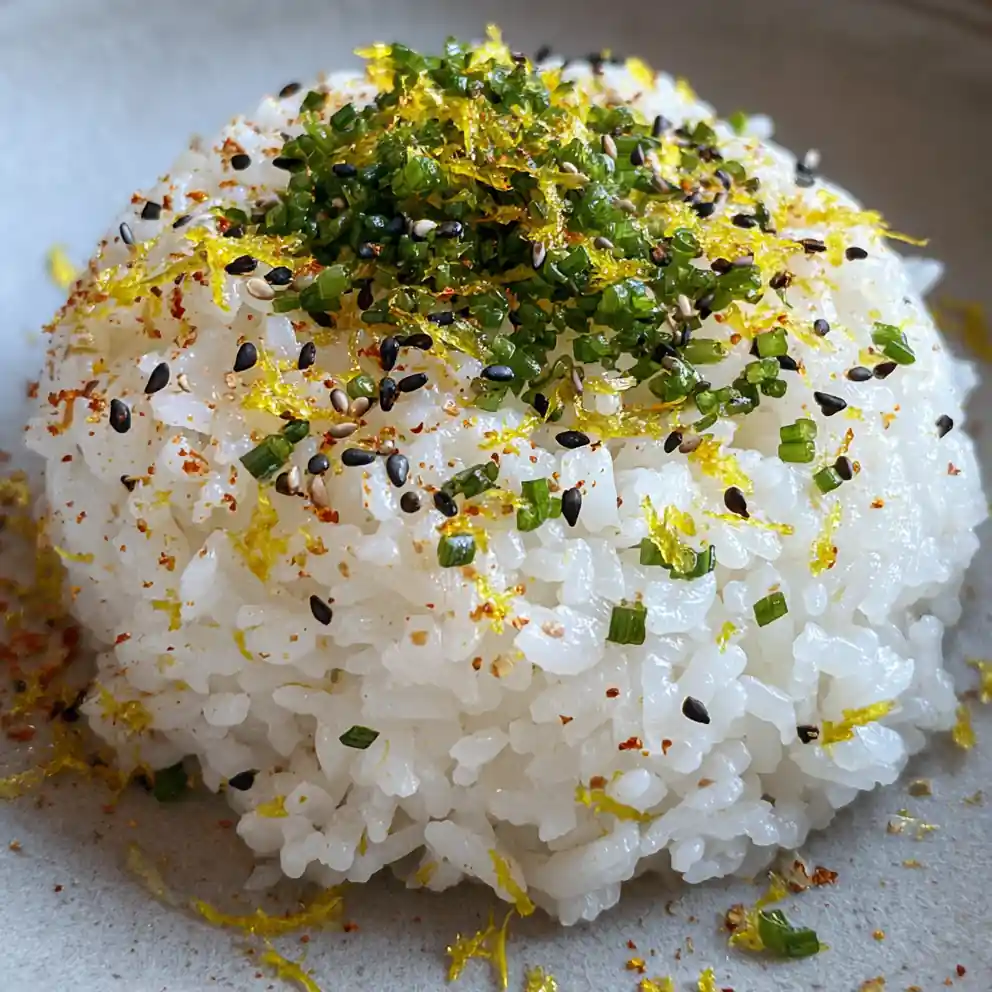
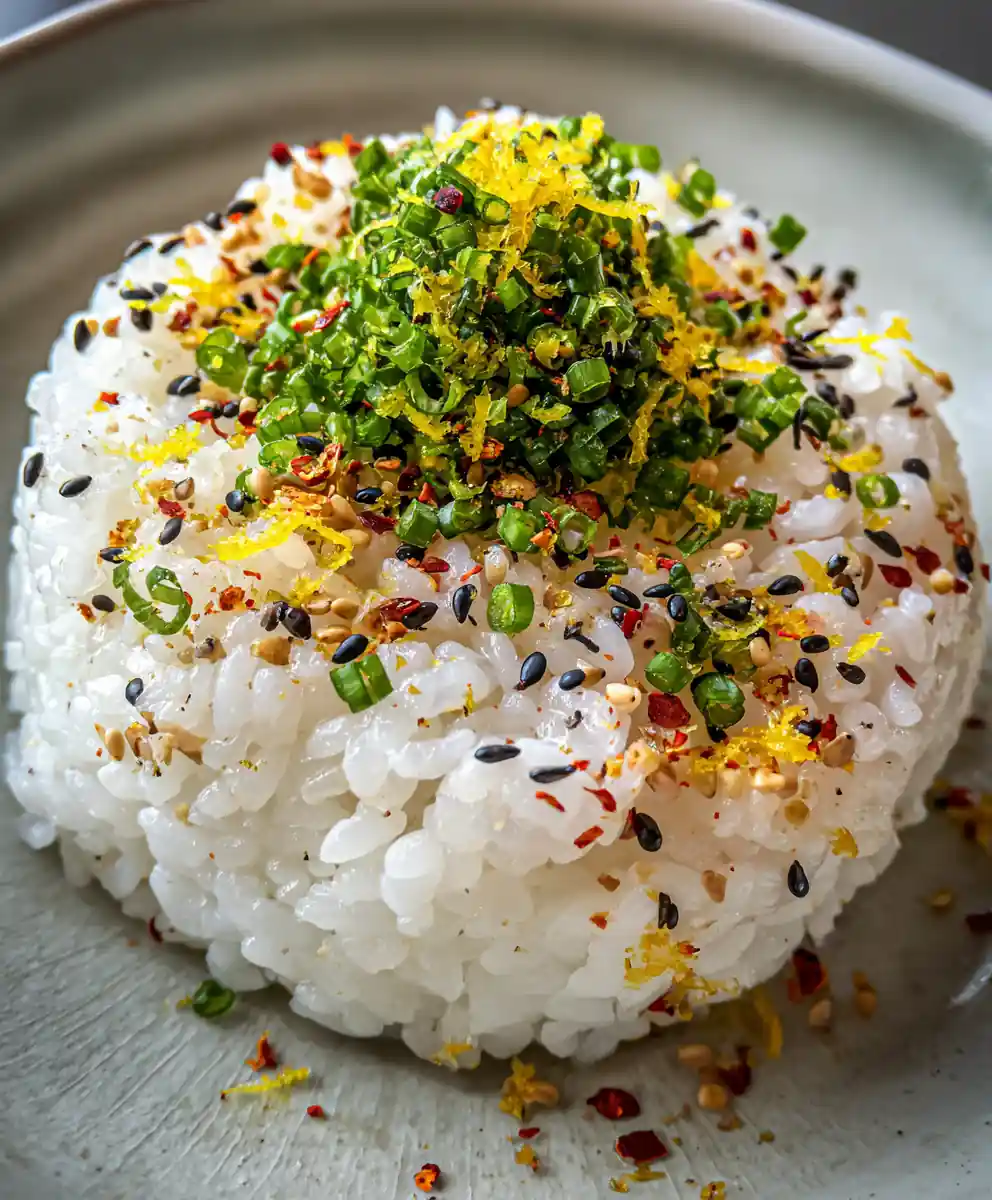
Garnish for flair: Serve the seasoned rice in a wide bowl, forming a gentle mound. Lightly sprinkle the surface with toasted black sesame seeds for textural contrast and a striking dark accent. Arrange a few fresh, thin strips of yuzu zest and a light scattering of the remaining Aleppo pepper flakes over the rice for bright color and subtle warmth. Finish with a delicate scattering of finely minced chives for a vibrant green pop and fresh aroma.
Quick variations for convenience:
- No-heat option: If you’re in a rush, simply shake all ingredients vigorously in a jar until dissolved, though heating is recommended for best flavor integration.
- Other infusions: For a different spin, you could add a few thin slices of ginger or a small dried shiitake mushroom during the warming step.
Best Uses and Serving Ideas
This versatile sushi rice vinegar recipe elevates everyday meals, bringing a tangy-sweet balance perfect for family dinners and quick meals.
Scenarios
- Weekday Dinners: Transform plain rice into quick sushi bowls, deconstructed sushi salads with your favorite protein and veggies.
- Quick Lunches: Toss with leftover rice, crisp vegetables, and a protein for a vibrant, healthy, and easy lunch idea.
- Special Occasions: Perfect for homemade sushi rolls, nigiri, or sashimi platters when you want to impress guests with premium ingredient flavors.
- Gatherings: Elevates poke bowls or makes for a flavorful dressing in Asian-inspired side dishes.
Pairings
- Sauces: Classic soy sauce, a dab of potent wasabi, or a swirl of spicy sriracha mayo.
- Breads: Serve alongside toasted nori sheets for a fun, interactive wrapping experience.
- Salads: A bright drizzle over crisp cucumber or refreshing seaweed salads.
- Beverages: Complements perfectly with a warm cup of green tea or a delicate sake.
Storage and Reheating
- Fridge: Store in an airtight glass bottle or jar for up to 3-4 weeks. The flavors will deepen slightly over time.
- Freezer: Freezing is not recommended as it can alter the delicate texture and balance of flavors.
- Containers: I prefer clean glass bottles with a tight-fitting lid; they keep the vinegar fresh and prevent any absorption of plastic flavors.
Nutrition & Wellness Benefits of Homemade Sushi Rice Vinegar
Making your own sushi rice vinegar empowers healthier eating. It adds bright flavor to dishes without heavy oils, supporting a balanced diet and weight loss goals.
3-5 Quick Bullets on Nutrient or Wellness Highlights
- Low-Calorie Flavoring: Adds significant taste without adding many calories, perfect for diverse healthy dinner recipes.
- Sugar and Salt Control: You dictate the exact amounts, allowing for adjustments to fit specific dietary needs.
- Enhances Palatability: Makes nutrient-dense foods like fish, vegetables, and whole grains more appealing.
- Balanced Meals: A foundational component for creating satisfying and balanced diet recipes without unhealthy fats.
Everyday Benefits Beyond the Kitchen
This simple sushi rice vinegar recipe offers practical advantages beyond taste, streamlining cooking and supporting a balanced, family-friendly lifestyle.
2-3 Bullets Tying the Recipe to Convenience and Lifestyle Balance
- Save Money: Crafting your own sushi rice vinegar is significantly more cost-effective than buying pre-made versions or ordering sushi takeout.
- Reduce Stress: Having this versatile staple prepared means quick sushi bowls or flavorful rice salads are always just minutes away, easing mealtime decisions.
- Streamline Cooking: It’s a foundational ingredient for a variety of Asian-inspired dishes, making meal prep more efficient and adding variety to your menu.
Expert Tips and Recipe Flexibility
Mastering your sushi rice vinegar ensures restaurant-quality results. Small tweaks can significantly enhance flavor and presentation, catering to every palate.
Tricks for Enhancing Flavor or Presentation
- Use Warm, Freshly Cooked Rice: The warm grains absorb the seasoned vinegar more effectively, resulting in a more even flavor distribution.
- Fan the Rice: Gently fan the seasoned rice while cooling it. This technique helps achieve that desired glossy sheen and separates the grains without making them mushy.
- Don’t Overmix: Fold the seasoned vinegar into the rice with a light hand to avoid crushing the delicate grains, preserving the texture.
Adjustments for Spice, Sweetness, or Texture
- For More Tang: Increase the rice vinegar by a teaspoon or two to achieve a sharper, more pronounced tang.
- For Less Sweetness: Reduce the granulated sugar by a teaspoon for a subtler sweet note.
- For a Richer Flavor: Consider using an organic or premium quality rice vinegar, as their flavor profiles are often more nuanced.
Allergy-Aware Swaps and Kid-Friendly Tweaks
- Gluten-Free: Most unseasoned rice vinegars are naturally gluten-free, but always check the label for certification to be safe.
- Sugar-Free: Substitute granulated sugar with a suitable cooking-friendly sugar alternative like erythritol or stevia for low-carb meals.
- Kid-Friendly: For younger palates, I sometimes adjust the sushi rice vinegar recipe by making it slightly sweeter; a tiny bit more sugar can balance the tartness perfectly for them.
FAQs About Homemade Sushi Rice Vinegar
Can sushi rice vinegar be prepped ahead for weekly meal plans?
Absolutely! Preparing a batch of this sushi rice vinegar ahead of time is a smart move for efficient meal prep recipes. You can store it in an airtight glass container in the refrigerator for up to a month, ready whenever you need it for quick meals.
What’s the best way to buy sushi rice vinegar ingredients online?
Look for unseasoned rice vinegar, typically found in the Asian or international section of online grocery stores. Basic granulated sugar and fine sea salt are widely available from most online retailers. Opting for organic ingredients can also enhance your healthy eating journey.
Is homemade sushi rice vinegar good for low-carb or high-protein diets?
Yes, it can be! This sushi rice vinegar adds significant flavor without many carbs when used in moderation. For low-carb meals, simply swap the granulated sugar for a sugar substitute like erythritol or stevia to reduce the carbohydrate content further.
Can I use any type of vinegar for this recipe?
While you can experiment with other vinegars, traditional unseasoned rice vinegar is highly recommended for the most authentic flavor. Other vinegars like apple cider vinegar will give a different taste profile and might not provide that classic sushi tang.
How much sushi rice vinegar do I add to cooked rice?
A good starting point is about 1/4 cup of this sushi rice vinegar per 2 cups of hot, freshly cooked sushi rice. However, taste preferences vary, so feel free to adjust the amount to achieve your desired level of tang and sweetness. I often add a little less for a subtle flavor.
Does sushi rice vinegar need to be heated?
Heating the sushi rice vinegar gently helps dissolve the sugar and salt completely, which is crucial for a smooth, well-integrated flavor. While you ‘can’ shake it vigorously in a jar, heating yields a superior, more consistent result and quicker dissolution.
What if my sushi rice vinegar tastes too strong?
If your homemade sushi rice vinegar seems a bit too potent, you can dilute it slightly with a tiny amount of warm water, perhaps a teaspoon at a time. Alternatively, balancing it by stirring in a pinch more sugar can mellow out the tartness without reducing the overall flavor too much.
Conclusion
Mastering this simple sushi rice vinegar recipe is your secret weapon for delicious, homemade sushi and so much more, making healthy, family-friendly meals a breeze. Try this recipe tonight to elevate your meals, save money, and impress your family!
Print
sushi rice vinegar recipe
- Total Time: 44 minutes
- Yield: 250 ml (about 1 cup) of sushi rice vinegar 1x
- Diet: General
Description
This recipe provides a simple, quick, and customizable blend of Japanese rice vinegar, sugar, salt, kombu, yuzu zest, and Aleppo pepper flakes to season sushi rice, delivering an authentic tangy flavor for homemade sushi or quick family meals.
Ingredients
- 200 ml Japanese rice vinegar (4.5% acidity)
- 50 g granulated sugar
- 10 g fine sea salt
- 5 g dried kombu (one 5x5 cm / 2x2 inch piece)
- 5 g fresh yuzu zest (zest from 1 medium yuzu, thinly peeled)
- 2 g Aleppo pepper flakes
Instructions
- Combine Ingredients: In a small, non-reactive saucepan, whisk together the Japanese rice vinegar, granulated sugar, fine sea salt, dried kombu, 3g (approx 1.5 tsp) of the fresh yuzu zest, and 1g (approx 0.5 tsp) of the Aleppo pepper flakes. The mixture should look slightly cloudy before heating.
- Gently Heat: Place the saucepan over medium-low heat. Gently warm the mixture, stirring occasionally with a spoon, until the sugar and salt are completely dissolved. This usually takes 3-5 minutes; remove from heat immediately if it starts to simmer or boil to avoid losing delicate flavor.
- Infuse and Cool: Once dissolved, remove the saucepan from the heat. Let the vinegar mixture cool completely at room temperature, which typically takes 20-30 minutes. This allows the kombu, yuzu zest, and Aleppo pepper to infuse for at least 30 minutes, deepening the notes.
- Strain and Serve: Carefully remove and discard the kombu piece from the cooled vinegar. For optimal visual interest, leave the infused yuzu zest and Aleppo pepper flakes in the vinegar. The finished sushi rice vinegar is now ready to use.
- Season the Rice: To plate, gently fold the prepared sushi vinegar into warm, freshly cooked sushi rice using a cutting motion with a paddle or spatula until evenly seasoned and glossy. (A trick for weeknight family dinners is to use a 10-inch skillet to spread the rice and cool it quickly while folding in the vinegar.)
- Garnish for Flair: Serve the seasoned rice in a wide bowl, forming a gentle mound. Lightly sprinkle the surface with toasted black sesame seeds for textural contrast and a striking dark accent. Arrange a few fresh, thin strips of yuzu zest and a light scattering of the remaining Aleppo pepper flakes over the rice for bright color and subtle warmth. Finish with a delicate scattering of finely minced chives for a vibrant green pop and fresh aroma.
Notes
To store, transfer the cooled sushi rice vinegar to an airtight container and refrigerate for up to 2 weeks. For dietary preferences, sugar can be swapped with brown sugar, maple syrup, erythritol, or stevia (adjust to taste). Kombu can be substituted with a pinch of dashi powder. While Japanese rice vinegar is ideal, apple cider vinegar can be used in a pinch (though flavor will differ). A no-heat option involves shaking all ingredients vigorously in a jar until dissolved, though heating is recommended for best flavor. Other infusions like thin slices of ginger or a small dried shiitake mushroom can be added during warming for different flavor profiles.
- Prep Time: 10 minutes
- Cook Time: 4 minutes
- Category: Condiment
- Method: Stovetop
- Cuisine: Japanese
Nutrition
- Serving Size: 15 ml (1 tablespoon)
- Calories: 15 calories
- Sugar: 3 g
- Sodium: 240 mg
- Fat: 0 g
- Saturated Fat: 0 g
- Unsaturated Fat: 0 g
- Trans Fat: 0 g
- Carbohydrates: 3 g
- Fiber: 0 g
- Protein: 0 g
- Cholesterol: 0 mg
FREE PRINTABLE RECIPE
Get the Printable Recipe PDF (Free)
Enter your email and we’ll send you the ingredients + step-by-step instructions as a clean PDF you can save to your phone.
- ✅ Printable PDF (ingredients + steps)
- ✅ Save it to your phone (no long scrolling)
- ✅ Includes cook time + servings
- ✅ Easy to follow
FAQ
Where’s the full recipe?
It’s delivered as a printable PDF so you can save it and cook without scrolling.
I didn’t get the email.
Check Spam/Promotions and search your inbox for your site name. Then click Confirm to receive the PDF.