
This easy peach cobbler features a buttery crust and juicy fruit filling. It is a simple dessert that requires minimal prep and common pantry staples.
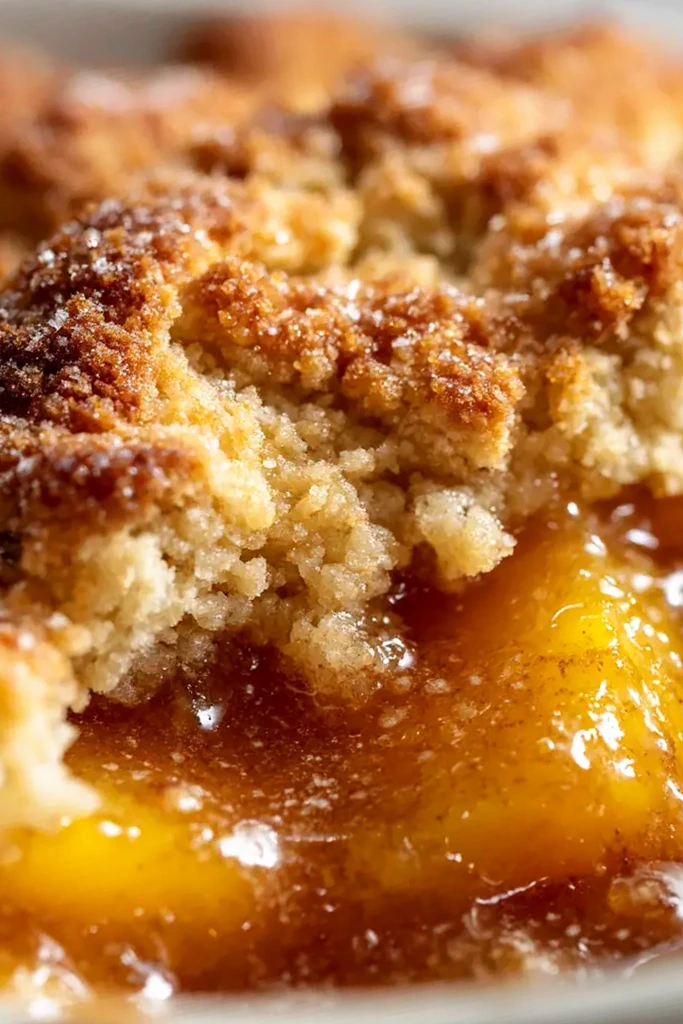
List of ingredients
- 1/2 cup unsalted butter (1 stick) – used to create a rich, caramelized base.
- 1 cup self-rising flour – provides the lift and structure for the topping.
- 1 cup granulated sugar – sweetens the batter and complements the fruit.
- 1 cup whole milk – ensures a smooth and tender batter consistency.
- 29 oz canned sliced peaches in heavy syrup (1 large can, undrained) – creates the flavorful filling and sauce.
- 1 teaspoon cinnamon (Optional) – adds a warm, aromatic spice to the top.
step-by-step instructions
- Prepare the oven and pan: Preheat your oven to 350°F (175°C). Place the stick of butter in a 9×13-inch baking dish and put it in the oven to melt completely.
- Mix the batter: In a medium bowl, combine the self-rising flour, sugar, and milk. Whisk until the batter is smooth.
- Layer the base: Once the butter is melted, carefully remove the hot dish from the oven. Pour the prepared batter directly over the melted butter. Do not stir.
- Add the peaches: Spoon the undrained canned peaches evenly over the batter. Do not stir. The batter will rise up and around the peaches as it bakes.
- Season: If desired, sprinkle a little cinnamon over the top.
- Bake: Bake for 40-50 minutes, or until the topping is golden brown and the filling is bubbly.
- Cool: Let the cobbler cool on a wire rack for at least 15 minutes before serving. This allows the sauce to set.
Ingredient Selection and Quality
Choosing High-Syrup Canned Peaches
Opt for peaches packed in heavy syrup rather than water or light juice. The heavy syrup blends with the melted butter and batter to create a thick, glossy sauce. This prevents the filling from becoming too watery during the baking process.
Using Unsalted Butter for Flavor Control
Unsalted butter allows you to control the sodium levels in the dessert. Since self-rising flour contains a small amount of salt, using unsalted butter prevents the crust from tasting overly salty. It ensures the sweet notes of the peaches remain prominent.
The Role of Full-Fat Whole Milk
Whole milk adds essential fat that contributes to a tender, cake-like crumb in the topping. Low-fat alternatives can result in a tougher texture or a less rich flavor. The fat helps the topping brown evenly in the oven.
Substituting Self-Rising Flour
If self-rising flour is unavailable, you can make a substitute by mixing all-purpose flour with baking powder and salt. Combine 1 cup of all-purpose flour with 1.5 teaspoons of baking powder and 1/4 teaspoon of salt. Whisk these thoroughly to ensure the leavening agent is evenly distributed.
Preparing Fruit Variations
Preparing Fresh Peaches for the Best Texture
To use fresh peaches, peel and slice approximately 4 cups of fruit. Toss the slices with 1/2 cup of granulated sugar and let them sit for 30 minutes. This process draws out the natural juices to mimic the syrup from canned peaches.
Using Frozen Peach Slices
When using frozen peaches, thaw them completely before adding them to the batter. Do not drain the liquid that releases during thawing, as this provides the necessary moisture for the sauce. You may need to add a tablespoon of cornstarch to thicken the frozen fruit juices.
Incorporating Fresh Berries
You can replace a portion of the peaches with blackberries or blueberries for a mixed-fruit cobbler. Use a 1:1 ratio of berries to peaches to maintain the consistency of the filling. This adds a tart contrast to the sweet buttery topping.
Adjusting Sweetness Levels
If you prefer a less sweet dessert, use canned peaches packed in light syrup or juice. To compensate for the loss of sugar, you can add a small amount of brown sugar to the batter for a deeper, molasses-like flavor.
Baking Technique and Logic
The Importance of Not Stirring the Layers
Pouring the batter over the butter and then adding peaches without stirring is critical. This layering technique allows the batter to rise through the fruit during baking. Stirring would result in a dense, cake-like mass rather than the signature cobbler texture.
Choosing a Glass 9×13 Baking Dish
A glass or ceramic dish is ideal because it distributes heat evenly across the bottom. Glass allows you to monitor the browning of the bottom crust without removing the dish from the oven. Ensure the dish is oven-safe and rated for 350°F.
Ensuring the Butter is Completely Melted
Wait until the butter is fully liquid and shimmering before adding the batter. If the butter is only partially melted, the batter will not spread evenly across the base. This can lead to uneven cooking and a lack of caramelization on the bottom.
Avoiding Over-mixing the Batter
Whisk the flour, sugar, and milk only until the batter is smooth. Over-mixing can develop too much gluten in the flour, leading to a chewy rather than tender topping. A few small lumps are acceptable and will disappear during baking.
Temperature and Timing Guide
Verifying Oven Temperature
Use an oven thermometer to ensure your oven is truly at 350°F. Many ovens fluctuate, and if the temperature is too low, the topping may not rise properly. If the oven is too hot, the edges will burn before the center is cooked.
Identifying the Golden Brown Peak
The cobbler is finished when the top reaches a deep golden hue. Look for the edges to pull away slightly from the sides of the baking dish. The fruit filling should be bubbling vigorously around the edges of the topping.
Managing Baking Time for Different Ovens
Convection ovens may cook the cobbler faster than conventional ovens. If using convection, reduce the temperature to 325°F and check for doneness 10 minutes early. Always rely on visual cues rather than the timer alone.
The Role of the Resting Period
Allowing the cobbler to rest for 15 to 20 minutes is essential for the sauce to thicken. If served immediately, the syrup may be too thin and run off the plate. Resting allows the starches to set, creating a luscious consistency.
Serving Combinations
Pairing with Vanilla Bean Ice Cream
A cold scoop of vanilla bean ice cream provides a temperature contrast to the warm cobbler. The creaminess of the ice cream cuts through the richness of the buttery crust. This is the most traditional way to serve a Southern cobbler.
Creating a Fresh Whipped Cream Topping
For a lighter option, whip heavy cream with a pinch of sugar and vanilla extract. Dollop the cream on top of individual slices just before serving. This adds a soft, airy element that complements the dense topping.
Adding a Dollop of Greek Yogurt
Plain or vanilla Greek yogurt provides a tangy acidity that balances the sugar. This is an excellent choice for those who find traditional cobblers too sweet. The thickness of the yogurt holds up well against the warm fruit.
Serving with a Sprig of Fresh Mint
Adding a leaf of fresh mint provides a burst of color and a refreshing aroma. The minty scent complements the floral notes of the peaches. It is a simple way to elevate the presentation for guests.
Storage and Preservation
Airtight Container Storage in the Fridge
Store leftover cobbler in an airtight container or cover the baking dish tightly with foil. Refrigerate the dessert for up to four days to maintain freshness. Ensure it has cooled completely before sealing to prevent excess moisture buildup.
Freezing Portions for Long Term Use
Cut the cooled cobbler into individual squares and wrap them in parchment paper. Place the wrapped squares in a freezer-safe bag and remove as much air as possible. This prevents freezer burn and allows for easy portion control.
Preventing Condensation in the Fridge
Avoid sealing the cobbler while it is still warm, as steam will trap moisture under the cover. This condensation can make the topping soggy and ruin the texture. Let it reach room temperature before refrigerating.
Safe Thawing Procedures for Frozen Slices
Thaw frozen slices in the refrigerator overnight for the best results. Alternatively, you can thaw them quickly in the microwave on a defrost setting. Avoid thawing at room temperature for extended periods to maintain food safety.
Reheating Methods
Microwave Settings for Quick Warming
Place a single slice on a microwave-safe plate and heat on medium power. Warm in 30-second intervals to avoid overheating the sugar, which can cause it to burn. 45 to 60 seconds is usually sufficient for a single portion.
Low-Temperature Oven Reheating
To reheat the entire dish, place it in a 300°F oven for 15 to 20 minutes. Cover the top loosely with foil to prevent the crust from over-browning. This method preserves the texture of the topping better than a microwave.
Using an Air Fryer for a Crispy Crust
Place a slice of cobbler in the air fryer at 320°F for 3 to 5 minutes. This quickly crisps the top and bottom while warming the center. Be careful not to overcook, as the high airflow can dry out the batter.
Avoiding the Drying Out of the Batter
If the cobbler seems dry during reheating, add a teaspoon of water or peach juice to the edges. This creates steam that re-hydrates the cake-like topping. This is especially helpful when reheating in an oven.
Troubleshooting Common Issues
Fixing a Soggy Bottom Crust
A soggy bottom often occurs if the butter was not hot enough when the batter was added. Ensure the butter is completely melted and shimmering. Also, ensure you are using a preheated oven so the bottom begins searing immediately.
Preventing the Top from Browning Too Fast
If the topping browns too quickly while the center is still raw, cover the dish with aluminum foil. This reflects heat away from the surface and allows the interior to finish cooking. Check every 10 minutes once the foil is applied.
Balancing Excessive Sweetness with Acid
If the filling tastes too sweet, stir a teaspoon of lemon juice into the peach syrup before adding it to the batter. The citric acid cuts through the sugar and enhances the natural flavor of the fruit. This creates a more complex taste profile.
Addressing a Batter that Does Not Rise
If the topping remains flat, check the expiration date of your self-rising flour or baking powder. Old leavening agents lose their potency and cannot lift the batter. Always whisk the flour well to ensure the leavening is active.
Frequently Asked Questions
Can I use a different pan?
Yes, you can use a cast-iron skillet or a round cake pan. If using a skillet, ensure it is oven-safe and adjust the baking time slightly, as cast iron retains heat longer. The 9×13 dish is recommended for the most consistent results.
Is the syrup essential for the sauce?
The syrup is highly recommended as it provides the necessary liquid to create the sauce. If you use drained peaches, you must add a mixture of water, sugar, and a cornstarch slurry. This prevents the cobbler from being too dry.
Can I add almond extract for flavor?
Adding 1/4 teaspoon of almond extract to the batter complements the peach flavor beautifully. It adds a nutty, professional quality to the dessert. Mix it into the milk before whisking in the flour.
How do I prevent the peaches from sinking?
The peaches will naturally sink slightly, but avoid pushing them deep into the batter. Spoon them gently onto the surface and do not stir. The batter is designed to rise up around the fruit during the baking process.
Print
Easy Southern Peach Cobbler Recipe
- Total Time: 60 minutes
- Yield: 8 servings 1x
- Diet: General
Description
Discover the ultimate Paula Deen Peach Cobbler recipe! This classic Southern dessert features juicy peaches and a sweet, buttery, cake-like topping. Easy to make and impossible to resist.
Ingredients
- 1/2 cup unsalted butter (1 stick)
- 1 cup self-rising flour
- 1 cup granulated sugar
- 1 cup whole milk
- 29 oz canned sliced peaches in heavy syrup (undrained)
- 1 teaspoon cinnamon (Optional)
Instructions
- Step: Preheat your oven to 350°F (175°C). Place the stick of butter in a 9×13-inch baking dish and put it in the oven to melt completely.
- Step: In a medium bowl, combine the self-rising flour, sugar, and milk. Whisk until the batter is smooth.
- Step: Once the butter is melted, carefully remove the hot dish from the oven. Pour the prepared batter directly over the melted butter. Do not stir.
- Step: Spoon the undrained canned peaches evenly over the batter. Do not stir.
- Step: If desired, sprinkle a little cinnamon over the top.
- Step: Bake for 40-50 minutes, or until the topping is golden brown and the filling is bubbly.
- Step: Let the cobbler cool on a wire rack for at least 15 minutes before serving.
Notes
Serve warm with a scoop of vanilla ice cream for the classic experience. Do not stir the ingredients after layering them in the baking dish. You can substitute fresh peaches; simply peel, slice, and toss with 1/2 cup of sugar before adding.
- Prep Time: 15 minutes
- Cook Time: 45 minutes
- Category: Dessert
- Method: Baking
- Cuisine: American Southern
Nutrition
- Serving Size: 1 serving
- Calories: 350 kcal
- Sugar: 32 g
- Sodium: 310 mg
- Fat: 16 g
- Saturated Fat: 10 g
- Unsaturated Fat: 6 g
- Trans Fat: 0 g
- Carbohydrates: 46 g
- Fiber: 2 g
- Protein: 5 g
- Cholesterol: 38 mg