
This quick meal combines seasoned ground beef with a sweet and salty glaze served over a bed of rice. It is an efficient option for weeknight dinners that requires minimal cleanup and basic pantry staples.
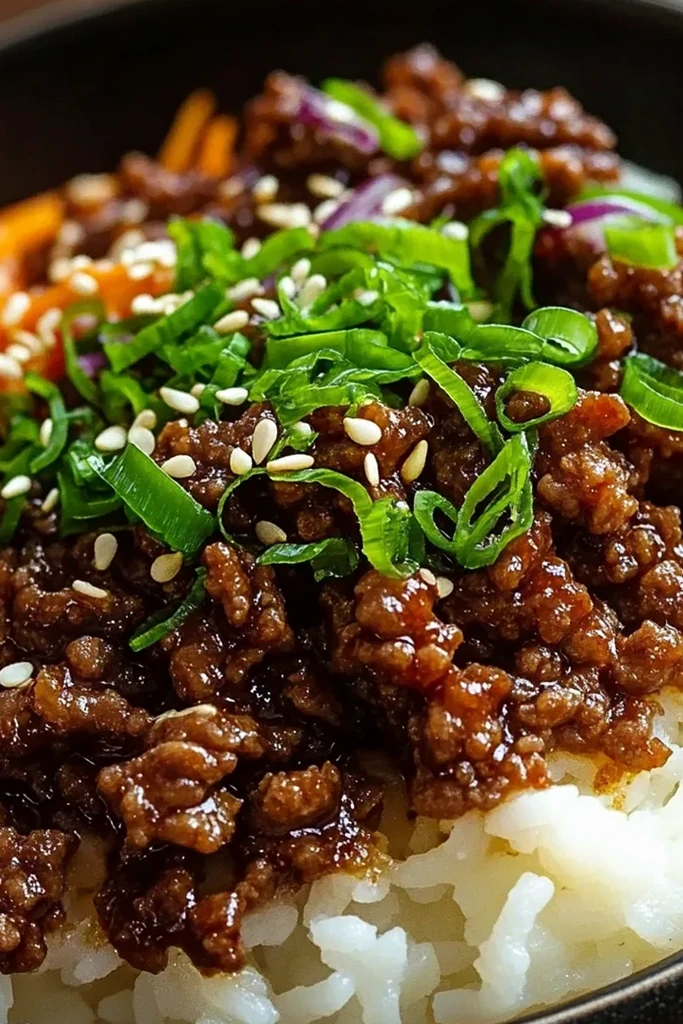
List of ingredients
- 1 pound ground beef – use 80/20 or 90/10 lean for best results.
- 1 tablespoon sesame oil – provides a distinct toasted nutty aroma.
- 3 cloves garlic, minced – fresh cloves offer the strongest flavor.
- 1 tablespoon ginger, minced – fresh ginger adds a bright, peppery zing.
- 1/4 cup soy sauce – the primary source of salt and umami.
- 1/4 cup brown sugar – adds sweetness and helps the sauce caramelize.
- 2 tablespoons rice vinegar – provides the necessary acidity to balance the sugar.
- 1 teaspoon red pepper flakes (optional) – add for a mild spicy kick.
- 2 green onions, chopped – used for both flavor and color garnish.
- 1 cup cooked rice (white or brown) – serves as the hearty base for the bowl.
- Sesame seeds, for garnish – adds a slight crunch and visual appeal.
- Fresh vegetables (such as broccoli, carrots, or bell peppers), optional – adds nutrition and texture.
step-by-step instructions
- Heat the Pan: Place a large skillet over medium heat and add the sesame oil, swirling it to coat the bottom.
- Cook the Beef: Add the ground beef to the skillet and cook for 5-7 minutes. Use a spatula to break the meat into small, even crumbles until it is fully browned.
- Add Aromatics: Stir in the minced garlic and ginger. Cook for about 2 minutes, stirring constantly to prevent the garlic from burning.
- Mix in Sauce: Pour the soy sauce, brown sugar, rice vinegar, and optional red pepper flakes into the pan. Stir well until the beef is evenly coated.
- Simmer: Reduce the heat to low and let the mixture simmer for 5-7 minutes. This allows the sauce to thicken and glaze the meat.
- Prepare Rice: Cook your white or brown rice according to the package directions if you have not already prepared it.
- Add Vegetables: If using optional vegetables, stir them into the skillet during the last 2-3 minutes of simmering. This ensures they soften while remaining crisp.
- Serve: Remove the skillet from the heat once the beef is fully cooked and the sauce has reached a syrupy consistency.
- Assemble Bowls: Scoop a generous portion of cooked rice into serving bowls and top with the beef mixture.
- Garnish: Finish each bowl with a sprinkle of chopped green onions and sesame seeds.
Technical Cooking Tips for Best Results
Achieve a Proper Sear on the Beef
To get the best flavor, do not crowd the pan too much. Allow the beef to sit undisturbed for a minute or two before breaking it up to develop a brown crust. This process, known as the Maillard reaction, creates deeper savory notes in the final dish.
Manage the Heat During Aromatics
Garlic and ginger burn quickly, which can make the dish taste bitter. Always add these after the beef has browned and ensure the heat is at a medium or medium-low setting. Stir them frequently for two minutes until they become fragrant but not dark brown.
Control the Caramelization Process
The brown sugar in the sauce can burn if the heat is too high during the simmering stage. Keep the heat on low to medium-low. This allows the sugars to melt and thicken into a glaze without scorching the bottom of the pan.
Properly Drain Excess Fat
Depending on the lean-to-fat ratio of your beef, you may find excess grease in the pan after browning. Carefully spoon out or drain the excess fat before adding the garlic and ginger. This prevents the sauce from separating and becoming too oily.
Ingredient Substitutions and Alternatives
Substitute Soy Sauce with Tamari or Coconut Aminos
For those avoiding gluten, replace soy sauce with tamari or coconut aminos. Tamari provides a similar salty depth, while coconut aminos are slightly sweeter and lower in sodium. Adjust the brown sugar amount if using coconut aminos to maintain the flavor balance.
Replace Ground Beef with Other Proteins
Ground turkey or ground chicken are excellent lean alternatives to beef. If using turkey, you may need to add an extra teaspoon of sesame oil as turkey has less natural fat. Plant-based ground crumbles also work well with this savory glaze.
Use Maple Syrup or Honey Instead of Brown Sugar
If you do not have brown sugar, honey or maple syrup are suitable replacements. These liquid sweeteners will caramelize quickly, so keep a close eye on the simmer time. Honey provides a slightly floral note, while maple syrup adds a rich, earthy sweetness.
Alternative Vinegars for Acidity
If rice vinegar is unavailable, apple cider vinegar is the best alternative due to its mild sweetness. White distilled vinegar can be used but is much harsher, so reduce the quantity by a third. Always taste the sauce before simmering to ensure the acidity is balanced.
Customizing Your Bowls
Incorporate High-Nutrition Vegetables
Adding shredded carrots, snap peas, or diced zucchini increases the nutritional value of the meal. Steam these vegetables separately or stir them in at the end of the cooking process. This ensures the vegetables retain their vibrant color and snap.
Experiment with Different Grain Bases
While white rice is traditional, quinoa provides more protein and a nuttier flavor. Cauliflower rice is a great option for low-carb diets. Brown rice offers more fiber and a chewier texture that pairs well with the rich sauce.
Add Fermented Toppings for Complexity
Adding a side of kimchi or pickled radishes introduces a probiotic element and a sharp contrast to the sweet beef. The acidity of fermented vegetables cuts through the richness of the meat. These toppings add an authentic layer of flavor to the bowl.
Adjusting the Spice Level
For a milder version, omit the red pepper flakes entirely. For those who enjoy significant heat, replace the flakes with a tablespoon of Gochujang (Korean chili paste). If using Gochujang, reduce the brown sugar slightly as the paste contains its own sweetness.
Storage and Meal Prep Guide
Refrigerating Leftovers
Store the cooked beef mixture and the rice in separate airtight containers in the refrigerator. This prevents the rice from absorbing all the sauce and becoming mushy. The beef will stay fresh and flavorful for 3 to 4 days.
Freezing the Beef Mixture
The beef mixture freezes exceptionally well for long-term meal prep. Place the cooked meat in a freezer-safe bag or container and freeze for up to 3 months. Thaw in the refrigerator overnight before reheating.
Best Reheating Methods
To reheat the beef, use a skillet over medium heat with a splash of water or beef broth to loosen the sauce. If using a microwave, cover the dish with a damp paper towel to keep the meat moist. Heat the rice separately to ensure the texture remains fluffy.
Preparing Components in Advance
You can mince the garlic and ginger and chop the green onions a day ahead of time. Store them in small containers to reduce prep time on the actual cooking day. The sauce ingredients can also be whisked together in a jar and kept in the fridge.
Troubleshooting Common Issues
Fixing a Sauce That is Too Sweet
If the final dish tastes too sweet, add a small splash of rice vinegar or a squeeze of fresh lime juice. The acid neutralizes the excess sugar and restores balance to the flavor profile. Add the acid in small increments, tasting as you go.
Correcting a Sauce That is Too Salty
If the soy sauce makes the dish overly salty, stir in a tablespoon of water or unsalted beef broth. Adding more vegetables, such as steamed broccoli, also helps dilute the saltiness per bite. Avoid adding more salt or soy sauce if the beef is already well-seasoned.
Preventing Mushy Rice
To avoid mushy rice, ensure you use the correct water-to-grain ratio specified on the package. Let the rice rest for 5-10 minutes after cooking before fluffing it with a fork. This allows the steam to redistribute, ensuring distinct grains.
Solving Texture Issues with Meat
If the beef feels rubbery, it may have been overcooked or cooked at too low a temperature, causing it to stew in its own juices. Ensure the pan is hot before adding the meat. Use a high-quality ground beef with a bit of fat to keep the meat tender.
Frequently Asked Questions
How can I make this recipe gluten-free?
Replace the soy sauce with a certified gluten-free tamari or coconut aminos. Ensure that your brown sugar and rice vinegar are also processed in a gluten-free facility. Most of the other ingredients are naturally gluten-free.
Can I use a slow cooker for the beef?
This recipe is designed for a skillet to achieve browning and caramelization, which are not possible in a slow cooker. However, you can cook the beef and sauce on low for 4-6 hours, though you will lose the seared flavor. For the best taste, stick to the skillet method.
What is the best type of rice to use?
Short-grain white rice or jasmine rice are the best choices because they have a slightly sticky texture that holds the sauce well. Brown rice is a healthier alternative, though it requires a longer cooking time and has a more robust flavor.
Can I add cornstarch to the sauce?
If you prefer a very thick, glossy sauce, you can whisk one teaspoon of cornstarch into the soy sauce and vinegar before adding it to the pan. This will create a thicker glaze that clings more tightly to the beef. Simmer for an extra minute to activate the starch.
Is it possible to make this dish vegan?
Yes, replace the ground beef with crumbled firm tofu, tempeh, or a plant-based meat substitute. Follow the same browning and simmering steps. Use a plant-based soy sauce alternative like coconut aminos to keep it completely vegan.
Print
Savory Korean Ground Beef Bowls
- Total Time: 30 minutes
- Yield: 5 servings 1x
- Diet: General
Description
A delicious and satisfying dish that combines savory flavors and wholesome ingredients, bringing the classic taste of Korean cuisine right to your kitchen.
Ingredients
- 1 pound ground beef
- 1 tablespoon sesame oil
- 3 cloves garlic, minced
- 1 tablespoon ginger, minced
- 1/4 cup soy sauce
- 1/4 cup brown sugar
- 2 tablespoons rice vinegar
- 1 teaspoon red pepper flakes (optional)
- 2 green onions, chopped
- 1 cup cooked rice (white or brown)
- Sesame seeds, for garnish
- Fresh vegetables (such as broccoli, carrots, or bell peppers), optional
Instructions
- Heat the Pan: In a large skillet, heat the sesame oil over medium heat.
- Cook the Beef: Add the ground beef to the skillet and cook for 5-7 minutes, breaking it apart with a spatula until fully browned.
- Add Aromatics: Once the beef is browned, add the minced garlic and ginger. Cook for an additional 2 minutes until fragrant.
- Mix in Sauce: Pour in the soy sauce, brown sugar, rice vinegar, and red pepper flakes (if using). Stir the mixture until combined.
- Simmer: Lower the heat and let the mixture simmer for 5-7 minutes, allowing the sauce to thicken and caramelize slightly.
- Prepare Rice: While the beef is simmering, cook your rice according to package instructions if you haven’t already done so.
- Add Vegetables: If including vegetables, add them to the skillet during the last 2-3 minutes of cooking to allow them to soften slightly without losing their crispness.
- Serve: Once the beef is cooked and the flavors are well incorporated, remove the skillet from heat.
- Assemble Bowls: Place a generous serving of cooked rice in bowls and top with the Korean ground beef mixture.
- Garnish: Sprinkle chopped green onions and sesame seeds over each bowl for added flavor and presentation.
Notes
Use fresh garlic and ginger for the best flavor. For a low-carb option, serve over lettuce or cauliflower rice.
- Prep Time: 10 minutes
- Cook Time: 20 minutes
- Category: Dinner
- Method: Stir-fry
- Cuisine: Korean
Nutrition
- Serving Size: 1 bowl
- Calories: 450 kcal
- Sugar: 25 g
- Sodium: 800 mg
- Fat: 20 g
- Saturated Fat: 7 g
- Unsaturated Fat: 13 g
- Trans Fat: 0 g
- Carbohydrates: 48 g
- Fiber: 3 g
- Protein: 20 g
- Cholesterol: 70 mg