
I’ve always loved baking sourdough, but sometimes I want something softer than the dense, crusty boule for everyday sandwiches. This soft sourdough sandwich bread recipe delivers a tender crumb and a delicious, chewy crust perfect for family meals. We’re taking it up a notch with a savory za’atar and olive oil swirl for a Mediterranean-inspired twist on a classic. This loaf is simple to make and quickly becomes a staple for hearty sandwiches that stay fresh for days, making meal prep easy for healthy eating.
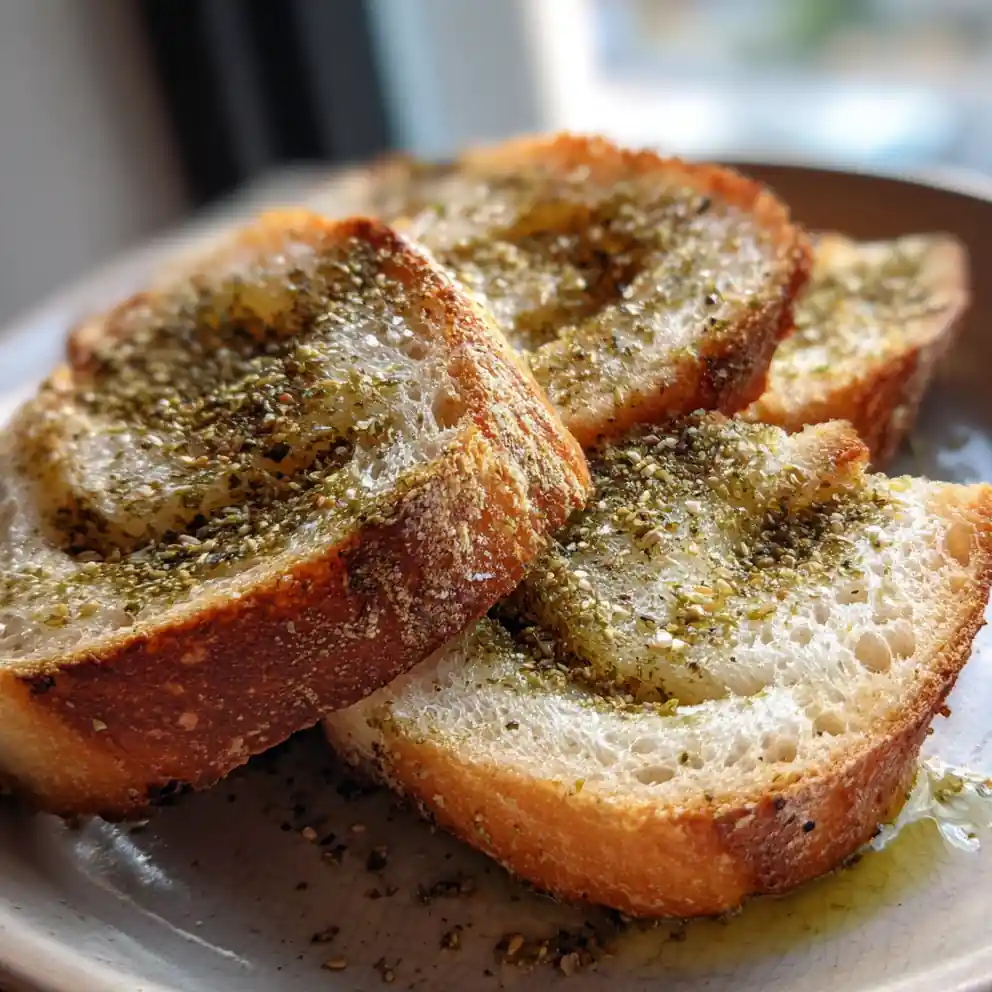
Ingredients
- Strong Bread Flour (400 g / 3 1/4 cups): This high-protein flour is essential for developing the structure needed to hold the soft crumb and accommodate the sourdough starter. Using strong bread flour ensures a chewier texture and better rise than all-purpose flour. For best results, measure flour by weight using a kitchen scale for accuracy.
- Lukewarm Water (280 g / 1 1/8 cups): The ideal temperature range (30-32°C / 86-90°F) is crucial for activating the starter and facilitating autolyse. Avoid using hot water, which can kill the starter’s yeast and bacteria. Water that is too cold will slow down fermentation significantly.
- Active Sourdough Starter (100 g / 1/2 cup): The starter must be fed and bubbly, meaning it has doubled in size and passes the float test (a small piece floats in water). An active starter ensures consistent leavening for the soft texture and reliable rise. If your starter is sluggish, feed it 4-6 hours before baking.
- Fine Sea Salt (8 g / 1 1/2 teaspoons): Salt controls the fermentation rate and strengthens the gluten network, preventing an overly sour flavor. Make sure to add the salt *after* the initial autolyse phase so it doesn’t inhibit early gluten development. Use fine-grained salt for easy dissolving into the dough.
- Granulated Sugar (15 g / 1 tablespoon): A small amount of sugar acts as food for the yeast and contributes to browning and a softer texture in the final loaf. This addition helps balance the tang of the sourdough and enhances the overall flavor profile. It’s optional if you prefer a less sweet loaf, but recommended for softness.
- Olive Oil (20 g / 1 1/2 tablespoons, plus more for swirl and garnish): The added oil is key to creating a rich, soft crumb in this soft sourdough sandwich bread recipe. Use a high-quality extra virgin olive oil for the best flavor in both the dough and the za’atar swirl. The oil keeps the bread tender and delays staling.
- Za’atar Spice Blend (2 tablespoons, plus more for garnish): This fragrant Middle Eastern spice blend typically contains thyme, sesame seeds, sumac, and salt. The za’atar creates the unique savory flavor swirl and complements the olive oil perfectly. Check ingredient lists for high-quality za’atar; adjust quantity based on personal preference if you like a stronger flavor.
Instructions
1. Autolyse the Flour and Water: In a large mixing bowl, combine the strong bread flour and 260 g of lukewarm water. Mix until no dry flour remains, forming a shaggy dough. Cover the bowl and let it rest for 30 minutes to allow the flour to fully hydrate and begin gluten development.
2. Add Starter and Remaining Ingredients: Add the active sourdough starter, remaining 20 g water, fine sea salt, granulated sugar, and 20 g olive oil to the shaggy dough. Mix thoroughly by hand for 5-7 minutes, stretching and folding until the ingredients are well incorporated and the dough begins to develop elasticity. The dough will be sticky initially; use wet hands if necessary to manage it.
3. Bulk Fermentation with Stretch and Folds: Cover the bowl and let the dough bulk ferment at room temperature (20-24°C / 68-75°F) for 3-4 hours. Perform a series of stretch and folds every 30-45 minutes during the first 2 hours to build strength. Gently pull a portion of the dough up and fold it over itself, rotating the bowl a quarter turn and repeating until you’ve gone all the way around.
4. Prepare the Za’atar Swirl and Shape: After bulk fermentation, the dough should be visibly aerated and slightly puffy. Lightly oil your work surface. Gently turn the dough out onto the surface and shape it into a loose rectangle. In a small bowl, combine 2 tablespoons za’atar spice blend with 3 tablespoons olive oil to form a paste, then spread this mixture over the dough surface, leaving a small border free on one long edge.
5. Roll and Pan Proof: Starting from the long edge opposite the border, tightly roll the dough into a log. Pinch the seam closed and gently tuck the ends under to create a neat loaf shape. Transfer the shaped dough log into a lightly greased 9×5 inch loaf pan, seam-side down. I always use a light coating of olive oil to grease my pan when making a soft sourdough sandwich bread recipe like this one, as it prevents sticking.
6. Final Proof: Cover the pan loosely with plastic wrap or a damp kitchen towel. Allow the dough to proof at room temperature for 1.5-2.5 hours, or until it has visibly risen and feels soft and springy to the touch. Alternatively, for deeper flavor, cold proof in the refrigerator for 8-12 hours (this also helps fit proofing around your schedule). The dough should have risen significantly but not quite doubled; test gently by poking with a floured finger. If the dough isn’t rising as expected, check that your starter was truly active when you began.
7. Preheat Oven and Bake: Preheat your oven to 200°C (390°F) with a rack in the middle; place an empty, oven-safe tray on the bottom rack. Once proofed, score the top of the loaf once down the center with a sharp knife or bread lame. Place the loaf pan into the preheated oven and carefully pour 1/2 cup hot water into the empty tray on the bottom rack to create steam.
8. Finish Baking: Bake for 20 minutes with steam, then carefully remove the tray of water from the oven. Reduce the oven temperature to 180°C (350°F) and continue baking for another 20-25 minutes, or until the crust is deeply golden brown. The internal temperature should reach 93-96°C (200-205°F) for doneness. This ensures the best soft sourdough sandwich bread results.
9. Cool Completely: Remove the loaf from the oven and immediately turn it out onto a wire rack to cool completely. Cooling for at least 2 hours prevents a gummy texture in the center of the loaf. Do not slice until fully cooled to allow the structure to set properly. Enjoying this soft sourdough sandwich bread recipe means patience while cooling for the perfect crumb.
Tips for Achieving the Softest Sourdough Crumb
The secret to a truly soft sourdough sandwich bread recipe lies in a few specific techniques. While sourdough often results in a rustic, crusty loaf, this method prioritizes a tender, light crumb perfect for family-friendly sandwiches.
- Hydration and Fat Content: The higher hydration (water percentage) in this recipe, combined with the olive oil, contributes significantly to the soft texture. A richer dough with fat tends to be less dense and crusty than traditional sourdough.
- Proper Proofing: Don’t overproof or underproof; both can lead to a dense crumb. Aim for a jiggly, springy texture during final proofing, where a gentle poke leaves a slight indent that slowly springs back.
- The Role of Sugar: The small amount of sugar added here helps keep the final texture tender and prevents excessive chewiness often found in basic sourdough.
- Baking Environment: Baking with steam during the initial phase keeps the crust soft and flexible, allowing the bread to fully expand during oven spring. Removing the steam later helps set the crust without making it overly hard.
Make-Ahead Tips and Storage for Sourdough Sandwich Loaves
- Cold Proofing: For a deeper, more complex flavor and easier shaping, transfer the dough to the refrigerator after shaping and leave it for up to 12 hours (final proofing). This fits perfectly around a busy schedule for easy dinner ideas later in the week.
- Long-Term Storage: Store the cooled, unsliced loaf in an airtight container or a large zip-top bag to maintain softness for 3-4 days at room temperature. Avoid refrigerating, as this causes staling faster.
- Freezing: To freeze, slice the cooled loaf and place parchment paper between slices, then wrap tightly in plastic wrap and aluminum foil. Freeze for up to 3 months; toast directly from frozen for quick meals.
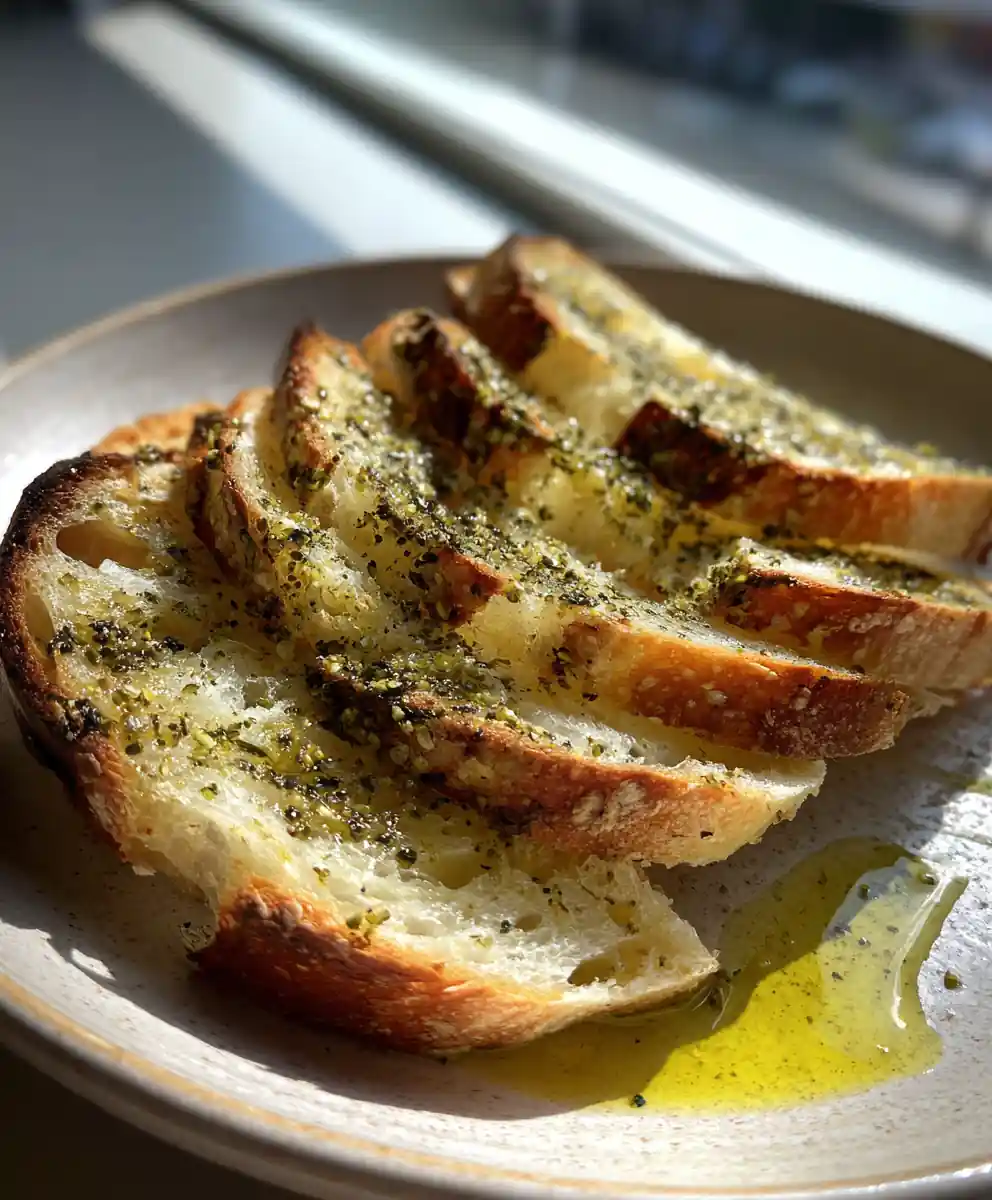
Serving Suggestions and Flavor Pairings
- Simple Sandwiches: This savory loaf elevates simple deli sandwiches; pair it with roast chicken, feta cheese, cucumber slices, and a thin layer of hummus. It makes for a healthy, satisfying lunch.
- Mediterranean Meals: Use thick slices as a side for hearty lentil soup or creamy tomato soup. It also pairs well with a light cucumber-tomato salad for a family-friendly meal.
- Savory Toasts: Toast slices and top with soft-boiled eggs, avocado, or a spread of cream cheese and fresh herbs for breakfast or brunch.
- Dips: Serve alongside olive tapenade, tzatziki, or a simple olive oil dip for an easy appetizer spread.
FAQs about Sourdough Sandwich Bread
Q: Why is my sourdough sandwich bread dense and hard instead of soft?
A: This can be due to several factors, including insufficient bulk fermentation, not enough water/oil in the recipe, or over-baking. To ensure softness in your next loaf, follow the hydration and oil levels in this specific soft sourdough sandwich bread recipe, ensure a good rise during bulk fermentation, and avoid overbaking.
Q: Can I make this soft sourdough sandwich bread without a stand mixer?
A: Yes, all steps in this soft sourdough sandwich bread recipe can be performed by hand. The initial mixing and stretch-and-folds replace the kneading process; it just takes a bit more elbow grease to develop the gluten for a soft sourdough crumb.
Q: What if I don’t have a za’atar spice blend?
A: Za’atar is essential to the specific flavor profile of this recipe. If you don’t have it, a mixture of dried thyme, oregano, and sesame seeds with a pinch of salt and sumac (if available) can be substituted in a pinch.
Q: How do I know when the sourdough loaf is fully proofed before baking?
A: The best test is the poke test. Gently poke the dough with a floured finger. If the indent slowly springs back halfway, it’s ready. If it springs back immediately, it needs more time; if it stays indented, it’s overproofed.
Q: Can I use different flours in this soft sourdough sandwich bread recipe?
A: For a soft texture, stick with strong bread flour as recommended. However, you can experiment by substituting a small amount (up to 10%) with whole wheat flour for added flavor without compromising the softness significantly. I often add a tablespoon of whole wheat when making a high-protein snack for my kids.
Q: Why do I need to cool the bread completely before slicing?
A: Slicing warm bread releases steam too quickly, causing the internal structure (crumb) to collapse and become dense and gummy. Cooling allows the starches to set, resulting in a cleaner slice and proper texture. This ensures your soft sourdough sandwich bread stays soft on the inside.
Conclusion
This soft sourdough sandwich bread recipe with a za’atar swirl proves that sourdough can be both hearty and tender enough for everyday sandwiches. The unique flavor profile and easy-to-manage process make it a perfect upgrade from standard sandwich loaves. Try making this loaf this week for your next family lunch; it pairs perfectly with simple ingredients. Save this soft sourdough sandwich bread recipe on Pinterest for easy meal prep inspiration for healthy eating.
Print
soft sourdough sandwich bread recipe
- Total Time: 90 minutes
- Yield: 1 loaf (10 servings) 1x
- Diet: Vegetarian
Description
This soft sourdough sandwich bread recipe features a tender crumb with a savory za’atar and olive oil swirl for a Mediterranean-inspired twist on a classic.
Ingredients
- 400 g strong bread flour
- 280 g lukewarm water
- 100 g active sourdough starter
- 8 g fine sea salt
- 15 g granulated sugar
- 20 g olive oil, plus more for swirl and garnish
- 2 tablespoons za’atar spice blend, plus more for garnish
- 3 tablespoons olive oil (for za’atar swirl paste)
- 0.5 cup hot water (for steam)
Instructions
- Autolyse Flour and Water: In a large mixing bowl, combine the strong bread flour and 260 g of lukewarm water. Mix until no dry flour remains, forming a shaggy dough. Cover and let rest for 30 minutes to hydrate.
- Add Starter and Remaining Ingredients: Add the active sourdough starter, remaining 20 g water, fine sea salt, granulated sugar, and 20 g olive oil to the shaggy dough. Mix thoroughly by hand for 5-7 minutes until ingredients are well incorporated and the dough develops elasticity.
- Bulk Fermentation with Stretch and Folds: Cover the bowl and let the dough bulk ferment at room temperature for 3-4 hours. Perform a series of stretch and folds every 30-45 minutes during the first 2 hours to build strength.
- Prepare the Za’atar Swirl and Shape: Lightly oil your work surface. Gently turn the dough out onto the surface and shape it into a loose rectangle. In a small bowl, combine 2 tablespoons za’atar spice blend with 3 tablespoons olive oil to form a paste, then spread this mixture over the dough surface.
- Roll and Pan Proof: Starting from one long edge, tightly roll the dough into a log. Pinch the seam closed and gently tuck the ends under to create a neat loaf shape. Transfer the shaped dough log into a lightly greased 9×5 inch loaf pan, seam-side down.
- Final Proof: Cover the pan loosely and allow the dough to proof at room temperature for 1.5-2.5 hours, or until visibly risen and soft to the touch. Alternatively, cold proof in the refrigerator for 8-12 hours for deeper flavor.
- Preheat Oven and Score: Preheat your oven to 200°C (390°F) with a rack in the middle; place an empty, oven-safe tray on the bottom rack. Once proofed, score the top of the loaf once down the center with a sharp knife.
- Bake with Steam: Place the loaf pan into the preheated oven and carefully pour 0.5 cup hot water into the empty tray on the bottom rack to create steam. Bake for 20 minutes with steam. Reduce the oven temperature to 180°C (350°F) and continue baking for another 20-25 minutes, or until the crust is deeply golden brown and the internal temperature reaches 93-96°C (200-205°F).
- Cool Completely: Remove the loaf from the oven and immediately turn it out onto a wire rack to cool completely for at least 2 hours before slicing.
Notes
Use strong bread flour for best structure and texture. A kitchen scale provides accuracy for measuring flour and water. For deeper flavor, cold proof in the refrigerator for 8-12 hours. Ensure internal temperature reaches 200-205°F (93-96°C) for doneness.
- Prep Time: 45 minutes
- Cook Time: 45 minutes
- Category: Bread
- Method: Baking
- Cuisine: Mediterranean
Nutrition
- Serving Size: 1 slice
- Calories: 225 calories
- Sugar: 2 g
- Sodium: 310 mg
- Fat: 7 g
- Saturated Fat: 1 g
- Unsaturated Fat: 6 g
- Trans Fat: 0 g
- Carbohydrates: 35 g
- Fiber: 2 g
- Protein: 10 g
- Cholesterol: 0 mg
FREE PRINTABLE RECIPE
Get the Printable Recipe PDF (Free)
Enter your email and we’ll send you the ingredients + step-by-step instructions as a clean PDF you can save to your phone.
- ✅ Printable PDF (ingredients + steps)
- ✅ Save it to your phone (no long scrolling)
- ✅ Includes cook time + servings
- ✅ Easy to follow
FAQ
Where’s the full recipe?
It’s delivered as a printable PDF so you can save it and cook without scrolling.
I didn’t get the email.
Check Spam/Promotions and search your inbox for your site name. Then click Confirm to receive the PDF.