
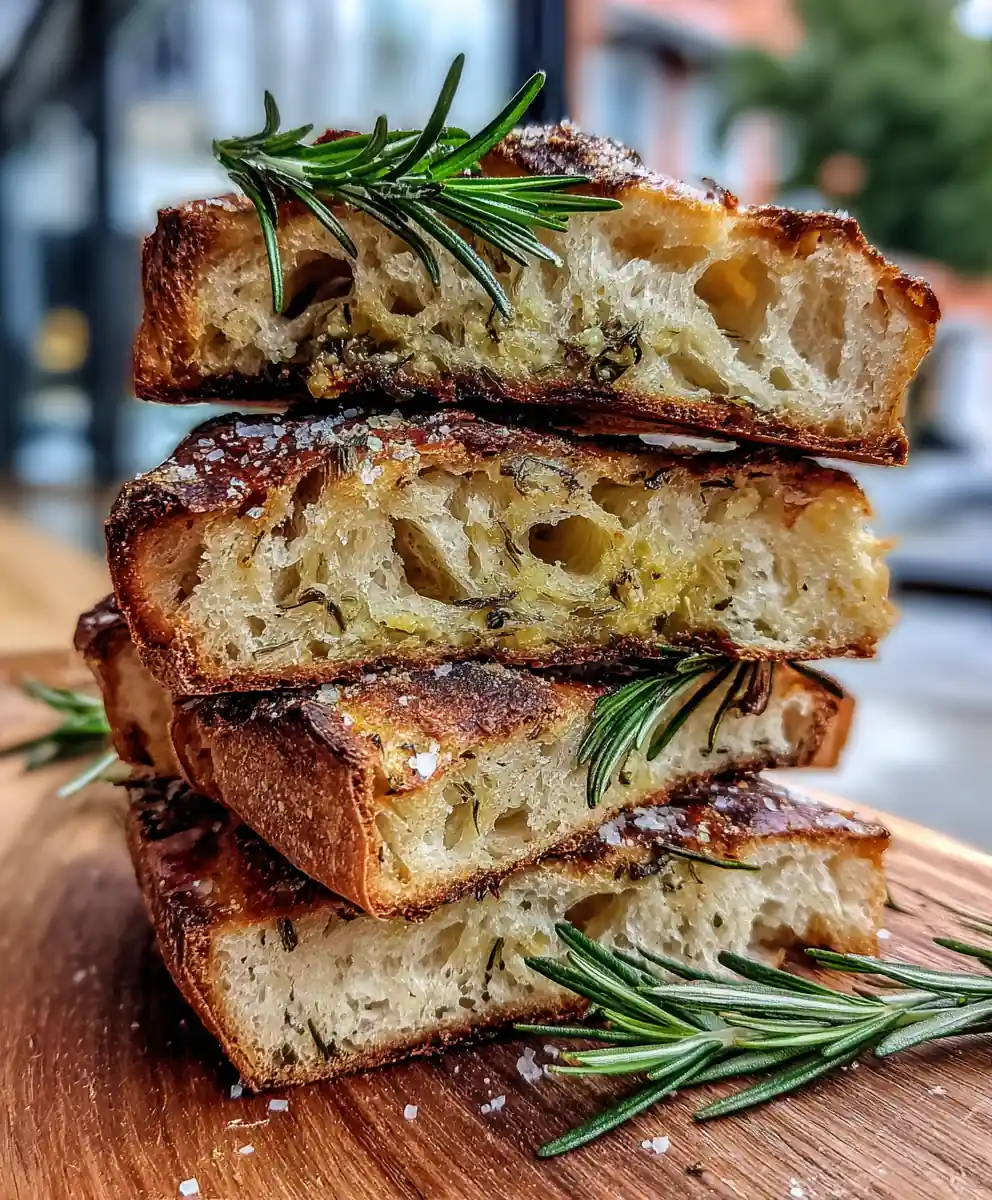
I’m always looking for ways to make everyday meals feel special without extra work. This easy sourdough sandwich bread recipe does exactly that, filling your kitchen with the cozy scent of roasted garlic and rosemary as it bakes. It transforms a simple, hearty loaf into something truly extraordinary. This specific sourdough sandwich bread recipe yields a soft crumb and hearty crust, perfect for elevating next-level grilled cheese, dipping into a warm bowl of soup, or simply enjoying with butter. We’ve simplified the process to create a stunning flavor swirl that fits into a busy family’s schedule, ensuring every slice is packed with savory goodness. This is the ultimate family-friendly comfort food to make on a lazy weekend for delicious eating all week long.

Ingredients
- 100 g (0.4 cup) active sourdough starter (100% hydration)
Must be active and bubbly for a good rise; feed it 4-6 hours before you plan to mix your dough.
A 100% hydration starter means equal parts flour and water by weight. - 350 g (2.8 cups) bread flour, plus more for dusting
Bread flour has a higher protein content, which creates a stronger gluten network for a chewier crumb.
Avoid substituting all-purpose flour for the main body of the dough if you want a tall, structured sandwich loaf. - 250 ml (1 cup) filtered water
Filtered or bottled water is recommended, as chlorine in tap water can interfere with the activity of your starter.
Use room temperature water, between 70-80°F (21-27°C) for optimal dough activity during bulk fermentation. - 8 g (1.5 tsp) fine sea salt
Salt is essential for flavor and controlling the fermentation rate of the sourdough yeast.
Add it after the autolyse phase to avoid inhibiting gluten development during the initial mix. - 1 head garlic
Use a fresh, large head of garlic; avoid pre-peeled garlic if possible for better flavor after roasting.
The roasting process transforms the sharp flavor into a sweet, mellow, and spreadable paste. - 2 tbsp (30 ml) olive oil, plus more for greasing
Use high-quality extra virgin olive oil to enhance the savory flavor of the garlic and rosemary.
A small amount is used for roasting, with the remainder mixed into the final paste. - 2 tbsp (8 g) fresh rosemary
Fresh rosemary provides a superior aroma and flavor compared to dried rosemary for this specific recipe.
Finely chop the leaves to distribute them evenly and prevent large, woody pieces in the final bread. - 1 tsp flaky sea salt, for garnish
Used as a finishing element on the baked loaf for texture and visual appeal.
Sprinkle lightly over the loaf before baking or immediately after slicing to serve.
Instructions
- Step 1: Prepare the Roasted Garlic
Preheat your oven to 180°C (350°F). Peel the garlic cloves and toss them with 1 tablespoon of olive oil on a small baking sheet.
Roast for 20-25 minutes, checking regularly until they are deeply golden brown and very tender to the touch.
Allow the roasted garlic to cool slightly before handling; mash thoroughly with a fork into a smooth paste. - Step 2: Create the Flavor Paste
Once cooled and mashed, combine the roasted garlic paste with the finely chopped fresh rosemary and the remaining 1 tablespoon of olive oil.
Stir well to fully incorporate the ingredients and set this mixture aside while you prepare the main dough.
Ensure the paste is smooth and uniform; any large chunks of garlic will create dense spots in the finished crumb. - Step 3: Mix the Dough and Autolyse
In a large bowl, combine the active sourdough starter, filtered water, and bread flour.
Mix by hand until just combined and ensure there are no dry spots of flour remaining; do not overmix at this stage.
Cover the bowl loosely and let the dough rest for 30 minutes; this autolyse phase allows the flour to fully hydrate before salt is added. - Step 4: Add Salt and Integrate
After the autolyse, add the fine sea salt directly onto the dough surface.
Using wet hands (to prevent sticking), gently squeeze and fold the dough for 2-3 minutes until the salt is fully integrated and the dough starts to feel slightly firmer.
Cover and let rest again for 30 minutes to allow the salt to dissolve completely. - Step 5: Perform Stretch and Folds and Bulk Ferment
Perform 3 sets of stretch and folds, spaced 30 minutes apart; gently stretch a portion of the dough up and fold it over itself toward the center.
After the final stretch and fold, cover the bowl and allow the dough to bulk ferment at room temperature for 3-4 hours.
The dough should be visibly risen, bubbly, and increased in volume by 30-50% before moving to the next step. - Step 6: Shape the Loaf for the Flavor Ribbon
Lightly grease a 23×13 cm (9×5 inch) loaf pan with olive oil.
Gently turn the dough out onto a lightly floured surface; stretch or roll the dough into a large rectangle (approximately 30×20 cm or 12×8 inches).
Spread the roasted garlic and rosemary paste evenly over the entire surface of the dough, leaving a small 1 cm border along one of the long edges for sealing. - Step 7: Roll and Proof the Loaf
Starting from the long edge opposite the border, tightly roll the dough into a log, creating the swirl or ribbon effect.
Pinch the seam closed along the bottom and gently tuck in the ends to create a neat loaf shape; place seam-side down into the prepared loaf pan.
Cover the loaf pan loosely and proof at room temperature for 1-2 hours, or cold proof overnight (8-12 hours) in the refrigerator. - Step 8: Preheat Oven and Score
Preheat your oven to 200°C (390°F) with a rack in the center; if cold proofing, remove the loaf from the refrigerator while the oven preheats.
Score the top of the loaf with a sharp knife or razor blade down the center lengthways.
This scoring technique allows the loaf to expand upward during baking, giving it a good oven spring and shape for a beautiful sourdough sandwich bread. - Step 9: Bake and Cool Completely
Bake the sourdough sandwich bread recipe for 35-45 minutes, or until the crust is deeply golden brown and the internal temperature reaches 93-96°C (200-205°F).
If the crust browns too quickly, loosely tent the top of the loaf with aluminum foil for the last 10 minutes of baking.
Remove the bread from the oven immediately and turn it out onto a wire rack to cool completely for at least 2 hours before slicing to set the crumb.
Troubleshooting: Common Sourdough Sandwich Loaf Issues
Why is my sourdough sandwich bread dense and heavy?
A dense loaf is usually a sign of insufficient bulk fermentation or an inactive starter. Make sure your starter doubles in size after feeding and that the dough for this sourdough sandwich bread recipe increases significantly in volume (30-50%) before shaping.
My loaf didn’t rise much in the pan during proofing. What went wrong?
This issue often stems from a cold environment. Sourdough proofing slows significantly in cold temperatures. For a taller rise, find a warmer spot (like on top of the fridge) or bring the loaf back to room temperature for an hour after cold proofing.
My bread turned out gummy or sticky when sliced. How do I fix this?
The primary cause of gumminess is slicing before the bread has cooled completely. The internal structure (starch gelatinization) continues to set as it cools, a process that takes at least two hours. Patience is key for this type of sourdough sandwich bread recipe.
Make-Ahead and Storage Tips for Your Sourdough Loaf
How to cold proof for flexible timing:
Cold proofing is essential for making a fresh loaf fit into a busy schedule. After shaping (Step 7), cover the pan and refrigerate for 8-12 hours. This slows fermentation, deepening the flavor and allowing you to bake the perfect sourdough sandwich bread recipe in the morning.
Storing a whole loaf to keep it fresh:
A whole loaf stays fresh for 2-3 days at room temperature. Store it on the cut side down on a cutting board or wrapped loosely in a clean kitchen towel. For longer-term storage (4-5 days), wrap tightly in aluminum foil and then place inside a plastic bag to retain moisture.
Best way to freeze the sourdough sandwich bread:
To freeze for future quick meals, slice the fully cooled loaf. Flash-freeze the slices by spreading them in a single layer on a baking sheet for 30 minutes. Transfer the frozen slices to an airtight freezer bag for easy high-protein snack access. This method prevents the slices from sticking together.
FAQs
Can I use dried rosemary instead of fresh?
While fresh rosemary is highly recommended for its powerful aroma, you can substitute 1 tablespoon of dried rosemary for the fresh amount. Dried herbs are more concentrated, so make sure you chop them finely before mixing them into the paste.
What if I don’t have a 9×5 inch loaf pan?
You can use a slightly larger pan (like 10×5 inch), but the loaf will be shorter and wider; baking time may reduce slightly. For a smaller pan, ensure you check the internal temperature, as it may require extra baking time to cook through.
What is autolyse and why is it important for this bread?
Autolyse is a short resting period where the flour hydrates fully with water before the salt and starter are fully incorporated. This process helps create a stronger gluten network in this sourdough sandwich bread recipe, resulting in a lighter crumb and better oven spring.
Can I add cheese to this recipe?
Yes, absolutely! Add up to 1/2 cup of shredded hard cheese, such as Parmesan or sharp white cheddar, to the roasted garlic and rosemary paste. The cheese will melt into the bread as it bakes, creating an even more savory flavor profile.
What’s the best way to slice this sourdough loaf?
Always wait for the loaf to cool completely (at least 2 hours). Use a sharp, serrated knife and cut with a gentle sawing motion, rather than pressing down. This prevents squashing the tender crumb structure you worked hard to develop.
How do I get a nice golden crust?
Make sure your oven is fully preheated to the recommended temperature. To achieve a really deep golden color on this sourdough sandwich bread recipe, I like to brush the top of the loaf lightly with a beaten egg white just before baking.
Conclusion
This easy sourdough sandwich bread recipe provides a wonderful combination of hearty texture and sophisticated flavor, making it a new favorite for healthy eating and family dinners. Pin this recipe to save it for future meal prep ideas and enjoy fresh bread all week long.
Print
sourdough sandwich bread recipe
- Total Time: 480 minutes
- Yield: 1 loaf (10 servings) 1x
- Diet: Vegetarian
Description
This easy sourdough sandwich bread features a soft crumb and hearty crust, infused with a savory roasted garlic and rosemary swirl. It transforms a simple loaf into something extraordinary, perfect for grilled cheese, soup, or toast.
Ingredients
- 100 g active sourdough starter (100% hydration)
- 350 g bread flour, plus more for dusting
- 250 ml filtered water
- 8 g fine sea salt
- 1 head garlic
- 2 tbsp olive oil, plus more for greasing
- 2 tbsp fresh rosemary, finely chopped
- 1 tsp flaky sea salt, for garnish
Instructions
- Prepare Roasted Garlic: Preheat oven to 180°C (350°F). Peel garlic cloves and toss with 1 tbsp olive oil on a baking sheet. Roast for 20-25 minutes until golden brown and tender. Mash thoroughly into a smooth paste.
- Create Flavor Paste: Combine mashed roasted garlic paste with chopped fresh rosemary and remaining 1 tbsp olive oil. Stir well and set aside.
- Mix Dough and Autolyse: In a large bowl, combine active sourdough starter, filtered water, and bread flour. Mix until just combined, cover, and let rest for 30 minutes.
- Add Salt: Add fine sea salt to the dough. Using wet hands, gently squeeze and fold for 2-3 minutes until salt is fully integrated. Cover and rest for another 30 minutes.
- Bulk Ferment Dough: Perform 3 sets of stretch and folds, spaced 30 minutes apart. Cover and bulk ferment at room temperature for 3-4 hours, or until volume increases by 30-50%.
- Shape Loaf with Flavor Ribbon: Lightly grease a 9×5 inch loaf pan. Turn dough onto a lightly floured surface and stretch into a 12×8 inch rectangle. Spread the garlic and rosemary paste evenly over the surface, leaving a small border.
- Roll and Proof Loaf: Tightly roll the dough into a log starting from the long edge. Pinch the seam closed and place seam-side down in the prepared loaf pan. Cover and proof at room temperature for 1-2 hours, or cold proof overnight (8-12 hours) in the refrigerator.
- Preheat Oven and Score: Preheat oven to 200°C (390°F) with a rack in the center. Score the top of the loaf lengthwise with a sharp knife or razor blade.
- Bake Bread: Bake for 35-45 minutes, or until deeply golden brown and internal temperature reaches 93-96°C (200-205°F). Cool completely on a wire rack for at least 2 hours before slicing to set the crumb.
Notes
To set the crumb, allow the bread to cool completely for at least 2 hours before slicing. If the crust browns too quickly during baking, loosely tent the top with aluminum foil for the last 10 minutes.
- Prep Time: 30 minutes
- Cook Time: 40 minutes
- Category: Bread
- Method: Baking
- Cuisine: American
Nutrition
- Serving Size: 1 slice (80 g)
- Calories: 180 calories
- Sugar: 1 g
- Sodium: 220 mg
- Fat: 5 g
- Saturated Fat: 1 g
- Unsaturated Fat: 4 g
- Trans Fat: 0 g
- Carbohydrates: 30 g
- Fiber: 2 g
- Protein: 7 g
- Cholesterol: 0 mg
FREE PRINTABLE RECIPE
Get the Printable Recipe PDF (Free)
Enter your email and we’ll send you the ingredients + step-by-step instructions as a clean PDF you can save to your phone.
- ✅ Printable PDF (ingredients + steps)
- ✅ Save it to your phone (no long scrolling)
- ✅ Includes cook time + servings
- ✅ Easy to follow
FAQ
Where’s the full recipe?
It’s delivered as a printable PDF so you can save it and cook without scrolling.
I didn’t get the email.
Check Spam/Promotions and search your inbox for your site name. Then click Confirm to receive the PDF.