
I remember feeling overwhelmed when I first tried making a sourdough starter, but it’s much simpler than it sounds. This beginner-friendly method takes the guesswork out of creating your first starter, and this version adds a beautiful, golden hue and earthy flavor. You’ll learn exactly how to combine just a few simple ingredients to cultivate a vibrant, bubbly starter from scratch in about a week. This easy sourdough starter recipe for beginners will guide you through daily feedings and troubleshooting so you can confidently bake artisan bread for your family. Forget complex techniques; this approach simplifies the journey to a hearty, active starter.
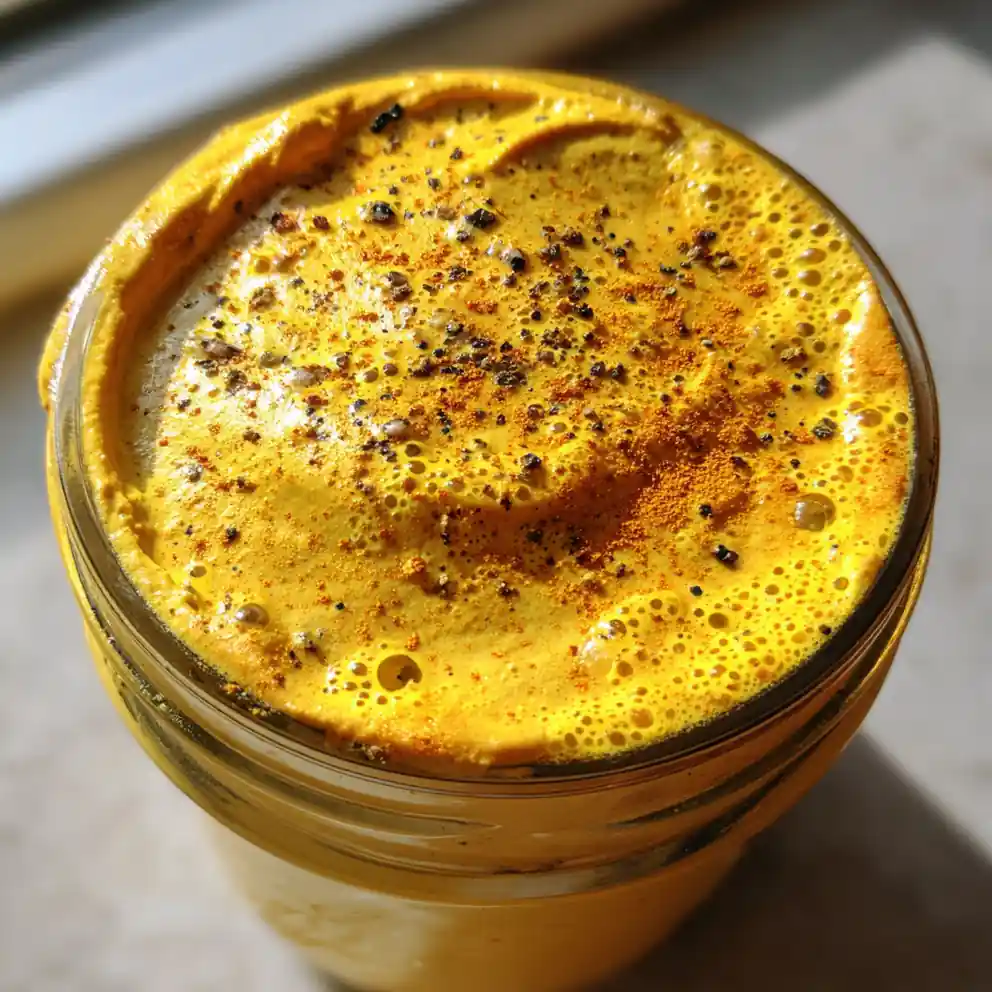
Ingredients
- 500 g / 4 cups unbleached all-purpose flour (divided for feeding)
Unbleached flour is essential as it retains natural enzymes necessary for fermentation.
Bleached flour inhibits yeast growth, so avoid it completely for this sourdough starter recipe for beginners.
Bread flour can also be used, but all-purpose provides a great starting point. - 500 g / 2 cups filtered water (divided for feeding)
Use filtered water; chlorine in tap water can hinder microbial growth.
Ensure the water is lukewarm (around 77-82°F) to encourage yeast activity.
Do not use boiling or ice-cold water, as temperature is crucial for fermentation. - 4.5 g / 2 teaspoons ground turmeric (divided for feeding)
This ingredient adds a beautiful golden color and earthy flavor to your starter.
Choose high-quality ground turmeric for the best results and nutritional benefits.
It’s important to fully integrate the turmeric during mixing to ensure even distribution. - 2.5 g / 1 teaspoon freshly ground black pepper (divided for feeding)
Black pepper enhances the absorption of curcumin from the turmeric, providing potential health benefits.
Use freshly ground pepper for a more potent flavor profile.
The small amount won’t make the starter spicy, but will provide depth to the final bread.
Instructions
This simple process will take approximately 7-10 days to produce an active, mature starter for your first loaf. Consistency in timing and temperature is key to success.
Day 1: Initiate the Starter
In a clean, clear glass jar (1 liter/34 oz size), combine 50 g (1/2 cup) unbleached all-purpose flour, 1/4 tsp ground turmeric, and 1/8 tsp black pepper. Mix these dry ingredients thoroughly until the spices are evenly distributed throughout the flour. Gradually add 50 g (1/4 cup) lukewarm filtered water, stirring until a smooth, thick paste forms; scrape down the sides. This easy sourdough starter recipe for beginners starts with a 1:1 ratio of flour and water by weight.
Days 2 & 3: Observe and Wait
Loosely cover the jar with a breathable cloth or a lid placed loosely on top, allowing air circulation. Place the jar in a warm spot (ideally 68-75°F) away from direct sunlight; avoid placing it near drafts or cold windows. Observe the starter for subtle signs of activity like small bubbles or a slight change in smell, but do not feed it yet. This waiting period allows the natural yeast to begin multiplying.
Day 4 and Onwards: Establish Daily Feeding
By Day 4, you should see clear signs of bubbles; gently stir the starter. Discard all but 50 g (approximately 2-3 tablespoons) of the existing starter; this maintains a healthy feeding ratio. Add 50 g fresh flour (and spices) and 50 g lukewarm water to the remaining 50 g starter in the jar and mix well. I typically feed my starter around 7 AM every morning, so I can check its progress throughout the day before I start dinner prep. This consistent routine is important for developing a strong starter.
Continue Daily Feeding
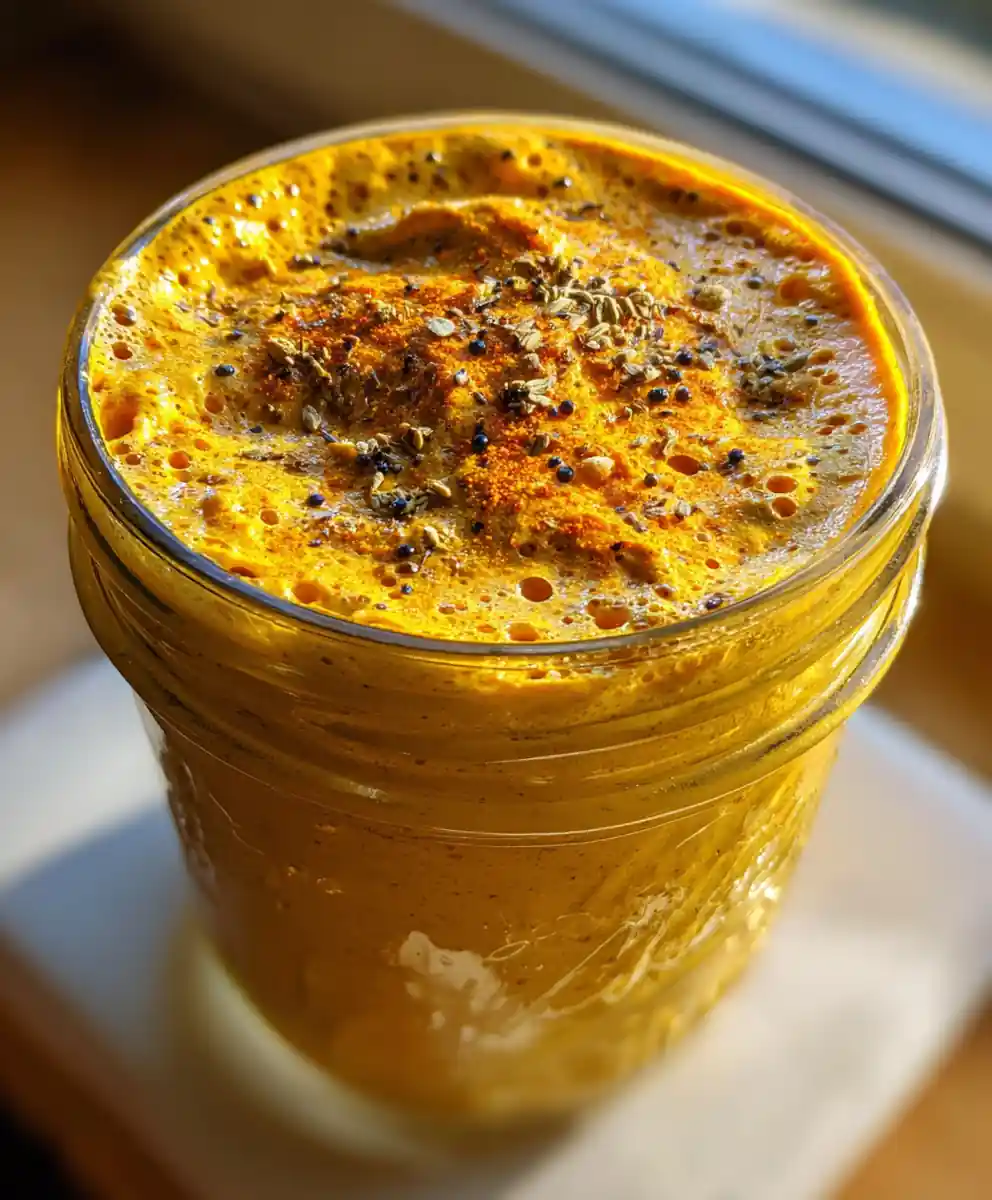
Continue this process of discarding and feeding daily at the same time to establish a strong routine for your new starter. Your sourdough starter is typically ready for baking when it consistently doubles in size within 4-6 hours after feeding. A mature starter will have lots of bubbles and a tangy, yeasty aroma. If your starter seems sluggish or isn’t rising much, ensure you are using lukewarm water (77-82°F) and keep it in a warm location, perhaps on top of the refrigerator.
What to Expect: Troubleshooting Common Starter Issues
Patience is key with a beginner sourdough starter recipe; however, here are some common issues and solutions to help you troubleshoot:
- No Bubbles after Day 4: If your starter seems inactive, check the room temperature. Colder kitchens (below 68°F) significantly slow down fermentation. Try moving the jar to a warmer spot, like on top of the refrigerator or inside a cold oven with just the light on, to encourage activity.
- Mold or Strange Colors: If you see pink, orange, or black mold, discard the entire starter immediately and start over with clean equipment. A healthy starter should smell tangy and yeasty, not sour or unpleasant.
- Separation (Hooch): If a layer of liquid forms on top (called hooch), it’s a sign that your starter is hungry and needs to be fed more frequently. Pour off the hooch, then discard and feed as usual, potentially adjusting to a slightly larger feeding ratio.
- Inconsistent Rise: If your starter rises one day and falls flat the next, this is normal during the early stages. Maintain consistency in your feeding schedule and ratios; it will stabilize once it matures.
Flavor Profile and Recipes Using Your Turmeric Starter
This beginner sourdough starter recipe offers a unique, golden twist on traditional sourdough, perfect for making family-friendly meals.
A Golden, Earthy Flavor
This sourdough starter infuses your final bread with a beautiful golden color and a subtle earthy, peppery taste. It pairs exceptionally well with savory breads and sandwiches.
Flavor Matching
Use this starter in recipes where a savory note is desired, such as focaccia, rustic loaves with nuts or seeds, or savory dinner rolls. The turmeric adds complexity to a classic sourdough tang, creating unique healthy eating options.
Recipe Suggestions
Consider using this starter for sourdough soft pretzels, sandwich bread, or even sourdough pancakes for a rich, flavorful breakfast. The starter performs just like a traditional one, but with added color and flavor.
Storage and Maintenance for Beginners
Once your sourdough starter is mature (consistently doubling for several days), you can adjust your feeding schedule for convenience and meal prep.
Refrigeration (Short-Term Storage)
Once your starter is mature, you can store it in the refrigerator to slow down feeding. Feed it every 7 days (or at least once a week) to keep it healthy. This makes weekly meal prep much easier, allowing you to quickly bake artisan bread when you need it.
Long-Term Storage (Drying)
To store it indefinitely, you can spread a small amount thinly on parchment paper and let it dry completely. Once dry, store the flakes in an airtight container for future revival.
Reviving from Refrigeration
When ready to bake, pull your starter out of the fridge and feed it daily at room temperature for 1-2 days to re-activate it before baking.
FAQs
How long does it take to create an active sourdough starter for beginners?
With consistent daily feeding, you can expect your starter to be active and ready to use in about 7-10 days. The time can vary slightly depending on the room temperature of your kitchen.
What is the best type of flour for a beginner sourdough starter recipe?
Unbleached all-purpose flour provides a great balance of nutrients and structure for beginners to create an active sourdough starter. Bread flour can also be used, but avoid bleached flours completely.
Is it okay to use discard from this turmeric starter in discard recipes?
Yes, you can use the discard just like a regular starter in recipes like crackers, pancakes, or muffins. I use this discard regularly for savory high-protein pancakes on weekend mornings for my kids.
Can I switch from this turmeric infusion to a regular sourdough starter later?
Yes, to transition, simply stop adding the turmeric and pepper to new feedings. The starter will gradually revert to a traditional flavor profile over several feedings.
Why did my starter rise on Day 2 but then fall flat on Day 3?
The initial rise is often due to bacterial activity; the true sourdough yeast takes longer to build up. Be patient during Days 2-3 as the yeast establishes itself. This is normal during the process of establishing a healthy sourdough starter recipe for beginners.
What is the float test?
Drop a small spoonful of starter into a glass of water; if it floats, it’s ready to bake. If it sinks, it needs more time to build activity.
Conclusion
Creating your own sourdough starter from scratch is a rewarding journey that elevates your home baking to the next level. This beginner-friendly method ensures success, providing you with a unique, vibrant, and active sourdough starter ready for baking. Pin this recipe for future reference and share your golden turmeric sourdough creations with us!
Print
sourdough starter recipe for beginners
- Total Time: 10080 minutes
- Yield: 1 active sourdough starter culture 1x
- Diet: Vegetarian
Description
This beginner-friendly recipe guides you through creating a vibrant, bubbly sourdough starter from scratch in about a week, using turmeric for a golden hue and earthy flavor.
Ingredients
- 500 g unbleached all-purpose flour, divided for feeding
- 500 g filtered water, divided for feeding
- 4.5 g ground turmeric, divided for feeding
- 2.5 g freshly ground black pepper, divided for feeding
Instructions
- Day 1: Initiate Starter: Combine 50 g (1/2 cup) unbleached all-purpose flour, 1/4 tsp ground turmeric, and 1/8 tsp black pepper in a clean, clear glass jar (1 liter/34 oz size). Gradually add 50 g (1/4 cup) lukewarm filtered water, stirring until a smooth, thick paste forms.
- Days 2-3: Observe Starter: Loosely cover the jar with a breathable cloth or lid and place it in a warm spot (ideally 68-75°F) away from direct sunlight. Observe for subtle signs of activity like small bubbles or a slight change in smell, but do not feed it yet.
- Day 4 Onwards: Establish Daily Feeding: By Day 4, gently stir the starter. Discard all but 50 g (approximately 2-3 tablespoons) of the starter. Add 50 g fresh flour (and spices) and 50 g lukewarm water to the remaining starter in the jar and mix well.
- Continue Daily Feeding: Continue the process of discarding and feeding daily at the same time to establish a strong routine. Your starter is ready when it consistently doubles in size within 4-6 hours after feeding and has a tangy, yeasty aroma.
Notes
Consistency in timing and temperature is key to success. If your starter seems sluggish or isn’t rising much, ensure you are using lukewarm water (77-82°F) and keep it in a warm location, possibly on top of the refrigerator.
- Prep Time: 45 minutes
- Cook Time: 0 minutes
- Category: Baking basics
- Method: Fermentation
- Cuisine: General
Nutrition
- Serving Size: 100 g starter
- Calories: 180 calories
- Sugar: 0 g
- Sodium: 0 mg
- Fat: 0 g
- Saturated Fat: 0 g
- Unsaturated Fat: 0 g
- Trans Fat: 0 g
- Carbohydrates: 35 g
- Fiber: 1 g
- Protein: 5 g
- Cholesterol: 0 mg
FREE PRINTABLE RECIPE
Get the Printable Recipe PDF (Free)
Enter your email and we’ll send you the ingredients + step-by-step instructions as a clean PDF you can save to your phone.
- ✅ Printable PDF (ingredients + steps)
- ✅ Save it to your phone (no long scrolling)
- ✅ Includes cook time + servings
- ✅ Easy to follow
FAQ
Where’s the full recipe?
It’s delivered as a printable PDF so you can save it and cook without scrolling.
I didn’t get the email.
Check Spam/Promotions and search your inbox for your site name. Then click Confirm to receive the PDF.