
This chicken pot pie casserole is a convenient way to enjoy a classic comfort meal. It combines tender chicken and vegetables in a savory sauce topped with a flaky crust for a satisfying family dinner.
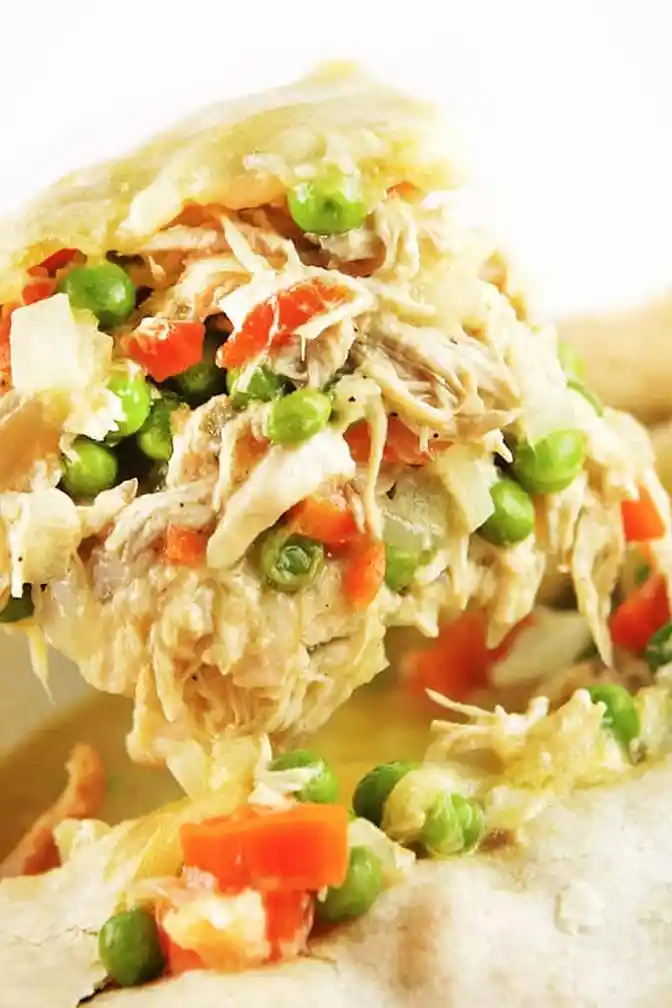
List of ingredients
- 4 tbsp olive oil – used for sautéing vegetables.
- 2 cups carrots (chopped, approx 4 medium) – adds sweetness and texture.
- 2 cups peas (frozen) – provides a pop of color and nutrition.
- 1 yellow onion (chopped) – creates a savory aromatic base.
- salt/pepper (to taste) – basic seasoning for the filling.
- 2 cups chicken (shredded) – the primary protein.
- 14.5 oz chicken broth – forms the liquid base of the gravy.
- 10.5 oz cream of chicken soup – adds creaminess and depth.
- 1/4 cup milk – thins the sauce to a smooth consistency.
- 1/4 cup flour (optional) – used to achieve a thicker sauce.
- 9 in pie crust (refrigerated) – forms the golden topping.
step-by-step instructions
- Prepare Oven and Dish: Preheat your oven to 350 degrees F. Coat a 2 ½-quart round baking dish with cooking spray and set it aside.
- Sauté Vegetables: Heat olive oil in a large skillet over medium heat. Add the chopped carrots, frozen peas, chopped onion, salt, and pepper, cooking and stirring occasionally for 4 to 5 minutes until the vegetables are soft and the onion is fragrant.
- Simmer the Filling: Stir in the shredded chicken, chicken broth, cream of chicken soup, milk, and flour if you prefer a thicker sauce. Cook the mixture over medium-low heat for an additional 5 minutes.
- Assemble the Casserole: Pour the skillet contents into the prepared baking dish. Cover the top with the refrigerated pie crust, allowing the edges to hang slightly over the sides of the dish.
- Vent and Bake: Use a sharp knife to cut several slits into the top of the dough to allow steam to escape. Place the baking dish on a baking sheet and bake for 40 minutes, or until the crust is lightly browned.
- Cool and Serve: Remove from the oven and let the casserole cool for 10 minutes. Cut the pot pie into pizza-style slices and serve warm.
Filling Optimization Techniques
Using Rotisserie Chicken for Convenience
Using a store-bought rotisserie chicken significantly reduces preparation time. Simply remove the meat from the bone and shred it with two forks before adding it to the skillet.
Chopping Carrots Uniformly for Even Cooking
Cut carrots into small, consistent dice to ensure they soften at the same rate. This prevents some pieces from being mushy while others remain hard.
Sautéing Onions for Maximum Flavor
Cook the onions until they are translucent and fragrant before adding other ingredients. This process releases the natural sugars and provides a deeper flavor base for the gravy.
Selecting the Right Cream of Chicken Soup
Choose a high-quality cream of chicken soup to ensure a rich texture. If you prefer less sodium, look for a low-sodium version to keep the salt levels balanced.
Using Low-Sodium Chicken Broth
Since the cream soup already contains salt, using low-sodium chicken broth prevents the dish from becoming over-salted. This allows you to control the seasoning more precisely.
Incorporating Fresh Thyme or Parsley
Adding a teaspoon of dried thyme or fresh parsley to the filling enhances the savory profile. These herbs complement the chicken and carrots perfectly.
Adding Celery for Traditional Flavor
For a more traditional pot pie taste, dice one stalk of celery and sauté it with the onions and carrots. This adds a subtle aromatic layer to the vegetable mix.
Substituting Frozen Peas with Fresh Peas
If using fresh peas, add them toward the end of the sauté process. Fresh peas cook faster than frozen ones and maintain a brighter green color.
Using Turkey as a Lean Meat Alternative
Shredded cooked turkey is an excellent substitute for chicken. This is a great way to use leftover holiday turkey while maintaining the same flavor profile.
Adding Diced Potatoes for Extra Heartiness
Adding a half cup of small, parboiled potato cubes makes the casserole more filling. Ensure the potatoes are pre-cooked so they are tender after baking.
Crust and Topping Techniques
Preparing the Refrigerated Pie Crust
Allow the refrigerated crust to sit at room temperature for a few minutes before unfolding. This makes the dough more pliable and easier to drape over the baking dish.
Creating a Decorative Lattice Top
Cut the crust into one-inch wide strips. Weave them over the filling to create a professional lattice look that allows steam to escape easily.
Using Crescent Roll Dough for Flakiness
Lay crescent roll triangles across the top of the filling for a buttery, flaky alternative. This version typically requires a slightly shorter baking time due to the high butter content.
Applying an Egg Wash for Golden Color
Whisk one egg with a tablespoon of water and brush it over the crust before baking. This results in a deep golden-brown finish and a professional sheen.
Venting the Crust to Release Steam
Cutting slits in the dough is essential for preventing the crust from puffing up too much. Proper venting allows moisture to escape, keeping the crust crisp.
Preventing the Crust from Over-Browning
If the crust browns too quickly, cover the edges loosely with aluminum foil. This protects the pastry while the filling continues to heat through.
Using Puff Pastry for a Lighter Texture
Substitute the pie crust with a sheet of frozen puff pastry for a lighter, airier topping. Puff pastry provides a dramatic rise and a crispier texture.
Avoiding a Soggy Bottom Crust
Since this is a casserole topped with a crust, the bottom stays moist. If you prefer a bottom crust, blind-bake it for 10 minutes before adding the filling.
Sauce and Texture Control
Using Flour to Thicken the Gravy
Whisking in flour helps the sauce cling to the chicken and vegetables. This prevents the filling from becoming watery once the casserole is sliced.
Adjusting Milk for Creaminess
Milk adds a smooth, creamy finish to the gravy. Use whole milk for maximum richness or 2% milk for a slightly lighter version.
Preventing Lumps in the Flour Mixture
Stir the flour into the liquid ingredients thoroughly while the skillet is over medium-low heat. Constant stirring ensures the flour dissolves completely into the sauce.
Managing the Sauce Consistency
If the sauce seems too thick after simmering, add a tablespoon of extra broth. If it is too thin, simmer it for two more minutes before pouring it into the dish.
Substituting Cornstarch for Flour
You can use a cornstarch slurry (cornstarch mixed with cold water) instead of flour. This creates a glossier sauce and is a suitable alternative for different dietary preferences.
Balancing Salt and Pepper Seasoning
Taste the filling before adding it to the baking dish. Adjust the salt and pepper at this stage, as the flavors will concentrate slightly during baking.
Baking and Equipment Advice
Selecting the Right Sized Baking Dish
A 2.5-quart round dish is ideal for this quantity of filling. Using a dish that is too large will cause the sauce to evaporate too quickly, while one too small may overflow.
Using a Baking Sheet to Catch Drips
Always place the baking dish on a rimmed baking sheet. This catches any bubbling sauce or grease that may leak over the edges, keeping your oven clean.
Preheating the Oven for Consistent Heat
Wait for the oven to reach 350 degrees F before sliding the casserole inside. A preheated oven ensures the crust begins to set immediately, preventing sogginess.
Checking for Internal Temperature
The filling should be bubbling around the edges when the dish is done. This indicates that the center has reached a safe and hot temperature.
Allowing the Casserole to Set
Letting the dish rest for 10 minutes is crucial. This allows the gravy to thicken and settle, making it much easier to cut clean slices.
Using Glass vs Ceramic Bakeware
Ceramic dishes distribute heat more evenly, while glass allows you to see the bottom of the dish. Both work well, but ceramic may require an extra minute or two of baking.
Serving and Side Dish Pairings
Pairing with Grilled Cabbage Steaks
Grilled cabbage provides a smoky, charred contrast to the creamy richness of the pot pie. Slice cabbage into thick rounds and grill until tender.
Serving with Roasted Root Vegetables
Roasted carrots or parsnips add an earthy element to the meal. Toss them in olive oil and roast at 400 degrees F until caramelized.
Adding a Fresh Garden Salad
A crisp green salad with a lemon vinaigrette cuts through the richness of the cream sauce. Use mixed greens, cucumbers, and radishes for a refreshing side.
Serving with Steamed Broccoli
Steamed broccoli provides a healthy, vibrant green accompaniment. A light sprinkle of lemon juice on the broccoli complements the savory chicken filling.
Storage and Meal Prep
Refrigerating Leftovers Safely
Store leftovers in an airtight container in the refrigerator for up to three days. Ensure the casserole is cooled slightly before sealing to prevent condensation.
Freezing the Casserole Before Baking
You can assemble the filling and top it with the crust, then freeze it unbaked. Wrap it tightly in plastic wrap and foil, then bake from frozen, adding 15-20 minutes to the time.
Freezing After the Casserole is Baked
Baked slices can be frozen for up to two months. Wrap individual portions in foil to prevent freezer burn.
Best Practices for Reheating
Reheat slices in the oven at 325 degrees F until warmed through. This helps maintain the crispness of the crust better than a microwave.
Preventing the Crust from Getting Soggy
When reheating in a microwave, place a paper towel under the slice. This absorbs excess moisture and prevents the bottom from becoming too soft.
Troubleshooting Common Issues
Fixing a Watery Filling
If the filling is too thin after baking, it is usually due to excess moisture in the vegetables. Next time, ensure frozen peas are drained well before adding them to the pan.
Addressing an Under-Browned Crust
If the crust is pale after 40 minutes, turn on the broiler for 1 to 2 minutes. Watch it closely to prevent the pastry from burning.
Correcting Over-Salted Sauce
If the sauce tastes too salty, stir in an extra tablespoon of milk or a splash of unsalted broth. This dilutes the salt concentration without altering the flavor.
Managing Vegetables that are Too Hard
If carrots are still firm, increase the sauté time in the skillet. Ensure the carrots are diced small enough to cook through in the allotted time.
Frequently Asked Questions
Can I use frozen mixed vegetables?
Yes, you can replace the peas and carrots with a frozen mixed vegetable blend. Simply adjust the total volume to 4 cups of mixed vegetables.
How do I make this gluten-free?
Substitute the flour with a gluten-free all-purpose blend and use a gluten-free pie crust. Ensure the cream of chicken soup is also labeled gluten-free.
Can I make the filling ahead of time?
You can prepare the filling and store it in the fridge for up to 24 hours. When ready to bake, pour the cold filling into the dish, top with the crust, and bake as directed.
What is the best way to shred chicken?
While the chicken is still warm, use two forks to pull the meat apart along the grain. For larger quantities, a hand mixer on low speed can shred chicken quickly.
Print
Creamy Chicken Pot Pie Casserole
- Total Time: 60 minutes
- Yield: 6 servings 1x
- Diet: General
Description
Chicken Pot Pie Casserole is a super easy and delicious dinner that comes together quickly. It will quickly become a family favorite!
Ingredients
- 4 tbsp olive oil
- 2 cups carrots, chopped
- 2 cups frozen peas
- 1 yellow onion, chopped
- salt/pepper to taste
- 2 cups shredded chicken
- 14.5 oz chicken broth
- 10.5 oz cream of chicken soup
- 1/4 cup milk
- 1/4 cup flour
- 9 in refrigerated pie crust
Instructions
- Step 1: Preheat oven to 350 degrees F. Coat a 2 ½-quart round baking dish with cooking spray and set aside. In a large skillet, heat the olive oil over medium heat. Add the carrots, peas, onions, salt and pepper. Cook, stirring occasionally, until veggies are soft and the onion is fragrant, 4 to 5 minutes.
- Step 2: Add the chicken, chicken broth, soup, milk and flour (if using). Mix well and cook over medium-low heat for an additional 5 minutes.
- Step 3: Pour the contents of the skillet into the prepared baking dish. Cover with the pie crust, letting the edges hang over the sides of the dish. Using a sharp knife, cut a few slits into the dough. Place baking dish on a baking sheet and bake in the preheated oven for 40 minutes, or until crust is lightly browned. Let cool for 10 minutes. Cut pizza-style and serve warm!
Notes
Optional vegetables to use: mushrooms, green beans, potatoes. A lattice crust can be made by cutting the crust into strips, or crescent rolls can be used instead of a pie crust. Rotisserie chicken, turkey, or steak bites can be used as meat alternatives.
- Prep Time: 20 minutes
- Cook Time: 40 minutes
- Category: Main Course
- Method: Baking
- Cuisine: American
Nutrition
- Serving Size: 1 serving
- Calories: 264 kcal
- Sugar: 9 g
- Sodium: 480 mg
- Fat: 15 g
- Saturated Fat: 3 g
- Unsaturated Fat: 12 g
- Trans Fat: 0 g
- Carbohydrates: 24 g
- Fiber: 5 g
- Protein: 9 g
- Cholesterol: 17 mg