
This quick one-pot meal combines savory ground beef with aromatic Asian seasonings for a satisfying dinner. It serves as a fast and flavorful alternative to traditional tomato-based pasta dishes.
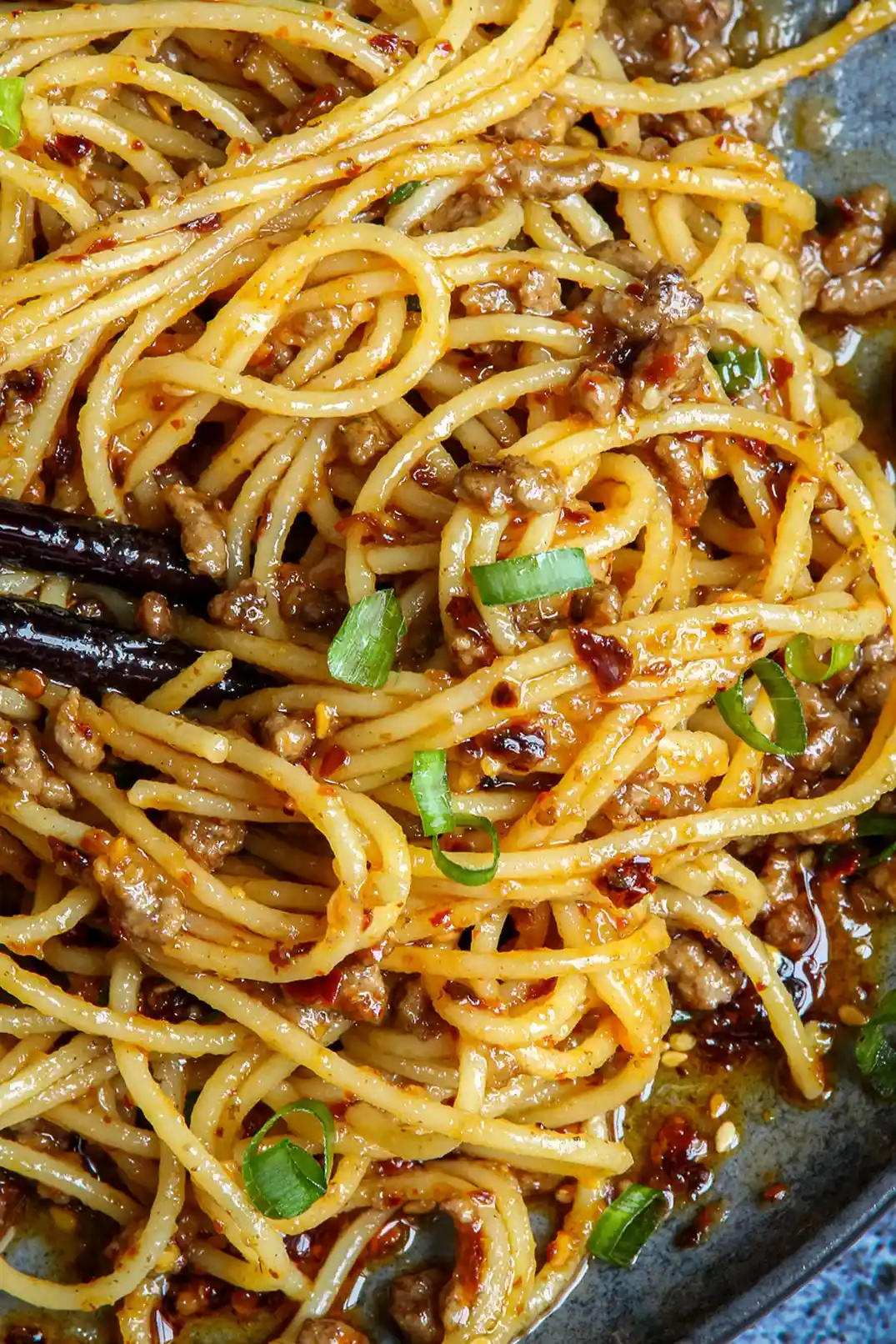
List of ingredients
- 2 tablespoon oil – used for sautéing the beef.
- 250 g ground beef – the primary protein source.
- 2 tablespoon soy sauce – provides saltiness and depth.
- 1 teaspoon grated ginger – adds a fresh, zesty aroma.
- 2 teaspoon White pepper powder – provides a light, clean heat; adjust to preference.
- 2 tablespoon corn flour (corn starch) – used as a thickening agent for the sauce.
- 2 tablespoon spring onion (chopped) – used for garnish and fresh flavor.
- 120 g vermicelli – the noodle base; can be adjusted based on appetite.
- 2 tablespoon Chinese dark vinegar (optional) – adds a tangy, acidic finish.
- 2 tablespoon Chinese chilli oil (optional) – adds spice and richness.
step-by-step instructions
- Brown the Beef: Heat the oil in a sauce pan over medium heat. Add the ground beef, break it apart with a spatula, and cook until it is slightly browned.
- Season the Meat: Stir in the grated ginger and soy sauce. Stir-fry for 10-15 seconds to caramelize the soy sauce and enhance the flavors.
- Simmer the Sauce: Pour in 1 cup of water and stir in the white pepper powder. Cover the pan with a lid and simmer for 10 minutes, adding more water if the liquid evaporates too quickly.
- Prepare the Noodles: While the beef simmers, boil a large pot of salted water. Cook the vermicelli according to the package instructions until al dente, then drain and set aside.
- Thicken the Sauce: Whisk 2 tablespoons of corn flour with 1/2 cup of water to create a slurry. Pour the slurry into the simmering beef sauce and stir constantly until the sauce thickens evenly.
- Combine and Serve: Toss the cooked noodles into the beef sauce until well coated. Plate the dish and top with chopped spring onions, optional Chinese dark vinegar, and optional chilli oil.
Mastering the Cooking Process
Achieving the Perfect Beef Brown
Ensure the pan is well-heated before adding the ground beef to prevent sticking and promote browning. Use a stainless steel or cast-iron pan to achieve a better sear, which develops a deeper flavor through the Maillard reaction. Avoid overcrowding the pan to ensure the meat browns rather than steams.
The Role of Simmering
Simmering the beef in water and seasonings for 10 minutes allows the flavors of the ginger and white pepper to penetrate the meat. This step tenderizes the ground beef and creates a flavorful base for the sauce. Keep the lid on to maintain a consistent temperature and prevent excessive evaporation.
Timing the Noodle Boil
Cook the vermicelli in a separate pot of salted water to avoid releasing too much starch into the beef sauce. Aim for ‘al dente’ texture, meaning the noodles still have a slight bite, as they will cook further when tossed in the hot sauce. Always rinse or strain thoroughly to remove excess surface starch.
Essential Ingredient Substitutions
Alternative Noodle Options
While vermicelli provides a texture similar to hand-pulled noodles, you can use spaghetti, linguine, or thick udon noodles. If using rice noodles, reduce the boiling time significantly to prevent them from becoming mushy. Thicker noodles may require a slightly larger amount of sauce to ensure full coverage.
Soy Sauce Replacements
For a gluten-free version, replace soy sauce with tamari or coconut aminos. Tamari offers a similar salty profile, while coconut aminos are slightly sweeter and lower in sodium. Adjust the amount of added salt or white pepper if using a sweeter substitute.
Replacing Fresh Ginger
If fresh ginger is unavailable, use 1/2 teaspoon of ground ginger powder. Note that powdered ginger is more concentrated, so using a full teaspoon may overpower the dish. Alternatively, a small amount of ginger paste from a tube can work well.
White Pepper vs Black Pepper
White pepper is preferred in Chinese cuisine for its sharp, clean heat and pale color. If you only have black pepper, it can be used as a direct substitute, though it will add a more pungent, woody aroma. Start with 1 teaspoon of black pepper and adjust to taste.
Cornstarch Alternatives
If you do not have corn flour, arrowroot powder or potato starch can be used as thickeners. Mix them with cold water first to avoid lumps before adding them to the hot sauce. Be aware that arrowroot may create a clearer, glossier sauce than cornstarch.
Flavor and Texture Variations
Adding Nutrient-Dense Vegetables
Incorporate shredded carrots or finely diced celery during the browning phase for extra texture. For greens, stir in baby spinach or chopped bok choy during the final minute of simmering. This adds color and nutritional value without altering the core flavor profile.
Enhancing the Umami Profile
To deepen the savory taste, add a teaspoon of mushroom powder or a small amount of oyster sauce. These ingredients increase the glutamate levels, making the sauce taste richer and more complex. Balance these additions by tasting the sauce before adding the final soy sauce amount.
Adjusting Heat and Spice Levels
For those who prefer more heat, increase the white pepper powder or add dried red chili flakes during the stir-fry step. To keep the dish mild for children, omit the white pepper entirely and skip the optional chili oil. The ginger provides a mild warmth that is generally acceptable for all ages.
Creating a Creamier Sauce
To achieve a creamier consistency, you can stir in a tablespoon of unsalted butter at the very end of the thickening process. This emulsifies the sauce and gives it a velvety mouthfeel. Alternatively, a small amount of coconut cream can be added for a slight tropical twist.
Professional Serving Suggestions
Garnish Options for Freshness
Beyond spring onions, try garnishing with toasted sesame seeds or thinly sliced red chilies for color. A sprinkle of fresh cilantro or mint can add a bright, herbaceous contrast to the rich beef. Always add fresh garnishes immediately before serving to keep them crisp.
Optimal Plating Techniques
Use tongs to twirl the noodles into a high mound in the center of the bowl to create height. Spoon the remaining beef and sauce over the top of the noodles to ensure every bite is seasoned. Serve in wide, shallow bowls to keep the noodles warm while allowing easy access to the sauce.
Complementary Side Dish Pairings
Pair these noodles with a side of smashed cucumber salad dressed in garlic and sesame oil. A bowl of steamed broccoli or sautéed snap peas provides a necessary crunch and freshness. For a more filling meal, serve with a side of steamed jasmine rice.
Storage and Meal Prep Guidelines
Proper Refrigeration Methods
Store leftovers in an airtight container in the refrigerator for up to three days. It is best to store the noodles and sauce together, as the noodles will absorb the flavor over time. Ensure the dish is cooled slightly before sealing the lid to prevent excessive condensation.
Long-term Freezer Storage
This dish can be frozen for up to two months, although the noodle texture may change. To freeze, undercook the noodles slightly before combining them with the sauce. Store in freezer-safe bags, removing as much air as possible to prevent freezer burn.
Maintaining Noodle Texture
To prevent noodles from clumping during storage, ensure they are thoroughly coated in the sauce. If storing noodles separately from the sauce, toss the noodles in a teaspoon of oil after draining. This creates a barrier that prevents them from sticking together in the fridge.
Precise Reheating Instructions
Stovetop Reheating Method
Place the noodles in a skillet over medium-low heat. Add 1-2 tablespoons of water or beef broth to loosen the thickened cornstarch sauce. Stir gently until heated through to avoid breaking the noodles.
Microwave Recovery Tips
Microwave the dish in a microwave-safe container with a damp paper towel covering the top. This creates steam, which prevents the noodles from drying out and keeps the sauce smooth. Heat in 30-second intervals, stirring in between.
Oven Heating Options
Transfer the noodles to a baking dish and cover tightly with foil to trap moisture. Heat at 300 degrees Fahrenheit (150 degrees Celsius) for about 10-15 minutes. This method is slower but provides a more uniform heat distribution for larger portions.
Common Cooking Troubleshooting
Correcting Overly Salty Sauce
If the sauce is too salty due to the soy sauce, add a pinch of sugar or a teaspoon of honey to balance the flavor. You can also add a splash of water or unsalted beef broth to dilute the saltiness. If the saltiness persists, add more noodles or vegetables to the dish.
Fixing Grainy Cornstarch Slurries
Graininess occurs when cornstarch is added directly to hot liquid without being mixed with cold water first. To fix a lumpy sauce, you can briefly pulse it with an immersion blender or strain it through a fine-mesh sieve. In the future, always ensure the slurry is completely smooth before pouring it into the pan.
Managing Watery Noodles
If the final dish is too watery, simmer the sauce for an additional 2-3 minutes without the lid. You can also mix a small additional amount of cornstarch slurry and stir it in over medium heat. Be careful not to over-thicken, or the sauce will become gluey.
Preventing Beef Clumping
To avoid large chunks of beef, use a wooden spoon or meat masher to break the meat apart as soon as it hits the pan. Do not let the meat sit undisturbed for too long. Constant stirring during the first few minutes of browning ensures a fine, consistent crumble.
Frequently Asked Questions
What is Chinese black vinegar?
Chinese black vinegar is a specialty vinegar made from glutinous rice, sweet rice, and wheat. It has a complex, malty flavor that is less sharp than white vinegar and more similar to a balsamic reduction. The ZhenJiang variety is the most common type used in traditional recipes.
Is corn flour the same as corn starch?
In the context of this recipe and many Asian recipes, corn flour refers to corn starch. It is a fine, white powder derived from corn that is used specifically to thicken sauces and liquids. It is different from maize flour, which is used for baking.
Where can I find Chinese chili oil?
Chinese chili oil is widely available in the international aisle of most supermarkets or at dedicated Asian grocery stores. Laoganma is a popular and widely available brand. You can also make it at home by heating oil and pouring it over a mixture of chili flakes and aromatics.
Why add the vinegar and chili oil after cooking?
Adding these ingredients at the end preserves their volatile flavors and allows each person to customize the acidity and spice levels. Since vinegar can lose its tang when boiled and chili oil can become too intense, adding them as a finish ensures the best taste.
Print
Savory Asian Ground Beef Noodles
- Total Time: 20 minutes
- Yield: 2 servings 1x
- Diet: Low Lactose
Description
This ground beef noodles is loaded with Asian flavours. A quick yet satisfying one pot recipe.
Ingredients
- 2 tablespoon oil
- 250 g ground beef
- 2 tablespoon soy sauce
- 1 teaspoon grated ginger
- 2 teaspoon White pepper powder
- 2 tablespoon corn flour
- 2 tablespoon spring onion, chopped
- 120 g vermicelli
- 2 tablespoon Chinese dark vinegar (optional)
- 2 tablespoon Chinese chilli oil (optional)
Instructions
- Step 1: In a sauce pan heat the oil and ground beef over medium heat. Break the meat apart. Cook until slightly browned.
- Step 2: Add in the grated ginger and soy sauce, and stir fry for 10-15 seconds. Add 1 cup of water and white pepper powder. Put a lid on and simmer for 10 minutes. Add more water if it evaporates too much.
- Step 3: Boil the noodles in a large pot of boiling salted water according to packet instructions until al dente. Remove; strain and set aside.
- Step 4: Mix the corn flour with 1/2 cup of water and pour into the beef sauce. Stir until evenly thickening.
- Step 5: Toss in the cooked noodles and then serve with spring onions on the top. Add the Chinese dark vinegar and chilli oil if desired.
Notes
Add the soy sauce to the pan-fried beef and stir fry for 10 seconds to caramelize the soy sauce and bring out the toasty and sweet flavors. Vermicelli pasta has a similar texture to Chinese hand-pulled noodles, but any noodles can be used for this recipe.
- Prep Time: 5 minutes
- Cook Time: 15 minutes
- Category: Main Course
- Method: Stir Fry
- Cuisine: Chinese
Nutrition
- Serving Size: 1 serving
- Calories: 708 kcal
- Sugar: 1 g
- Sodium: 1201 mg
- Fat: 40 g
- Saturated Fat: 11 g
- Unsaturated Fat: 25 g
- Trans Fat: 2 g
- Carbohydrates: 58 g
- Fiber: 2 g
- Protein: 26 g
- Cholesterol: 89 mg