
This hearty chicken stew is a practical one-pot meal that combines tender poultry with root vegetables for a satisfying dinner. It is designed for quick preparation while delivering the depth of flavor typically found in slow-cooked dishes.
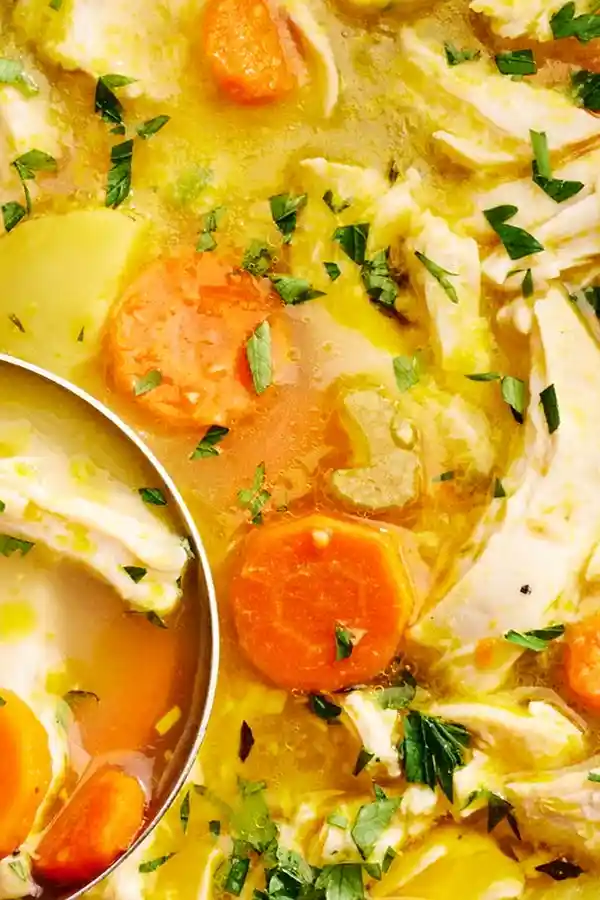
List of ingredients
- 2 tbsp. butter – used for sautéing vegetables.
- 2 large carrots, peeled and sliced into coins – adds sweetness and texture.
- 1 stalk celery, chopped – provides a savory base flavor.
- Kosher salt – used for seasoning.
- Freshly ground black pepper – adds a mild spice.
- 3 cloves garlic, minced – adds aromatic depth.
- 1 tbsp. all-purpose flour – acts as a thickening agent.
- 1 1/2 lb. boneless skinless chicken breasts – the primary protein source.
- 3 sprigs fresh thyme – provides earthy herbal notes.
- 1 bay leaf – adds a subtle floral background.
- 3/4 lb. baby potatoes, quartered – adds heartiness and starch.
- 3 c. low-sodium chicken broth – the base liquid for the stew.
- Freshly chopped parsley, for garnish – adds a fresh finish.
step-by-step instructions
- Sauté Vegetables: In a large pot over medium heat, melt butter. Add carrots and celery and season with salt and pepper. Cook, stirring often, until vegetables are tender, about 5 minutes.
- Add Aromatics: Add minced garlic to the pot and cook until fragrant, which should take about 30 seconds.
- Thicken and Simmer: Add flour and stir until vegetables are coated. Add chicken, thyme, bay leaf, potatoes, and broth. Season with salt and pepper. Bring the mixture to a simmer and cook until the chicken is no longer pink and potatoes are tender, approximately 15 minutes.
- Shred Chicken: Remove the pot from heat and transfer the chicken to a medium bowl. Using two forks, shred the chicken into small pieces.
- Final Assembly: Return the shredded chicken to the pot. Garnish with freshly chopped parsley before serving.
Optimizing Your Vegetable Base
Slicing Carrots for Even Cooking
Cut your carrots into consistent coin shapes about a quarter-inch thick. This ensures that all pieces soften at the same rate and prevents some from remaining hard while others overcook.
Incorporating Diced Onions
While the original recipe focuses on carrots and celery, adding half a diced yellow onion provides a deeper savory foundation. Sauté the onion along with the carrots and celery until translucent.
Adding Frozen Peas or Corn
To increase the nutrient density and color of the stew, stir in half a cup of frozen peas or corn during the last five minutes of simmering. These vegetables cook quickly and maintain a bright color.
Managing Garlic to Prevent Burning
Always add minced garlic after the harder vegetables have softened. Garlic burns quickly at medium heat, which can create a bitter taste in the final broth.
Chicken Selection and Preparation
Benefits of Boneless Skinless Breasts
Chicken breasts are lean and easy to shred once cooked. They absorb the flavors of the broth and thyme efficiently during the short simmering window.
Switching to Chicken Thighs
For a richer taste and more moisture, you can substitute breasts with boneless skinless chicken thighs. Thighs are more forgiving if you simmer the stew slightly longer than 15 minutes.
The Proper Way to Shred Chicken
Using two forks allows you to pull the meat apart along the natural grain of the muscle. This creates small, irregular pieces that distribute evenly throughout the stew.
Ensuring Chicken is Fully Cooked
Check that the thickest part of the chicken breast is opaque and no longer pink. Using a meat thermometer to ensure it reaches 165 degrees Fahrenheit is the safest method.
Achieving the Perfect Stew Consistency
The Role of All-Purpose Flour
Stirring flour into the sautéed vegetables creates a roux-like effect. This prevents the flour from clumping when the broth is added and gives the stew a velvety body.
Using a Cornstarch Slurry
If you prefer a gluten-free option, omit the flour and use a cornstarch slurry. Mix one tablespoon of cornstarch with two tablespoons of cold water, then stir it into the stew during the final minutes of cooking.
Reducing the Broth for Thickness
If the stew is too thin, simmer it uncovered for an additional 5 to 10 minutes. This allows some of the water to evaporate, concentrating the flavors and thickening the liquid.
Avoiding Flour Clumps
Ensure the flour is thoroughly stirred into the butter and vegetables before adding the liquid. If clumps form, you can whisk the stew vigorously or use an immersion blender for a few seconds.
Potato Varieties and Texture
Why Baby Potatoes Work Best
Baby potatoes have a waxy texture that helps them hold their shape during simmering. They provide a consistent bite and do not dissolve into the broth as easily as other varieties.
Using Yukon Gold Potatoes
Yukon Golds are an excellent alternative because they offer a buttery flavor and a medium starch content. They provide a slightly creamier consistency to the overall stew.
Handling Russet Potatoes
Russet potatoes are very starchy and may break down, which naturally thickens the stew. If using Russets, cut them into larger chunks to prevent them from becoming mushy.
Preventing Potatoes from Breaking Down
Avoid over-stirring the pot once the potatoes have been added. Excessive agitation can break the edges of the potatoes, leading to a cloudy broth.
Herb and Seasoning Enhancements
Converting Fresh Thyme to Dried
If fresh thyme is unavailable, use dried thyme in a smaller quantity. A general rule is that one teaspoon of dried herbs equals one tablespoon of fresh herbs.
The Impact of the Bay Leaf
The bay leaf adds a subtle woody note that balances the richness of the butter and chicken. Remember to remove the leaf before serving as it remains tough and is not for consumption.
Balancing Salt and Pepper
Season the vegetables early to build layers of flavor. Taste the broth just before serving to determine if additional salt is needed, especially if using low-sodium broth.
Using Fresh Parsley for Brightness
Freshly chopped parsley adds a clean, peppery finish that cuts through the richness of the stew. Always add it at the very end to preserve its color and volatile oils.
Serving and Pairing Recommendations
Pairing with Warm Biscuits
Flaky buttermilk biscuits provide a textural contrast to the soft vegetables and chicken. They are ideal for soaking up the thickened broth.
Adding a Side of Spinach Salad
A fresh spinach salad with a lemon vinaigrette offers a bright acidity that balances the savory nature of the stew. This helps cleanse the palate between bites.
Serving Over Mashed Potatoes
For an extra-hearty meal, serve the stew over a bed of creamy mashed potatoes. This turns the dish into a thick porridge-like comfort meal.
Choosing the Right Crusty Bread
A toasted baguette or a piece of sourdough bread is a classic accompaniment. The crunch of the bread complements the tenderness of the shredded chicken.
Storage and Food Safety
Refrigerator Storage Limits
Store leftover stew in an airtight container in the refrigerator for up to three days. Ensure the stew is cooled before sealing to prevent condensation and spoilage.
Guidelines for Freezing Stew
This stew can be frozen for up to three months. However, the potatoes may change texture and become slightly grainier upon thawing.
Safe Cooling Procedures
Divide large batches of stew into smaller, shallow containers before refrigerating. This allows the food to cool faster, reducing the risk of bacterial growth in the center of the pot.
Airtight Container Selection
Use glass or BPA-free plastic containers with secure lids. This prevents the stew from absorbing other odors in the fridge and keeps the liquid from leaking.
Reheating for Best Results
Stovetop Reheating Method
Place the stew in a pot over medium-low heat. Stir occasionally and cover with a lid to maintain moisture until the stew is heated through.
Microwave Reheating Tips
Transfer the stew to a microwave-safe bowl and cover it with a damp paper towel. Heat in one-minute intervals, stirring in between to ensure even heat distribution.
Adjusting Liquid Levels After Storage
The stew may thicken significantly in the fridge as the potatoes absorb more broth. Add a splash of chicken broth or water when reheating to restore the original consistency.
Common Stew Troubleshooting
Fixing a Watery Stew
If the stew lacks body, simmer it for a few more minutes without a lid. Alternatively, mash a few of the cooked potato chunks directly into the broth to release their natural starches.
Correcting Over-Salted Broth
If the stew is too salty, add a peeled, halved potato and simmer for 10 minutes to absorb some excess salt. You can also stir in a small amount of unsalted broth or water.
Addressing Tough Chicken Pieces
Tough chicken usually results from overcooking the breasts. To fix this, ensure you are shredding the meat finely, which makes it easier to eat even if it is slightly overdone.
Preventing Burnt Vegetables
If the butter begins to brown too quickly, lower the heat immediately. Add a tablespoon of water or broth to deglaze the pan and prevent the vegetables from sticking.
Frequently Asked Questions
Can I use a slow cooker?
Yes, you can adapt this for a slow cooker. Sauté the vegetables and flour first on the stove, then add all ingredients to the crockpot and cook on low for 6-8 hours.
How do I make it dairy-free?
Replace the butter with an equal amount of olive oil or a plant-based butter substitute. The flavor profile will remain very similar while removing the dairy.
Can I use frozen vegetables?
You can use frozen carrots and celery, though they may release more water. Sauté them slightly longer to evaporate the excess moisture before adding the flour.
Is this stew suitable for meal prep?
Yes, this recipe is excellent for meal prep. It maintains its flavor and texture well when stored and reheated throughout the work week.
Print
Hearty One-Pot Chicken Stew
- Total Time: 45 minutes
- Yield: 4 servings 1x
- Diet: Nut-free
Description
Classic comfort food, chicken stew is an easy and hearty solution when you’re feeling under the weather.
Ingredients
- 2 tbsp. butter
- 2 large carrots, peeled and sliced into coins
- 1 stalk celery, chopped
- Kosher salt
- Freshly ground black pepper
- 3 cloves garlic, minced
- 1 tbsp. all-purpose flour
- 1 1/2 lb. boneless skinless chicken breasts
- 3 sprigs fresh thyme
- 1 bay leaf
- 3/4 lb. baby potatoes, quartered
- 3 cups low-sodium chicken broth
- Freshly chopped parsley, for garnish
Instructions
- Step: In a large pot over medium heat, melt butter. Add carrots and celery and season with salt and pepper. Cook, stirring often, until vegetables are tender, about 5 minutes. Add garlic and cook until fragrant, about 30 seconds.
- Step: Add flour and stir until vegetables are coated, then add chicken, thyme, bay leaf, potatoes, and broth. Season with salt and pepper. Bring mixture to a simmer and cook until the chicken is no longer pink and potatoes are tender, 15 minutes.
- Step: Remove from heat and transfer chicken to a medium bowl. Using two forks, shred chicken into small pieces and return to pot.
- Step: Garnish with parsley before serving.
Notes
You can use dried thyme (about 1/2 teaspoon) instead of fresh. Leftovers can be stored in an airtight container in the fridge for around 3 days.
- Prep Time: 10 minutes
- Cook Time: 35 minutes
- Category: Main Dish
- Method: Stewing
- Cuisine: American
Nutrition
- Serving Size: 1 serving
- Calories: 384 kcal
- Sugar: 6 g
- Sodium: 780 mg
- Fat: 12 g
- Saturated Fat: 7 g
- Unsaturated Fat: 5 g
- Trans Fat: 0 g
- Carbohydrates: 28 g
- Fiber: 4 g
- Protein: 36 g
- Cholesterol: 95 mg