
This slow cooker beef recipe transforms an economical cut of meat into a tender meal with a rich, savory gravy. It is a practical solution for busy schedules, providing a hearty dinner with minimal active preparation time.
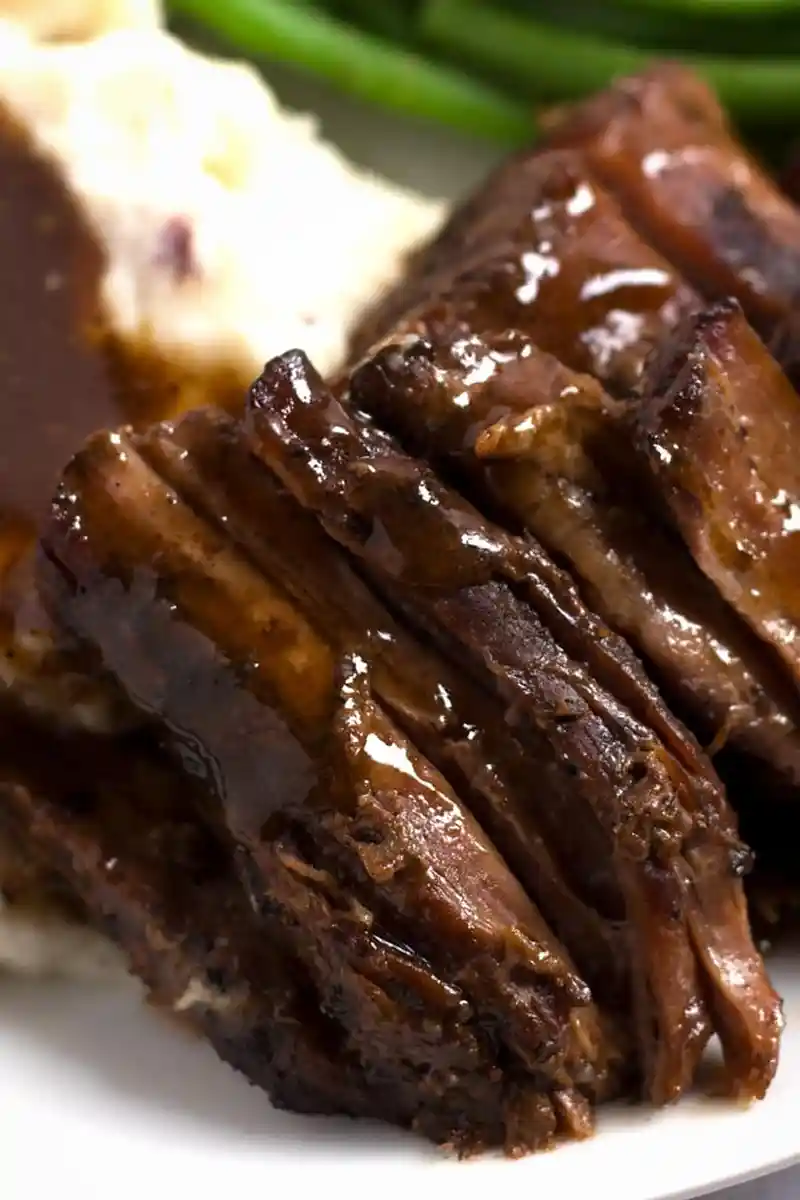
List of ingredients
- Oil – used for coating the meat and searing.
- 3 lb chuck roast (trimmed if needed) – the primary protein source.
- 2 tbsp steak seasoning – for robust flavor.
- 1 tbsp dried thyme – adds an earthy herb note.
- 1 cup beef broth – serves as the braising liquid.
- 1/3 cup water – used to create the thickening slurry.
- 1 tbsp cornstarch – to thicken the final gravy.
- 2 lbs potatoes (optional) – for a complete one-pot meal.
- 1 lb carrots (optional) – adds sweetness and texture.
- 1 yellow onion (optional) – provides an aromatic base.
- 1 tbsp steak seasoning (optional) – for seasoning the vegetables.
- 1.5 tsp thyme (optional) – for seasoning the vegetables.
step-by-step instructions
- Season the Meat: Coat each side of the roast with oil. In a small bowl, mix the steak seasoning and thyme, then liberally apply this mixture to both sides of the beef.
- Sear for Flavor: Heat a large cast iron skillet over high heat. Once the pan is hot, sear each side of the roast for 2-3 minutes until a golden crust forms. Transfer the seared roast into the slow cooker.
- Deglaze the Pan: Pour the beef broth into the hot skillet. Let the broth simmer for one minute while scraping the browned bits (fond) off the bottom of the pan. Pour all the liquid from the skillet over the roast in the slow cooker.
- Prepare Vegetables (Optional): Wash, peel, and cut potatoes, carrots, and onions into large pieces. Place them in a bowl, drizzle with oil, and toss with the optional steak seasoning and thyme. Layer the vegetables on top of the roast.
- Slow Cook: Set the slow cooker to low for 7-8 hours or high for 3.5-4 hours. Using the low setting is recommended for maximum tenderness.
- Thicken the Gravy: About an hour before the cooking time ends, check for tenderness with a fork. Dissolve the cornstarch in water to create a smooth slurry, then pour it into the liquid in the slow cooker. Stir well to combine.
- Final Cook: Cover the slow cooker and cook for one additional hour, or until the roast is tender enough to fall apart easily.
- Reduce Excess Liquid: If the gravy is not thick enough to coat the back of a spoon, leave the lid off and set the cooker to high while preparing the meat for serving. This allows extra water to evaporate.
- Final Prep: Carefully move the meat to a cutting board. Gently separate the meat from any large fatty sections and discard the fat. Return the meat chunks to the slow cooker or place them on a platter.
Selecting the Best Beef
Why Chuck Roast is Ideal
Chuck roast comes from the shoulder area of the cow, which is a hard-working muscle. This means it contains a high amount of connective tissue and collagen. During the long, slow cooking process, this collagen breaks down into gelatin, which creates the ‘fall-apart’ texture and a rich mouthfeel.
Chuck vs Rump Roast
While rump roast is another common choice, it is generally leaner and tougher than chuck. Because it lacks the significant marbling found in chuck, rump roast can become dry or chewy if overcooked. For a succulent result that remains moist over many hours, chuck is the superior option.
Identifying Good Marbling
When shopping for your roast, look for a piece of meat with thin white streaks of fat running through the muscle. This is called intramuscular fat, or marbling. Avoid pieces with only a thick outer layer of fat, as this does not contribute as much to the internal tenderness of the meat.
Searing and Deglazing Techniques
The Importance of a High-Heat Sear
Searing the meat before putting it in the slow cooker is not just about color; it creates a complex flavor profile through the Maillard reaction. This chemical reaction between amino acids and reducing sugars gives the beef a deep, savory taste that cannot be replicated by slow cooking alone.
Choosing the Right Skillet
A cast iron skillet is the best tool for this recipe because it retains heat exceptionally well, ensuring the meat sears rather than steams. Non-stick pans can also work, but stainless steel requires precise temperature control to prevent the meat from sticking too aggressively to the surface.
Capturing the Fond
The brown bits stuck to the bottom of the pan after searing are known as ‘fond’. This is concentrated flavor. By adding beef broth to the hot pan and scraping those bits up, you incorporate all that intensity into the braising liquid, significantly improving the final taste of the gravy.
Slow Cooker Heat Management
Low Heat vs High Heat
Cooking on low for 7-8 hours is generally preferred over the high setting. The slower rise in temperature allows the connective tissues to break down more gently, resulting in a more tender meat. High heat can sometimes cause the muscle fibers to contract too quickly, potentially leading to a tougher texture.
Checking for Doneness
The most reliable way to tell if a pot roast is finished is the fork test. Insert a fork into the thickest part of the meat and twist slightly. If the meat resists or feels springy, it needs more time. It is done when it offers almost no resistance and begins to shred.
Avoiding Overcrowding
If you are doubling the recipe for a large group, avoid putting both roasts in one small slow cooker. Overcrowding prevents the heat from circulating evenly and can lead to unevenly cooked meat or a watery sauce. Use two separate slow cookers to maintain quality.
Optimizing Vegetable Add-ins
Selecting the Right Potatoes
Yukon Gold and Red potatoes are excellent choices for slow cooking because they hold their shape well. Russet potatoes are starchier and more likely to break down, which can thicken the sauce but may result in a mushy texture if they are cut too small.
Preventing Mushy Carrots
Carrots cook faster than beef and potatoes. To prevent them from becoming overly soft, cut them into large, thick chunks. If you are using baby carrots, consider adding them during the last 3 hours of cooking rather than at the beginning.
Managing Onion Aromatics
Yellow onions provide a balanced sweetness and depth. For the best results, cut the onion into thick wedges. This allows them to soften and flavor the gravy without completely dissolving into the sauce.
Perfecting the Gravy
Creating a Lump-Free Slurry
Never add cornstarch directly to the hot liquid in the slow cooker, as it will clump instantly. Always whisk the cornstarch into cold water first to create a slurry. This ensures the starch granules are separated, allowing them to dissolve evenly into the gravy.
Adjusting the Final Consistency
If the gravy is too thin after the final hour, the most effective method is evaporation. Removing the lid and increasing the heat to high allows steam to escape, which concentrates the liquid and thickens the sauce naturally.
Balancing the Saltiness
Since steak seasonings and beef broths vary in salt content, taste the gravy before adding any extra salt. If the gravy tastes too salty, you can add a small amount of water or a splash of apple cider vinegar to balance the flavors.
Serving and Storage
Managing Excess Fat
While fat provides flavor during the cooking process, too much of it can make the final dish feel greasy. Placing the roast on a cutting board allows you to identify and remove the large, unappetizing fatty sections before serving.
Recommended Side Pairings
This dish is naturally complemented by creamy mashed potatoes, which soak up the rich gravy. Steamed green beans, roasted Brussels sprouts, or a crusty piece of sourdough bread are excellent additions to balance the richness of the beef.
Refrigeration and Shelf Life
Store leftover roast and gravy in an airtight container in the refrigerator for 3 to 4 days. Keep the meat submerged in the gravy to prevent it from drying out during storage.
Proper Reheating Methods
The best way to reheat pot roast is gently. Use a microwave on medium power or place the meat and gravy in a small pot on the stove over low heat. Adding a tablespoon of water or broth can help restore the moisture lost during refrigeration.
Freezing Raw Prepared Meat
You can prep this meal in advance by seasoning the roast and wrapping it tightly in plastic wrap and foil. Store it in the freezer for several months. Thaw the roast in the refrigerator for 24 hours before searing and cooking.
Common Troubleshooting
Why is my meat tough?
Toughness usually occurs because the meat has not cooked long enough for the collagen to break down, or it was cooked at too high a temperature too quickly. If the meat is tough, continue cooking on low for another hour.
How do I fix a watery sauce?
If the sauce is too thin, you can either simmer it with the lid off or create a second, smaller cornstarch slurry. Stir in the slurry and cook for another 30 minutes to reach the desired thickness.
What if the meat is too dry?
Dryness in a slow cooker usually happens from overcooking or using a cut of meat with too little fat. Ensure you are using a chuck roast and avoid cooking the meat past the point where it naturally shreds.
Print
Slow Cooker Fall-Apart Chuck Roast
- Total Time: 8 hours 20 minutes
- Yield: 6 servings 1x
- Diet: General
Description
Season, Sear, Pour, and Go! This Crock Pot Chuck Roast recipe is slow cooker magic! Start with an economical piece of meat and transform it into a succulent and hearty pot roast bathed in a simple gravy.
Ingredients
- oil
- 3 lb chuck roast (trimmed if needed)
- 2 tbsp steak seasoning
- 1 tbsp dried thyme
- 1 cup beef broth
- ⅓ cup water
- 1 tbsp cornstarch
- 2 lbs potatoes (optional)
- 1 lb carrots (optional)
- 1 yellow onion (optional)
- 1 tbsp steak seasoning (optional)
- 1½ tsp thyme (optional)
Instructions
- Step: Coat each side of the roast with oil. Combine steak seasoning and thyme in a small bowl. Liberally season both sides of the roast.
- Step: Heat a large cast iron skillet over high heat. Once the skillet is hot, sear each side of the roast for 2-3 minutes. Place roast in slow cooker.
- Step: Pour beef broth into skillet. Allow broth to simmer for one minute. Scrape the bits up off the bottom of the skillet. Pour all liquid from skillet into the slow cooker.
- Step: If using vegetables wash, peel, and cut them into large pieces. Add them to a large bowl, then drizzle with a little bit of oil. Sprinkle on seasonings and mix until evenly distributed. Top the roast with the vegetables.
- Step: Cook on low for approximately 7-8 hours or high for 3.5-4 hours.
- Step: Around hour 7-8 (or 3.5-4 if your slow cooker is on high) begin checking for tenderness with a fork. Once the roast just begins to fall apart around the edges, dissolve the cornstarch in the water and pour into the liquid left in the slow cooker. Stir well to combine. Cover and allow to cook for 1 more hour, or until the roast is super tender.
- Step: After an hour, the gravy should be thick enough to coat the back of a spoon. If it isn’t leave the slow cooker on high with the lid off while you prepare the meat in the next step.
- Step: Before serving, carefully remove meat from slow cooker and place onto a cutting board. Gently separate the meat form the fatty sections. Discard the fat. Place the large chunks of meat on a platter or back in slow cooker to serve.
Notes
Use a well-seasoned cast iron skillet for the best sear. Dissolve all cornstarch in water before adding to the hot liquid to avoid clumpy gravy. Trim the meat before seasoning if it has too much fat around the outer edge.
- Prep Time: 20 minutes
- Cook Time: 8 hours
- Category: Dinner, Main Course
- Method: Slow Cooking
- Cuisine: American
Nutrition
- Serving Size: 1 serving
- Calories: 425 kcal
- Sugar: 1 g
- Sodium: 334 mg
- Fat: 26 g
- Saturated Fat: 12 g
- Unsaturated Fat: 14 g
- Trans Fat: 0 g
- Carbohydrates: 3 g
- Fiber: 1 g
- Protein: 44 g
- Cholesterol: 156 mg