
This fast lemon caper pasta comes together in just 20 minutes using a few pantry staples. It serves as a bright, citrusy main course or an elegant accompaniment to seafood and poultry.
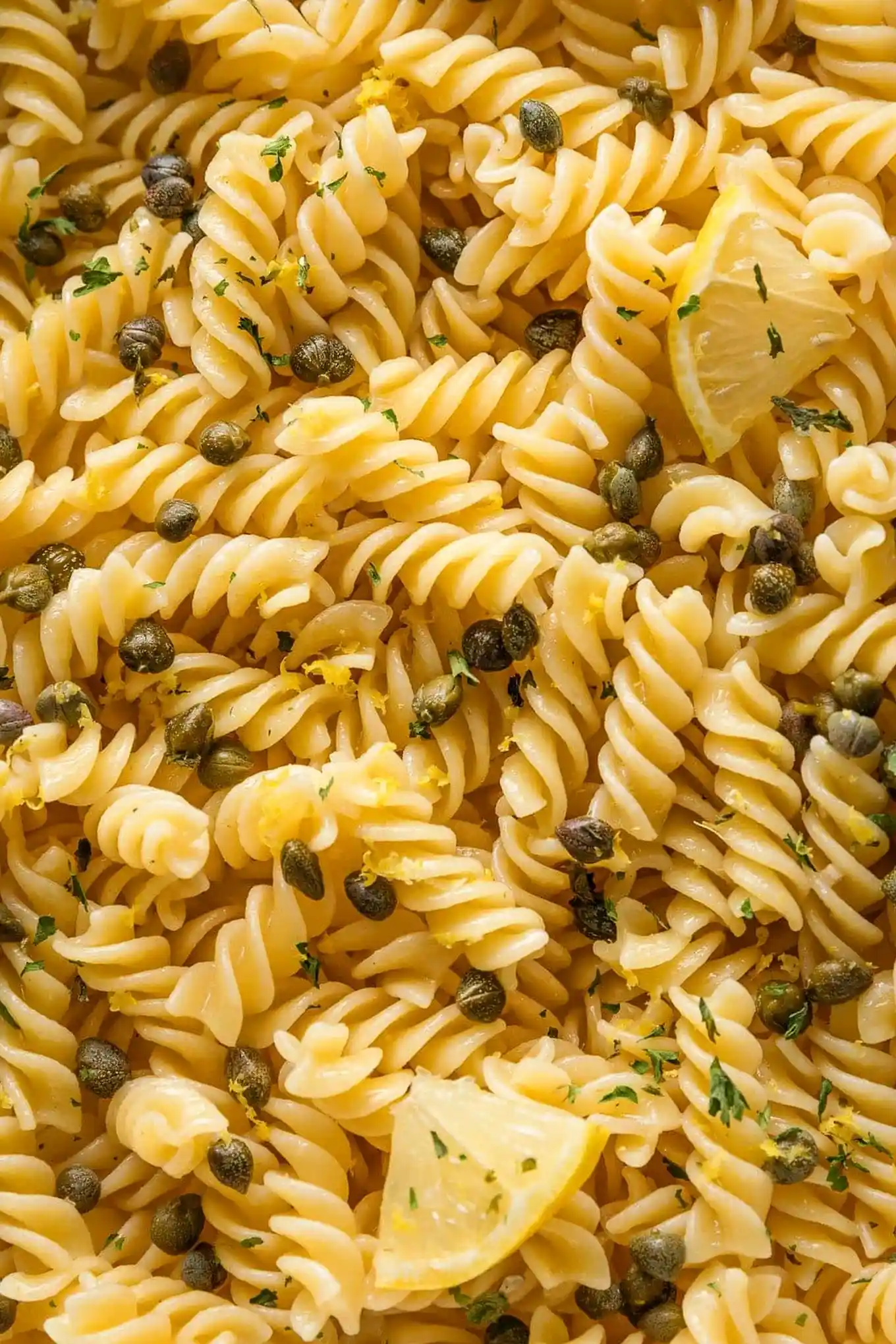
List of ingredients
- 8 ounces pasta (any shape) – use shells or rotini to capture more sauce.
- 2 Tablespoons butter (divided) – provides richness and helps emulsify the sauce.
- 2 Tablespoons olive oil – prevents butter from burning and adds a fruity note.
- 3-4 cloves garlic (minced) – adds a pungent, aromatic base.
- 1/4 cup low-sodium vegetable broth – provides a savory depth without alcohol.
- Zest and juice of 1 lemon – provides the primary bright, acidic flavor.
- 1-2 Tablespoons capers – adds a salty, briny pop to each bite.
- Kosher salt and black pepper (to taste) – adjust carefully due to the salty capers.
- 1-2 Tablespoons chopped fresh parsley (or 1-2 teaspoons dried) – adds color and a fresh herb finish.
step-by-step instructions
- Boil the Pasta: Bring a large pot of heavily salted water to a boil. Cook the pasta until it reaches an al dente texture according to the package directions. Before draining, reserve about 1/2 cup of the starchy pasta water, then drain the rest and set the pasta aside.
- Sauté the Aromatics: Place a large skillet over medium heat and melt 1 Tablespoon of butter. Swirl in the olive oil and add the minced garlic, cooking for 30-60 seconds until the garlic is fragrant but not browned.
- Reduce the Base: Pour in the vegetable broth. Simmer the liquid for 1-2 minutes until it has slightly reduced in volume.
- Emulsify the Sauce: Stir in the remaining 1 Tablespoon of butter, the lemon zest, the juice from half of the lemon (approximately 1 to 1.5 Tablespoons), the capers, and a generous splash of the reserved pasta water. Simmer for about 1 minute to combine.
- Combine and Toss: Add the drained pasta to the skillet and toss thoroughly to coat the noodles. If the sauce seems too thick, add more reserved pasta water until the desired sauciness is achieved.
- Final Seasoning: Taste the pasta and add the remaining lemon juice, salt, and pepper as needed. Be cautious with salt as capers are naturally salty.
- Garnish: Sprinkle the chopped parsley over the dish immediately before serving.
Optimizing Pasta Shape Selection
Using Short Intricate Pasta
Shapes like shells, rotini, or fusilli are highly effective for this recipe. The curves and spirals trap the small capers and the buttery sauce, ensuring every bite is flavorful. This prevents the sauce from simply sliding off the noodle.
Choosing Long Strand Pasta
Spaghetti, linguine, or angel hair are classic choices for lemon-based sauces. While they do not trap capers as well as short pasta, they provide a more traditional Italian feel. Use a pair of tongs to toss the long noodles thoroughly in the skillet.
Selecting Whole Grain Alternatives
Whole wheat or chickpea pasta adds a nuttier flavor and more fiber to the dish. These pastas often absorb more liquid, so you may need to reserve an extra 1/4 cup of pasta water to keep the sauce from becoming too dry.
Flavor Customizations and Add-ins
Incorporating Parmesan Cheese
Grate fresh Parmesan or Pecorino Romano over individual servings just before eating. The salty, nutty profile of the cheese complements the acidity of the lemon and the brine of the capers. Avoid adding the cheese directly to the pan on high heat to prevent clumping.
Adding Heat with Red Pepper Flakes
For a spicy kick, stir in a pinch of red pepper flakes during the garlic sauté step. This infuses the oil with heat and balances the richness of the butter. Adjust the amount based on your tolerance for spice.
Creating Texture with Breadcrumbs
Toasted garlic breadcrumbs added at the very end provide a contrasting crunch. Sauté panko or coarse breadcrumbs in a small amount of butter until golden brown. Sprinkle them over the plated pasta for a professional finish.
Integrating Mediterranean Vegetables
Halved cherry tomatoes or sliced Kalamata olives can be stirred in during the final tossing phase. These additions increase the visual appeal with pops of red and purple. They also deepen the briny, Mediterranean flavor profile of the dish.
Suggested Protein Pairings
Serving with Grilled Chicken
Lean chicken breasts seasoned with Italian herbs pair perfectly with this pasta. The citrus notes in the sauce cut through the density of the meat. Serve the chicken sliced on top of the pasta or as a side dish.
Pairing with Pan-Seared Salmon
Salmon and lemon are a classic combination that works exceptionally well here. The richness of the fish is balanced by the acidity of the lemon and the saltiness of the capers. Sear the salmon in a separate pan to maintain a crispy skin.
Adding Sautéed Shrimp
Shrimp cook quickly and can be added directly to the skillet after the garlic is sautéed. Cook the shrimp until pink, then remove them briefly while you finish the sauce. Toss them back in at the final step to keep them tender.
Combining with Baked Tilapia
White fish like tilapia offers a mild flavor that lets the lemon caper sauce shine. Bake the fish with a drizzle of olive oil and a pinch of salt. Place the fillet atop a bed of the finished pasta for an elegant presentation.
Complementary Side Dishes
Fresh Arugula Salad
A simple salad of baby arugula, shaved Parmesan, and a light vinaigrette provides a peppery contrast. The bitterness of the arugula cuts through the buttery sauce of the pasta. Keep the dressing light to avoid overwhelming the main dish.
Warm Garlic Knots
Garlic knots or toasted baguette slices are ideal for soaking up any remaining sauce in the bowl. Brush the bread with melted butter and garlic powder before baking. Serve them warm alongside the pasta.
Roasted Asparagus Spears
Roasted asparagus adds an earthy element and a vibrant green color to the meal. Toss the spears in olive oil and black pepper before roasting at 400 degrees Fahrenheit. The slight bitterness of the asparagus complements the bright lemon juice.
Professional Cooking Techniques
Managing Caper Saltiness
Capers are preserved in brine, which can make them very salty. If you prefer a milder flavor, place the capers in a fine-mesh strainer and rinse them under cold water before adding them to the pan. This removes the excess surface salt without losing the floral notes.
The Role of Starchy Pasta Water
Reserved pasta water contains starch that acts as a natural emulsifier. When added to the butter and lemon juice, it helps the fats and liquids bind together into a cohesive sauce. This prevents the sauce from separating or pooling at the bottom of the plate.
Maximizing Lemon Yield
To get the most juice from your lemon, roll it firmly against the countertop with your palm before cutting. This breaks the internal membranes and makes juicing easier. Always zest the lemon before cutting it in half to ensure you capture all the aromatic oils.
Using Fresh versus Dried Parsley
Fresh parsley provides a bright, grassy flavor and a vivid green color. If using dried parsley, add it during the simmering phase of the sauce rather than at the end. Dried herbs require heat and moisture to release their flavors.
Storage and Reheating Guide
Proper Refrigeration
Store leftover pasta in an airtight container in the refrigerator for up to 3-4 days. To prevent the pasta from absorbing all the sauce, you can drizzle a tiny bit of extra olive oil over the top before sealing. Ensure the container is completely cool before closing the lid.
Microwave Reheating Method
Place the pasta in a microwave-safe bowl and add a splash of water or vegetable broth. Cover the bowl with a damp paper towel to trap steam, which prevents the noodles from drying out. Heat in short 30-second intervals, stirring in between.
Stovetop Reheating Process
For the best texture, reheat the pasta in a small saucepan over medium-low heat. Add a tablespoon of vegetable broth or water to loosen the sauce. Stir gently to avoid breaking the pasta strands until warmed through.
Refreshing the Flavor
Reheated pasta often loses some of its citrus brightness. Squeeze a fresh wedge of lemon over the dish after reheating to restore the zesty profile. A fresh sprinkle of parsley also helps the dish look and taste freshly made.
Troubleshooting and FAQs
Why is my sauce too thin?
If the sauce is too watery, simmer it for an additional minute before adding the pasta. Alternatively, you can stir in a small amount of grated Parmesan cheese, which acts as a thickener. Ensure you are using the pasta water sparingly at first.
How do I prevent the garlic from burning?
Keep the heat at a steady medium and do not leave the garlic unattended. Garlic burns quickly and becomes bitter, which can ruin the sauce. If the pan seems too hot, remove it from the heat for a few seconds before adding the broth.
Can I use bottled lemon juice?
Bottled juice lacks the bright, fresh flavor and aromatic oils found in fresh lemons. While it can be used in an emergency, the result will be more acidic and less complex. Fresh lemon zest is impossible to replace with bottled alternatives.
What can I use if I don’t have capers?
Chopped green olives are the best substitute for capers due to their similar briny and salty profile. You can also use a small amount of minced anchovies dissolved in the butter for a similar savory depth. Adjust the salt levels accordingly.
How do I stop the sauce from separating?
Ensure you add the butter and pasta water while the pan is simmering. Whisking or tossing the pasta vigorously helps combine the fat and water into a stable emulsion. Avoid using excessively high heat, which can cause the butter to break.
} Print
Zesty Lemon Caper Pasta
- Total Time: 20 minutes
- Yield: 4 servings 1x
- Diet: General
Description
Just a handful of ingredients and 20 minutes are all you need to make this delightful lemon caper pasta. A fresh, easy main or elegant side!
Ingredients
- 8 ounces pasta (any kind)
- 2 Tablespoons butter (divided)
- 2 Tablespoons olive oil
- 3–4 cloves garlic (minced)
- 1/4 cup low-sodium vegetable broth
- zest and juice of 1 lemon
- 1–2 Tablespoons capers
- kosher salt and black pepper (to taste)
- 1–2 Tablespoons chopped fresh parsley (or 1–2 teaspoons dried)
Instructions
- Step 1: Boil a large pot of water, salt generously, and cook pasta to al dente, according to package directions. When the pasta is tender, scoop out about 1/2 cup of the water; drain the rest and set pasta aside.
- Step 2: While the pasta cooks, melt 1 Tablespoon of the butter in a large skillet over medium heat. Swirl in the olive oil, then add garlic. Cook for 30-60 seconds, just until fragrant.
- Step 3: Add vegetable broth and simmer for 1-2 minutes, just until slightly reduced.
- Step 4: Add the remaining 1 Tablespoon butter plus all of the lemon zest, juice from half of the lemon (about 1 – 1.5 Tablespoons), capers, and a big splash of the reserved pasta water. Simmer this together for about 1 minute, then add the drained pasta and toss well. Add more pasta water if desired to make it a little “saucier.”
- Step 5: Sample and season with more lemon and salt and pepper to taste—you may not need much or any, because capers themselves are very salty.
- Step 6: Sprinkle with parsley just prior to serving. Enjoy!
Notes
Capers: You can rinse the capers if desired to minimize the salt factor. Variations: Try adding a little Parmesan, red pepper, or extra herbs. Storage: Leftovers keep at least 3-4 days in an airtight container in the refrigerator. Reheating: Warm in the microwave or saucepan with a splash of broth or water to loosen the sauce.
- Prep Time: 5 minutes
- Cook Time: 15 minutes
- Category: Main, Pasta
- Method: Stovetop
- Cuisine: American
Nutrition
- Serving Size: 1 serving
- Calories: 339 kcal
- Sugar: 2 g
- Sodium: 106 mg
- Fat: 14 g
- Saturated Fat: 5 g
- Unsaturated Fat: 8 g
- Trans Fat: 0.2 g
- Carbohydrates: 44 g
- Fiber: 2 g
- Protein: 8 g
- Cholesterol: 15 mg