
This recipe delivers a fast and flavorful meal featuring chewy noodles and crisp vegetables. It is an ideal choice for a healthy weeknight dinner that takes only 30 minutes to prepare.
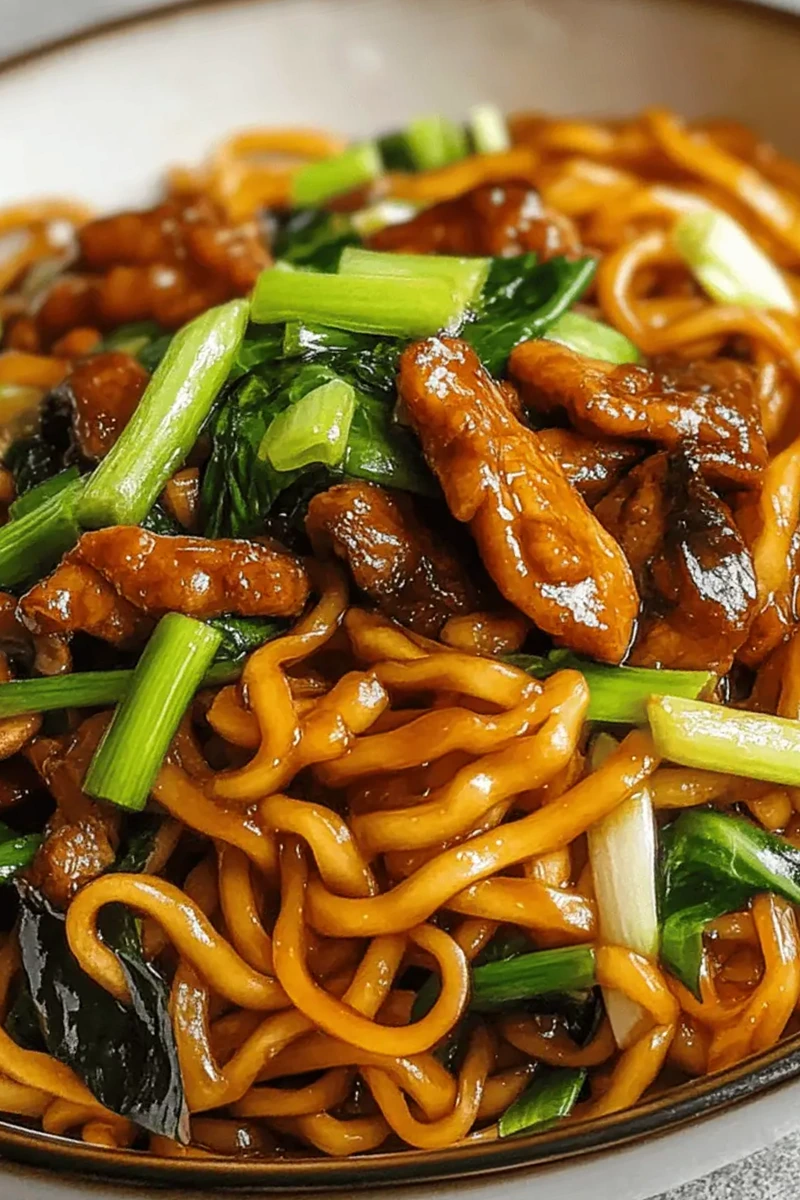
List of ingredients
- 8 oz Thick Noodles (Chow Mein or Lo Mein) – provides the signature chewy texture.
- 1 lb Chicken (sliced) – a lean and tender protein alternative to pork.
- 2 cups Cabbage (chopped) – adds a fresh crunch; bok choy is a great substitute.
- 1 cup Mushrooms (sliced) – use shiitake or button mushrooms for earthy depth.
- 1 cup Green Onions (chopped) – adds a sharp, fresh finish; shallots work well too.
- 1/4 cup Soy Sauce – the primary seasoning for umami richness; low-sodium is recommended.
- 3 cloves Garlic (minced) – fresh garlic provides the best aromatic punch.
- 1 tbsp Ginger (grated) – fresh ginger adds a warm, zesty undertone.
step-by-step instructions
- Marinate the protein: Combine the sliced chicken with soy sauce, minced garlic, and grated ginger in a bowl. Let it sit for at least 10 minutes to ensure the flavors penetrate the meat.
- Prepare the noodles: Boil a large pot of salted water. Cook the thick noodles according to the package directions until they are al dente, then drain and rinse immediately with cold water to prevent sticking.
- Sear the chicken: Heat a large pan or wok over high heat with a drizzle of oil. Stir-fry the marinated chicken in a single layer for 3-4 minutes until browned and cooked through, then remove from the pan.
- Sauté the vegetables: Add more oil to the same pan if needed. Toss in the chopped cabbage, sliced mushrooms, and green onions, stir-frying for 4-5 minutes until tender-crisp.
- Combine all components: Return the cooked chicken to the pan with the vegetables. Add the drained noodles and a splash of soy sauce, tossing everything on medium heat for 2-3 minutes until well combined.
- Final garnish: Transfer the noodles to a serving platter. Garnish with extra sliced green onions or a sprinkle of sesame seeds before serving.
Optimizing Your Protein Selection
Use Extra Firm Tofu for a Plant-Based Version
Press extra firm tofu to remove excess moisture before slicing into cubes. Marinate the tofu using the same soy, garlic, and ginger mixture to maintain the authentic flavor profile. Pan-fry the tofu until golden brown on all sides before adding the vegetables.
Opt for Shrimp for a Lighter Meal
Substitute chicken with peeled and deveined shrimp for a quicker cook time. Shrimp only require 1-2 minutes per side, so add them to the pan just before the vegetables are finished. This prevents the shrimp from becoming rubbery and overcooked.
Try Lean Beef Strips for Richer Flavor
Flank steak or sirloin sliced thinly against the grain works exceptionally well here. Beef adds a deeper, more robust savory note to the noodles. Ensure the pan is smoking hot to get a proper sear on the meat without boiling the juices.
Vegetable Enhancements and Swaps
Substitute Cabbage with Baby Bok Choy
Baby bok choy provides a similar crunch but with a slightly more peppery flavor. Slice the stalks thinly and keep the leaves whole for a visually appealing contrast. Add the leaves in the last minute of vegetable sautéing to prevent them from wilting too much.
Incorporate Red Bell Peppers for Color
Red or orange bell peppers add a sweet flavor and vibrant color to the dish. Slice them into thin strips to match the shape of the noodles and chicken. Sauté them along with the cabbage to ensure they soften slightly while remaining crisp.
Add Snap Peas for Extra Crunch
Snap peas offer a fresh, sweet pop that complements the salty soy sauce. Trim the ends and add them during the last two minutes of the vegetable stir-fry. This preserves their bright green color and snap texture.
Mastering the Stir-Fry Technique
Maintain High Heat for a Proper Sear
Stir-frying relies on high temperature to create the ‘wok hei’ or breath of the wok. Use a high-smoke point oil like canola or peanut oil to prevent burning. High heat ensures the meat browns quickly without releasing too much water into the pan.
Avoid Overcrowding the Pan
Cooking too many ingredients at once drops the pan temperature, causing food to steam rather than sear. If you have a small skillet, sear the chicken and sauté the vegetables in batches. This maintains the texture and prevents the noodles from becoming soggy.
Rinse Noodles with Cold Water
Rinsing cooked noodles under cold water stops the cooking process and removes excess starch. This prevents the noodles from clumping together in the pan. It also ensures the soy sauce adheres to the surface of the noodles rather than soaking in too quickly.
Sauce Customizations for Depth
Use Low-Sodium Soy Sauce for Better Control
Low-sodium soy sauce allows you to season the dish without making it overly salty. You can add more sauce during the final toss to reach your desired flavor intensity. This is especially helpful when using other salty additions like oyster sauce.
Add a Touch of Toasted Sesame Oil
Drizzle a teaspoon of toasted sesame oil over the noodles at the very end of cooking. Sesame oil has a low smoke point and loses flavor if cooked too long. Adding it at the end provides a rich, nutty aroma that elevates the dish.
Incorporate a Hint of Chili Garlic Sauce
For those who prefer a spicy kick, stir in one tablespoon of chili garlic sauce during the final combine step. This adds a layer of heat and fermented garlic depth. Adjust the quantity based on your tolerance for spice.
Storage and Freshness Guidelines
Refrigerate in Airtight Containers
Store leftover noodles in a sealed glass or plastic container for up to three days. Ensure the noodles have cooled slightly before sealing to prevent excess condensation. This helps maintain the integrity of the vegetables and prevents them from becoming mushy.
Thaw Frozen Noodles Slowly
If freezing the noodles for up to two months, thaw them in the refrigerator overnight. Avoid thawing in the microwave, as this can make the noodles gummy. Slow thawing preserves the texture of the chicken and vegetables better.
Reheat with a Splash of Water
When reheating on a stovetop, add a tablespoon of water or oil to the pan. This creates a small amount of steam that loosens the noodles. Stir-fry over medium heat until the dish is steaming throughout.
Meal Prep and Make-Ahead Strategies
Pre-Cut Vegetables and Proteins
You can chop the cabbage, mushrooms, and onions up to 24 hours in advance. Store them in separate containers or a divided prep box in the fridge. This reduces the actual cooking time to under 20 minutes on a busy weeknight.
Prepare the Marinade Separately
Whisk the soy sauce, garlic, and ginger together and store the mixture in a small jar. You can then pour the marinade over your protein just before you start cooking. This ensures a consistent flavor profile every time you make the recipe.
Parboil Noodles in Advance
Cook the noodles until they are slightly under-done, then toss them with a tiny bit of oil. Store them in the fridge for up to two days. When you are ready to eat, simply add them to the pan for the final stir-fry to finish cooking.
Serving Suggestions and Pairings
Pair with a Chilled Cucumber Salad
A vinegary cucumber salad provides a refreshing contrast to the savory, oily nature of fried noodles. Slice cucumbers thinly and toss with rice vinegar, a pinch of sugar, and sesame seeds. The acidity cleanses the palate between bites.
Serve with Steamed Vegetable Dumplings
Steamed dumplings filled with cabbage and carrots make a hearty side dish. The soft texture of the dumplings complements the chewiness of the noodles. Serve them with a side of dipping sauce made from soy and ginger.
Complement with Hot Jasmine Tea
A cup of hot jasmine tea helps cut through the richness of the stir-fry. The floral notes of the tea balance the umami flavors of the soy sauce. It also aids in digestion after a heavy noodle meal.
Frequently Asked Questions
How do I prevent the noodles from becoming mushy?
Ensure you cook the noodles to al dente, meaning they still have a slight bite. Overcooking them in the pot will lead to them breaking apart during the stir-fry process. Rinsing them in cold water is also critical to stop the carry-over cooking.
Can I use gluten-free noodles for this recipe?
Yes, you can use brown rice noodles or corn-based noodles as a substitute. Make sure to use tamari or a certified gluten-free soy sauce to keep the entire dish gluten-free. Be mindful that rice noodles cook much faster than wheat noodles.
What is the best way to slice the chicken for stir-fry?
Slice the chicken breast or thigh into thin strips across the grain. This breaks up the tough muscle fibers, ensuring the meat stays tender after a quick sear. Uniform slices ensure that all pieces cook at the same rate.
How can I make the vegetables stay crisp?
Avoid cooking the vegetables for too long over medium heat. Use high heat and stir constantly so they sear quickly without releasing all their moisture. Add the most delicate vegetables, like green onions, at the very end.
Print
Quick and Savory Shanghai Style Fried Noodles
- Total Time: 30 minutes
- Yield: 4 servings 1x
- Diet: General
Description
A quick and delightful recipe for Shanghai Fried Noodles featuring chewy noodles, tender chicken, and fresh vegetables.
Ingredients
- 8 oz Thick Noodles (Chow Mein or Lo Mein)
- 1 lb Chicken (sliced)
- 2 cups Cabbage (chopped)
- 1 cup Mushrooms (sliced)
- 1 cup Green Onions (chopped)
- 1/4 cup Soy Sauce
- 3 cloves Garlic (minced)
- 1 tbsp Ginger (grated)
Instructions
- Step 1: Combine sliced chicken with soy sauce, minced garlic, and grated ginger in a bowl and marinate for at least 10 minutes.
- Step 2: Bring a large pot of salted water to a boil, cook noodles according to package instructions until al dente, then drain and rinse with cold water.
- Step 3: Heat oil in a large pan or wok over high heat and stir-fry the marinated chicken for 3-4 minutes until browned and cooked through, then remove from the pan.
- Step 4: In the same pan, stir-fry chopped cabbage, sliced mushrooms, and chopped green onions for 4-5 minutes until tender yet still crisp.
- Step 5: Return the cooked chicken to the pan with the sautéed vegetables, add the drained noodles and a splash of soy sauce, and stir-fry for 2-3 minutes.
- Step 6: Transfer to plates and garnish with additional sliced green onions or sesame seeds.
Notes
Prep all ingredients ahead of time for a smooth cooking process. Adjust soy sauce to taste during cooking.
- Prep Time: 10 minutes
- Cook Time: 20 minutes
- Category: Dinner
- Method: Stir-frying
- Cuisine: Chinese
Nutrition
- Serving Size: 1 serving
- Calories: 400 kcal
- Sugar: 5 g
- Sodium: 800 mg
- Fat: 15 g
- Saturated Fat: 3 g
- Unsaturated Fat: 10 g
- Trans Fat: 0 g
- Carbohydrates: 50 g
- Fiber: 3 g
- Protein: 20 g
- Cholesterol: 70 mg