
This creamy gochujang pasta blends spicy Korean flavors with a rich, velvety sauce. It is a fast, one-pot meal that is ready in 20 minutes and perfect for a weeknight dinner.
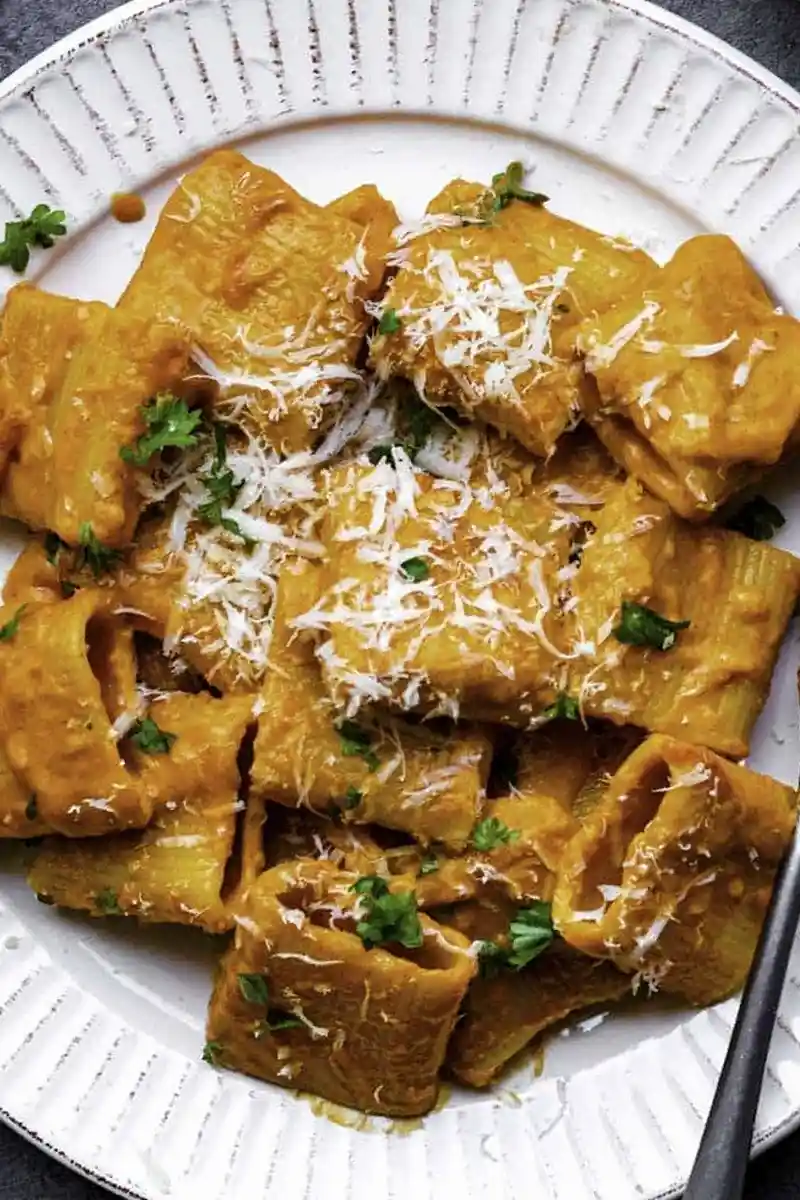
List of ingredients
- 1 lb (250g) pasta of choice – large rigatoni is recommended for better sauce adhesion.
- 1/2 cup pasta water – reserved from the pot to emulsify the sauce.
- 1 tsp olive oil – used for the base and for coating the cooked noodles.
- 2 tbsp butter – used for sautéing; can be replaced with olive oil or vegan butter.
- 4-6 garlic cloves, minced – provides a strong aromatic base.
- 2 tbsp gochujang – Korean chili paste; use 3 tbsp for extra heat.
- 1 cup heavy cream – creates a smooth texture; can use vegan cream or full-fat coconut milk.
- 1/4 tsp salt – to season the sauce and pasta water.
- 1/4 tsp smoked paprika (optional) – adds a subtle earthy depth.
- 1/4 cup freshly grated parmesan – adds saltiness and thickness; use vegan parmesan if needed.
- Freshly cracked black pepper – to taste.
step-by-step instructions
- Boil the pasta: Fill a large pot with water, add salt, and bring to a boil. Cook the pasta for one minute less than the package instructions to ensure it stays al dente.
- Prepare the noodles: Reserve 1/2 cup of the starchy pasta water before draining. Transfer the pasta to a bowl and toss with a drizzle of olive oil to prevent sticking.
- Sauté the aromatics: In the same pot, melt butter over medium heat. Once sizzling, add minced garlic and cook for 30 to 60 seconds until fragrant.
- Toast the paste: Stir in the gochujang paste. Cook for 1 to 2 minutes, stirring constantly, until the paste darkens and caramelizes.
- Create the sauce: Stir in the heavy cream and half of the reserved pasta water. Add salt, black pepper, and smoked paprika, then bring the mixture to a gentle simmer until smooth.
- Combine and thicken: Fold the cooked pasta and grated parmesan into the sauce. Reduce heat to low and stir frequently until the sauce thickens and coats the pasta.
- Final adjustments: Remove from heat and taste. Add more salt, pepper, or a bit more pasta water if the sauce is too thick.
- Serve: Plate immediately and garnish with extra parmesan and fresh parsley.
Mastering the Sauce Components
The Flavor Profile of Gochujang
Gochujang is a fermented Korean chili paste made from red chili powder, glutinous rice, fermented soybeans, and salt. It provides a complex balance of spicy, sweet, and savory notes. This paste is the central flavor driver of the dish.
The Role of Heavy Cream
Heavy cream is used to create a rich, velvety texture that coats the pasta. It also serves to mellow the intensity of the gochujang, making the spice level more accessible. For a dairy-free version, full-fat coconut milk provides a similar thickness.
Adding Depth with Parmesan Cheese
Freshly grated parmesan adds a salty, umami finish to the sauce. As it melts, the cheese acts as a natural thickener, helping the sauce cling to the noodles. Using freshly grated cheese is better than pre-shredded options to avoid clumping.
The Impact of Smoked Paprika
Smoked paprika is an optional addition that introduces a subtle wood-smoke aroma. This complements the fermented notes of the chili paste and adds visual depth to the sauce color. It provides a layered flavor without adding significant heat.
Pro Techniques for Better Results
Selecting the Best Pasta Shape
Pasta with a rough exterior or large holes, such as rigatoni or fusilli, is ideal for this recipe. These shapes trap the thick cream sauce inside and on the surface. This ensures every bite is evenly coated with flavor.
Cooking to Al Dente Precision
Cooking the pasta for one minute less than the package directions is critical. The noodles continue to cook as they simmer in the creamy sauce. This prevents the pasta from becoming mushy and maintains a pleasant bite.
The Secret of Starchy Pasta Water
Pasta water contains released starches that act as a bridge between the fats in the cream and the water-based components. Stirring this into the sauce helps it emulsify, resulting in a glossy finish. It prevents the sauce from separating or appearing greasy.
Importance of Toasting the Chili Paste
Toasting the gochujang in butter before adding liquids is a key step. This process caramelizes the sugars in the paste and develops a nuttier flavor. It transforms the raw taste of the paste into a rich, concentrated base.
Customizing Your Meal
Incorporating Lean Proteins
You can add grilled chicken breast, sautéed shrimp, or seared tofu to increase the protein content. Cook the protein separately in a pan with salt and pepper. Fold the cooked protein into the pasta during the final thickening step.
Adding Fresh Vegetables
Vegetables like baby spinach, frozen peas, or steamed broccoli pair well with the spicy sauce. Blanch these vegetables in the pasta water during the last two minutes of boiling. This saves time and keeps the vegetables vibrant.
Making the Recipe Vegan
To make this dish vegan, replace the butter with olive oil or a plant-based butter alternative. Use cashew cream or coconut cream instead of heavy cream and substitute parmesan with nutritional yeast or vegan cheese. These swaps maintain the creaminess and saltiness.
Adjusting the Heat Levels
If the recipe is too spicy, replace one tablespoon of gochujang with one tablespoon of tomato paste. For those who prefer a higher heat, increase the gochujang to three tablespoons. Adding a pinch of sugar can also help balance excessive spice.
Serving and Presentation Suggestions
Using Fresh Herbal Garnishes
Freshly chopped parsley or sliced green onions provide a bright, fresh contrast to the rich sauce. These greens add a pop of color to the plate. They also cut through the heaviness of the cream and cheese.
Adding Finishing Oils
A few drops of toasted sesame oil or chili garlic oil can enhance the aromatic profile. Sesame oil adds a nutty depth that complements the Korean influence. Chili oil is recommended for those who want a more pungent spice.
Pairing with Protein-Rich Sides
This pasta pairs well with a side of smoky baked tofu or vegetable-based meatballs. These additions make the meal more filling. Ensure the side dish has a neutral or complementary flavor to avoid overpowering the sauce.
Complementary Fresh Salads
A crisp arugula salad with a lemon vinaigrette is an excellent accompaniment. The acidity of the lemon cleanses the palate between bites of the creamy pasta. Spinach and avocado salads also provide a refreshing contrast.
Storage and Reheating Guide
Proper Refrigeration Methods
Store leftover pasta in an airtight container once it has cooled to room temperature. If the pasta and sauce are stored separately, they will stay fresh for up to six days. Once mixed, the dish should be consumed within three to four days.
Freezing for Long-Term Use
This pasta can be frozen for up to three months. Transfer cooled leftovers into a freezer-safe container and seal tightly. Be aware that the cream sauce may separate slightly upon thawing.
Stovetop Reheating Process
To reheat on the stove, place the pasta in a small pan over medium-low heat. Add a splash of water or milk to loosen the sauce. Stir frequently until the dish is heated through and the sauce becomes creamy again.
Microwave Reheating Tips
Place the pasta on a microwave-safe plate and cover it with a damp paper towel. Heat for 1-2 minutes, stirring halfway through the process. This prevents the edges from drying out and ensures even heating.
Troubleshooting Common Issues
What to do if the sauce is too thick?
If the sauce becomes overly thick or clumps, stir in an extra tablespoon of reserved pasta water. Add the water one tablespoon at a time while stirring over low heat. This will thin the sauce without diluting the flavor.
How to fix a sauce that is too spicy?
Adding an extra tablespoon of heavy cream or a small dollop of Greek yogurt can neutralize the heat. The fats in these dairy products bind to the capsaicin in the chilies. This makes the spice level milder and more balanced.
Preventing garlic from burning
Garlic burns quickly over high heat, which creates a bitter taste. Keep the heat at medium and stir the garlic constantly. Remove the garlic from the heat as soon as it becomes fragrant, usually within 60 seconds.
Dealing with sauce separation
If the sauce separates, it is often due to excessive heat causing the cream to break. Lower the temperature immediately and whisk in a small amount of pasta water. Stirring vigorously over low heat helps re-emulsify the fats.
Common Cooking Questions
Is this gochujang pasta very spicy?
The dish is moderately spicy, but the cream and cheese significantly mellow the heat. You can easily adjust the spice level by adding more or less gochujang paste. Substituting some paste with tomato paste will further reduce the heat.
Can I make this without gochujang paste?
While gochujang is the star ingredient, you can use a mix of tomato paste and red pepper flakes as a substitute. This will create a flavor profile similar to a spicy vodka pasta. However, you will lose the fermented, sweet notes of the original.
Is gochujang paste gluten-free?
Most gochujang is made with glutinous rice, which is naturally gluten-free. However, some commercial brands use barley malt, which contains gluten. Always check the ingredient label to ensure it is safe for those with gluten sensitivities.
Which pasta is best for this sauce?
Ridged pastas like rigatoni, penne, or campanelle are the best choices. Their texture allows the thick sauce to cling to the surface and fill the interiors. Smooth pastas like spaghetti may result in the sauce sliding off the noodle.
Print
Creamy Gochujang Pasta Recipe
- Total Time: 20 minutes
- Yield: 4 servings 1x
- Diet: Vegetarian
Description
This Gochujang Pasta is creamy, spicy, and SO saucy! It’s made with 8 ingredients and is ready in 20 minutes! Perfect for a weeknight dinner!
Ingredients
- 1 lb (250g) pasta of choice
- 1/2 cup pasta water
- 1 tsp olive oil (plus more for coating the pasta)
- 2 tbsp butter
- 4–6 garlic cloves, minced
- 2 tbsp gochujang
- 1 cup heavy cream
- 1/4 tsp salt
- 1/4 tsp smoked paprika
- 1/4 cup freshly grated parmesan
- Freshly cracked black pepper, to taste
Instructions
- Step 1: Fill a large pot with water and season with salt. Once it comes to a boil, add the pasta, stir and cook for 1 minute shy from what the packaging says, until al dente.
- Step 2: When ready, reserve the pasta water, and drain the rest. Add the pasta to a bowl and toss with a drizzle of olive oil to prevent it from sticking. Set aside.
- Step 3: In the same pot, melt the butter over medium heat. Once it starts to sizzle, add the minced garlic and cook for 30 seconds to 1 minute, stirring very often, or until fragrant. Add gochujang paste and stir. Toast the paste for 1-2 minutes, or until it darkens in color and caramelizes a little bit.
- Step 4: Then, add the heavy cream and half of the reserved pasta water. Stir until the sauce is creamy and smooth. Season with a pinch of salt and black pepper, and smoked paprika (if using) and bring to a gentle simmer.
- Step 5: Add the cooked pasta to the creamy sauce, alongside the grated parmesan cheese. Turn the heat to low and cook until the sauce has thickened and the pasta is well coated, stirring often.
- Step 6: Remove from the heat and give it a taste test. Add more salt or black pepper if needed, or more pasta water if you need to thin out the sauce.
- Step 7: Serve immediately with more parmesan cheese on top and a few sprinkles of fresh parsley (optional).
Notes
Use high-quality bronze-cut pasta for better sauce adhesion. Toasting the gochujang paste in butter is an essential step to develop a nutty, caramelized flavor. Always reserve pasta water to help the sauce emulsify and coat the noodles perfectly.
- Prep Time: 5 minutes
- Cook Time: 15 minutes
- Category: Main Dish
- Method: Stovetop
- Cuisine: American-Korean Fusion
Nutrition
- Serving Size: 1 serving
- Calories: 548 kcal
- Sugar: 5.9 g
- Sodium: 456.2 mg
- Fat: 31.3 g
- Saturated Fat: 18.5 g
- Unsaturated Fat: 12.8 g
- Trans Fat: 1 g
- Carbohydrates: 55.2 g
- Fiber: 2.5 g
- Protein: 12.3 g
- Cholesterol: 87.8 mg