
This flavorful pasta dish combines succulent shrimp with a rich, garlicky tomato sauce for a restaurant-quality meal at home. It is an ideal quick dinner that balances heat and freshness using a simple homemade seafood stock.
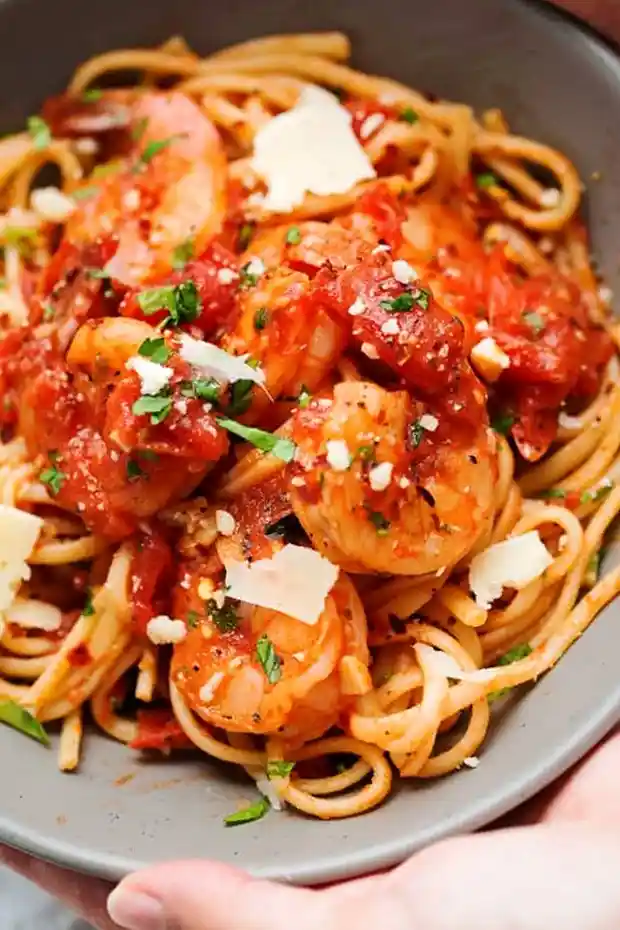
List of ingredients
- 1 pound raw shrimp (peeled and deveined, reserve peels) – the peels are essential for the stock.
- 2 cups water – used as the base for the quick shrimp stock.
- A few sprigs of parsley (plus more for garnishing) – adds a fresh herbal note.
- 6-8 whole peppercorns – provides a subtle, earthy heat to the stock.
- 12 cloves garlic – divided between the stock and the sautéed sauce.
- 2 tablespoons olive oil – used for sautéing the garlic and red pepper flakes.
- 1 ½ cups grape or cherry tomatoes (halved) – adds fresh sweetness and texture.
- 14.5 ounce can San Marzano tomatoes (diced) – provides a deep, authentic tomato base.
- ½ – 1 teaspoon red pepper flakes – adjust based on your preferred spice level.
- 2 tablespoons butter (cold) – creates a glossy, rich finish for the sauce.
- 8 ounces linguine, capellini, or spaghetti – long pasta shapes work best here.
- Parmesan cheese – for serving and adding a salty, nutty finish.
step-by-step instructions
- Prepare Shrimp Stock: Combine the reserved shrimp peels, water, parsley sprigs, peppercorns, 6 whole cloves of garlic, and a big pinch of salt in a stockpot. Bring the mixture to a boil, then lower the heat and simmer for 10 minutes. Strain the liquid through a fine-mesh strainer and reserve 1 cup of the stock for later.
- Cook the Pasta: Bring a large pot of salted water to a boil. Add the pasta and cook it for 1-2 minutes less than the package directions to ensure it stays al dente. Drain the pasta and set it aside.
- Sauté Aromatics: Heat olive oil in a saute pan over medium-high heat. Slice the remaining garlic cloves into thin pieces and add them to the pan along with the red pepper flakes. Sizzle for about 1 minute until the garlic is fragrant but not browned.
- Simmer the Sauce: Pour in ¾ cup of the reserved shrimp stock and bring it to a simmer. Stir in both the fresh halved cherry tomatoes and the diced San Marzano tomatoes. Season with salt and black pepper, cover the pan, and cook on low heat for 10 minutes.
- Thicken the Base: Remove the lid and increase the heat to medium. Continue cooking for another 5 minutes, stirring occasionally, until the sauce reduces and thickens.
- Cook the Shrimp: Add the raw shrimp to the pan and cook for about 2 minutes. Stir in the cold butter, allowing it to melt and emulsify into the sauce for another 30-60 seconds.
- Final Assembly: Check for seasoning and add extra salt, pepper, or red pepper flakes if needed. Toss in the cooked pasta and stir well to coat. If the sauce is too thick, add a splash of the remaining shrimp stock to reach your desired consistency.
- Garnish and Serve: Sprinkle the dish with freshly chopped parsley and grated parmesan cheese before serving immediately.
Pro Cooking Techniques for Better Results
Avoid Overcooking the Shrimp
Shrimp cook very quickly and can become rubbery if left in the pan too long. Add them only when the sauce is fully thickened and ready. Remove the pan from the heat as soon as the shrimp turn opaque and pink.
Mastering the Al Dente Pasta
Cooking pasta slightly under the package instructions is critical. This allows the noodles to finish cooking inside the sauce, where they absorb the tomato and garlic flavors. It also prevents the pasta from becoming mushy when tossed.
Sautéing Garlic Without Burning
Garlic can turn bitter if it browns too quickly. Keep a close eye on the pan during the first minute of sautéing. If the garlic begins to darken too rapidly, lower the heat slightly or add a splash of stock to cool the pan.
Emulsifying with Cold Butter
Adding cold butter at the very end is a technique used to create a glossy, velvety sauce. The cold temperature allows the butter to incorporate slowly into the acidic tomato base. This balances the spice and adds a professional sheen to the dish.
Ingredient Substitutions and Alternatives
Replacing the Homemade Shrimp Stock
If you do not have shrimp peels, you can use a high-quality store-bought seafood broth or a vegetable broth. While the homemade stock provides a deeper ocean flavor, a neutral vegetable broth still works well. Ensure the substitute is low-sodium to maintain control over the seasoning.
Choosing Different Pasta Shapes
Linguine is the traditional choice, but spaghetti or capellini also work excellently. For a heartier version, use penne or fusilli, which can hold more of the chunky tomato sauce in their ridges. Adjust the cooking time based on the specific pasta thickness.
Swapping Fresh Tomatoes
If cherry tomatoes are out of season, you can use diced Roma tomatoes or canned petite diced tomatoes. Fresh cherry tomatoes provide bursts of acidity, so if using canned alternatives, consider adding a teaspoon of lemon juice. This mimics the bright flavor of fresh summer tomatoes.
Alternative Cheese Options
While Parmesan is a classic choice, Pecorino Romano offers a saltier, sharper profile that complements spicy shrimp. For a milder taste, use a light dusting of grated mozzarella. Always use microbial-rennet cheese to ensure suitability for all dietary needs.
Customizing the Flavor Profile
Adjusting the Heat Level
The amount of red pepper flakes determines the intensity of the dish. For a mild version, use a quarter teaspoon; for a true ‘fra diavolo’ style, increase the amount to one full teaspoon. You can also add a pinch of cayenne pepper for a more lingering heat.
Incorporating Fresh Greens
Adding a handful of fresh baby spinach or chopped kale during the final tossing stage adds color and nutrition. The residual heat from the pasta will wilt the greens perfectly. Zucchini slices sautéed with the garlic are another great addition.
Adding a Citrus Twist
A squeeze of fresh lemon juice right before serving brightens the entire dish. The acidity cuts through the richness of the butter and enhances the natural sweetness of the shrimp. Lemon zest stirred into the parsley garnish also provides a fresh aroma.
Creating a Creamier Texture
For a creamier sauce, stir in two tablespoons of heavy cream or a dollop of mascarpone cheese at the end. This transforms the spicy red sauce into a creamy tomato-shrimp pasta. Keep the heat low when adding dairy to prevent curdling.
Serving and Presentation Ideas
Pairing with Bread
A side of toasted garlic bread is the perfect accompaniment to soak up the extra sauce. Use a baguette brushed with olive oil and garlic powder, then toasted until golden. This adds a crunch that contrasts well with the tender shrimp.
Selecting a Side Salad
A light, crisp salad helps balance the richness of the pasta. A simple arugula salad with a lemon-olive oil vinaigrette is ideal. The peppery notes of arugula complement the spicy red pepper flakes in the sauce.
Plating for Professional Appeal
Use tongs to twirl the pasta into a high mound in the center of the plate. Arrange the shrimp and halved cherry tomatoes on top so they are visible. Finish with a generous sprinkle of fresh parsley and a dusting of cheese for a vibrant look.
Storage and Reheating Advice
Proper Refrigeration
Store leftover pasta in an airtight container in the refrigerator for up to two days. Keep the pasta and sauce together to prevent the noodles from drying out. Ensure the food is cooled slightly before sealing the lid to avoid excess condensation.
Optimal Reheating Methods
The best way to reheat this dish is on the stovetop over medium-low heat. Add a tablespoon of water or extra shrimp stock to loosen the sauce. Heat gently and stir frequently to avoid overcooking the shrimp a second time.
Avoiding Microwave Rubberiness
If using a microwave, heat the pasta in short 30-second intervals. Stir between each session to distribute the heat evenly. Cover the dish with a damp paper towel to keep the moisture locked in and prevent the shrimp from becoming tough.
Meal Planning and Preparation
Prepping Ingredients in Advance
To save time during the actual cooking process, peel and devein the shrimp earlier in the day. Chop the garlic and halve the cherry tomatoes and store them in small containers. Having your ‘mise en place’ ready ensures the fast-paced sauté steps go smoothly.
Coordinating the Cooking Timeline
Start the shrimp stock first, as it simmers while you prepare the other ingredients. While the stock is simmering, bring your pasta water to a boil. This synchronized workflow ensures the pasta and sauce are finished at the same time.
Managing the Shrimp Peels
If you buy pre-peeled shrimp, you can occasionally find frozen shrimp shells for sale to make the stock. If unavailable, don’t let the lack of shells stop you from making the recipe. Simply substitute with seafood broth as mentioned in the substitutions section.
Common Troubleshooting
Fixing a Sauce That Is Too Thick
If the sauce reduces too much during the simmer, it may become overly concentrated. Stir in a tablespoon of the reserved shrimp stock or salted pasta water. Do this gradually until the sauce reaches a silky consistency that clings to the pasta.
Correcting an Over-Salted Sauce
If you accidentally add too much salt, the acidity of the tomatoes can be balanced with a pinch of sugar. Alternatively, adding a small amount of unsalted butter or a splash of cream can mute the saltiness. Always taste the sauce before adding the final parmesan cheese.
Preventing Rubbery Shrimp
Rubbery shrimp are usually the result of overcooking or using frozen shrimp that wasn’t properly thawed. Ensure frozen shrimp are completely thawed and patted dry with paper towels before cooking. Searing them quickly at the end prevents moisture loss.
Frequently Asked Questions
Can I use frozen shrimp?
Yes, you can use frozen shrimp. Make sure to thaw them completely in the refrigerator overnight or under cool running water. Pat them dry with a paper towel before adding them to the pan to ensure they sear rather than steam.
Is the shrimp stock mandatory?
While not mandatory, the stock adds a depth of flavor that water or plain broth cannot match. It intensifies the seafood essence of the dish. If you are in a rush, seafood broth is the best alternative.
Can I use a different oil for sautéing?
Olive oil is preferred for its flavor and high smoke point, but avocado oil or grapeseed oil can be used. Avoid using butter for the initial garlic sauté, as it can burn more easily than oil at medium-high temperatures.
How do I store leftovers?
Place leftovers in a sealed glass container and refrigerate immediately after the meal. Because shrimp can perish quickly, consume leftovers within 48 hours. Always reheat thoroughly until steaming hot.
Print
Spicy Shrimp Pasta with Tomatoes and Garlic
- Total Time: 45 minutes
- Yield: 4 servings 1x
- Diet: General
Description
A simple spicy shrimp pasta that’s perfect for the summertime! Similar to the shrimp fra Diavolo you get at Italian restaurants, this recipe is made with lots of garlic and cherry tomatoes bursting with summer goodness.
Ingredients
- 1 pound raw shrimp (peeled and deveined, reserve peels)
- 2 cups water
- a few sprigs of parsley (plus more for garnishing)
- 6–8 whole peppercorns
- 12 cloves garlic
- 2 tablespoons olive oil
- 1 ½ cups grape or cherry tomatoes (halved)
- 14.5 ounce can San Marzano tomatoes (diced)
- ½ –1 teaspoon red pepper flakes
- 2 tablespoons butter (cold)
- 8 ounces linguine, capellini, or spaghetti
- parmesan cheese (for serving)
Instructions
- SHRIMP STOCK: Combine the shrimp peels, water, parsley, peppercorns, and 6 whole cloves of garlic, a big pinch of salt in a stockpot. Allow the stock to come to a boil, then lower the heat and let simmer for 10 minutes. Strain the stock through a strainer, reserve 1 cup of the stock.
- PASTA: Bring a large pot of water to a boil, salt the water, and cook the pasta minus 1-2 minutes from the package directions, drain and set aside.
- SIMMER: In a saute pan, heat the olive oil over medium-high heat. Slice the remaining 4 cloves of garlic into slices. Add the garlic along with the red pepper flakes to the oil and allow the garlic to sizzle for about 1 minute. Add ¾ cup of shrimp stock and bring to a simmer before adding in all the tomatoes. Stir to combine and when the tomatoes start to simmer, season with salt and black pepper. Cover, lower the heat to low and cook for 10 minutes. Remove the lid, raise the heat back to medium, and continue to cook for 5 minutes until the sauce thickens.
- FINISH: Add the shrimp and let the shrimp cook for 2 minutes, then add the butter and stir it in so that it just melts into the sauce. Continue to cook until the shrimp is almost done, about another 30-60 seconds. Check for seasonings, season with additional salt, pepper, and red pepper flakes if desired. Add the prepared pasta and toss. If the sauce is too thick, you can add a little bit of the remaining shrimp stock to thin. Sprinkle with chopped parsley and parmesan cheese before serving.
Notes
I sometimes like to squeeze some fresh lemon juice on top just before serving. The freshness really makes the flavor of the shrimp POP.
- Prep Time: 15 minutes
- Cook Time: 30 minutes
- Category: Fish & Seafood
- Method: Stovetop
- Cuisine: Italian
Nutrition
- Serving Size: 1 serving
- Calories: 461 kcal
- Sugar: 8 g
- Sodium: 980 mg
- Fat: 15 g
- Saturated Fat: 7 g
- Unsaturated Fat: 8 g
- Trans Fat: 0 g
- Carbohydrates: 56 g
- Fiber: 5 g
- Protein: 26 g
- Cholesterol: 210 mg