
This nutrient-dense one-pan meal combines savory ground beef with crisp cabbage for a fast and healthy dinner. It is an ideal choice for busy weeknights when you need a balanced dish that requires minimal cleanup.
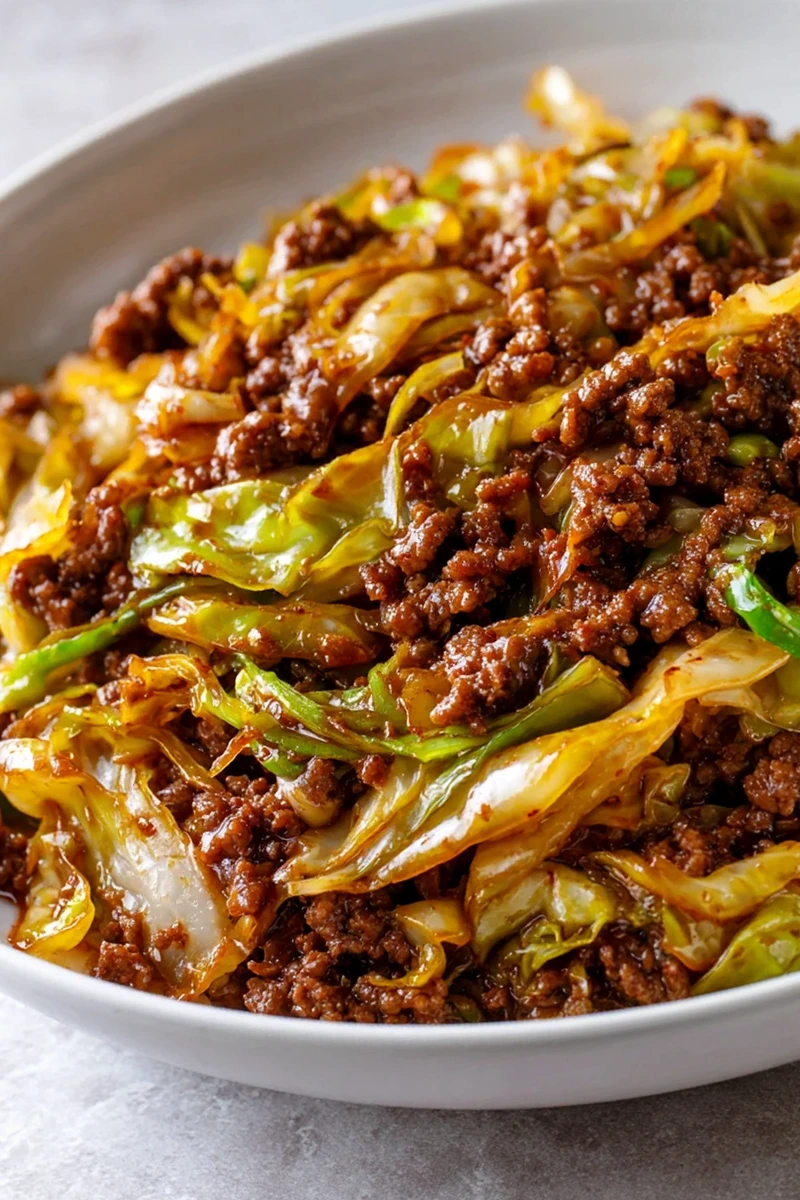
List of ingredients
- 3 cups cabbage, chopped – provides bulk and essential vitamins.
- 250 g ground beef (about 8 oz) – the primary protein source.
- 4 garlic cloves, minced – adds pungent aromatic flavor.
- 2 tbsp tamari sauce – provides a savory, salty umami base.
- 2 tbsp olive oil – used for sautéing and healthy fats.
- 1 1/2 tsp chili flakes – adds a controlled level of heat.
- 1 tsp ginger, minced – brings a fresh, zesty brightness.
step-by-step instructions
- Heat Oil: Warm the olive oil in a large skillet over medium heat until shimmering.
- Brown Beef: Add the ground beef to the pan and cook until fully browned, stirring occasionally for about 5-7 minutes.
- Sauté Aromatics: Stir in the minced garlic, ginger, and chili flakes, cooking for 2-3 minutes until fragrant.
- Combine Vegetables: Add the chopped cabbage and tamari sauce to the skillet, mixing thoroughly to coat everything.
- Wilt Cabbage: Cook the mixture for another 5-7 minutes until the cabbage is wilted but still retains some texture.
- Finish: Adjust the seasoning to your preference and serve immediately.
Professional Cooking Tips for Better Results
Selecting High-Quality Lean Ground Beef
Opt for ground beef with a lean-to-fat ratio of 90% or 93% to prevent the dish from becoming overly greasy. If you use a higher fat content like 80/20, drain the excess fat from the skillet after browning the meat. This ensures the tamari sauce adheres well to the ingredients rather than floating in oil.
Preparing Cabbage for Consistent Texture
Slice the cabbage into consistent strips about a quarter-inch thick to ensure they cook at the same rate. Avoid leaving large chunks, as they will remain raw while the smaller pieces overcook. Consistent sizing allows the tamari sauce to coat every piece of cabbage evenly during the wilting process.
Mastering the Browning Process
Allow the beef to sit undisturbed for a minute or two before stirring to develop a deep brown crust. This Maillard reaction enhances the savory depth of the dish significantly. Break the meat into small, uniform crumbles using a wooden spoon to ensure even heat distribution.
Preventing Garlic and Ginger from Burning
Add the garlic and ginger only after the beef is browned, as these aromatics burn quickly at high temperatures. Keep the heat at a steady medium to allow the flavors to infuse without turning bitter. Sautéing them for just 2-3 minutes is sufficient to release their essential oils.
Balancing the Heat for Cabbage Wilting
Avoid using high heat when adding the cabbage, as this can cause the exterior to burn before the interior softens. A medium heat allows the cabbage to release its moisture slowly and absorb the tamari sauce. Aim for a tender-crisp texture rather than a completely soft consistency.
Ingredient Substitutions and Modifications
Using Ground Turkey as a Leaner Protein
Ground turkey or ground chicken are excellent substitutes for beef if you prefer a milder flavor or lower calorie count. Since poultry is leaner, you may need to add an extra teaspoon of olive oil to prevent sticking. Season with an extra pinch of salt to compensate for the lighter taste of the meat.
Substituting Tamari for Other Savory Sauces
If tamari is unavailable, coconut aminos provide a similar salty-sweet profile with less sodium. Liquid aminos are also a viable alternative for those seeking a savory depth. Ensure the substitute is a liquid seasoning to maintain the moisture levels of the stir fry.
Replacing Green Cabbage with Napa Cabbage
Napa cabbage is a softer, sweeter alternative that wilts much faster than standard green cabbage. Reduce the cooking time for the cabbage by 2-3 minutes to avoid it becoming mushy. Napa cabbage is particularly effective if you want a more delicate texture in your meal.
Adjusting Chili Flakes for Different Heat Levels
For a milder version, reduce the chili flakes to a half teaspoon or omit them entirely. If you prefer a spicier dish, replace the flakes with sliced fresh jalapeños or a teaspoon of sriracha. Always taste the dish before adding more heat to find your preferred balance.
Adding Extra Vegetables for Nutrient Density
Shredded carrots, sliced bell peppers, or snap peas can be added along with the cabbage for more color and vitamins. Sauté these vegetables for 2 minutes before adding the cabbage. This ensures the harder vegetables are tender by the time the cabbage is wilted.
Flavor Enhancement Strategies
Increasing Umami with Mushroom Powder
Adding a half teaspoon of dried mushroom powder can deepen the savory profile of the ground beef. This enhances the natural umami of the tamari sauce without adding significant salt. It is a great way to make the dish taste richer and more complex.
Adding Brightness with Fresh Lime Juice
Squeeze half a fresh lime over the dish just before serving to cut through the richness of the beef. The acidity brightens the flavors of the ginger and garlic. This small addition creates a more balanced taste profile that mimics professional stir fry.
Using Freshly Grated Ginger for Stronger Aroma
While minced ginger is convenient, using a microplane to grate fresh ginger root provides a more potent aroma. Freshly grated ginger blends more seamlessly into the sauce. It provides a sharp, clean heat that complements the savory beef.
Incorporating Sesame Oil for a Nutty Finish
Drizzle one teaspoon of toasted sesame oil over the pan during the last minute of cooking. Sesame oil has a low smoke point, so adding it at the end preserves its delicate nutty flavor. This adds a professional aromatic finish to the meal.
Serving and Pairing Ideas
Serving with Whole Grain Rice or Quinoa
Serve the beef and cabbage over a bed of steamed brown rice or quinoa for a complete meal. These grains add fiber and heartiness that balance the lightness of the cabbage. The grains also help soak up the extra tamari sauce from the pan.
Pairing with a Side of Steamed Broccoli
Lightly steamed broccoli or sautéed spinach provides an additional layer of greens to the plate. The crisp texture of the broccoli complements the tender-crisp cabbage. This pairing increases the overall mineral content of the meal.
Using Low-Carb Lettuce Wraps
For a low-carb or keto-friendly option, scoop the mixture into large butter lettuce or romaine leaves. This transforms the stir fry into a handheld appetizer or a light lunch. The cool crunch of the lettuce contrasts well with the warm, seasoned beef.
Choosing the Right Beverage Pairings
A chilled glass of sparkling water with a slice of lemon cleanses the palate between savory bites. Unsweetened iced tea also pairs well with the ginger and tamari flavors. Avoid overly sweet drinks that might clash with the salty umami profile.
Storage and Meal Prep Guidance
Proper Cooling Before Refrigeration
Allow the dish to cool to room temperature before transferring it to a storage container. Placing hot food directly into the fridge can create condensation, which makes the cabbage soggy. This step preserves the texture of the vegetables for future meals.
Airtight Container Selection for Freshness
Use glass airtight containers to store the meal, as they keep the flavors fresh and are easier to reheat. Ensure the lid is sealed tightly to prevent the beef from absorbing other odors in the refrigerator. Glass is also preferred for microwave reheating.
Freezing and Thawing Techniques
This dish can be frozen for up to three months if stored in freezer-safe bags. To thaw, move the container to the refrigerator 24 hours before you plan to eat it. Avoid thawing at room temperature to maintain food safety and quality.
Maximum Storage Duration in the Fridge
The cooked beef and cabbage will stay fresh in the refrigerator for up to four days. Beyond this time, the cabbage may lose its structural integrity and become too soft. Label your containers with the date of preparation for easy tracking.
Detailed Reheating Methods
Stovetop Reheating for Best Texture
Place the leftovers in a skillet over medium heat with a tablespoon of water or beef broth. Stir frequently until the mixture is heated through and the water has evaporated. This method best preserves the texture of the cabbage and the sear on the beef.
Microwave Reheating for Speed
Heat the meal in a microwave-safe container covered with a damp paper towel. Heat in 60-second intervals, stirring in between to ensure the center is hot. The damp towel creates steam that prevents the beef from drying out.
Using an Oven to Reheat Large Portions
Transfer the food to an oven-safe dish and cover it with foil to trap moisture. Heat at 325°F (160°C) for about 15-20 minutes until warmed through. This is the best method for reheating large batches without overcooking the edges.
Preventing Cabbage from Becoming Mushy
Avoid over-reheating the dish, as cabbage breaks down quickly when exposed to repeated heat. Stop reheating as soon as the food is hot to the touch. Adding a fresh squeeze of lime after reheating can revive the flavor.
Troubleshooting Common Cooking Issues
Fixing Excess Liquid in the Pan
If the cabbage releases too much water, increase the heat to medium-high for 2-3 minutes. Stir constantly to allow the moisture to evaporate quickly. This concentrates the tamari sauce and prevents the dish from becoming a soup.
Correcting Overly Salty Results
If the tamari sauce makes the dish too salty, add a splash of water or a teaspoon of apple cider vinegar. You can also stir in a handful of unsalted chopped cabbage or steamed greens to dilute the salt. A pinch of sugar can also balance the salinity.
Improving a Bland Flavor Profile
If the dish lacks depth, add another teaspoon of tamari or a dash of black pepper. Ensure the garlic and ginger were sautéed long enough to release their flavors. A small amount of butter added at the end can also enhance the richness.
Resolving Meat Clumping Issues
To avoid large clumps of beef, use a sturdy spatula to break the meat apart as soon as it hits the pan. Do not crowd the skillet, as too much meat will steam rather than brown. Cooking in batches if necessary ensures a proper sear.
Frequently Asked Questions
Can this be made in a slow cooker?
While this is a fast stir fry, you can adapt it for a slow cooker by adding all ingredients and cooking on low for 4-6 hours. However, the cabbage will be much softer and will not have the same crisp texture as the skillet version.
Is this recipe suitable for keto diets?
Yes, this recipe is naturally low in carbohydrates and high in protein and fats. To keep it strictly keto, ensure your tamari is sugar-free and serve it without rice or grains.
Can I use frozen cabbage?
Frozen cabbage can be used, but it contains more water than fresh cabbage. Sauté the frozen cabbage separately first to remove excess moisture before adding it to the beef mixture to avoid a watery sauce.
What is the best skillet for this recipe?
A large stainless steel or cast-iron skillet is ideal for browning the beef effectively. Non-stick pans are also acceptable, though they may not produce as deep a sear on the meat.
Print
Healthy Ground Beef and Cabbage One-Pan Stir Fry
- Total Time: 25 minutes
- Yield: 4 servings 1x
- Diet: Dairy-Free
Description
A nutritious and delicious one-pan dish featuring ground beef and cabbage, perfect for family meals.
Ingredients
- 3 cups cabbage, chopped
- 250 g ground beef (about 8 oz)
- 4 garlic cloves, minced
- 2 tbsp tamari sauce
- 2 tbsp olive oil
- 1 1/2 tsp chili flakes
- 1 tsp ginger, minced
Instructions
- Step: Heat olive oil in a large skillet over medium heat.
- Step: Add ground beef and cook until browned, about 5-7 minutes.
- Step: Stir in garlic, ginger, and chili flakes; sauté for 2-3 minutes.
- Step: Add chopped cabbage and tamari sauce; mix well.
- Step: Cook until cabbage is wilted, about 5-7 minutes.
- Step: Adjust seasoning as necessary, then serve.
Notes
Use lean ground beef (90% lean or higher) for a healthier option. This dish can be stored in the refrigerator for up to 4 days or frozen for up to 3 months.
- Prep Time: 10 minutes
- Cook Time: 15 minutes
- Category: Main Course
- Method: Sautéing
- Cuisine: American
Nutrition
- Serving Size: 1 serving
- Calories: 350 kcal
- Sugar: 6 g
- Sodium: 850 mg
- Fat: 18 g
- Saturated Fat: 7 g
- Unsaturated Fat: 11 g
- Trans Fat: 0 g
- Carbohydrates: 20 g
- Fiber: 4 g
- Protein: 28 g
- Cholesterol: 85 mg