
Experience the ultimate convenience of a weeknight dinner that relies on the efficiency of your pressure cooker to deliver perfectly cooked noodles and vibrant vegetables in one pot. This recipe bypasses the need for multiple pans and long simmering times, utilizing rapid steam to infuse the ramen with savory flavors while keeping the stir-fry mix crisp and tender. It is an ideal solution for those busy evenings when you want a nutritious, restaurant-style meal without the extensive cleanup.
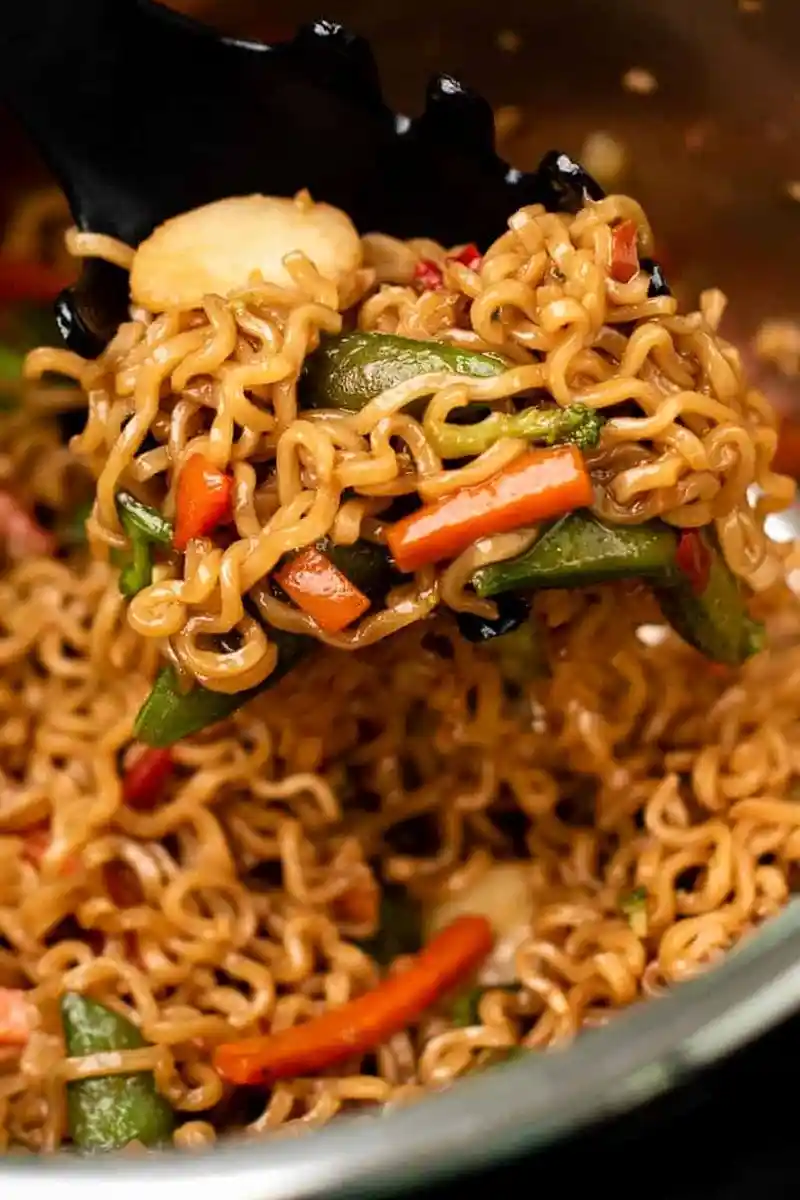
List of ingredients
- 1 ¼ cups vegetable broth
- 6 cloves garlic, minced
- 12 oz frozen stir fry vegetables
- 6 oz ramen noodles, flavor packet discarded
- ¼ cup soy sauce
- 1 tablespoon sesame oil
- sweet chili sauce, for serving
step-by-step instructions
- Step: Break the ramen into small chunks and place them in the bottom of the instant pot insert.
- Step: Add the minced garlic, then pour over the vegetable broth and soy sauce. Stir the ramen noodles around and flip them so that they get wet on both sides.
- Step: Add the frozen vegetables over the top of the ramen, spreading them out to cover in an even layer. You do not want any ramen noodles showing through.
- Step: Place the lid on your instant pot and set to sealing. Turn the instant pot to high pressure for 1 minute.
- Step: After the instant pot comes to pressure and counts down the minute, do a quick release.
- Step: Once the pin drops, remove the lid and stir the ramen noodles into the vegetables. Stir in the 1 tablespoon of sesame oil.
- Step: Serve the stir fry topped with sweet chili sauce to taste and enjoy!
Refining Your Stir Fry Technique
Achieving Texture Precision
The secret to successful pressure cooking with noodles lies entirely in the hydration process. If the noodles are not sufficiently coated in the broth and soy sauce before sealing the lid, you risk uneven cooking where some strands remain brittle while others become overly soft. By physically flipping the noodles and checking for moisture saturation, you ensure that the pressure environment works on an evenly prepared base. Always aim for a uniform layer of vegetables because they act as a buffer for the steam distribution, preventing the noodles from sticking to the base of the insert, which is a common error in high-pressure cooking.
Selecting the Right Vegetable Mix
Frozen stir-fry blends vary significantly by brand, so it is important to select one that contains hardy vegetables like broccoli and carrots. Soft vegetables like zucchini can lose their structure too quickly under high pressure, so if your chosen mix has many soft greens, consider adding them during a brief saute phase after the main pressure cycle is complete. If you opt for fresh vegetables instead of frozen, ensure they are chopped into similar sizes to allow them to reach the same level of tenderness as the ramen in the one-minute cooking window.
Customizing Your Flavor Profile
Balancing Soy and Umami
If you find that the standard soy sauce profile feels too one-dimensional, you can introduce subtle variations to enhance the depth of the dish. A teaspoon of grated fresh ginger added alongside the garlic provides a bright, zesty contrast to the savory notes of the soy sauce. Similarly, incorporating a small amount of toasted sesame seeds before serving adds a pleasant crunch that breaks up the softness of the noodles. For those who enjoy extra heat, adding a dash of chili garlic paste during the final mixing stage creates a more robust, lingering spice that complements the sweetness of the chili sauce drizzle.
Using Alternative Cooking Liquids
While vegetable broth is the foundation of this recipe, the liquid base is the most effective way to impart flavor into the noodles. Using a combination of broth and a splash of rice vinegar can add a slight acidic note that brightens the entire meal. If you want to increase the protein content without using meat, you could introduce small cubes of pressed firm tofu into the vegetable layer. The tofu will absorb the savory broth during the pressure cycle, turning into flavor-packed bites that integrate seamlessly with the rest of the ingredients.
Managing and Storing Your Meal
Storing Leftovers Effectively
This dish holds up well when stored in an airtight container in the refrigerator for up to three days. Because the ramen noodles will continue to absorb liquid as they sit, the texture might soften slightly more than when first served. To minimize this, ensure you store the stir-fry once it has cooled to room temperature, which prevents excess moisture from condensation within the container. If you anticipate having leftovers, consider slightly under-boiling the noodles or keeping them slightly firmer during the initial cook to account for the resting period.
Refreshing for Subsequent Meals
Reheating ramen that has been cooked under pressure requires a gentle touch to avoid turning the noodles into a mushy consistency. The most effective way to reheat a portion is in a skillet over medium-low heat with a tablespoon of water or broth to loosen the strands and prevent sticking. Avoid high-heat microwave settings, as these tend to dry out the vegetables and make the noodles break down. Adding a small, fresh drizzle of sesame oil right before eating will restore the aromatic quality of the dish, making it taste freshly prepared even on the second day.
Preventing Common Pitfalls
One of the most frequent issues encountered with instant pot noodles is the ‘burn’ warning triggered by an insufficient liquid ratio or ingredients being too densely packed at the bottom. To avoid this, always prioritize the liquid and ensure the noodles are fully covered. If you find your pot is prone to this warning, verify that the seal on your lid is clean and correctly positioned, as steam leaks can cause the sensor to misinterpret the pressure level. If you struggle with vegetables being undercooked, you can increase the count of the pressure cycle by an additional thirty seconds, but keep in mind this will significantly impact the texture of the ramen.
Maximizing Efficiency
Preparation is key when working with a one-minute cook time, as the actual active cooking happens almost instantly. Have all your ingredients measured and the garlic minced before you begin, as the process of layering the pot should be efficient to maintain the temperature of the insert. Cleaning the pot immediately after use is also recommended, as the starch from the ramen noodles can become quite sticky once it cools and dries onto the stainless steel. Rinsing with warm water immediately after serving will save significant effort during the cleanup process later, ensuring that your cooking experience remains as stress-free as possible from start to finish.
Print
Efficient Pressure Cooker Vegetable Ramen Stir Fry
- Total Time: PT16M
- Yield: 4 servings 1x
- Diet: Vegetarian
Description
This easy instant pot stir fry with ramen noodles is a delicious quick lunch or dinner!
Ingredients
- 1 ¼ cups vegetable broth
- 6 cloves garlic, minced
- 12 oz frozen stir fry vegetables
- 6 oz ramen noodles, flavor packet discarded
- ¼ cup soy sauce
- 1 tablespoon sesame oil
- sweet chili sauce, for serving
Instructions
- Step: Break the ramen into small chunks and place them in the bottom of the instant pot insert.
- Step: Add the minced garlic, then pour over the vegetable broth and soy sauce. Stir the ramen noodles around and flip them so that they get wet on both sides.
- Step: Add the frozen vegetables over the top of the ramen, spreading them out to cover in an even layer. You do not want any ramen noodles showing through.
- Step: Place the lid on your instant pot and set to sealing. Turn the instant pot to high pressure for 1 minute.
- Step: After the instant pot comes to pressure and counts down the minute, do a quick release.
- Step: Once the pin drops, remove the lid and stir the ramen noodles into the vegetables. Stir in the 1 tablespoon of sesame oil.
- Step: Serve the stir fry topped with sweet chili sauce to taste and enjoy!
Notes
Ensure the vegetables cover the ramen completely to prevent burning and ensure even cooking.
- Prep Time: PT5M
- Cook Time: PT1M
- Category: Instant Pot Recipes
- Method: Pressure Cooking
- Cuisine: Asian
Nutrition
- Serving Size: 1 serving
- Calories: 290 kcal
- Sugar: 2 g
- Sodium: 2010 mg
- Fat: 11 g
- Saturated Fat: 4 g
- Unsaturated Fat: 6 g
- Trans Fat: 0 g
- Carbohydrates: 42 g
- Fiber: 5 g
- Protein: 9 g
- Cholesterol: 0 mg