
This vibrant Green Goddess Pasta Sauce is a refreshing alternative to traditional heavy cream or tomato-based sauces. By blending fresh herbs with protein-rich cottage cheese and Greek yogurt, you achieve a silky, nutrient-dense coating for any pasta shape. It takes just minutes to prepare, making it an excellent choice for a quick, wholesome weeknight meal that feels gourmet yet approachable.
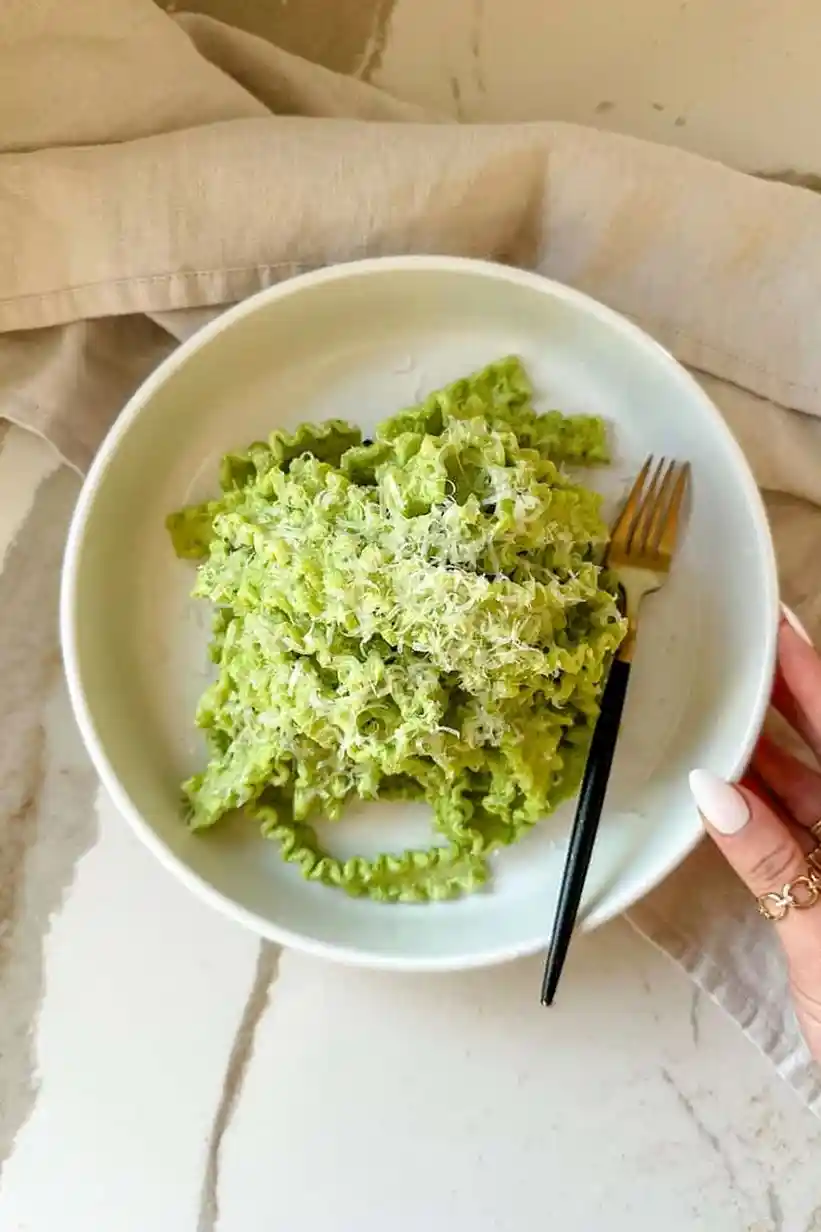
List of ingredients
- 1/4 cup fresh dill
- 1/4 cup fresh chives
- 1/4 cup fresh cilantro
- 1/2 shallot
- 1/3 cup high quality extra virgin olive oil
- 1 tbsp fresh lemon juice
- 1/2 cup cottage cheese
- 1/4 cup plain greek yogurt
- 1/4 cup pasta water
- 1/2 cup freshly grated parmesan cheese
- 1 tsp salt
- 1/2 tsp pepper
- 8 oz of your favorite pasta
step-by-step instructions
- Step: Start by boiling pasta to al a dente.
- Step: Add dill, chives, cilantro, shallot, extra virgin olive oil, lemon juice, cottage cheese, greek yogurt, salt, pepper and pasta water to a blender and blend until smooth and creamy.
- Step: Add pasta sauce to a skillet over low heat and add in cooked noodles.
- Step: Toss until fully coated, and mix in parmesan cheese. Serve warm.
Practical Preparation Techniques
Achieving Optimal Sauce Emulsification
The secret to a truly smooth sauce lies in the speed of your blender and the temperature of your ingredients. Ensure your cottage cheese and yogurt are slightly closer to room temperature before blending to prevent any curdling or uneven texture. The olive oil acts as an emulsifier, so blending the mixture for at least 45 to 60 seconds is crucial for achieving that signature glossy, restaurant-style finish.
Managing Pasta Starch for Better Adhesion
Never underestimate the value of the pasta water you reserve after boiling your noodles. The starch molecules suspended in that liquid are exactly what allow the sauce to cling to the pasta instead of sliding off to the bottom of the bowl. If you forget to save the water, a small splash of hot water mixed with a tiny pinch of cornstarch can act as a temporary emergency substitute.
Customizing Your Herbal Profile
Experimenting with Alternative Fresh Greens
While dill, chives, and cilantro provide the classic green goddess profile, you can easily adapt this based on what is growing in your garden or available in your fridge. Fresh basil adds a sweet, peppery note that pairs exceptionally well with the parmesan, while flat-leaf parsley offers a clean, grassy foundation that lets the other ingredients shine. If you want a more robust, peppery bite, try adding a handful of fresh arugula or baby spinach leaves directly into the blender.
Balancing Aromatics and Texture
If you find raw shallots too pungent, you can lightly sauté them in a teaspoon of olive oil before adding them to the blender. This process mellows the flavor and creates a more subtle, cooked-in sweetness. Alternatively, if you want a chunkier sauce, fold in some finely minced chives or parsley by hand after the blending process is complete, which adds textural contrast to the otherwise smooth sauce base.
Pairing and Presentation Suggestions
Selecting the Best Pasta Shapes
The best pasta shapes for this sauce are those with nooks, crannies, or ridges that can physically trap the creamy emulsion. Mafaldine, with its ruffled edges, is an excellent choice as it holds onto the sauce, ensuring every bite is flavorful. Other great options include campanelle, which features a bell-like shape, or cavatappi, which provides a hollow spiral that captures the sauce inside.
Complementary Protein Additions
While this dish is a complete meal on its own, adding a protein source can turn it into a powerhouse dinner. Grilled shrimp seasoned with lemon and garlic pair beautifully with the herbal notes of the sauce. For a plant-based alternative, roasted chickpeas or pan-seared tofu cubes tossed in the sauce right before serving provide excellent contrast in texture and added nutritional value.
Storage and Reheating Guidelines
Maintaining Quality During Refrigeration
If you have leftovers, store the pasta in an airtight glass container to prevent the sauce from absorbing other odors in the refrigerator. Because of the dairy content in the sauce, it is best consumed within three days. To keep the texture from becoming too dry, store the pasta and sauce together; the noodles will continue to soak up the flavor as they sit.
Reviving the Sauce Texture
When reheating, dairy-based sauces can sometimes break or separate. To avoid this, reheat the pasta in a skillet over low heat rather than using a microwave. Add a splash of water or a tiny bit of olive oil while stirring constantly, which helps reconstitute the sauce into its original creamy state. If using a microwave, heat in 30-second increments and stir thoroughly between each interval.
Frequently Asked Questions
Can I make this sauce ahead of time?
Yes, you can prepare the sauce component up to 24 hours in advance. Store it in a sealed jar in the refrigerator and stir it vigorously or give it a quick pulse in the blender before tossing it with freshly boiled pasta.
Is there a way to make this sauce thicker?
If your sauce feels too thin, you can add a few extra tablespoons of grated parmesan cheese, as the salt and protein will help bind the liquid. Alternatively, reduce the amount of pasta water you initially add to the blender.
Can I use dried herbs instead of fresh?
This specific recipe relies on the high moisture content and vibrant color of fresh herbs to create the green goddess aesthetic. Dried herbs will result in a gritty texture and will not provide the same bright, garden-fresh flavor profile, so they are not recommended.
What should I do if the sauce tastes too acidic?
If the lemon juice creates a flavor that is too sharp for your palate, add a small pinch of sugar or a teaspoon of honey. This balances the acidity without compromising the overall savory, herby theme of the dish.
Print
Green Goddess Pasta Sauce
- Total Time: PT20M
- Yield: 5 servings 1x
- Diet: Vegetarian
Description
This Green Goddess Pasta Sauce comes together in just minutes and is packed with fresh flavors and herbs. Made with cottage cheese and Greek yogurt, it’s creamy and delicious. Pair it with your favorite noodles and enjoy!
Ingredients
- 1/4 cup fresh dill
- 1/4 cup fresh chives
- 1/4 cup fresh cilantro
- 1/2 shallot
- 1/3 cup high quality extra virgin olive oil
- 1 tbsp fresh lemon juice
- 1/2 cup cottage cheese
- 1/4 cup plain greek yogurt
- 1/4 cup pasta water
- 1/2 cup freshly grated parmesan cheese
- 1 tsp salt
- 1/2 tsp pepper
- 8 oz of your favorite pasta
Instructions
- Step: Start by boiling pasta to al a dente.
- Step: Add dill, chives, cilantro, shallot, extra virgin olive oil, lemon juice, cottage cheese, greek yogurt, salt, pepper and pasta water to a blender and blend until smooth and creamy.
- Step: Add pasta sauce to a skillet over low heat and add in cooked noodles.
- Step: Toss until fully coated, and mix in parmesan cheese. Serve warm.
Notes
If you don’t have a blender you can use a food processor or an immersion blender. If your sauce is too thick, you can thin it out by adding in more pasta water. Add salt and pepper to taste.
- Prep Time: PT10M
- Cook Time: PT10M
- Category: Entree
- Method: Stovetop
- Cuisine: American
Nutrition
- Serving Size: 1 serving
- Calories: 320 kcal
- Sugar: 3 g
- Sodium: 580 mg
- Fat: 18 g
- Saturated Fat: 5 g
- Unsaturated Fat: 12 g
- Trans Fat: 0 g
- Carbohydrates: 28 g
- Fiber: 2 g
- Protein: 14 g
- Cholesterol: 25 mg