
This luxurious vegan creamy pasta is the ultimate comfort meal, offering a rich and velvety texture that feels indulgent yet remains entirely plant-based. By utilizing pantry staples and simple aromatics, you can pull this entire dish together in just 20 minutes, making it a perfect candidate for quick weeknight dinners. The combination of savory garlic, shallots, and a touch of soy sauce creates a deep flavor profile that rivals any traditional cream sauce.
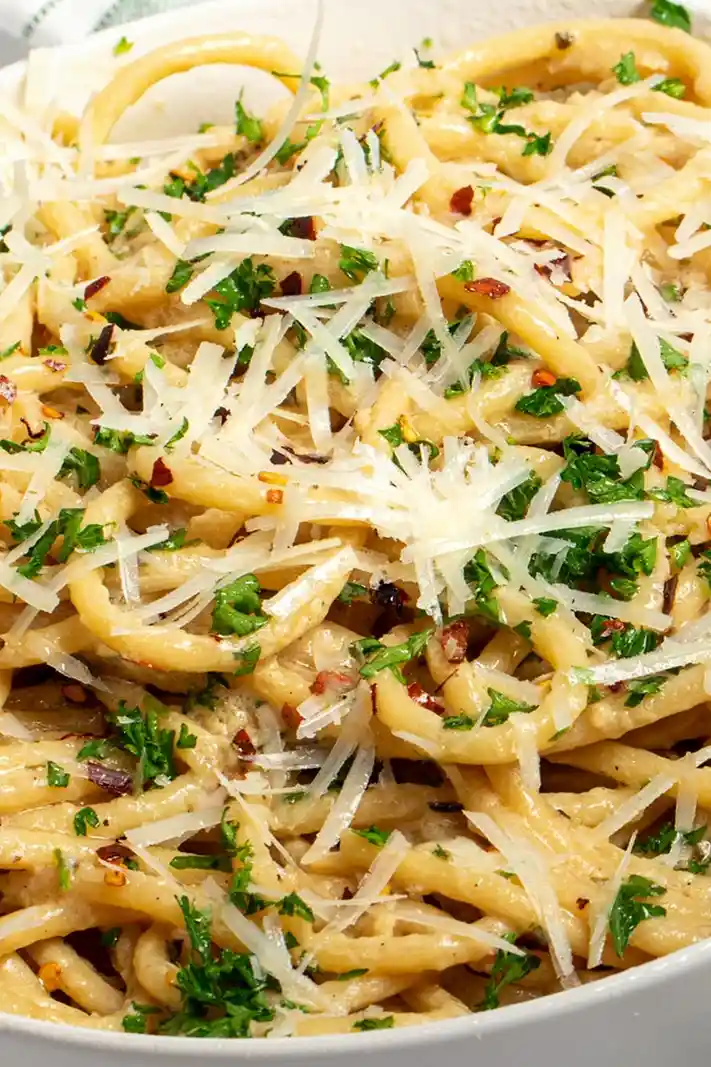
List of ingredients
- 1 pound (454 grams) dry uncooked pasta
- 4 tablespoons vegan butter or 2-3 tablespoons vegetable broth
- 1 large shallot, very finely diced
- 6-8 cloves garlic, minced
- 1 ½ cups thick, creamy unsweetened non-dairy milk
- ¾ cup reserved pasta water
- ½ cup vegan Parmesan cheese, finely grated
- 1 teaspoon agave or organic sugar (optional)
- 3 tablespoons reduced sodium soy sauce or tamari (optional)
- ½ teaspoon sea salt
- ½ teaspoon fresh cracked black pepper
- 1 teaspoon dried oregano
- ½ teaspoon red pepper flakes (optional)
- ¼ cup fresh parsley, finely chopped (optional)
step-by-step instructions
- Step: Start by making your pasta according to package directions.
- Step: Before you drain the pasta, place a measuring cup in the sink underneath your colander to reserve about 3/4 cup of the starchy pasta water.
- Step: Melt the vegan butter in a large nonstick skillet over medium-high heat.
- Step: Add the shallots and saute for 1-2 minutes; add the garlic and saute for another minute until fragrant.
- Step: Reduce heat to medium, add the non-dairy milk, and bring to a simmer. Cook for 3-5 minutes until the sauce thickens slightly.
- Step: Stir in the reserved pasta water, salt, pepper, oregano, red pepper flakes, and soy sauce. Simmer for another 2-3 minutes.
- Step: Remove from heat, stir in the vegan parmesan until melted, and toss with the cooked pasta.
- Step: Garnish with fresh parsley and serve.
Practical Cooking Tips
Achieving the Perfect Sauce Consistency
The secret to a luscious sauce is the integration of starch. By reserving the pasta water, you incorporate the starch released during boiling, which acts as a natural thickener. If your sauce ever feels too thin, simply continue simmering it for an extra minute or whisk in a tiny slurry of cornstarch and cold water.
Importance of High-Quality Non-Dairy Milk
Not all plant milks are created equal when it comes to sauces. For the creamiest results, avoid thin, watery carton milks. Always choose a product labeled as full-fat or barista-style, or use full-fat canned coconut milk, as these contain the necessary fats to create that signature velvety mouthfeel.
Managing Aromatics Properly
When cooking with shallots and garlic, temperature control is vital. Ensure your skillet is hot before adding the butter, but reduce the heat immediately once you add the aromatics to prevent burning. Burnt garlic will turn the entire sauce bitter, so keep a close eye on the pan during the initial sauté phase.
Substitutions and Flavor Variations
Adapting for Gluten-Free Needs
This recipe is easily modified for gluten-free diets by substituting your favorite gluten-free pasta blend. Brown rice and quinoa pasta blends tend to hold their shape and texture best when tossed in creamy sauces. Always ensure your soy sauce is swapped for a gluten-free tamari to keep the entire dish safe.
Customizing Your Flavor Profile
If you prefer a lighter profile, you can omit the soy sauce and add a squeeze of fresh lemon juice at the end to brighten the dish. For an even richer sauce, add a tablespoon of nutritional yeast alongside the vegan Parmesan. If you want to lean into Italian flavors, try swapping the oregano for fresh basil or a pinch of dried thyme.
Adding Vegetables for Texture
You can turn this pasta into a complete meal by incorporating sautéed or steamed vegetables. Broccoli florets, sliced mushrooms, or tender asparagus spears are excellent additions. Simply cook your chosen vegetables separately and toss them into the skillet during the final step when you add the pasta to the sauce.
Serving Ideas
Pairing with Fresh Greens
Because the sauce is quite rich, it pairs beautifully with light, crisp sides. A simple arugula salad tossed with a light vinaigrette or a side of steamed broccolini balances the meal perfectly. The bitterness of the greens cuts through the creaminess, making every bite more enjoyable.
Adding Protein Sources
If you want to elevate this into a heartier entree, add a vegan protein source. Crispy air-fried tofu cubes or seitan strips can be tossed in right at the end. These additions bring a satisfying texture that complements the softness of the noodles and the smooth sauce.
Storage and Reheating
Proper Refrigeration Techniques
Store your leftover pasta in an airtight, preferably glass, container. Glass is superior to plastic because it does not absorb the strong aromatics of the garlic, keeping the sauce fresh for the next meal. Keep it in the coldest part of your refrigerator for up to four days.
Refreshing the Texture
Because pasta is porous, it will soak up the sauce as it sits in the fridge, making it seem less creamy the next day. When reheating on the stove, add a small splash of water or a tiny bit of extra non-dairy milk to loosen the sauce. Use low heat to prevent the vegan cheese from separating or clumping.
Frequently Asked Questions
Can I make this sauce without vegan cheese?
Yes, the sauce will still be delicious even without the cheese. If you omit the Parmesan, simmer the sauce for an additional few minutes to reach your desired thickness, and consider adding a dash of nutritional yeast to retain that savory umami kick.
Why is my sauce clumping?
Clumping usually occurs if the pan is too hot or if the vegan cheese was added while the heat was at a high level. Always remove the skillet from the burner completely before stirring in the cheese to ensure it melts smoothly into the liquid base.
Can I freeze the leftovers?
While you can freeze this pasta, the texture of the sauce and the noodles may change significantly upon thawing. It is best enjoyed fresh or within a few days of storage in the refrigerator rather than freezing, which can cause the sauce to separate or become grainy.
How do I know if the garlic is cooked enough?
You will know the garlic is ready when it turns fragrant and slightly golden, usually taking about 60 seconds. Do not let it turn dark brown, as that indicates it has started to burn, which will ruin the delicate balance of the cream sauce.
Is there a way to make this dish oil-free?
Absolutely, simply swap the vegan butter for a few tablespoons of vegetable broth when sautéing your aromatics. Keep a small amount of extra broth on hand, as you may need to add a splash if the pan becomes too dry while the shallots and garlic soften.
Print
Vegan Creamy Pasta
- Total Time: PT20M
- Yield: 10 cups 1x
- Diet: Vegan
Description
Ultra luscious and flavorful, this Vegan Creamy Pasta takes only 20 minutes to make with simple ingredients you likely already have in your kitchen.
Ingredients
- 1 pound (454 grams) dry uncooked pasta
- 4 tablespoons vegan butter or 2–3 tablespoons vegetable broth
- 1 large shallot, very finely diced
- 6–8 cloves garlic, minced
- 1 ½ cups thick, creamy unsweetened non-dairy milk
- ¾ cup reserved pasta water
- ½ cup vegan Parmesan cheese, finely grated
- 1 teaspoon agave or organic sugar (optional)
- 3 tablespoons reduced sodium soy sauce or tamari (optional)
- ½ teaspoon sea salt
- ½ teaspoon fresh cracked black pepper
- 1 teaspoon dried oregano
- ½ teaspoon red pepper flakes (optional)
- ¼ cup fresh parsley, finely chopped (optional)
Instructions
- Step: Start by making your pasta according to package directions.
- Step: Before you drain the pasta, place a measuring cup in the sink underneath your colander to reserve about 3/4 cup of the starchy pasta water.
- Step: Melt the vegan butter in a large nonstick skillet over medium-high heat.
- Step: Add the shallots and saute for 1-2 minutes; add the garlic and saute for another minute until fragrant.
- Step: Reduce heat to medium, add the non-dairy milk, and bring to a simmer. Cook for 3-5 minutes until the sauce thickens slightly.
- Step: Stir in the reserved pasta water, salt, pepper, oregano, red pepper flakes, and soy sauce. Simmer for another 2-3 minutes.
- Step: Remove from heat, stir in the vegan parmesan until melted, and toss with the cooked pasta.
- Step: Garnish with fresh parsley and serve.
Notes
Ensure you use a thicker non-dairy milk like oat milk or full-fat coconut milk for the best texture. If the sauce is too thin, you can whisk in a small amount of cornstarch slurry.
- Prep Time: PT5M
- Cook Time: PT15M
- Category: Entree
- Method: Stove top
- Cuisine: American
Nutrition
- Serving Size: 1 cup
- Calories: 320 kcal
- Sugar: 3 g
- Sodium: 450 mg
- Fat: 8 g
- Saturated Fat: 1 g
- Unsaturated Fat: 6 g
- Trans Fat: 0 g
- Carbohydrates: 52 g
- Fiber: 3 g
- Protein: 9 g
- Cholesterol: 0 mg