
Discover the vibrant, savory essence of Shanghai street food right in your own home with this straightforward recipe for stir-fried noodles. This dish balances chewy, thick noodles with tender protein and crisp, fresh vegetables, all coated in a rich, aromatic sauce. Perfect for busy weeknights, it delivers a restaurant-style experience in under half an hour while allowing for effortless ingredient swaps to suit your dietary needs.
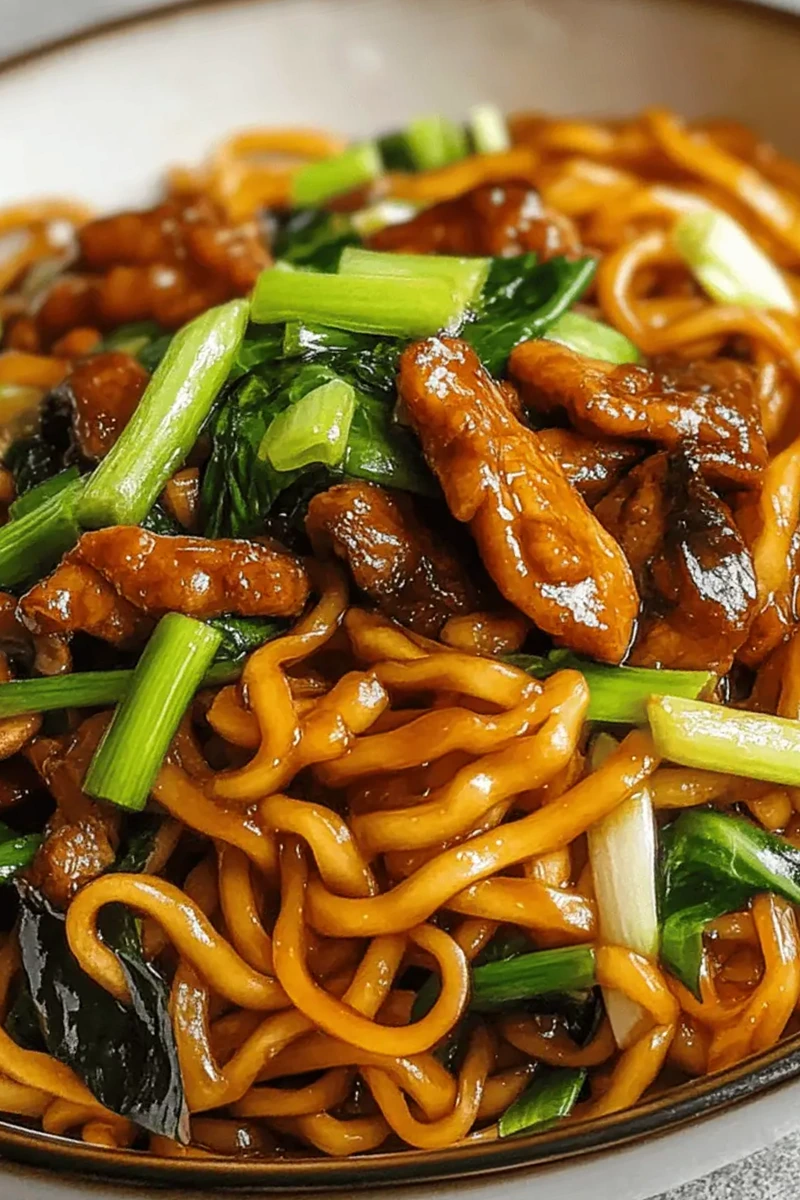
List of ingredients
- 8 oz Thick Noodles (Chow Mein or Lo Mein)
- 1 lb Chicken or Tofu (sliced)
- 2 cups Cabbage (chopped)
- 1 cup Mushrooms (sliced)
- 1 cup Green Onions (chopped)
- 1/4 cup Low-sodium Soy Sauce
- 3 cloves Garlic (minced)
- 1 tbsp Ginger (grated)
step-by-step instructions
- Step 1: Combine sliced chicken or tofu with soy sauce, minced garlic, and grated ginger in a bowl and marinate for 10 minutes.
- Step 2: Bring a pot of salted water to a boil, cook noodles until al dente, drain, and rinse with cold water.
- Step 3: Heat a wok or pan with oil over high heat, stir-fry the protein for 3-4 minutes until cooked through, then remove and set aside.
- Step 4: In the same pan, stir-fry cabbage, mushrooms, and green onions for 4-5 minutes until tender-crisp.
- Step 5: Return the protein to the pan, add the noodles and a splash of soy sauce, then stir-fry for 2-3 minutes.
- Step 6: Serve warm, garnished with sliced green onions or sesame seeds.
Essential Preparation Techniques
Managing Heat Levels
Achieving that authentic stir-fry flavor requires high heat, which allows for quick caramelization of the vegetables and protein. Always ensure your pan is properly preheated before adding ingredients to prevent them from steaming instead of searing. If you feel the pan is cooling down too much, work in smaller batches to maintain the ideal temperature throughout the process.
Consistent Ingredient Sizing
Ensuring that your protein strips and vegetable pieces are uniform in size is key to even cooking. When ingredients are cut to similar dimensions, they finish cooking at the same time, preventing some pieces from becoming mushy while others remain raw. Take an extra moment during the prep phase to slice your cabbage, mushrooms, and protein into consistent, bite-sized portions.
Preventing Noodle Clumping
Rinsing the boiled noodles under cold water is a vital step that stops the residual heat from overcooking them and washes away excess starch. If you are not using the noodles immediately after rinsing, toss them with a light coating of neutral oil to maintain their separate strands. This simple habit ensures the final texture remains springy rather than gummy when combined with the sauce.
Customization and Flavor Profiles
Expanding Protein Options
While chicken and tofu are excellent, you can easily adapt this dish to use other mild proteins. Thinly sliced turkey or even blanched shrimp work exceptionally well in this stir-fry format. Ensure that any protein you choose is sliced thin enough to cook quickly, preserving the fast-paced nature of the meal.
Incorporating Seasonal Vegetables
The beauty of this recipe is its ability to absorb whatever produce is currently in season. Incorporating snap peas, thinly sliced carrots, or baby corn adds layers of color and different types of crunch. Always add harder vegetables to the pan first and save leafy greens or delicate herbs for the final minute of cooking to maintain their vibrant color and nutritional integrity.
Adjusting the Flavor Balance
If you prefer a more complex sauce, consider adding a dash of toasted sesame oil right at the end for a nutty aroma. For those who enjoy a subtle sweetness, a small amount of honey or brown sugar can balance the salty soy sauce perfectly. Always start with a small amount of added seasoning, as it is easier to adjust the flavor profile as you toss the ingredients together.
Strategic Meal Planning
Efficient Ingredient Prep
If you have a hectic schedule, you can perform the heavy lifting for this meal up to 24 hours ahead of time. Marinate your protein and store it in the refrigerator, and chop your vegetables, keeping them in airtight containers. Having these components ready to go makes the actual cooking phase a matter of minutes, perfect for those who want a homemade meal without the long prep time.
Handling Leftovers Effectively
Leftover noodles keep well in the refrigerator for up to three days when stored in an airtight container. When transferring them, allow the mixture to cool down slightly before sealing the lid to avoid excess condensation, which can make the noodles soften. Properly chilled leftovers provide a quick and convenient lunch option for the following days.
Optimizing Reheating Methods
To restore the texture of refrigerated noodles, avoid the microwave if possible. Instead, reheat them in a non-stick pan over medium heat with a tiny splash of water or oil. Stirring them constantly ensures that the sauce redistributes evenly and the noodles regain their original springy quality without drying out or scorching.
Common Kitchen Queries
How can I ensure the sauce coats the noodles perfectly?
To ensure uniform coverage, add the sauce while the pan is still over high heat and use tongs to toss the noodles rapidly. The steam generated by the hot pan helps the sauce emulsify with the ingredients, resulting in a glossy, well-coated dish. Avoid adding too much sauce at once, as you want the ingredients to be flavorful but not swimming in liquid.
Is there a way to make the dish more filling for guests?
To make the meal heartier, consider increasing the quantity of vegetables or protein rather than just the noodles. Adding fiber-rich options like bean sprouts or extra mushrooms increases the volume of the dish significantly without requiring much extra effort. This ensures every bite is packed with texture and nutrition, leaving your guests satisfied.
What is the benefit of using fresh ginger?
Fresh ginger provides a vibrant, sharp heat that dried powders cannot replicate. It also contributes a subtle citrus note that cuts through the savory richness of the soy sauce, which is essential for an authentic flavor profile. If you have a large piece of ginger, keep it in the freezer and grate it while frozen to make the process easier and cleaner.
Can this dish be made entirely plant-based?
This recipe is highly adaptable and can be made entirely vegan by using extra-firm tofu or seitan as your protein source. Ensure that the noodles you select do not contain egg, and double-check that your soy sauce is not processed with any animal-derived ingredients. The rest of the preparation method remains identical, yielding a delicious, plant-powered meal.
Why should I avoid overcrowding the wok?
Overcrowding the pan causes the temperature to drop rapidly and releases moisture from the ingredients faster than it can evaporate. This leads to the ingredients stewing in their own juices rather than stir-frying, resulting in a less appetizing texture. Cooking in batches preserves the high heat necessary for authentic flavor development and ensures every piece gets a nice sear.
Print
Savory Shanghai Fried Noodles in Just 30 Minutes
- Total Time: 30 minutes
- Yield: 4 servings 1x
- Diet: Dairy-Free
Description
A quick and delightful recipe for Shanghai Fried Noodles featuring chewy noodles, tender protein, and fresh vegetables.
Ingredients
- 8 oz Thick Noodles (Chow Mein or Lo Mein)
- 1 lb Chicken or Tofu (sliced)
- 2 cups Cabbage (chopped)
- 1 cup Mushrooms (sliced)
- 1 cup Green Onions (chopped)
- 1/4 cup Low-sodium Soy Sauce
- 3 cloves Garlic (minced)
- 1 tbsp Ginger (grated)
Instructions
- Step 1: Combine sliced chicken or tofu with soy sauce, minced garlic, and grated ginger in a bowl and marinate for 10 minutes.
- Step 2: Bring a pot of salted water to a boil, cook noodles until al dente, drain, and rinse with cold water.
- Step 3: Heat a wok or pan with oil over high heat, stir-fry the protein for 3-4 minutes until cooked through, then remove and set aside.
- Step 4: In the same pan, stir-fry cabbage, mushrooms, and green onions for 4-5 minutes until tender-crisp.
- Step 5: Return the protein to the pan, add the noodles and a splash of soy sauce, then stir-fry for 2-3 minutes.
- Step 6: Serve warm, garnished with sliced green onions or sesame seeds.
Notes
Prep all ingredients ahead of time for a smooth cooking process. Adjust soy sauce to taste during cooking.
- Prep Time: 10 minutes
- Cook Time: 20 minutes
- Category: Dinner
- Method: Stir-fry
- Cuisine: Chinese
Nutrition
- Serving Size: 1 serving
- Calories: 400 kcal
- Sugar: 5 g
- Sodium: 800 mg
- Fat: 15 g
- Saturated Fat: 3 g
- Unsaturated Fat: 10 g
- Trans Fat: 0 g
- Carbohydrates: 50 g
- Fiber: 3 g
- Protein: 20 g
- Cholesterol: 70 mg