
I’ve found that one of the hardest parts of eating low-carb is giving up truly satisfying bread. This keto sourdough bread recipe changes that entirely, delivering a hearty loaf with a beautiful, rich aroma. This recipe provides a genuine bread experience without compromise, allowing you to enjoy a beautiful, low-carb loaf. We’ll walk you through making this keto sourdough bread recipe, from the overnight proof to the perfect golden crust. It truly changes what’s possible for low-carb eating with a homemade keto sourdough bread recipe.

Ingredients
- 200g (1 ¾ cups) fine almond flour: This provides the low-carb base for the bread, yielding a soft, cake-like texture. Ensure you use fine ground almond flour, not almond meal, for the best crumb.
- 60g (½ cup) coconut flour: Coconut flour acts as an absorbent binder in combination with the almond flour. Measure accurately, as small changes in quantity can affect the dough’s moisture significantly.
- 60g (½ cup) psyllium husk powder: This ingredient is essential for providing structure and chewiness in place of gluten, helping to create a texture similar to traditional keto sourdough bread. It absorbs a high volume of water, so do not substitute with psyllium husks (whole or broken); use powder.
- 2 tablespoons ground flaxseed meal: Acts as an additional binder and improves the overall texture and fiber content. Ensure it is freshly ground and not rancid for the best flavor.
- 1 tablespoon apple cider vinegar: The acidity helps activate the baking soda for leavening and enhances the sourdough flavor profile. Use unfiltered apple cider vinegar for the best results.
- 1 teaspoon baking soda: Provides rise and structure when combined with the apple cider vinegar. Be careful not to overmeasure, as excess baking soda can leave a metallic taste.
- 1 teaspoon sea salt (for dough): Enhances the overall flavor of the bread and controls fermentation. Use fine sea salt for even distribution in the dough mixture.
- 240ml (1 cup) warm water (38-40°C / 100-105°F): Warm water helps to activate the keto sourdough starter and hydrate the psyllium husk. Avoid water that is too hot, as it can kill the starter’s active cultures.
- 120g (½ cup) active keto sourdough starter (almond flour/psyllium based): This keto sourdough starter is crucial for developing the characteristic sourdough flavor and texture. Ensure your starter is active and recently fed before beginning the recipe.
- 30g (2 tablespoons) olive oil, plus extra for greasing: Adds moisture to the dough and results in a softer crumb texture. Use a good quality extra virgin olive oil for a delicate flavor.
- 1 whole head garlic: To roast for the filling.
- 15ml (1 tablespoon) olive oil (for roasting garlic): To roast the whole head of garlic until soft and caramelized for the filling. This enhances the sweet, nutty flavor of the garlic.
- 2 sprigs fresh rosemary, leaves finely chopped (approx. 1 tablespoon): Provides a fragrant and savory herbaceous note to the swirl mixture. Fresh rosemary is strongly recommended over dried for this recipe.
- 120g (½ cup) microbial rennet ricotta cheese: Forms the creamy, savory base of the swirl filling. Microbial rennet ensures it is vegetarian-friendly, and whole milk ricotta will provide the richest flavor.
- ¼ teaspoon sea salt (for swirl): To season the ricotta mixture.
- Pinch of freshly ground black pepper: Adds depth to the savory filling.
- 5ml (1 teaspoon) olive oil (for garnish): For finishing the sliced bread with a glistening sheen. A small drizzle of high-quality olive oil adds a luxurious touch.
- 1 small sprig fresh rosemary, leaves picked (for garnish): For an aromatic and visually appealing finish.
Instructions
- Prepare the Roasted Garlic and Ricotta Swirl Filling. Preheat oven to 200°C (400°F) and prepare the garlic: Slice the top ¼ inch from the garlic head, drizzle with 1 tablespoon olive oil, wrap tightly in foil, and roast for 30-40 minutes until very soft. Allow the garlic to cool slightly, then squeeze the soft cloves into a small bowl and mash them thoroughly with a fork. Add the chopped rosemary, ricotta cheese, ¼ teaspoon sea salt, and black pepper; mix until all ingredients are well combined and creamy. Set aside.
- Combine the Dry Ingredients for the Dough. In a large bowl, whisk together the almond flour, coconut flour, psyllium husk powder, ground flaxseed meal, baking soda, and 1 teaspoon sea salt (for the dough). Whisk thoroughly to ensure the baking soda and psyllium powder are evenly distributed; this prevents dense spots in the finished bread.
- Combine the Wet Ingredients. In a separate medium bowl, whisk together the warm water, active keto sourdough starter, apple cider vinegar, and 30g (2 tablespoons) olive oil. Ensure the starter is fully incorporated into the liquid to avoid lumps later in the dough.
- Mix and Rest the Dough. Pour the liquid mixture into the dry ingredients. Use a sturdy spoon or spatula to mix until a shaggy dough forms. Cover the bowl and allow the dough to rest for 10-15 minutes. This rest period is critical for the psyllium husk to fully absorb the liquid and thicken, making the dough pliable and easier to work with.
- Shape the Loaf and Add the Swirl Filling. Lightly grease your hands with olive oil. Turn the dough out onto a piece of parchment paper and gently knead for 2-3 minutes until it becomes cohesive. Form the dough into a rough rectangle (approximately 25×30 cm / 10×12 inches) and about 1 cm (0.4 inch) thick. Evenly spread the prepared roasted garlic and rosemary ricotta filling over the rectangle, leaving a small, clean border on one of the longer sides. If the dough feels sticky, I lightly dust my hands with a little extra almond flour before handling; it makes a big difference in shaping this high-moisture dough.
- Roll and Proof the Loaf. Starting from the long side opposite the clean border, carefully roll the dough into a tight log. Pinch the seam closed firmly to seal. Tuck the ends of the log underneath to create a round loaf shape. Place the loaf, seam-side up, into a lightly floured proofing basket (banneton) or a bowl lined with a floured kitchen towel, cover with a towel, and refrigerate for 4-8 hours (or overnight) to develop flavor. This long cold proof is essential for developing the deep flavor characteristic of great keto sourdough bread.
- Preheat Oven and Dutch Oven. When ready to bake, preheat your oven to 230°C (450°F). Place an empty 5-6 quart Dutch oven with its lid into the oven to preheat for a minimum of 30 minutes. Preheating the Dutch oven ensures maximum oven spring and creates a crisp crust.
- Bake the Loaf. Carefully remove the hot Dutch oven. Invert the dough into the pot (seam-side down) and score the top of the loaf with a sharp knife or bread lame. Place the lid back on and bake for 30 minutes. Remove the lid, reduce the oven temperature to 200°C (400°F), and continue baking for another 25-35 minutes, or until the crust is deeply golden brown. The internal temperature for a fully baked keto sourdough bread should register between 93-96°C (200-205°F).
- Cool Completely. Remove the baked bread from the Dutch oven and transfer it to a wire rack. It is crucial to let this keto sourdough bread cool completely for at least 2 hours before slicing. This cooling time allows the crumb structure to set properly; slicing too early will result in a gummy texture.
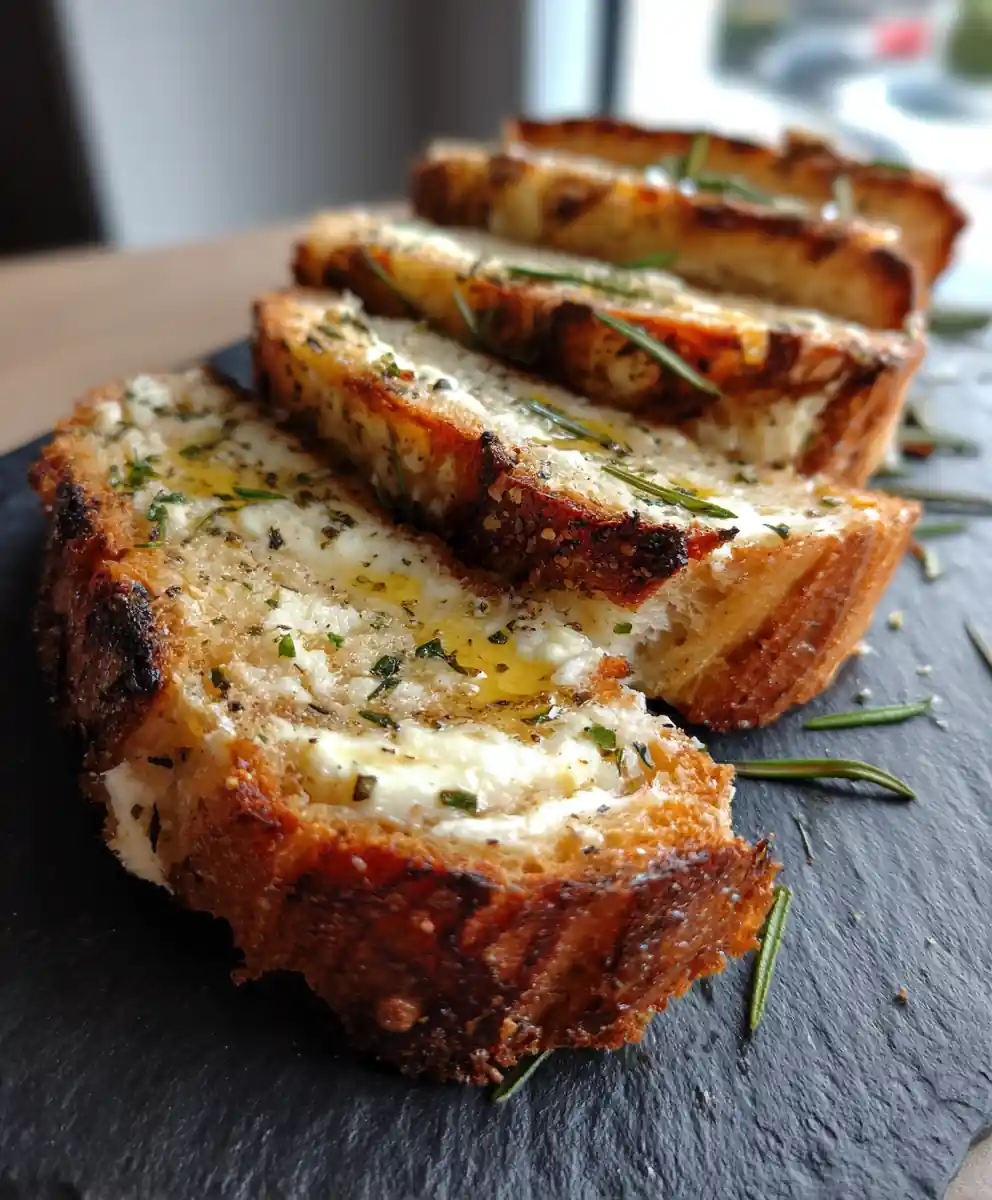
- Garnish and Serve. Once cooled, slice the bread to reveal the distinct swirl. Drizzle the remaining 5ml (1 teaspoon) olive oil over the cut side of a few slices and scatter the picked fresh rosemary leaves around the bread on a serving board.
Troubleshooting and Tips for Keto Sourdough
Even experienced bakers sometimes encounter challenges with low-carb ingredients. Here are some solutions for common issues specific to this keto sourdough bread recipe.
Why did my dough get too sticky or dry?
Keto doughs, particularly those relying heavily on psyllium husk powder, are highly sensitive to moisture ratios. If your dough feels excessively sticky, add a tablespoon of almond flour; if it seems too dry or cracks easily, add a tablespoon of warm water and knead briefly. I find that different brands of psyllium husk powder absorb liquid at varying rates, so I always keep extra almond flour and water handy for minor adjustments to get the perfect texture for this keto sourdough bread recipe.
What makes the psyllium husk so important?
Psyllium husk powder is the key ingredient that replaces gluten in this recipe. It absorbs liquid and provides the necessary elasticity and structure for a light, chewy crumb. Do not omit or substitute this ingredient, as it will fundamentally change the outcome.
Why do I need to roast the garlic first?
Roasting sweetens the garlic and mellows its sharpness, resulting in a more complex, savory flavor in the finished bread. Raw garlic would be too harsh and overpowering, especially when combined with the delicate flavors of the ricotta and rosemary swirl.
How do I get a perfect swirl?
Spread the filling evenly over the dough rectangle, leaving a small, clean border on one long edge. Roll the dough tightly, applying firm pressure as you go. When sealing the seam, pinch tightly to prevent the filling from leaking out during proofing and baking.
Can I skip the overnight proof?
The long cold proof in the refrigerator (4-8 hours minimum) allows the keto sourdough starter to work its magic and develop a deeper, more complex flavor. While you can shorten it to 2 hours at room temperature in a warm kitchen for faster results, the flavor will not be as complex.
Maintaining Your Keto Sourdough Starter
This recipe relies on an active keto starter, which functions differently from a standard wheat starter.
How do I feed my keto sourdough starter?
For a psyllium-based starter, feed it a mixture of psyllium husk powder, almond flour, and water in equal parts by weight. A common ratio is 1:1:1 (starter: flour mix: water). The psyllium provides the structure, while the almond flour provides the food for the cultures.
How do I know when my starter is ready to use?
An active keto starter will show signs of bubbling and growth (even if less pronounced than a traditional starter) within 4-12 hours of feeding. Use it when it has peaked in activity, typically when it’s near or at its highest rise.
How often should I feed my starter?
If kept at room temperature, feed it every 12 hours. If kept in the refrigerator (recommended for less maintenance), feed it once a week.
FAQs
Can I make this without a Dutch oven?
Yes, you can use a large covered casserole dish or a baking stone with a pan of water placed on the rack below to create steam. The Dutch oven method, however, provides the best results for crust and rise in this keto sourdough bread recipe.
What other fillings could I use?
To keep this recipe keto, you could create other savory swirls, such as pesto and parmesan cheese, or a sun-dried tomato and basil mixture (ensuring ingredients are low carb). Avoid high-sugar fillings like cinnamon and sugar, which would compromise the low-carb nature of this keto sourdough bread recipe.
What is microbial rennet ricotta and where can I buy it?
Microbial rennet is used to coagulate milk in cheesemaking instead of animal rennet. Look for this label on ricotta packaging; it’s often available at major supermarkets or health food stores.
How long does keto sourdough bread last?
Store the cooled, wrapped loaf at room temperature for up to 3 days, or refrigerate it in an airtight container for up to 5 days. For the best texture and freshness, slice only as needed and store the rest of the loaf whole.
Is this suitable for freezing?
Yes, tightly wrap the completely cooled loaf in plastic wrap, then aluminum foil, and store in a freezer bag. Freeze for up to 3 months. Thaw completely before slicing and serving.
Can I use regular sourdough starter instead of a keto one?
No, regular sourdough starter (made from wheat flour) contains carbohydrates that would negate the keto-friendly nature of the recipe. A keto starter uses almond or psyllium flour to maintain a low-carb profile, essential for making a true keto sourdough bread recipe.
Conclusion
This easy keto sourdough bread recipe proves that you don’t have to sacrifice flavor or texture to enjoy low-carb baking. The savory combination of roasted garlic and creamy ricotta creates a satisfying loaf perfect for sandwiches or snacking. Give this keto sourdough bread recipe a try this week and elevate your low-carb home cooking. If you enjoyed this recipe, please save it to your Pinterest board for easy access later!
Print
keto sourdough bread recipe
- Total Time: 120 minutes
- Yield: 1 loaf (12 servings) 1x
- Diet: Keto, Low Carb, Gluten-Free
Description
This low-carb sourdough bread recipe features a rich, savory roasted garlic and rosemary ricotta swirl, providing a satisfying, hearty texture without gluten, thanks to a combination of almond flour and psyllium husk.
Ingredients
- 1.75 cups fine almond flour
- 0.5 cup coconut flour
- 0.5 cup psyllium husk powder
- 2 tablespoons ground flaxseed meal
- 1 teaspoon baking soda
- 1 teaspoon sea salt (for dough)
- 1 cup warm water (100-105°F)
- 1 tablespoon apple cider vinegar
- 0.5 cup active keto sourdough starter
- 2 tablespoons olive oil (plus extra for greasing)
- 1 head garlic
- 1 tablespoon olive oil (for roasting)
- 1 tablespoon fresh rosemary, chopped
- 0.5 cup microbial rennet ricotta cheese
- 0.25 teaspoon sea salt (for swirl)
- Pinch black pepper
- 1 teaspoon olive oil (for garnish)
- 1 small sprig fresh rosemary, picked (for garnish)
Instructions
- Prepare Filling: Preheat oven to 400°F (200°C). Slice the top from the garlic head, drizzle with 1 tablespoon olive oil, wrap in foil, and roast for 30-40 minutes until soft. Mash the cooled roasted garlic cloves and mix thoroughly with ricotta cheese, chopped rosemary, salt, and pepper. Set aside.
- Mix Dough: In a large bowl, whisk together the almond flour, coconut flour, psyllium husk powder, flaxseed meal, baking soda, and 1 teaspoon sea salt. In a separate bowl, whisk together the warm water, active keto sourdough starter, apple cider vinegar, and 2 tablespoons olive oil. Combine the wet and dry mixtures until a shaggy dough forms.
- Rest and Shape: Cover the dough and allow to rest for 10-15 minutes, allowing the psyllium husk to absorb liquid. Turn the dough onto parchment paper and knead gently for 2-3 minutes. Roll or press into a 10×12 inch rectangle. Spread the ricotta filling over the dough, leaving a small clean border on one long edge.
- Roll and Proof: Tightly roll the dough into a log starting from the long side opposite the clean border. Pinch the seam closed firmly. Place the loaf seam-side up in a floured proofing basket (banneton) or a bowl lined with a floured towel. Cover and refrigerate for 4-8 hours (or overnight) to develop flavor.
- Bake Loaf: Preheat oven to 450°F (230°C) with an empty Dutch oven inside for at least 30 minutes. Carefully invert the dough into the hot Dutch oven (seam-side down) and score the top. Bake covered for 30 minutes. Reduce temperature to 400°F (200°C), remove the lid, and bake for another 25-35 minutes, until the crust is deeply golden brown.
- Cool Completely: Remove the bread from the Dutch oven and transfer to a wire rack. Let cool completely for at least 2 hours before slicing to allow the crumb structure to set properly and prevent gumminess.
- Serve: Once cooled, slice to reveal the swirl. Drizzle the cut side of slices with the remaining olive oil and scatter with fresh rosemary leaves.
Notes
Ensure you use fine ground almond flour and psyllium husk powder (not whole husks) for the correct texture. The long cold proof in the refrigerator is essential for developing the deep sourdough flavor, and a full cooling time of 2 hours is critical before slicing to prevent a gummy texture.
- Prep Time: 60 minutes
- Cook Time: 60 minutes
- Category: Bread
- Method: Baking
- Cuisine: General
Nutrition
- Serving Size: 1 slice
- Calories: 180 kcal
- Sugar: 1 g
- Sodium: 200 mg
- Fat: 14 g
- Saturated Fat: 3 g
- Unsaturated Fat: 11 g
- Trans Fat: 0 g
- Carbohydrates: 6 g
- Fiber: 4 g
- Protein: 6 g
- Cholesterol: 10 mg
FREE PRINTABLE RECIPE
Get the Printable Recipe PDF (Free)
Enter your email and we’ll send you the ingredients + step-by-step instructions as a clean PDF you can save to your phone.
- ✅ Printable PDF (ingredients + steps)
- ✅ Save it to your phone (no long scrolling)
- ✅ Includes cook time + servings
- ✅ Easy to follow
FAQ
Where’s the full recipe?
It’s delivered as a printable PDF so you can save it and cook without scrolling.
I didn’t get the email.
Check Spam/Promotions and search your inbox for your site name. Then click Confirm to receive the PDF.