
This recipe delivers tender, slow-cooked beef tacos paired with a rich, savory dipping broth. It is a practical way to achieve deep, smoky Mexican flavors using a slow cooker for minimal active effort.
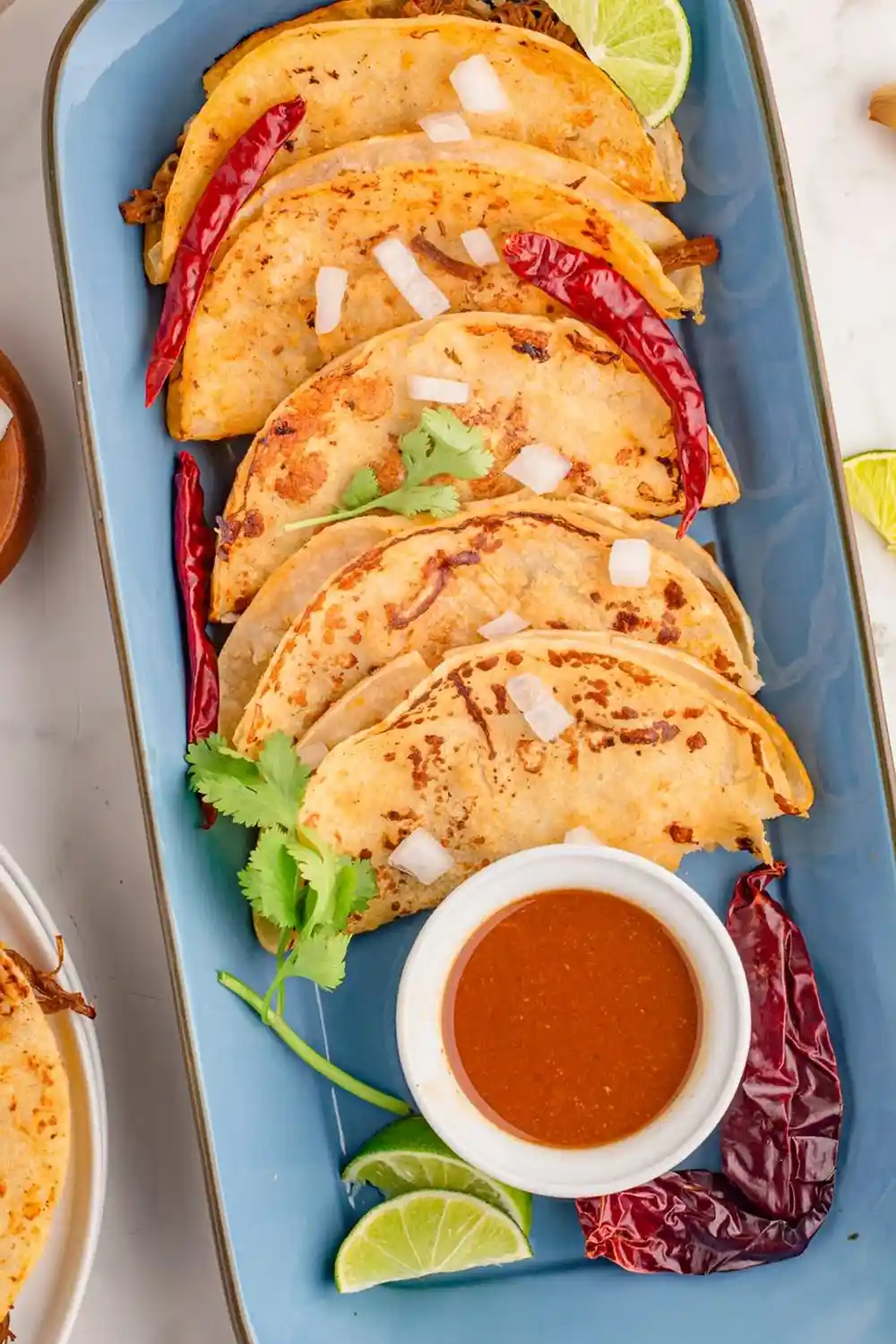
List of ingredients
- 3 lbs beef chuck roast, cut into large chunks – provides the necessary fat and connective tissue for tenderness.
- 5 dried guajillo chilies – adds a mild, fruity, and earthy base to the sauce.
- 3 dried arbol chilies – provides the primary heat and spice level.
- 1 white onion, cut into large chunks – adds aromatic sweetness and body to the marinade.
- 4 cloves garlic – provides a pungent, savory depth.
- 2 cups beef broth – creates the liquid base for the slow-cooking process.
- 1 tsp cumin – adds a warm, nutty flavor.
- 1 tsp dried oregano – provides a herbal contrast to the rich beef.
- 1/2 tsp ground cinnamon – adds a subtle warmth and complexity.
- 2 tbsp apple cider vinegar – provides acidity to balance the richness of the meat.
- salt and pepper to taste – essential for seasoning throughout the process.
- corn tortillas – traditional choice for authentic texture and flavor.
step-by-step instructions
- Prepare the chilies: Remove stems and seeds from the dried chilies. Toast them lightly in a dry skillet over medium heat until fragrant, then soak them in hot water for about 20 minutes until softened.
- Blend the marinade: Combine the soaked chilies, onion, garlic, cumin, oregano, cinnamon, vinegar, and a pinch of salt and pepper in a blender. Blend until smooth, adding some of the soaking water if needed to reach a sauce-like consistency.
- Marinate the beef: Place the beef chunks in a large bowl or zip-top bag and pour the marinade over the meat. Ensure all pieces are well coated, then cover and refrigerate for at least 4 hours, preferably overnight.
- Slow cook the meat: Transfer the marinated beef and all the sauce into a slow cooker. Add the beef broth, cover, and cook on low for 6-8 hours, or until the meat is tender enough to be easily shredded.
- Shred and strain: Remove the beef from the slow cooker and shred it using two forks. Strain the remaining cooking liquid through a mesh sieve to create the smooth dipping sauce known as consommé.
- Fry the tacos: Heat a skillet over medium heat. Dip each tortilla briefly into the consommé to coat the surface, place it in the skillet, and add a portion of shredded meat. Top with chopped onion, cilantro, and cheese if desired, then fold in half and cook until crispy on both sides.
- Serve: Plate the tacos hot with fresh lime wedges and serve the reserved consommé in small bowls for dipping.
Beef Selection and Preparation
Use Beef Chuck Roast for Maximum Tenderness
Beef chuck roast is the ideal cut for birria because it contains a high amount of connective tissue and intramuscular fat. During the long, slow cooking process, the collagen breaks down into gelatin, which results in meat that is succulent and easy to shred. This cut prevents the beef from becoming dry or tough during the 8-hour cook time.
Selecting Short Ribs for Richer Flavor
If you prefer a more intense beef flavor, beef short ribs are an excellent alternative to chuck roast. Short ribs have a higher fat content and a deeper beefy taste that permeates the consommé. When using short ribs, ensure you remove the bones after cooking before shredding the meat.
Properly Cutting the Meat Chunks
Cut the beef into large, uniform chunks of about 3 to 4 inches. Large chunks are less likely to overcook and disintegrate into mush during the slow cooking process. Uniform sizing ensures that every piece of meat cooks at the same rate, resulting in a consistent texture throughout the dish.
Mastering the Chili Paste
Toast Chilies for Smoky Depth
Lightly toasting the dried guajillo and arbol chilies in a dry pan awakens the essential oils and enhances the smoky notes. Be careful not to burn them, as scorched chilies can introduce a bitter taste to the final sauce. Toast them only until they become fragrant, which usually takes a few minutes over medium heat.
Rehydrating Peppers Correctly
Soaking the toasted chilies in hot water for 20 minutes is crucial for achieving a smooth blend. This process softens the tough skins of the dried peppers, allowing the blender to process them into a fine paste. If the peppers remain tough, the marinade may contain unwanted gritty pieces.
Achieving a Smooth Sauce Consistency
Using a high-powered blender is recommended to ensure the onion, garlic, and chilies are completely emulsified. If the sauce is too thick to blend, gradually add the reserved soaking water. A smooth marinade ensures that the flavor is evenly distributed across the meat and that the final consommé is refined.
Perfecting the Consommé
Straining the Cooking Liquid
Passing the cooking liquid through a fine-mesh strainer removes any remaining bits of garlic, onion, or chili skin. This process transforms the cooking juice into a professional-grade consommé with a clean, silky texture. Straining is the difference between a rustic stew and a refined dipping sauce.
Reducing the Broth for Intensity
If you find the consommé too thin, you can simmer it in a saucepan uncovered for 10 to 15 minutes. This reduction process concentrates the flavors and thickens the liquid slightly. This is especially useful if you accidentally added too much soaking water during the blending stage.
Managing the Fat Layer
A layer of red-tinted fat will naturally rise to the top of the consommé. This fat is highly flavorful and is essential for frying the tortillas to get that signature birria color and crunch. If there is excessive fat, you can skim some off, but keep enough to coat your tortillas during the final assembly.
Taco Assembly and Frying
Dipping Tortillas for Flavor
Dipping the corn tortillas directly into the fat-rich consommé is the most important step for authentic taste. The tortilla absorbs the spiced beef fat, which prevents the tortilla from drying out in the pan. This technique creates a flavorful barrier that keeps the interior moist while the exterior crisps up.
Maintaining Skillet Temperature
Use a medium-heat setting on your skillet to ensure the tortillas fry without burning. If the pan is too hot, the tortilla will char before the cheese melts or the meat heats through. If the pan is too cool, the tortilla will absorb too much oil and become greasy rather than crispy.
Adding the Perfect Amount of Filling
Place a generous portion of meat in the center of the tortilla, but leave enough room at the edges to fold it securely. Overfilling the taco can lead to the tortilla tearing during the flipping process. Adding the cheese and aromatics on top of the meat ensures they are integrated into the taco as it fries.
Alternative Cooking and Serving
Using an Instant Pot for Faster Results
For those without a slow cooker or those in a hurry, an Instant Pot can be used. Cook the marinated meat and broth on high pressure for 45 minutes, followed by a natural pressure release for 15 to 20 minutes. This method mimics the slow cooking process in a fraction of the time.
Suggested Toppings for Balance
Balance the richness of the beef with bright, fresh toppings. Finely diced white onion and fresh cilantro provide a sharp, clean contrast to the heavy fats. Squeeze fresh lime juice over the tacos just before eating to cut through the richness with acidity.
Serving the Dipping Broth
Serve the consommé in small, individual bowls or ramekins. For an enhanced presentation, add a few drops of the red fat to the top of each bowl and garnish with chopped cilantro and minced onion. This allows the diner to dip each bite of the taco into the hot liquid.
Preserving and Reheating Leftovers
Optimal Refrigeration Methods
Store the shredded meat and the consommé in separate airtight containers in the refrigerator. Keeping them separate prevents the meat from absorbing too much liquid and becoming overly soft. These components will remain fresh and flavorful for up to 4 days.
Freezing the Beef and Broth
Birria freezes exceptionally well because of its high fat content and spice profile. Freeze the meat and broth in separate freezer-safe bags or containers for up to 3 months. Thaw them overnight in the refrigerator before reheating to maintain the best texture.
Reheating Without Drying Out the Meat
The best way to reheat the meat is to simmer it directly in a portion of the consommé over low heat. This re-hydrates the beef fibers and ensures the meat remains tender. Avoid using a microwave for the meat alone, as this can make the beef rubbery.
Common Cooking Challenges
Fixing Meat That is Too Tough
If the meat is not shredding easily after the allotted time, it simply needs more heat. Continue cooking on low for another hour or transfer it to a pot and simmer on the stove. Toughness is usually a sign that the collagen has not yet fully broken down into gelatin.
Balancing Excessive Spiciness
If the sauce is too spicy due to the arbol chilies, you can balance the heat by adding a small amount of brown sugar or honey. Alternatively, adding more beef broth or a touch more apple cider vinegar can help mellow out the sharp heat of the peppers.
Improving a Bland Sauce
If the flavor seems flat, increase the salt or add another tablespoon of apple cider vinegar. Acidity is often the missing component in slow-cooked meats, as it brightens the other spices. A final seasoning check before shredding the meat is essential for a balanced taste.
Frequently Asked Questions
Do I need to sear the peppers before blending them?
Searing the peppers enhances their flavor and adds a smoky depth to the sauce, but it is not strictly necessary. If you are short on time, you can skip this step, though the flavor profile will be slightly more mild.
How can I make the tacos spicier?
To increase the heat, add more dried chiles de árbol, a teaspoon of cayenne pepper, or fresh chopped jalapeños to the blending process. You can also add sliced fresh chilies to the tacos during assembly.
Can I use a different type of meat?
Yes, while beef chuck roast is traditional, you can use lamb, goat, or even chicken. If using chicken, reduce the cooking time significantly to avoid overcooking the meat.
Do I have to fry the tortillas in the consommé?
While not mandatory, frying the tortillas in the consommé fat is key to the authentic birria experience. It provides the signature red color and a rich, crispy texture that cannot be achieved with oil alone.
Can I make this recipe ahead of time?
Absolutely. Birria often tastes better the next day as the flavors have more time to meld together. You can prepare the meat and consommé a day in advance and simply fry the tacos when ready to serve.
What if I do not have dried chilies?
You can substitute with chili powder, using about 2 tablespoons per dried chile. However, the flavor will be less complex and the color will be less vibrant than using whole dried peppers.
How do I thicken the consommé?
Simmer the consommé uncovered for 10-15 minutes to reduce the water content. Alternatively, blend a small portion of the cooked meat into the liquid and stir it back in to create a thicker consistency.
Can I use flour tortillas instead of corn?
Yes, flour tortillas can be used, but they do not hold up as well when fried in fat. Corn tortillas are more traditional and provide a better structural contrast to the tender meat.
What are the best toppings for birria tacos?
The most popular and traditional toppings include chopped white onion, fresh cilantro, lime wedges, avocado slices, and crumbled queso fresco or shredded Monterey Jack cheese.
Is it necessary to strain the consommé?
Straining is optional but recommended for a smoother experience. Some people prefer the rustic texture of the blended spices, but straining results in a more professional dipping sauce.
Print
Slow Cooker Birria Tacos with Consommé
- Total Time: 12 hours 30 minutes
- Yield: 8 servings 1x
- Diet: General
Description
Slow-cooked to perfection, these Birria Tacos are your new favorite meal! Rich and flavorful beef tacos that are sure to impress your dinner party guests. Served with a homemade consommé dipping sauce, it makes the perfect beef dinner.
Ingredients
- 3 lbs beef chuck roast, cut into large chunks
- 5 dried guajillo chilies
- 3 dried arbol chilies
- 1 white onion, cut into large chunks
- 4 cloves garlic
- 2 cups beef broth
- 1 tsp cumin
- 1 tsp dried oregano
- 1/2 tsp ground cinnamon
- 2 tbsp apple cider vinegar
- salt and pepper to taste
- corn tortillas
Instructions
- Step 1: Remove stems and seeds from the dried chilies. Toast them lightly in a dry skillet over medium heat until fragrant. Soak the toasted chilies in hot water for about 20 minutes until softened.
- Step 2: In a blender, combine the soaked chilies, onion, garlic, cumin, oregano, cinnamon, vinegar, and a pinch of salt and pepper. Blend until smooth, adding soaking water if necessary to achieve a sauce-like consistency.
- Step 3: Place the beef chunks in a large bowl or zip-top bag. Pour the marinade over the meat, ensuring all pieces are well coated. Cover and refrigerate for at least 4 hours, preferably overnight.
- Step 4: Transfer the marinated meat and marinade into a slow cooker. Add the beef broth. Cover and cook on low for 6-8 hours, or until the meat is tender and easily shredded.
- Step 5: Remove the meat from the slow cooker and shred it using two forks. Strain the cooking liquid to use as a dipping sauce (consommé).
- Step 6: Heat a skillet over medium heat. Dip each tortilla briefly into the consommé to coat. Place the dipped tortilla on the skillet and add a portion of shredded meat. Top with chopped onion, cilantro, and cheese if using. Fold the tortilla in half and cook until crispy on both sides.
- Step 7: Serve the tacos hot with lime wedges and a side of the reserved consommé for dipping.
Notes
Birria tastes better the next day as flavors meld. For extra spice, add more dried chiles de árbol or fresh jalapeños to the sauce.
- Prep Time: 4 hours 30 minutes
- Cook Time: 8 hours
- Category: Main Course
- Method: Slow Cooking
- Cuisine: Mexican
Nutrition
- Serving Size: 2 tacos
- Calories: 680 kcal
- Sugar: 6 g
- Sodium: 1150 mg
- Fat: 36 g
- Saturated Fat: 15 g
- Unsaturated Fat: 20 g
- Trans Fat: 0 g
- Carbohydrates: 34 g
- Fiber: 8 g
- Protein: 48 g
- Cholesterol: 130 mg