
These cookies deliver the warm, buttery flavors of a traditional peach cobbler in a portable, handheld format. They feature a soft, cinnamon-spiced base topped with a crunchy oat streusel for a perfect contrast in textures.
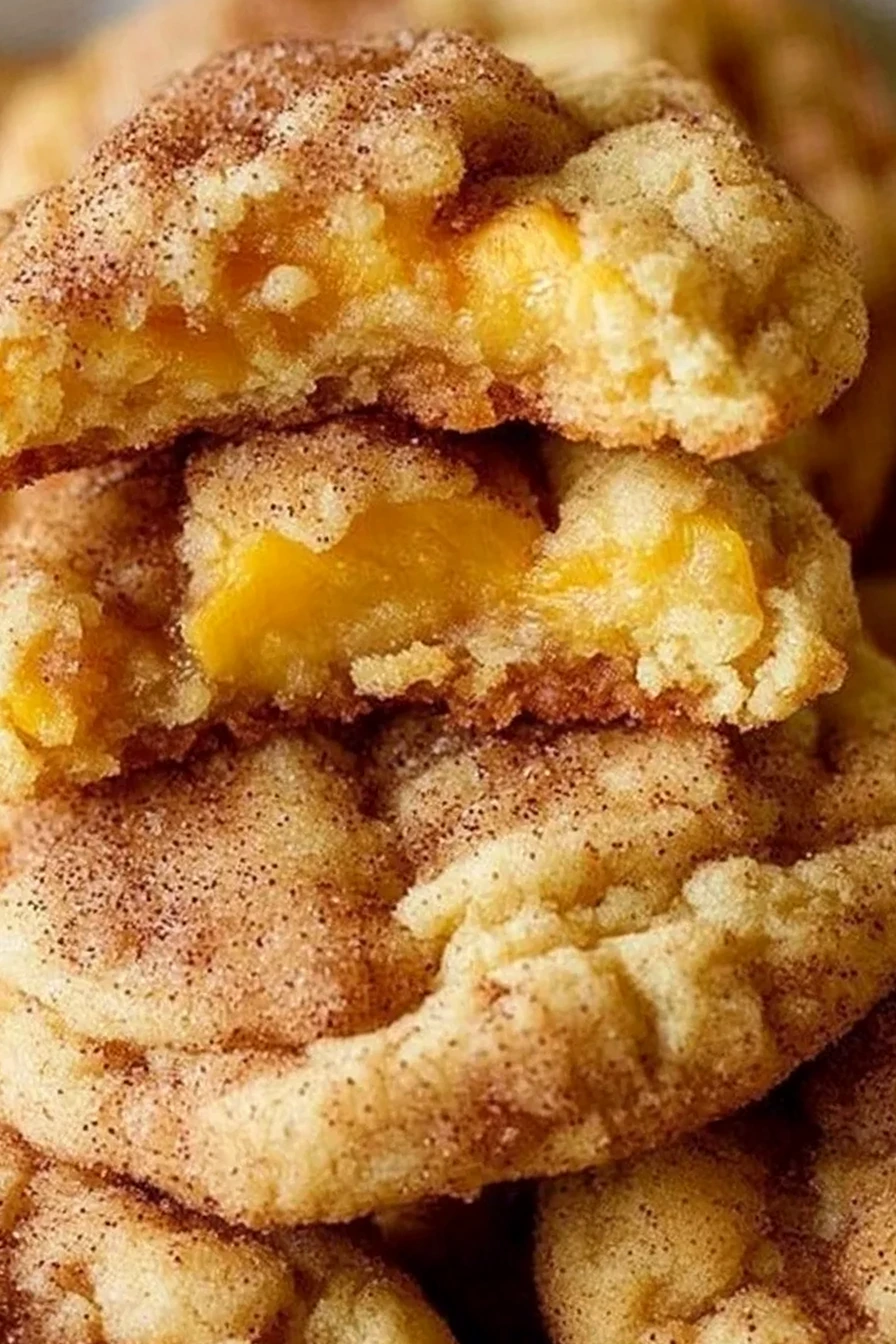
List of ingredients
- 1 1/2 cups all-purpose flour – provides the necessary structure for the cookie base.
- 1/2 teaspoon baking soda – ensures a proper rise and slight browning.
- 1/2 teaspoon ground cinnamon – adds warm, woody flavor to the dough.
- 1/4 teaspoon salt – balances the sweetness of the sugars.
- 1/2 cup unsalted butter, softened – creates a light and airy crumb when creamed.
- 3/4 cup granulated sugar – contributes to the sweetness and crisp edges.
- 1/4 cup light brown sugar, packed – adds moisture and a hint of molasses flavor.
- 1 large egg – binds the ingredients and adds richness.
- 1 teaspoon vanilla extract – enhances the overall aromatic profile.
- 1 cup diced fresh peaches (peeled) – provides juicy bursts of fruit flavor.
- 1/3 cup old-fashioned oats – used in the topping for a rustic, chewy texture.
- 2 tablespoons unsalted butter, melted (for streusel) – binds the topping ingredients.
- 2 tablespoons all-purpose flour (for streusel) – gives the topping stability.
- 2 tablespoons light brown sugar (for streusel) – adds sweetness to the crust.
- 1/4 teaspoon ground cinnamon (for streusel) – mirrors the cinnamon in the base.
step-by-step instructions
- Prepare Oven: Preheat the oven to 350°F (175°C) and line a baking sheet with parchment paper to prevent sticking.
- Combine Dry Ingredients: In a medium bowl, whisk together flour, baking soda, cinnamon, and salt until evenly distributed.
- Cream Butter and Sugars: In a large bowl, cream together softened butter, granulated sugar, and brown sugar until the mixture is light and fluffy. Beat in the egg and vanilla extract until smooth.
- Form the Dough: Gradually add the dry ingredients to the wet ingredients, mixing until just combined. Gently fold in the diced peaches using a spatula to avoid bruising the fruit.
- Prepare Streusel: In a small bowl, mix oats, melted butter, flour, brown sugar, and cinnamon until a crumbly paste forms.
- Bake and Cool: Scoop dough onto the prepared baking sheet. Sprinkle each cookie with streusel topping. Bake for 13-15 minutes or until golden brown. Cool on a wire rack before serving.
Fruit Selection and Preparation
Choosing the Best Ripe Peaches
Select peaches that are firm yet give slightly under gentle pressure. Avoid fruits with soft spots or bruised areas, as these can release too much moisture into the dough. Ripe peaches should have a fragrant aroma and a deep yellow or orange hue.
Blanching for Easy Peeling
To remove peach skins efficiently, score a small X into the bottom of each fruit. Submerge them in boiling water for 30 to 60 seconds, then immediately plunge them into an ice bath. The skins will slip off easily without removing the flesh of the fruit.
Dicing for Uniform Distribution
Cut the peeled peaches into small, uniform cubes, roughly 1/4 inch in size. Smaller pieces ensure that every bite of the cookie contains fruit without creating large gaps in the structure. Uniform sizes also help the cookies bake evenly across the tray.
Optimizing the Streusel Topping
Achieving a Crumbly Texture
Mix the streusel ingredients just until they clump together into small pebbles. Overmixing the melted butter and flour can result in a paste that is too smooth, which loses the signature crunch. Keep the mixture chunky for the best visual and textural result.
Preventing the Topping from Sinking
Press the streusel topping gently into the top of the dough scoop rather than mixing it in. This ensures the topping remains on the surface and caramelizes during the baking process. Applying the topping immediately after scooping the dough prevents it from sliding off.
Incorporating Nutty Elements
For added crunch, stir finely chopped pecans or walnuts into the streusel mixture. Ensure the nuts are chopped small so they do not overwhelm the delicate peach flavor. Toast the nuts lightly in a pan before adding them to enhance their nuttiness.
Dough Handling and Consistency
The Importance of Softened Butter
Ensure the butter is at room temperature, meaning it should be soft enough to indent with a finger but not greasy or melted. Properly softened butter traps air during the creaming process, which leads to a lighter cookie. Melted butter would result in a flatter, denser cookie.
Avoiding Overmixing the Batter
Stop mixing as soon as the flour streaks disappear. Overworking the dough develops too much gluten, which can make the cookies tough and bread-like. Folding in the peaches by hand preserves the aeration of the batter.
Chilling the Dough for Better Shape
If the dough feels too sticky to scoop, place it in the refrigerator for 30 to 60 minutes. Chilling firms up the fats, which prevents the cookies from spreading too thin in the oven. This technique results in a thicker, softer cookie with a more defined edge.
Baking and Cooling Techniques
Identifying the Ideal Doneness
Bake the cookies until the edges are a light golden brown, but the centers still look slightly soft. They will continue to set as they cool on the pan. Overbaking can dry out the peaches and make the cookie base hard.
Using High-Quality Parchment Paper
Parchment paper is superior to greasing the pan because it prevents the sugars in the peaches from sticking. It also provides a non-slip surface that helps the cookies maintain their round shape. Silicone mats are also a viable alternative for those who prefer reusable options.
Utilizing a Wire Cooling Rack
Transfer the cookies to a wire rack after they have rested on the baking sheet for 5 minutes. This allows air to circulate under the cookie, preventing the bottom from becoming soggy due to trapped steam. This step ensures the streusel remains crisp.
Substitution and Alternative Ingredients
Using Canned Peaches
If fresh peaches are unavailable, use canned peaches that are packed in juice rather than heavy syrup. Drain the peaches thoroughly in a colander and pat them dry with paper towels. Excess liquid from canned fruit can make the dough too wet and lead to flat cookies.
Working with Frozen Peaches
Thaw frozen peaches completely before adding them to the dough. Drain any excess liquid that accumulates during the thawing process to maintain the proper dough consistency. You may need to extend the baking time by 1 to 2 minutes as frozen fruit can lower the internal temperature of the dough.
Gluten-Free Flour Alternatives
Replace the all-purpose flour with a 1:1 gluten-free baking blend that contains xanthan gum. This allows the cookies to maintain their structure without the need for wheat protein. Ensure the blend is specifically formulated for cookies to avoid a grainy texture.
Adjusting Sugar Varieties
You can substitute light brown sugar with dark brown sugar for a deeper, more caramel-like flavor. While granulated sugar is essential for the crisp edges, reducing it slightly can make the cookie softer. Avoid using liquid sweeteners like honey, as they will alter the chemistry of the rise.
Storage and Long-Term Freshness
Room Temperature Storage
Store the cookies in an airtight container at room temperature for up to 3 days. Keep the container away from direct sunlight and heat sources to prevent the butter from softening. Placing a piece of parchment paper between layers prevents the cookies from sticking together.
Freezing for Future Use
Freeze baked cookies in a single layer on a baking sheet before transferring them to a freezer-safe bag. This prevents them from clumping and makes it easier to take out individual servings. Frozen cookies can be kept for up to 3 months.
Reheating for Maximum Flavor
To regain the fresh-baked experience, warm the cookies in a 300°F (150°C) oven for 3 to 5 minutes. Alternatively, microwave them for 10 to 15 seconds on a low power setting. Warming them softens the butter and enhances the aroma of the cinnamon and peaches.
Troubleshooting Common Issues
Addressing Excessive Spreading
If the cookies spread too much, it is likely that the butter was too warm or the flour measurement was too low. Next time, ensure the butter is truly softened and not melted. Chilling the dough for an hour before baking is the most effective solution for this problem.
Preventing Dry Cookie Bases
Dry cookies usually result from overbaking or using too much flour. Measure flour by spooning it into the measuring cup and leveling it off with a knife rather than scooping directly from the bag. Ensure the oven is calibrated to the correct temperature.
Managing Peach Moisture Leakage
If you see puddles of juice around your cookies, the peaches were likely too wet. Patting the fruit dry with a paper towel after dicing is a critical step. For very juicy peaches, you can toss the diced pieces in a teaspoon of flour before folding them into the dough.
Frequently Asked Questions
Can I use nectarines instead of peaches?
Yes, nectarines are a great substitute as they have a similar flavor and texture. Since nectarines have a smoother skin, you can skip the peeling process if you prefer. They tend to be slightly less juicy, which can actually help with the cookie’s structure.
What if I do not have old-fashioned oats?
You can use quick oats as a replacement in the streusel topping. Quick oats are smaller and will create a more uniform, finer crumb. The overall taste remains the same, although the chewiness will be slightly reduced.
Can I add white chocolate chips to the dough?
White chocolate chips can be added to complement the peaches, but use them sparingly to avoid making the cookie overly sweet. Fold them in at the same time as the peaches. This adds a creamy element that pairs well with the cinnamon.
Why are my cookies too puffy?
Puffy cookies often occur if too much baking soda was used or if the butter was over-beaten during the creaming stage. Ensure you are using level measuring spoons for the leavening agents. Avoid beating the butter and sugar for longer than 3 minutes.
Print
Peach Cobbler Cookies
- Total Time: 40 minutes
- Yield: 18 cookies 1x
- Diet: General
Description
These Peach Cobbler Cookies combine the sweet, juicy flavor of peaches with a soft, cinnamon-spiced cookie base and a buttery streusel topping. Perfect for summer gatherings or as a delightful dessert any time of year.
Ingredients
- 1 1/2 cups all-purpose flour
- 1/2 teaspoon baking soda
- 1/2 teaspoon ground cinnamon
- 1/4 teaspoon salt
- 1/2 cup unsalted butter, softened
- 3/4 cup granulated sugar
- 1/4 cup light brown sugar, packed
- 1 large egg
- 1 teaspoon vanilla extract
- 1 cup diced fresh peaches (peeled)
- 1/3 cup old-fashioned oats
- 2 tablespoons unsalted butter, melted (for streusel)
- 2 tablespoons all-purpose flour (for streusel)
- 2 tablespoons light brown sugar (for streusel)
- 1/4 teaspoon ground cinnamon (for streusel)
Instructions
- Step: Preheat the oven to 350°F (175°C) and line a baking sheet with parchment paper.
- Step: In a medium bowl, whisk together flour, baking soda, cinnamon, and salt.
- Step: In a large bowl, cream together softened butter, granulated sugar, and brown sugar until light and fluffy. Beat in the egg and vanilla extract.
- Step: Gradually add the dry ingredients to the wet ingredients, mixing until just combined. Gently fold in the diced peaches.
- Step: In a small bowl, mix oats, melted butter, flour, brown sugar, and cinnamon to make the streusel topping.
- Step: Scoop dough onto the prepared baking sheet. Sprinkle each cookie with streusel topping. Bake for 13-15 minutes or until golden brown. Cool on a wire rack before serving.
Notes
Chill the dough in the fridge for 30 minutes if it is too sticky. If using canned peaches, ensure they are drained and patted dry to prevent the cookies from spreading too much.
- Prep Time: 25 minutes
- Cook Time: 15 minutes
- Category: Dessert
- Method: Baking
- Cuisine: American
Nutrition
- Serving Size: 1 cookie
- Calories: 130 kcal
- Sugar: 12 g
- Sodium: 110 mg
- Fat: 5 g
- Saturated Fat: 2 g
- Unsaturated Fat: 3 g
- Trans Fat: 0 g
- Carbohydrates: 20 g
- Fiber: 1 g
- Protein: 2 g
- Cholesterol: 25 mg