
Preserving peaches in light syrup is an efficient way to maintain the flavor of summer fruit throughout the year. This water bath canning method is accessible for beginners and offers flexibility with sweetener choices.
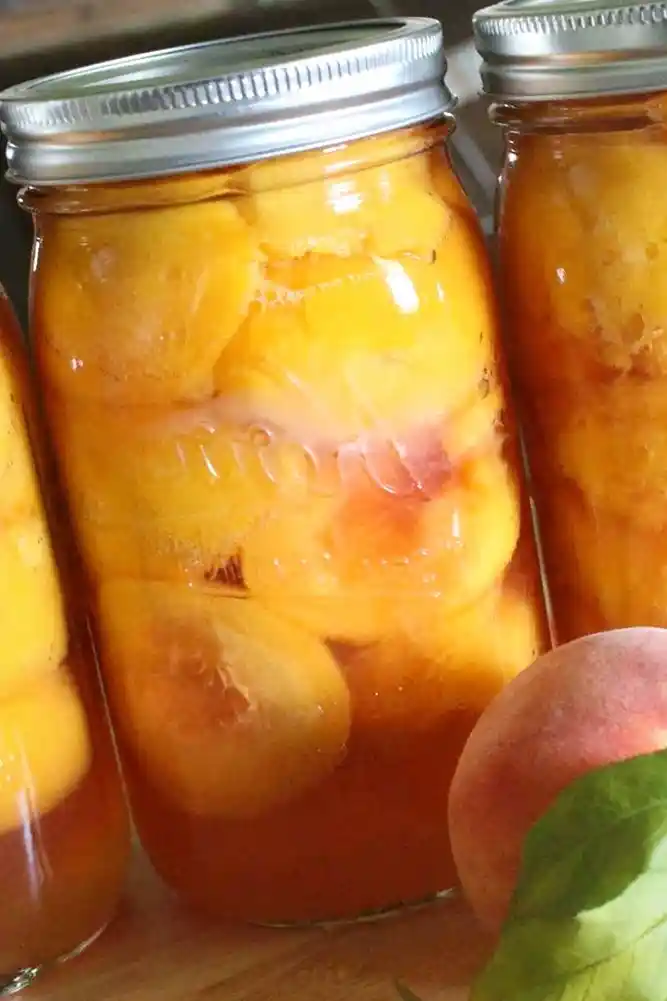
List of ingredients
- 10 pounds Fresh Peaches – preferably freestone varieties for easier pitting.
- 4 cups Sugar or Honey – used to create the light syrup base depending on preference.
step-by-step instructions
- Prepare Peaches: Wash the peaches and blanch them in boiling water for 2-3 minutes. Immediately transfer them to cold water and peel the skins off.
- Prepare Jars: Sterilize your canning jars and keep them warm until you are ready to pack the fruit.
- Create Light Syrup: For a sugar syrup, mix 2 cups sugar with 4 cups water and bring to a boil. For a honey syrup, mix 1 1/2 cups honey with 4 cups water and bring to a boil. Keep the syrup warm.
- Pack Jars: Halve the peaches and remove the pits. Pack the halves, slices, or chunks tightly into the warm jars.
- Add Liquids: Pour any remaining peach juice from the preparation bowl into the jars first. Top off with the prepared light syrup, leaving exactly 1/2 inch of headspace.
- Process Jars: Wipe the rims clean and tighten the lids to finger tightness. Process in a boiling water bath for 20 minutes for pints or 25 minutes for quarts.
- Cool and Set: Remove jars from the water and place them on a folded towel. Allow them to cool completely for 12-24 hours before moving them to storage.
Optimal Peach Varieties for Canning
Using Clayton Peaches for a Classic Taste
Clayton peaches are a Southern freestone variety known for sweet yellow flesh. They provide an old-fashioned flavor that is highly prized in traditional canning. The flesh is slightly softer, making them a great choice for those who prefer a tender texture.
Choosing Harvester Peaches for Firmness
Harvester peaches are dependable and popular for their rich flavor and good size. Their firm flesh is ideal for canning as it holds its shape well during the boiling process. These ripen early and should be processed quickly after harvest.
Selecting Elberta Peaches for Ease of Pitting
Elberta is a classic canning peach with firm, sweet yellow flesh. The pit separates very easily from the fruit, which speeds up the preparation process. Be careful when handling them, as they can bruise easily if overripe.
Using Red Haven Peaches for Early Season Preserves
Red Haven is a reliable early-season freestone peach that is very easy to peel. It has a smooth texture and a mild, sweet flavor. Note that the flesh is softer than other varieties and may lose some shape during hot packing.
Picking Cresthaven Peaches to Prevent Browning
Cresthaven peaches are valued for their extreme firmness and resistance to browning. They hold their shape beautifully in syrup and look professional in the jar. They have a slightly less sweet flavor, which balances well with a medium syrup.
Using Southern Pearl Peaches for Visual Appeal
Southern Pearl is a white-fleshed freestone peach with a mild sweetness. It does not brown easily, making the finished canned product look clean and bright. These are often sourced from specialized Southern orchards.
Choosing Bounty Peaches for Heat Tolerance
Bounty peaches are late-season fruits that handle heat well and maintain firm flesh. They often have a slightly tart finish depending on the level of ripeness. This tartness pairs exceptionally well with a light sugar syrup.
Syrup Customization and Ratios
Preparing Light Sugar Syrup
Light sugar syrup is made using a ratio of one part sugar to two parts water. This provides a subtle sweetness that enhances the natural peach flavor without overpowering it. Always bring the mixture to a boil to ensure the sugar is fully dissolved.
Preparing Light Honey Syrup
For a honey-based alternative, combine 1 1/2 cups of honey with 4 cups of water. This creates a distinct floral sweetness and a different viscosity than sugar. Like the sugar syrup, this should be boiled and kept warm until the jars are packed.
Adjusting to Heavy Sugar Syrup
If you prefer a denser, sweeter preserve, you can use a heavy syrup ratio. Mix 2 1/2 cups of sugar with 4 cups of water and bring to a boil. This is often preferred for those using peaches that are slightly less ripe or less sweet.
Using Plain Water for Unsweetened Peaches
Canning peaches in plain water is a safe alternative for those avoiding added sweeteners. While the color and taste will be less intense than syrup-packed fruit, the preservation process remains the same. It is recommended to test one jar first to see if the flavor meets your needs.
Essential Canning Techniques
The Importance of Blanching
Blanching involves dipping peaches in boiling water for a few minutes to loosen the skins. This process allows the peel to slip off easily when moved to a cold water bath. It prevents the loss of fruit flesh that occurs when using a vegetable peeler or knife.
Managing Proper Headspace
Maintaining a 1/2 inch headspace is critical for creating a proper vacuum seal. Too much air in the jar can prevent the lid from sealing, while too little can cause syrup to overflow during processing. Use a plastic canning tool to remove any trapped air bubbles.
Sterilizing Canning Equipment
Keep your jars warm by holding them in hot water or a low oven before filling. This prevents thermal shock, which happens when cold glass meets hot syrup and causes the jar to crack. Always wipe the rims with a clean, damp cloth before applying the lids.
Handling Freestone vs Clingstone Peaches
Freestone peaches are the gold standard for canning because the pit separates easily from the flesh. Clingstone peaches require more effort to pit and can become mushy during processing. If using clingstone, consider slicing them into smaller chunks instead of halves.
Storage and Shelf Life Guidance
Creating the Ideal Storage Environment
Store your canned peaches in a cool, dark, and dry place such as a pantry or cellar. Avoid areas with extreme temperature fluctuations, as this can affect the quality of the fruit over time. Keep jars away from direct sunlight to prevent discoloration.
Verifying the Vacuum Seal
After the jars have cooled for 24 hours, check the lids by pressing the center. The lid should be concave and not pop back and forth when pressed. If a lid does not seal, move the jar to the refrigerator and consume the contents promptly.
Following USDA Shelf Life Standards
According to USDA guidelines, properly canned food is safe indefinitely as long as the seal remains intact. However, the quality, color, and texture of peaches will gradually decline over several years. Most home canners prefer to use their preserves within two years for peak flavor.
Creative Ways to Use Canned Peaches
Integrating Peaches into Traditional Cobbler
Canned peaches are a perfect shortcut for a rustic peach cobbler. Remove the fruit from the syrup and slice as needed, then use the syrup as a base for the filling. Boil the syrup with spices and a bit of flour to create a thick, juicy sauce before topping with crust.
Creating Fresh Breakfast Parfaits
Layer sliced canned peaches with Greek yogurt, granola, and a drizzle of the canning syrup. The syrup acts as a natural sweetener for the yogurt. This is a quick, nutrient-dense breakfast that utilizes the preserved fruit effectively.
Adding Peaches to Summer Salads
Combine peach slices with fresh arugula, goat cheese, and toasted walnuts. The sweetness of the canned fruit balances the peppery greens and salty cheese. Use a light vinaigrette to complement the flavor of the syrup.
Troubleshooting Common Issues
Resolving Sticky Jar Exteriors
It is common for some syrup to escape the jar during the boiling process, leaving a sticky residue. Once the jars have cooled completely and the seals are verified, rinse the outsides with warm soapy water. Dry them thoroughly before labeling and storing.
Preventing Fruit Float
If peaches float above the syrup line, they may be exposed to air and spoil. Ensure you have enough syrup to cover the fruit completely and use a canning knife to press them down. Maintaining the correct headspace helps keep the fruit submerged.
Addressing Cloudiness in Syrup
Cloudy syrup can occur if the peaches were not cleaned thoroughly or if the syrup was not boiled sufficiently. In most cases, this is a cosmetic issue and does not affect safety if the seal is intact. Always check for off-smells or mold upon opening a jar.
Frequently Asked Questions
Is it safe to can peaches without sugar?
Yes, canning peaches in plain water is safe and effective for preservation. While the flavor will be less intense and the color may be slightly different, the water bath process ensures they are shelf-stable.
Do peaches have to be blanched before canning?
Blanching is not a safety requirement but a texture preference. If you enjoy the skins on your peaches, you can skip the blanching and peeling steps and pack the fruit whole or halved with the skins on.
How many quarts do 50 pounds of peaches yield?
Generally, one quart jar holds approximately 2.5 pounds of fresh peaches. Therefore, 50 pounds of peaches should yield roughly 20 quart jars, depending on how tightly they are packed.
Print
Preserving Fresh Peaches in Light Syrup
- Total Time: 55 minutes
- Yield: 4 quarts 1x
- Diet: Vegetarian
Description
Learning how to can peaches at home is a delicious and easy way to preserve peaches for later using a water bath canning process.
Ingredients
- 10 pounds fresh peaches
- 4 cups sugar or honey
Instructions
- Step 1: Wash and blanch peaches in boiling water, dunk in cold water, and peel right away.
- Step 2: Prepare light syrup by boiling either 2 cups sugar with 4 cups water or 1 1/2 cups honey with 4 cups water.
- Step 3: Halve peaches, remove pits, and pack peach halves, slices, or chunks into hot jars, covering with leftover peach juice.
- Step 4: Fill jars with light syrup leaving 1/2″ headspace and process in a boiling water bath for 20 minutes for pints or 25 minutes for quarts.
- Step 5: Remove jars from water bath and place on a folded towel on the counter to cool completely.
Notes
Freestone peach varieties are recommended for easier pitting. Blanching is optional and used for texture; skins may be left on if preferred.
- Prep Time: 30 minutes
- Cook Time: 25 minutes
- Category: Dessert, Side Dish
- Method: Water Bath Canning
- Cuisine: American
Nutrition
- Serving Size: 1 quart
- Calories: 1246 kcal
- Sugar: 295 g
- Sodium: 149 mg
- Fat: 4 g
- Saturated Fat: 0.2 g
- Unsaturated Fat: 2 g
- Trans Fat: 0 g
- Carbohydrates: 314 g
- Fiber: 17 g
- Protein: 10 g
- Cholesterol: 0 mg