
This method allows you to enjoy caramelized barbecue chicken without needing an outdoor grill. It is a fast, efficient process that yields juicy results in under 15 minutes.
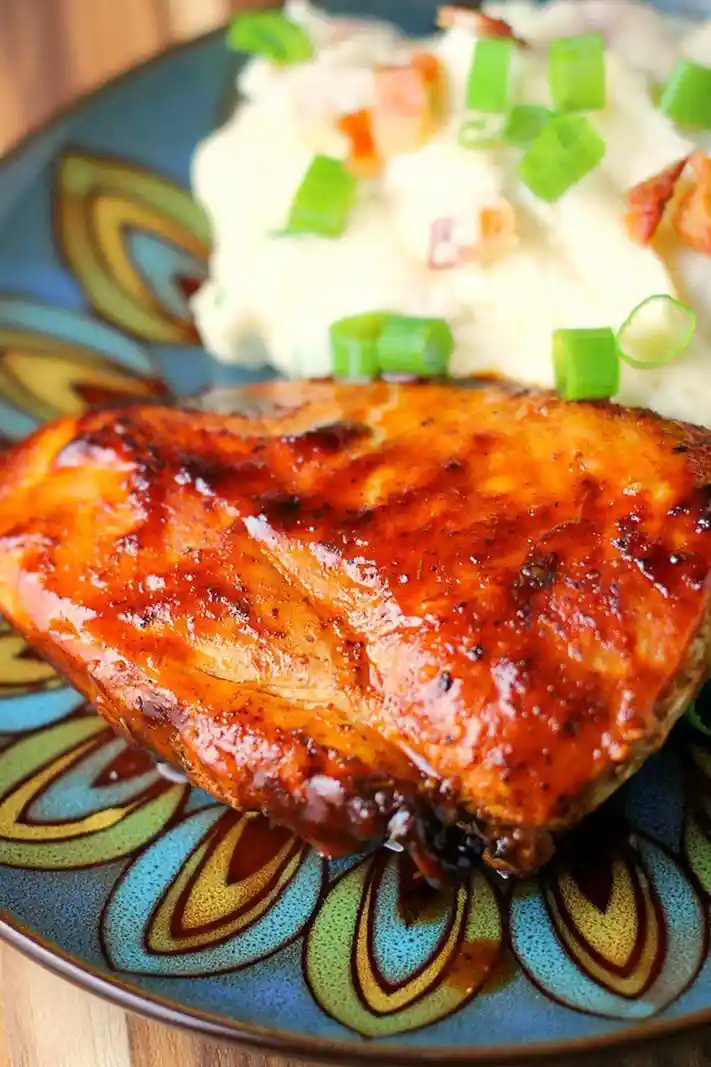
List of ingredients
- 2 boneless, skinless chicken thighs – provides a juicy texture and quick cooking time.
- 1 tbsp. olive oil – used for the spice rub and preventing sticking.
- 1 tsp. chili powder – adds a mild earthy heat.
- 1/4 tsp. onion powder – provides a concentrated savory base.
- 1/4 tsp. garlic powder – enhances the overall aromatic profile.
- 1/4 tsp. dried oregano – adds a subtle herbal note.
- 1/2 tsp. kosher salt – essential for flavor enhancement and moisture retention.
- dash of cayenne pepper (optional) – used to increase the spice level.
- 1/2 c. barbecue sauce – used for glazing and adding sticky sweetness.
step-by-step instructions
- Prepare the rub: In a medium bowl, combine the olive oil, chili powder, onion powder, garlic powder, dried oregano, salt, and optional cayenne pepper. Add the raw chicken thighs and toss until every piece is evenly coated.
- Sear the chicken: Heat a medium skillet, preferably made of cast iron, over medium-high heat and apply a light coating of cooking spray. Place the chicken in the pan, cover with a lid, and cook for 5 minutes.
- Flip and continue: Turn the chicken pieces over, replace the lid, and cook for another 5 minutes.
- Check for doneness: Remove the lid and verify the chicken is cooked through using a probe thermometer or by checking that the juices run clear. Pour half of the barbecue sauce over the cooked chicken.
- Glaze the second side: Flip the chicken again and pour the remaining barbecue sauce over the other side.
- Final caramelization: Cook for an additional 2 to 3 minutes, using a spoon or basting brush to ensure the sauce is thoroughly coated and sticky.
Optimizing Your Cooking Equipment
Using Cast Iron Skillets for Better Searing
Cast iron is highly recommended because it retains heat more effectively than other materials. This allows for a more consistent sear and better caramelization of the sugars in the BBQ sauce.
The Role of the Skillet Lid
Keeping the pan covered during the first ten minutes traps steam and heat. This ensures the chicken cooks through quickly without drying out the exterior.
Selecting the Right Cooking Spray
Use a high-smoke point cooking spray to prevent the oil from burning at medium-high temperatures. This creates a clean surface for the chicken to sear without sticking.
Utilizing a Digital Probe Thermometer
A digital thermometer is the most reliable way to ensure the chicken reaches an internal temperature of 165°F. This prevents overcooking while ensuring the meat is safe to eat.
Basting Brushes for Even Coating
A silicone basting brush helps distribute the BBQ sauce evenly across the meat. This prevents clumps of sauce from burning in one spot while leaving other areas dry.
Adjusting Heat for Different Stove Types
Gas stoves provide immediate heat changes, while electric stoves hold heat longer. Adjust your medium-high setting based on how quickly your specific pan reaches temperature.
Advanced Flavor Modifications
Adding Honey for Extra Sweetness
Mix one tablespoon of honey into your barbecue sauce before glazing. This increases the sugar content, resulting in a glossier finish and a sweeter taste profile.
Incorporating Brown Sugar for Depth
Substitute part of the honey with brown sugar to add a molasses-like depth. This complements the smoky notes of the chili powder and garlic.
Using Apple Cider Vinegar for Tang
Stir in one to two tablespoons of apple cider vinegar to the sauce for a Carolina-style flavor. Add the vinegar gradually and taste to ensure the acidity is balanced.
Increasing the Heat with Cayenne
If a dash of cayenne is not enough, increase the amount to a full teaspoon. This transforms the dish from a mild meal to a spicy experience.
Adding Smoked Paprika for Grill-Like Flavor
Include a half-teaspoon of smoked paprika in the initial spice rub. This mimics the taste of charcoal grilling even when cooking indoors on a stovetop.
Using Hot Sauce for Vinegar-Based Heat
Add a tablespoon of your favorite hot sauce to the glaze for an extra kick. This adds both heat and a fermented acidity that cuts through the richness of the thighs.
Enhancing with Fresh Black Pepper
Freshly cracked black pepper added to the rub provides a sharp contrast to the sweet sauce. Use a coarse grind for a slight textural difference.
Incorporating a Touch of Mustard
Whisk a teaspoon of Dijon mustard into the sauce for a sophisticated tang. This adds a layer of complexity that pairs well with the dried oregano.
Protein Selection and Meat Prep
Benefits of Using Boneless Chicken Thighs
Thighs are naturally more marbled with fat than breasts, making them harder to overcook. They stay juicy under the high heat required for stovetop searing.
Adjusting Cooking Times for Chicken Breasts
If using breasts, increase the cooking time by 1 to 2 minutes per side. Ensure the breasts are pounded to an even thickness to avoid dry edges.
Scaling the Recipe for Larger Groups
When doubling the recipe, avoid crowding the pan. Use two skillets or cook in batches to maintain high heat and prevent the meat from steaming.
Trimming Excess Fat
Trim any large hanging pieces of fat from the thighs before seasoning. This ensures the spice rub adheres better to the meat and prevents excess grease in the pan.
Patting Meat Dry Before Seasoning
Use paper towels to pat the chicken dry before applying the olive oil and spices. Moisture on the surface creates steam, which prevents a proper sear from forming.
Ensuring Uniform Thickness
If the thighs are uneven, lightly flatten the thicker parts with a meat mallet. This ensures that the entire piece of meat reaches the safe internal temperature at the same time.
Serving Suggestions and Pairings
Pairing with Garlic and Herb Potatoes
Roasted Yukon Gold potatoes seasoned with garlic and parsley provide a savory contrast. The starchiness helps balance the sweetness of the BBQ glaze.
Serving on Whole Wheat Rolls
Place the finished chicken on a toasted whole wheat bun for a sandwich. This makes the meal more portable and filling.
Adding a Creamy Coleslaw Topping
Top the chicken or the sandwich with a vinegar-based or creamy coleslaw. The crunch and acidity of the cabbage cut through the richness of the BBQ sauce.
Complementing with Baked Macaroni and Cheese
A side of cheesy baked pasta adds a comforting, creamy element to the plate. The sharp cheddar flavor pairs exceptionally well with smoky barbecue notes.
Adding Sliced Cheddar Cheese
Place a slice of sharp cheddar on the chicken during the final minute of cooking. The melted cheese adds a salty creaminess that enhances the glaze.
Serving with Steamed Green Beans
Lightly steamed green beans with lemon juice provide a fresh, healthy balance. This prevents the meal from feeling too heavy.
Storage and Reheating Guidelines
Refrigeration Timeframes
Store leftover chicken in an airtight container in the refrigerator. It will remain safe and flavorful for 3 to 4 days.
Freezing for Long-Term Storage
Freeze cooked chicken in freezer-safe bags or vacuum-sealed pouches. This preserves the quality for up to 3 months.
The Best Way to Reheat
Reheat the chicken in a skillet over medium heat with a splash of water. This restores the moisture and prevents the sauce from becoming too gummy.
Using the Oven for Warming
Alternatively, heat the chicken at 350°F in a covered dish. This method is better for larger quantities and ensures even warming.
Avoiding the Microwave
Avoid microwaving the chicken if possible, as it can make the meat rubbery. If necessary, use a low power setting and cover the meat with a damp paper towel.
Preventing Sauce Separation During Storage
Ensure the chicken is completely cooled before sealing the container. This prevents condensation from thinning the sauce and affecting the texture.
Troubleshooting and FAQs
How do I know when the chicken is fully cooked?
The juices should run clear when the meat is pierced. For absolute certainty, use a thermometer to verify an internal temperature of 165°F.
What can I use if I don’t have olive oil?
Any oil with a high smoke point will work, such as avocado oil or grapeseed oil. Avoid butter for the initial sear as it burns too quickly at high temperatures.
Why is my barbecue sauce burning?
The sugars in BBQ sauce caramelize quickly and can burn if the heat is too high. Lower the temperature slightly during the final basting phase.
Can I make this recipe low-carb?
Use a sugar-free barbecue sauce to make this dish compatible with keto or low-carb diets. All other spice rub ingredients are naturally low in carbs.
What if the chicken is still raw in the center?
Replace the lid and cook for another 2 minutes per side on medium heat. The lid is crucial for ensuring the center cooks without burning the outside.
Can I use frozen chicken for this recipe?
No, the chicken must be fully thawed before cooking. Frozen chicken will release too much water, preventing the sear and leading to uneven cooking.
How do I stop the pan from smoking?
Ensure you are not using a low-smoke point oil. If smoking persists, reduce the heat slightly and ensure the pan is not overheating between batches.
Which cut of chicken is best for this specific method?
Boneless, skinless thighs are ideal because they are more forgiving and remain moist. Breasts are an option but require more precise timing to avoid dryness.
Print
Quick Stovetop Barbecue Chicken Guide
- Total Time: 15 minutes
- Yield: 2 servings 1x
- Diet: Low-carb
Description
15 minutes is all it takes to make the best juicy barbecue chicken on your stovetop!
Ingredients
- 2 boneless, skinless chicken thighs
- 1 tbsp. olive oil
- 1 tsp. chili powder
- 1/4 tsp. onion powder
- 1/4 tsp. garlic powder
- 1/4 tsp. dried oregano
- 1/2 tsp. kosher salt
- dash of cayenne pepper optional
- 1/2 c. barbecue sauce
Instructions
- Step 1: Mix olive oil, chili powder, onion powder, garlic powder, oregano, salt, and cayenne pepper in a medium bowl. Add raw chicken and coat evenly.
- Step 2: Heat medium skillet (preferably iron) over medium-high heat and coat with cooking spray. Place chicken breasts in skillet, cover, and cook 5 minutes.
- Step 3: Turn chicken, replace cover, and cook an additional 5 minutes.
- Step 4: Remove cover and check chicken for doneness with probe thermometer or testing if juices run clear. When cooked completely, pour half of BBQ sauce over chicken.
- Step 5: Turn chicken over, and pour remaining sauce over the other side.
- Step 6: Cook 2-3 minutes more while using a spoon or basting brush to coat chicken with sauce.
Notes
Boneless chicken thighs are recommended for juiciness, but chicken breasts can be substituted (they may require 1-2 minutes more per side).
- Prep Time: 2 minutes
- Cook Time: 13 minutes
- Category: Main
- Method: Stovetop
- Cuisine: Southern
Nutrition
- Serving Size: 1 serving
- Calories: 419 kcal
- Sugar: 3 g
- Sodium: 2011 mg
- Fat: 24 g
- Saturated Fat: 5 g
- Unsaturated Fat: 19 g
- Trans Fat: 0 g
- Carbohydrates: 5 g
- Fiber: 1 g
- Protein: 44 g
- Cholesterol: 231 mg