
These smoked chicken wings are seasoned with a savory dry rub and cooked low and slow for maximum flavor. This method ensures juicy meat and a deep smoke profile suitable for any backyard gathering.
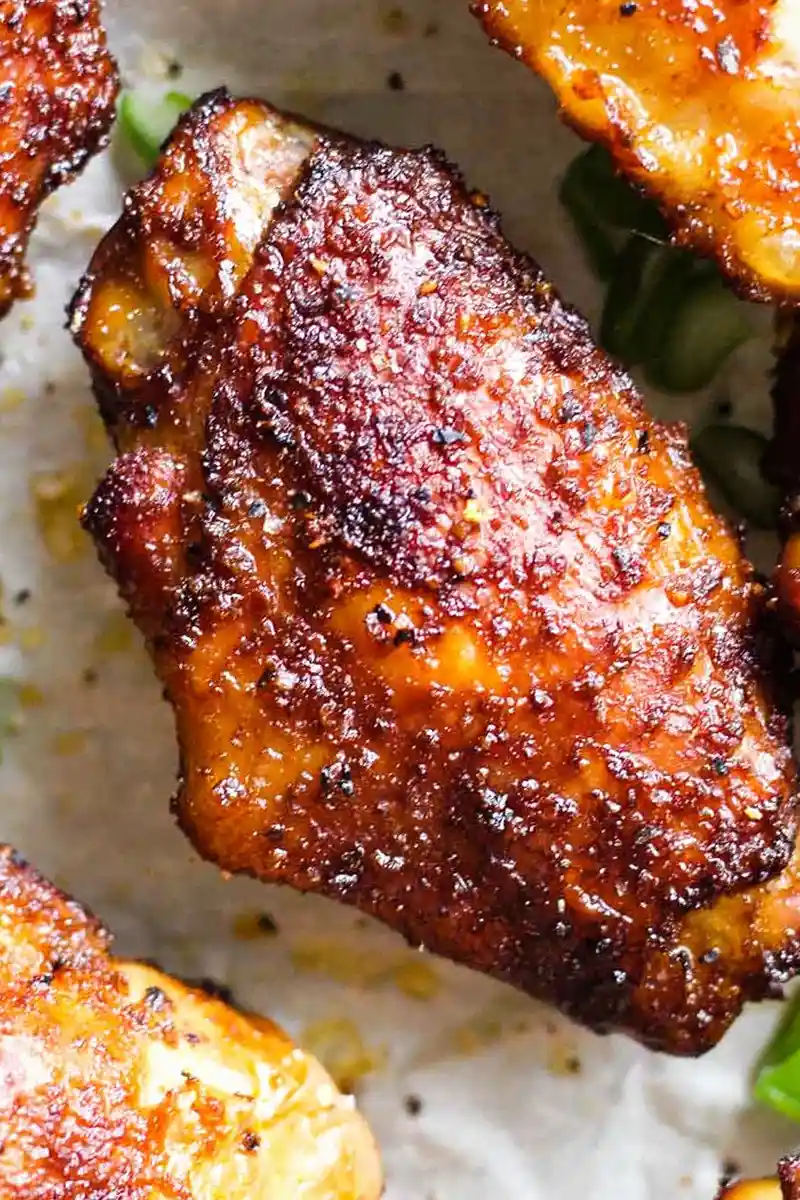
List of ingredients
- 2.5 lb chicken wings – cut into segments for easier cooking
- 2 tablespoon paprika – for color and mild sweetness
- 2 tablespoon salt – to enhance the overall flavor
- 2 tablespoon freshly ground black pepper – for a bold, spicy kick
- 1 tablespoon cumin – providing an earthy, aromatic note
- 2 tablespoon garlic powder – for a rich, savory taste
step-by-step instructions
- Prepare the Rub: Mix the paprika, salt, black pepper, cumin, and garlic powder in a small bowl. Coat the chicken wings thoroughly with the spice mixture and let them sit for 10 minutes to absorb the flavors.
- Preheat the Smoker: Set your electric or charcoal smoker to a consistent temperature of 250 degrees Fahrenheit.
- Arrange the Meat: Place the seasoned wings on the smoker rack. Ensure there is sufficient space between each wing to allow the smoke and heat to circulate evenly.
- Smoke the Wings: Load the smoker with hickory wood chips. Smoke the wings for approximately 2 hours.
- Maintain Smoke: Monitor the wood chips and add more as needed. Depending on the smoker model, you may need to replenish the wood several times to maintain a steady smoke flow.
- Verify Doneness: Use an instant-read thermometer to check the thickest part of the wing. Remove them from the heat once they reach an internal temperature of 165 degrees Fahrenheit.
Methods for Extra Crispy Skin
Using the Oven Broiler
For those who prefer a crunchier exterior, place the smoked wings under an oven broiler. Set the heat to 400 degrees Fahrenheit and broil for approximately 3 minutes. Monitor them closely to prevent the skin from burning or drying out.
Utilizing Direct Grill Heat
Transfer the finished wings to a grill set to direct high heat. Sear each side for about one minute until the skin bubbles and crisps. This adds a charred flavor that complements the smokiness.
Flash Frying Technique
Briefly submerging the smoked wings in hot oil is another effective way to achieve a restaurant-style crunch. Fry them for a few minutes until the skin is golden brown. Drain them on paper towels immediately after removing them from the oil.
Selecting the Best Smoker Wood
Hickory Wood Profile
Hickory is a strong, pungent wood that pairs exceptionally well with poultry. It provides a classic American barbecue taste that is bold and aromatic. This wood is the primary recommendation for a deep, traditional smoke flavor.
Apple Wood Characteristics
Apple wood offers a much milder and sweeter smoke profile. It is an excellent choice if you want the natural flavor of the chicken to remain more prominent. It also helps in producing a beautiful golden-brown color on the skin.
Cherry Wood Properties
Cherry wood produces a subtle sweetness and a rich, reddish hue on the meat. It is often blended with other woods to balance intensity. It works well for those who prefer a less aggressive smoke taste.
Mesquite Wood Intensity
Mesquite is one of the strongest smoking woods available. Use it sparingly, as too much can make the chicken taste bitter. It is best used in small amounts or mixed with milder woods like apple or cherry.
Temperature and Equipment Management
Maintaining Steady Heat
Keeping the smoker at exactly 250 degrees Fahrenheit is crucial for tender meat. If your smoker fluctuates, adjust the vents or the temperature dial frequently. Use a secondary external thermometer for more accurate readings.
Using an Instant-Read Probe
Avoid relying solely on timers, as every smoker performs differently. A digital probe thermometer ensures the meat is safe to eat without overcooking it. Always aim for 165 degrees Fahrenheit in the thickest part of the wing.
Managing Airflow
Ensure the wings are not crowded on the rack to prevent steaming. Proper airflow allows the smoke to penetrate the meat and the heat to render the fat in the skin. Space wings at least one inch apart.
Ingredient Adjustments and Substitutions
Using Smoked Paprika
Replacing regular paprika with smoked paprika adds an extra layer of depth. This is especially useful if you are using a smoker that produces a lighter smoke volume. It enhances both the color and the woody aroma of the wings.
Reducing Sodium Content
To lower the salt level, replace the table salt with a small amount of potassium-based salt substitute or reduce the quantity by half. You can increase the garlic powder or cumin to compensate for the loss of flavor intensity.
Adding Heat with Chili Powder
For a spicier version, add one tablespoon of cayenne pepper or chipotle powder to the rub. This introduces a lingering heat that balances well with the sweetness of the hickory smoke. Adjust the amount based on your heat tolerance.
Serving and Pairing Ideas
Complementary Dipping Sauces
Serve these wings with a cool ranch or blue cheese dressing to balance the smoky heat. A tangy honey-barbecue sauce also works well if you want to add a glaze after smoking. For a spicy option, a buffalo sauce made with melted butter and hot sauce is a classic.
Recommended Side Dishes
Pair smoked wings with a crisp coleslaw or a vinegar-based cucumber salad. Corn on the cob, either grilled or boiled, adds a sweetness that complements the savory rub. Celery and carrot sticks provide a refreshing crunch between bites.
Platter Presentation
Arrange the wings on a large wooden platter lined with parchment paper. Garnish with sliced green onions or fresh parsley for a professional look. Keep them in a warming tray if serving a large crowd to maintain the skin texture.
Storage and Reheating Instructions
Refrigeration Process
Store leftover wings in an airtight container in the refrigerator. They will remain fresh and safe to eat for 3 to 4 days. Ensure they are completely cooled before sealing the lid to prevent moisture buildup.
Freezing for Later Use
Smoked wings can be frozen for up to three months. Vacuum-seal them or place them in heavy-duty freezer bags with the air squeezed out. This prevents freezer burn and preserves the smoky flavor.
Best Reheating Methods
Avoid using a microwave, as it makes the skin rubbery. Instead, use an air fryer or oven at 350 degrees Fahrenheit for 5 to 10 minutes. This restores the crispness of the skin while heating the meat through.
Common Troubleshooting
Handling Rub Clumping
If the spice rub clumps, sift it through a fine-mesh strainer before applying. Ensure the chicken wings are patted dry with paper towels before rubbing. This helps the spices adhere better to the skin without forming paste.
Correcting Uneven Cooking
If some wings are cooking faster than others, rotate the smoker rack halfway through the process. Check for hot spots in your smoker, which often occur near the heat source. Moving the meat frequently ensures uniform doneness.
Managing Excessive Smoke
If the wings taste overly bitter, you may be using too many wood chips. Open the smoker vents slightly more to allow excess smoke to escape. Ensure you are using dried wood chips rather than damp ones.
Frequently Asked Questions
How long should I smoke chicken wings?
Chicken wings typically take about 2 hours to cook at 250 degrees Fahrenheit. The exact time may vary depending on the size of the wings and the efficiency of your smoker.
Can I use a pellet grill instead of an electric smoker?
Yes, pellet grills work perfectly for this recipe. Simply set the temperature to 250 degrees and use a poultry or hickory pellet blend to achieve the same flavor profile.
Is it necessary to let the rub sit for 10 minutes?
Yes, letting the rub sit allows the salt to penetrate the meat and the spices to bond with the skin. This results in a more flavorful wing and a better crust after cooking.
What is the safest internal temperature for chicken?
The USDA recommends an internal temperature of 165 degrees Fahrenheit for poultry. Using a thermometer is the only way to guarantee the meat is cooked safely and remains juicy.
Do I need to brine the wings before smoking?
Brining is not required for this recipe because the dry rub contains enough salt to season the meat. The low-and-slow smoking process helps maintain moisture without the need for a wet brine.
Print
Crispy Smoked Chicken Wings
- Total Time: 2 hours 10 minutes
- Yield: 5 servings 1x
- Diet: General
Description
Simple and delicious smoked chicken wings recipe for your Masterbuilt, Traeger electric or charcoal smoker! Easy dry rub and crispy skin makes this recipe the best.
Ingredients
- 2.5 lb chicken wings
- 2 tablespoon paprika
- 2 tablespoon salt
- 2 tablespoon freshly ground black pepper
- 1 tablespoon cumin
- 2 tablespoon garlic powder
Instructions
- Step 1: Make a rub out of all the spices listed above.
- Step 2: Cover chicken wings in rub and let sit for 10 minutes.
- Step 3: Preheat your smoker to 250F degrees.
- Step 4: Place wings on the smoker rack leaving some space between them.
- Step 5: Load smoker with hickory wood and smoke for about 2 hours, adding wood as needed.
- Step 6: Check with your thermometer to make sure the temperature inside the thickest part of the meat is at 165 degrees.
Notes
Adjust spices to your taste. Ensure wings are covered completely in spices before smoking. For extra crispy skin, broil them in your oven for a couple of minutes at 400F or flash fry them in oil.
- Prep Time: 10 minutes
- Cook Time: 2 hours
- Category: Appetizer, Main Course
- Method: Smoking
- Cuisine: American
Nutrition
- Serving Size: 1 serving
- Calories: 295 kcal
- Sugar: 1 g
- Sodium: 2886 mg
- Fat: 20 g
- Saturated Fat: 6 g
- Unsaturated Fat: 14 g
- Trans Fat: 0 g
- Carbohydrates: 4 g
- Fiber: 1 g
- Protein: 24 g
- Cholesterol: 94 mg