
This savory ground beef dish comes together in about 30 minutes, making it an ideal weeknight meal. It combines sweet and salty flavors with a thick glaze that pairs perfectly with rice or fresh greens.
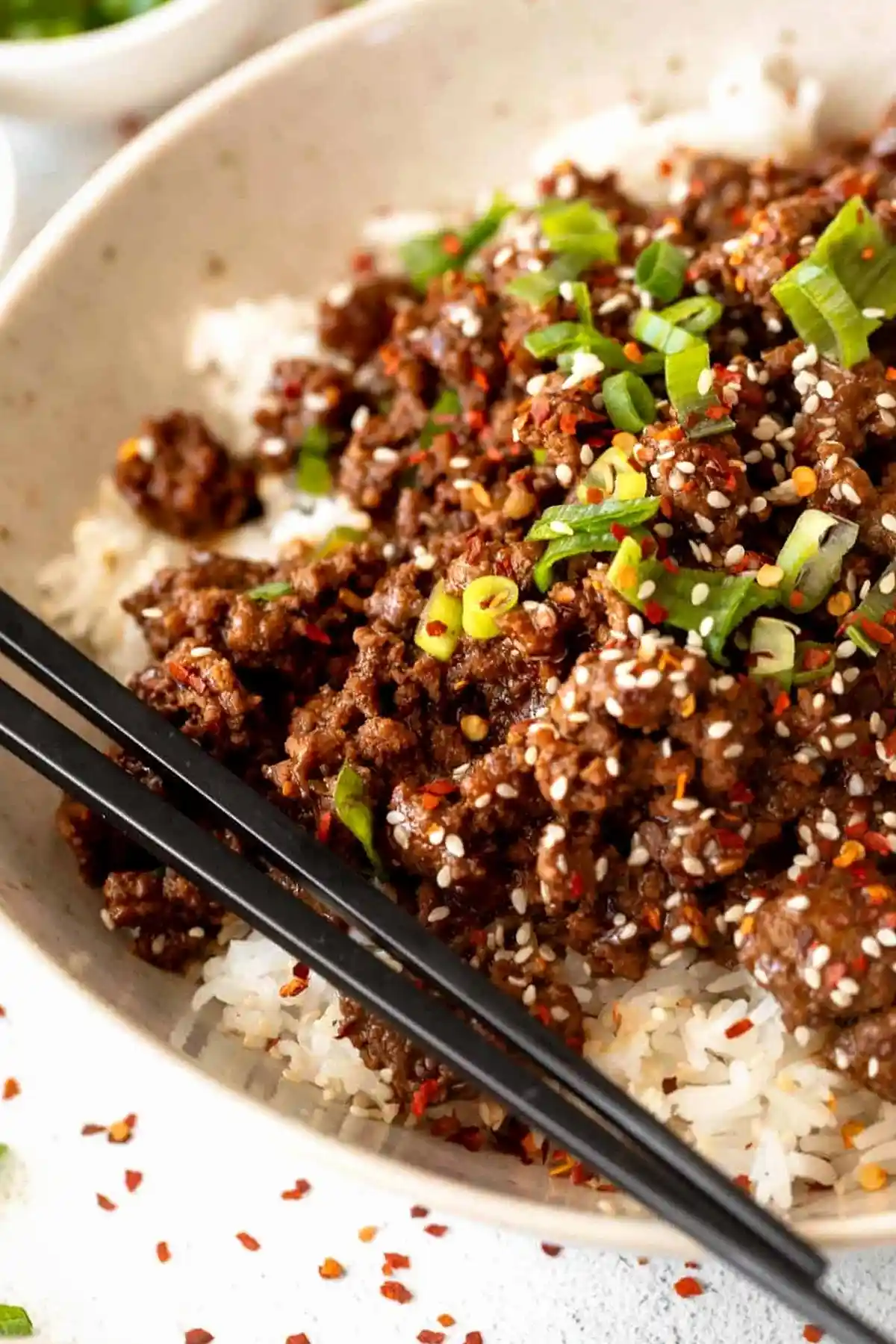
List of ingredients
- 1 tablespoon olive oil – used for sautéing the aromatics.
- 1 tablespoon minced garlic – provides a pungent, savory base.
- 1 tablespoon fresh grated ginger – adds a bright, spicy warmth.
- 1/4 cup diced green onion (white part only) – adds a mild onion flavor.
- 1 pound ground beef – the main protein source; lean or organic.
- 6 tablespoons low sodium tamari/soy sauce – for a salty, umami depth without gluten.
- 1 tablespoon brown sugar – balances the salt with a rich sweetness.
- 1 tablespoon honey – adds natural sweetness and helps the sauce glisten.
- 3 tablespoons pineapple juice – provides acidity and a subtle fruity note.
- 1 tablespoon tapioca starch – thickens the sauce into a glaze (cornstarch also works).
- 1/4 teaspoon red pepper flakes – introduces a hint of heat.
- 1/4 teaspoon black pepper – adds a basic seasoning layer.
step-by-step instructions
- Sauté Aromatics: Heat a large skillet over medium heat and add the olive oil. Once the oil is hot, add the minced garlic, grated ginger, and the white parts of the green onion, sautéing for about 2-3 minutes until fragrant.
- Brown the Beef: Add the ground beef to the skillet and sauté until the meat is fully cooked through and browned. Make sure to break the meat apart with a spoon to ensure even cooking.
- Prepare the Glaze: While the beef is cooking, whisk together the tamari, brown sugar, honey, pineapple juice, tapioca starch, red pepper flakes, and black pepper in a small bowl. Whisk thoroughly until all the starch is dissolved and no clumps remain.
- Thicken the Sauce: Once the beef is cooked, stir the prepared sauce mixture into the skillet. Let the mixture simmer over low heat, stirring occasionally, for about 5 minutes until the sauce has thickened and coated the beef.
- Final Touch: Taste the dish and adjust the seasonings if needed. Garnish with sesame seeds, sliced green onions, and additional red pepper flakes before serving over rice or cauliflower rice.
Essential Ingredient Selection
Selecting the Optimal Beef Lean-to-Fat Ratio
Using 85% lean ground beef provides a richer flavor and more moisture, which helps the sauce adhere to the meat. If you prefer a leaner option, 93% lean beef works well, though you may need to be careful not to overcook it. Always drain excess grease before adding the sauce to prevent the glaze from becoming oily.
The Role of Tamari in Gluten-Free Cooking
Tamari is a Japanese soy sauce that is brewed without wheat, making it a safe and flavorful alternative for those avoiding gluten. Low sodium tamari is recommended for this recipe to ensure the salty notes do not overpower the sweetness of the honey and pineapple. If you cannot find tamari, coconut aminos can be used, though they are slightly sweeter and less salty.
Using Pineapple Juice for Acidity
Pineapple juice acts as a natural tenderizer and adds a subtle tropical sweetness that balances the savory tamari. The acidity in the juice cuts through the richness of the beef, creating a more complex flavor profile. If pineapple juice is unavailable, a mixture of water and a small amount of apple cider vinegar can substitute the acidity.
Choosing the Right Thickening Agent
Tapioca starch is preferred for this recipe because it creates a high-gloss finish and a smooth texture. Cornstarch is a common and effective substitute that thickens the sauce similarly when heated. Arrowroot powder is another gluten-free option, though it may result in a slightly different consistency if simmered for too long.
Customizing Your Flavor Profile
Increasing the Heat Level
For those who prefer a spicier dish, increase the red pepper flakes to a half teaspoon or more. You can also stir in a teaspoon of sriracha or add sliced fresh jalapeños during the sautéing phase. Adding a pinch of cayenne pepper to the sauce whisking stage will provide a more lingering heat.
Adjusting the Level of Sweetness
If you prefer a less sweet glaze, reduce the honey to a teaspoon or omit the brown sugar entirely. Conversely, for a more dessert-like savory sauce, you can substitute the brown sugar with maple syrup. This provides a deeper, more woody sweetness that complements the ginger well.
Adding Fresh Citrus Brightness
Adding a squeeze of fresh lime juice at the very end of the cooking process can brighten the entire dish. The citric acid cuts through the sugar and salt, giving the Mongolian beef a fresh, zesty finish. This is particularly effective when serving the dish as lettuce wraps.
Alternative Protein Options
Using Flank Steak for a Traditional Texture
To make a version closer to traditional Mongolian beef, replace the ground beef with one pound of thinly sliced flank steak. Coat the steak slices in a small amount of cornstarch and sear them in a very hot pan for 2-3 minutes per side. Stir in the sauce and simmer briefly, as steak does not require as much cooking time as ground beef.
Substituting with Ground Turkey
Ground turkey is a lean alternative that absorbs the flavors of the ginger and garlic very effectively. Because turkey is leaner than beef, you may need to add an extra tablespoon of olive oil to prevent the meat from sticking. Use ground turkey breast for a lower-calorie version or ground turkey thighs for more flavor.
Making a Ground Chicken Version
Ground chicken provides a mild base that allows the sweetness of the pineapple juice to stand out. Like turkey, chicken can dry out quickly, so ensure the heat is kept at medium to avoid over-cooking. This version is particularly light and pairs exceptionally well with steamed cauliflower rice.
Serving and Pairing Suggestions
Pairing with Aromatic Rice
Serving this beef over steamed Jasmine rice is a classic choice, as the fragrant grains soak up the extra glaze. Basmati rice is another great option for a fluffier texture and a slightly nuttier flavor. For a heartier meal, brown rice provides more fiber and a chewiness that contrasts with the tender beef.
Low-Carb Cauliflower Rice Option
To keep the meal low-carb and keto-friendly, sauté riced cauliflower in a pan with a bit of butter and salt. The mild taste of the cauliflower allows the bold Mongolian flavors to take center stage. This option significantly reduces the calorie count while maintaining the volume of the meal.
Creating Fresh Lettuce Wraps
For a refreshing twist, spoon the cooked beef into butter lettuce or romaine lettuce leaves. The crisp, cool texture of the lettuce balances the warm, sweet sauce perfectly. Top each wrap with shredded carrots and sliced cucumbers for added crunch and nutrition.
Best Vegetable Side Dishes
Steamed broccoli or sautéed snap peas are the ideal accompaniments to this dish. The green, slightly bitter notes of the vegetables cut through the richness of the honey-glaze. Bok choy, sautéed with a bit of garlic, also provides a traditional Asian-inspired side that complements the beef.
Storage and Meal Prep Advice
Maintaining Freshness in Airtight Containers
Store leftovers in airtight glass containers to preserve the flavor and prevent the beef from absorbing odors from the fridge. This dish stays fresh and delicious for up to four days when properly sealed. Keep the beef and the rice in separate containers to prevent the rice from becoming mushy.
Freezing for Long-Term Storage
This recipe is freezer-friendly; simply allow the beef to cool completely before transferring it to a freezer-safe bag. Squeeze out as much air as possible to prevent freezer burn. The beef can be stored in the freezer for up to three months without a significant loss in quality.
Best Practices for Reheating
When reheating on the stove, add a tablespoon of water or beef broth to the pan to loosen the sauce. Heat over medium-low, stirring frequently until the glaze becomes glossy again. If using a microwave, cover the dish with a damp paper towel to keep the meat moist.
Troubleshooting Common Issues
Fixing a Sauce That is Too Thin
If the sauce has not thickened enough after five minutes of simmering, create a small slurry by mixing one teaspoon of tapioca starch with a teaspoon of cold water. Stir this mixture into the simmering beef and cook for another minute. This will rapidly thicken the glaze without adding excess liquid.
Preventing the Garlic from Burning
Garlic burns quickly at high temperatures, which can lead to a bitter taste in the final dish. Ensure your skillet is at medium heat and do not let the garlic brown too deeply before adding the beef. The moisture from the ground beef will help lower the temperature and stop the garlic from scorching.
Managing Excess Grease in the Pan
Depending on the fat content of your beef, you may find a lot of oil in the pan after browning. Use a spoon or a paper towel to remove the excess grease before stirring in the sauce. This ensures the glaze clings to the meat rather than separating into an oily layer.
Frequently Asked Questions
Can I use regular soy sauce?
Yes, you can use regular soy sauce if you do not have a gluten sensitivity. However, be aware that standard soy sauce contains wheat, which makes this dish no longer gluten-free.
What if I don’t have tapioca starch?
Cornstarch is the most common substitute and works almost identically in this recipe. Arrowroot powder is another excellent gluten-free alternative that provides a similar thickening effect.
Can I use honey instead of brown sugar?
Yes, you can replace the brown sugar with an equal amount of honey. This will make the sauce slightly more floral and give it a more intense shine.
How do I make this dish spicier?
The easiest way to increase the heat is by adding more red pepper flakes or a drizzle of sriracha. Freshly sliced Thai bird’s eye chilies added during the sauté step will provide a more intense, sharp heat.
Print
Quick Gluten-Free Mongolian Ground Beef
- Total Time: 30 minutes
- Yield: 4 servings 1x
- Diet: Gluten Free
Description
This gluten free ground mongolian beef is an easy to make dinner recipe that is on the table in just about 30 minutes! It’s packed with flavor and made with simple, pantry staple ingredients.
Ingredients
- 1 tablespoon olive oil
- 1 tablespoon minced garlic
- 1 tablespoon fresh grated ginger
- 1/4 cup diced green onion (white part only)
- 1 pound ground beef
- 6 tablespoons low sodium tamari
- 1 tablespoon brown sugar
- 1 tablespoon honey
- 3 tablespoons pineapple juice
- 1 tablespoon tapioca starch
- 1/4 teaspoon red pepper flakes
- 1/4 teaspoon black pepper
Instructions
- Step 1: Heat a large skillet over medium heat and add the oil.
- Step 2: Once hot, add in the garlic, ginger and green onion and saute for about 2-3 minutes.
- Step 3: Add in the ground beef and saute until cooked through.
- Step 4: Whisk up all other ingredients in a bowl until no chunks of tapioca starch remain.
- Step 5: Once the beef is cooked, stir in the sauce.
- Step 6: Let simmer over low heat, stirring occasionally, until thickened (about 5 minutes).
- Step 7: Garnish with sesame seeds, diced green onion and red pepper flakes.
Notes
You can swap pineapple juice for vegetable broth or water. Tapioca starch can be substituted with cornstarch or arrowroot.
- Prep Time: 10 minutes
- Cook Time: 20 minutes
- Category: Dinner
- Method: Stir-fry
- Cuisine: Asian
Nutrition
- Serving Size: 1 serving
- Calories: 376 kcal
- Sugar: 9 g
- Sodium: 980 mg
- Fat: 26 g
- Saturated Fat: 9 g
- Unsaturated Fat: 16 g
- Trans Fat: 1 g
- Carbohydrates: 12 g
- Fiber: 0.3 g
- Protein: 22 g
- Cholesterol: 85 mg