
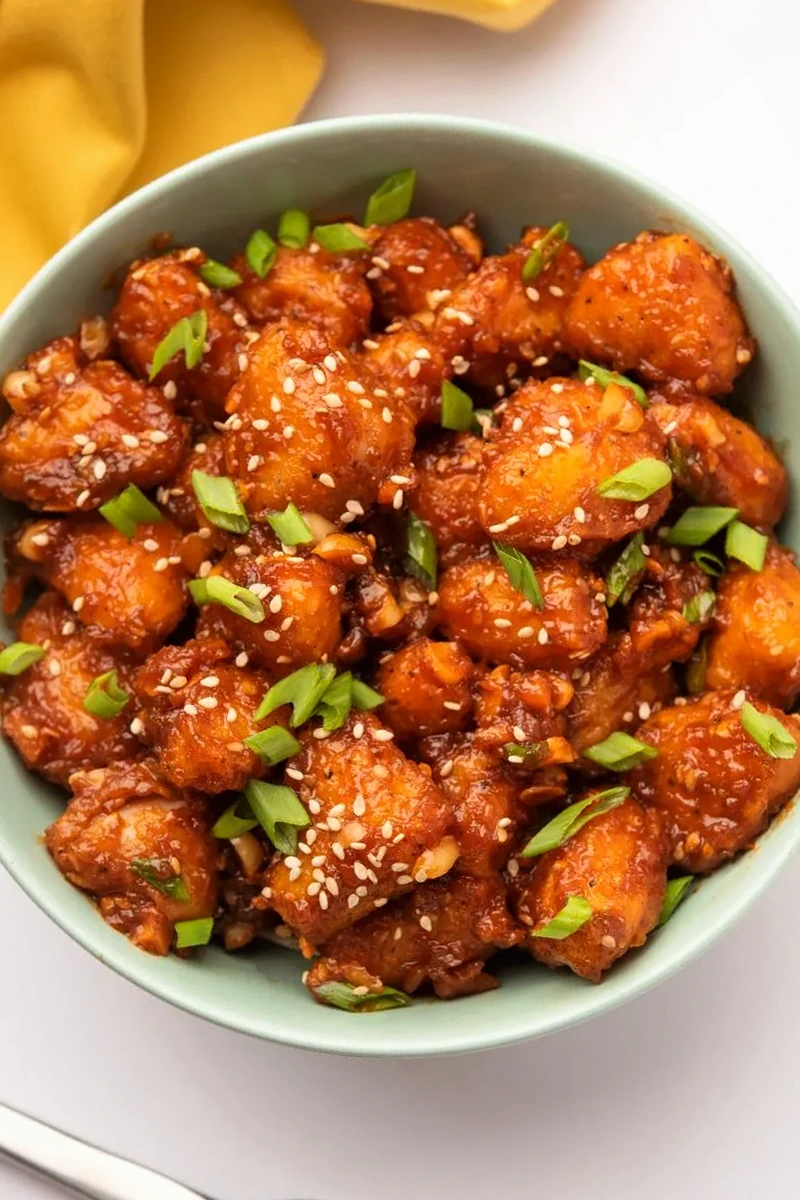
This crispy orange chicken is a fast and flavorful dinner option that brings a sweet and tangy glaze to your table. It uses a simple batter and a citrus-based sauce to create a professional texture in under 30 minutes. This dish is an ideal solution for busy weeknights when you want a satisfying meal without extensive preparation.
List of ingredients
- 2 large chicken breasts, boneless and skinless – cut into uniform bite-sized pieces.
- 1/2 cup all-purpose flour – provides the base for the breading.
- 1/4 cup cornstarch – ensures a light and extra-crispy exterior.
- 1 teaspoon baking powder – helps the batter aerate for a crunchier finish.
- 1/2 teaspoon salt – enhances the natural flavor of the chicken.
- 1/4 teaspoon black pepper – adds a subtle depth of seasoning.
- 1/2 cup cold water – used to bind the dry ingredients into a smooth batter.
- Vegetable oil – for deep frying the chicken pieces.
- 1 cup fresh orange juice (about 2 oranges) – the primary source of citrus flavor.
- 1/2 cup soy sauce – adds a salty, savory balance to the sweetness.
- 1/4 cup sugar – provides sweetness and creates a glossy glaze.
- 2 tablespoons rice vinegar – introduces a sharp, tangy acidity.
- 1 teaspoon garlic, minced – adds aromatic pungent notes.
- 1 teaspoon ginger, grated – provides a fresh, zesty warmth.
- 1 tablespoon cornstarch mixed with 2 tablespoons water – a slurry used to thicken the sauce.
- 1 tablespoon sesame oil (optional) – used for frying the aromatics to add nuttiness.
step-by-step instructions
- Prepare the Chicken: In a large bowl, combine the flour, cornstarch, baking powder, salt, and pepper. Gradually whisk in the cold water until the batter is smooth and free of lumps. Toss the chicken pieces into the batter until every piece is fully and evenly coated.
- Fry the Chicken: Heat vegetable oil in a frying pan or wok over medium-high heat. Carefully place the battered chicken in the hot oil in small batches to avoid crowding. Fry for 5 to 6 minutes, turning occasionally, until the pieces are golden brown and crispy. Remove the chicken and let it drain on paper towels.
- Make the Sauce: Heat sesame oil in a separate pan over medium heat. Add the minced garlic and grated ginger, stirring for about one minute until fragrant. Pour in the orange juice, soy sauce, sugar, and rice vinegar, stirring to combine. Bring the mixture to a simmer, then stir in the cornstarch slurry and cook for 3 minutes until the sauce thickens.
- Combine the Chicken and Sauce: Add the fried chicken pieces to the pan with the thickened sauce. Toss gently to ensure every piece of chicken is completely coated in the orange glaze.
- Serve and Enjoy: Transfer the coated chicken to a serving plate. Serve immediately over steamed white rice or alongside sautéed vegetables.
Techniques for Maximum Crispiness
Implementing a Double Fry Method
For a restaurant-style crunch, fry the chicken pieces twice. After the first fry, let the chicken rest on a wire rack for a few minutes to let moisture escape from the crust. Increase the oil heat slightly and fry them a second time for 1-2 minutes until they reach a deep golden brown.
Using Ice Cold Water in the Batter
Using very cold water prevents the development of excess gluten in the flour. When cold batter hits hot oil, it creates a rapid steam release that makes the coating lighter and crispier. This prevents the batter from becoming doughy or chewy.
Monitoring Oil Temperature
Maintain your oil at approximately 350°F to 375°F for the best results. If the oil is too cold, the chicken will absorb too much fat and become greasy. If it is too hot, the outside will burn before the chicken is cooked through.
Managing Batch Sizes in the Wok
Do not overcrowd the pan when frying the chicken pieces. Adding too many pieces at once drops the oil temperature significantly, which leads to soggy breading. Fry in small batches to keep the heat consistent and the texture crisp.
Ingredient Substitutions and Swaps
Substituting Chicken Thighs for Breasts
You can use boneless, skinless chicken thighs instead of breasts for a juicier result. Thighs have a higher fat content, which makes them more resistant to overcooking. Ensure they are cut into uniform sizes to maintain consistent cooking times.
Using Rice Flour for Gluten-Free Coating
To make this recipe gluten-free, replace the all-purpose flour with rice flour. Rice flour produces a very crisp texture that holds up well against the sauce. Keep the cornstarch and baking powder as they are for the best lift.
Replacing Sugar with Honey
Honey can be used as a substitute for granulated sugar to add a more floral sweetness. Honey also increases the viscosity of the sauce, making it cling to the chicken more effectively. Adjust the amount slightly, as honey is liquid and may affect the thickness.
Using Apple Cider Vinegar
If rice vinegar is unavailable, apple cider vinegar is a suitable replacement. It provides a similar acidic profile, though it has a slightly fruitier undertone. The difference in taste is minimal once combined with the orange juice and soy sauce.
Flavor Variations
Adding Heat with Red Pepper Flakes
For a spicy version of this dish, stir in 1/2 teaspoon of crushed red pepper flakes during the sauce-making process. This adds a sharp heat that balances the sweetness of the orange juice. You can also add Sriracha for a more integrated, creamy heat.
Incorporating Fresh Orange Zest
Adding one teaspoon of freshly grated orange zest into the sauce intensifies the citrus aroma. The zest contains essential oils that provide a more complex orange flavor than the juice alone. Stir the zest in at the very end to keep the flavor bright.
Creating a Garlic-Heavy Profile
If you prefer a more pungent flavor, double the amount of minced garlic. Sauté the garlic longer until it is lightly golden before adding the liquid ingredients. This creates a savory base that complements the tangy glaze.
Substituting Lemon for Orange
You can create Lemon Chicken by replacing the orange juice with fresh lemon juice. Since lemon is more acidic, you may need to increase the sugar by one tablespoon to balance the tartness. This variation offers a sharper, cleaner citrus taste.
Serving and Pairing Suggestions
Serving with Steamed Jasmine Rice
Jasmine rice is the ideal accompaniment because its floral aroma complements the orange glaze. The rice absorbs the extra sauce, ensuring none of the flavor is wasted. For a healthier option, substitute with brown rice or quinoa.
Pairing with Steamed Broccoli
Steamed broccoli provides a nutritional balance and a color contrast to the vibrant orange chicken. The slight bitterness of the broccoli cuts through the sweetness of the sauce. Steam the florets for 4-5 minutes until they are tender-crisp.
Adding a Side of Cucumber Salad
A chilled cucumber salad with rice vinegar and sesame oil serves as a refreshing palate cleanser. The cool, crisp nature of the cucumbers balances the richness of the fried chicken. Slice cucumbers thinly and toss them with a pinch of salt and sugar.
Garnishing with Sesame Seeds
To add a professional finish, sprinkle toasted sesame seeds over the plated chicken. This provides a subtle nutty flavor and a visually appealing contrast. Sliced green onions also add a fresh, sharp note to the dish.
Storage and Reheating Guide
Refrigerating Leftovers Safely
Store any remaining orange chicken in an airtight container in the refrigerator for up to three days. Allow the chicken to cool slightly before sealing the container to prevent excess steam from making the coating soggy. Keep the chicken and rice in separate containers for better reheating.
Restoring Crunch in the Oven
To reheat the chicken while maintaining its texture, use an oven or toaster oven. Preheat to 375°F and spread the chicken on a baking sheet for 5-10 minutes. This evaporates surface moisture and restores the crispiness of the breading.
Using an Air Fryer for Reheating
The air fryer is the most efficient tool for reheating fried chicken. Place the pieces in the basket at 350°F for 3-5 minutes. This method delivers a texture very close to the original freshly fried state.
Why Freezing is Not Recommended
Freezing sauce-coated chicken is generally avoided because the sauce breaks down during the thawing process. This often results in a mushy texture that cannot be restored. It is better to freeze the fried chicken without sauce and glaze it after reheating.
Troubleshooting Common Issues
Fixing a Sauce That is Too Thin
If the sauce has not thickened enough, mix an additional teaspoon of cornstarch with a tablespoon of water. Stir this new slurry into the simmering sauce and cook for another 60 seconds. This will quickly increase the viscosity and help it cling to the meat.
Preventing Batter from Peeling Off
Batter peeling usually happens if the chicken is too wet when coated. Pat the chicken pieces dry with paper towels before adding them to the batter. This ensures the breading adheres firmly to the surface of the meat.
Ensuring the Chicken is Cooked Through
If you are unsure if the chicken is done, use a meat thermometer to check the internal temperature. The chicken should reach 165°F (74°C) to be safe for consumption. If the outside is browning too fast, lower the heat and cover the pan for a minute.
Reducing Oiliness in the Final Dish
If the chicken feels too oily, ensure you are using a wire rack or thick paper towels for draining. Additionally, avoid overcrowding the pan, as this prevents the oil from searing the batter quickly. Patting the finished pieces once more before adding them to the sauce can also help.
Frequently Asked Questions
Can I use a slow cooker for this?
A slow cooker cannot be used for the frying process, but you can cook the chicken in it and then sear it. However, the traditional crispy texture is only achievable through frying or air frying. You can cook the sauce in a slow cooker, but it is faster to do it on a stove.
Is it possible to bake the chicken instead of frying?
Yes, you can bake the chicken at 400°F for about 15-20 minutes. Spray the pieces generously with oil to mimic the frying process. While it will be less crispy than deep-frying, it is a healthier alternative.
How do I keep the sauce from burning?
Keep the heat at medium and stir the sauce constantly, especially after adding the sugar. Sugar can caramelize and burn quickly if left unattended. If the sauce becomes too thick or dark, stir in a tablespoon of water to loosen it.
Can I use bottled orange juice?
Bottled orange juice works, but ensure it is 100% pure juice with no added sugar. If the bottled juice is very sweet, reduce the amount of granulated sugar in the recipe to maintain the flavor balance. Freshly squeezed juice provides the best brightness.
Print
Crispy Orange Chicken Recipe
- Total Time: 35 minutes
- Yield: 4 servings 1x
- Diet: General
Description
Orange chicken is a popular Chinese-American dish made with crispy chicken pieces coated in a sweet and tangy orange sauce.
Ingredients
- 2 large chicken breasts, boneless and skinless
- 1/2 cup all-purpose flour
- 1/4 cup cornstarch
- 1 teaspoon baking powder
- 1/2 teaspoon salt
- 1/4 teaspoon black pepper
- 1/2 cup cold water
- Vegetable oil (for frying)
- 1 cup fresh orange juice (about 2 oranges)
- 1/2 cup soy sauce
- 1/4 cup sugar
- 2 tablespoons rice vinegar
- 1 teaspoon garlic, minced
- 1 teaspoon ginger, grated
- 1 tablespoon cornstarch mixed with 2 tablespoons water
- 1 tablespoon sesame oil
Instructions
- Prepare the Chicken: In a large bowl, mix flour, cornstarch, baking powder, salt, and pepper. Gradually add cold water and stir until the batter forms a smooth consistency. Add the chicken pieces to the batter, ensuring each piece is coated well.
- Fry the Chicken: Heat vegetable oil in a frying pan or wok over medium-high heat. Once the oil is hot, carefully drop the battered chicken pieces into the oil, a few pieces at a time. Fry for 5–6 minutes, or until golden brown and crispy. Remove the chicken from the oil and place it on paper towels to drain.
- Make the Sauce: In a separate pan, heat sesame oil (if using) over medium heat. Add minced garlic and grated ginger, cooking until fragrant (about 1 minute). Pour in the orange juice, soy sauce, sugar, and rice vinegar. Stir well to combine. Bring the sauce to a simmer, then add the cornstarch slurry (cornstarch mixed with water) to thicken the sauce. Let it simmer for about 3 minutes, stirring frequently.
- Combine the Chicken and Sauce: Once the sauce has thickened, gently toss the fried chicken in the sauce, ensuring every piece is coated.
- Serve and Enjoy: Serve your homemade orange chicken over steamed rice or alongside your favorite veggies for a complete meal!
Notes
For an even crispier texture, you can double fry the chicken pieces. You can also add red pepper flakes or chili paste for a spicy kick, if desired. Adjust the sugar level in the sauce to suit your sweetness preference.
- Prep Time: 10 minutes
- Cook Time: 25 minutes
- Category: Main Course
- Method: Frying
- Cuisine: Chinese
Nutrition
- Serving Size: 1 serving
- Calories: 400 kcal
- Sugar: 22 g
- Sodium: 850 mg
- Fat: 16 g
- Saturated Fat: 3 g
- Unsaturated Fat: 13 g
- Trans Fat: 0 g
- Carbohydrates: 32 g
- Fiber: 2 g
- Protein: 28 g
- Cholesterol: 85 mg