
I’ve found that sometimes the simplest meals are the most satisfying, especially when you start from scratch.
This best homemade noodle recipe for Sichuan chili peanut noodles takes a classic comfort food and elevates it with a deep, complex sauce and a delightful crunch. Making fresh noodles at home is surprisingly simple, resulting in a chewiness you simply can’t find in store-bought options. The combination of chewy, perfectly elastic noodles with the creamy, spicy, and savory sauce creates a high-impact, flavorful experience that rivals any takeout dish. It’s a fantastic weeknight meal, especially for busy families looking for something hearty and easy.
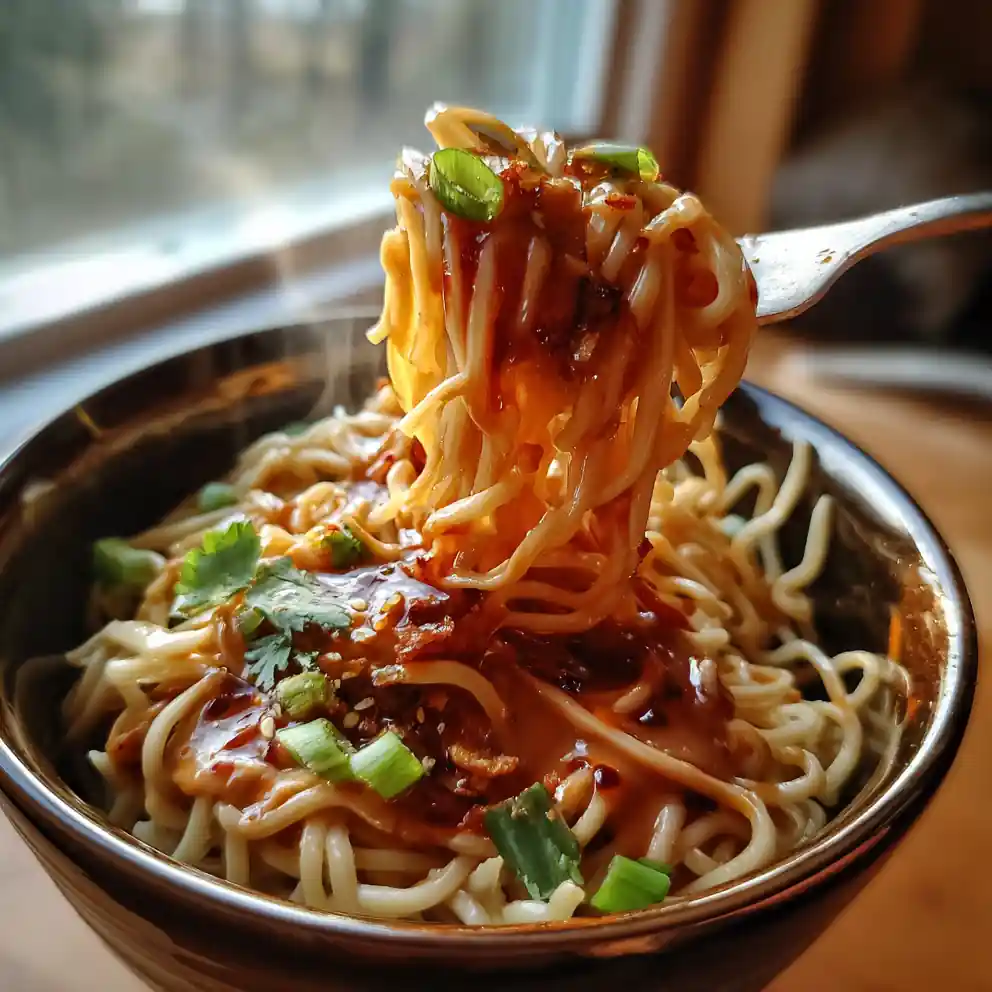
Ingredients
- All-Purpose Flour (300g / 2.5 cups): The base for elastic, chewy noodles. Use standard all-purpose flour for the best results and structure. Ensure you have extra flour on hand for dusting during rolling and cutting.
- Warm Water (150ml / 2/3 cup): Activates the gluten in the flour and helps create a pliable dough. Use water around 100-110°F (38-43°C) for ideal gluten development and dough texture. If the water is too hot, it can kill the gluten structure; if too cold, the dough will be stiff.
- Fine Sea Salt (5g / 1 teaspoon): Essential for developing flavor in both the dough and the sauce components. The salt enhances the wheat flavor of the noodles and balances the spice in the sauce. It also helps tighten the gluten structure for a better chew.
- Neutral Oil (15ml / 1 tablespoon for dough + 60ml / 1/4 cup for chili oil): Adds elasticity to the noodle dough and serves as the carrier oil for the Sichuan chili. Canola or sunflower oil work well here; avoid olive oil as its flavor will interfere. The oil in the dough helps keep it from getting too stiff during kneading.
- Creamy Peanut Butter (60g / 1/4 cup): Forms the rich base of the sauce, providing a creamy texture and nutty flavor. Use unsweetened, non-separated creamy peanut butter for best results. *Pro-tip: If you’re looking for a nut-free option, this best homemade noodle recipe works well with tahini as a substitute for peanut butter, though you may need to adjust the maple syrup slightly for taste.*
- Tamari (30ml / 2 tablespoons): A gluten-free soy sauce alternative that adds deep umami and saltiness. If you are not avoiding gluten, you can swap this for standard soy sauce. Ensure you are using tamari that is non-alcoholic if adhering to a strict diet.
- Rice Vinegar (15ml / 1 tablespoon): Provides a necessary acidic tang to cut through the richness of the peanut butter. Avoid seasoned rice vinegar, which contains sugar; use plain rice vinegar. A touch of acid balances the sweetness and fattiness in the sauce.
- Maple Syrup (15ml / 1 tablespoon): A natural sweetener that balances the spice and vinegar in the sauce. You can substitute this with honey, agave syrup, or brown sugar if needed. Start with a little and add more to taste based on your preference for sweetness.
- Toasted Sesame Oil (5ml / 1 teaspoon): Adds a rich, nutty aroma characteristic of East Asian cuisine. A small amount goes a long way; use sparingly as a finishing oil. Ensure it is toasted sesame oil for maximum aroma.
- Aromatics (5g minced garlic, 5g grated ginger): Fresh aromatics provide a bright, zesty base for the sauce. Freshly minced garlic and grated ginger are essential here for the authentic flavor profile. Avoid pre-minced jars, as they lack the same vibrant flavor.
- Vegetable Broth or Water (60ml / 1/4 cup): Used to thin the peanut butter sauce to a pourable consistency. Warm broth adds more depth of flavor; warm water works fine as a simpler alternative. Adjust the amount slowly to achieve your preferred sauce thickness.
- Sichuan Chili Flakes (15g / 1 tablespoon): Provides the key spicy element and vibrant red color. These flakes are different from standard red pepper flakes; they offer a distinct flavor profile. Adjust the amount based on your preferred heat level, or use less for a milder sauce.
- Sichuan Peppercorns (5g / 1 teaspoon): Optional ingredient for the traditional numbing sensation (mala). These peppercorns are not spicy in the traditional sense; they create a unique tingling mouthfeel. If you prefer less numbing, omit this or reduce the quantity.
- Garlic Slices (10g / 2 cloves): Used for making the crispy garlic garnish and infusing the chili oil. Thinly slice the garlic to ensure even browning and crispiness. Do not use minced garlic here; thin slices are crucial for texture.
- Fresh Cilantro and Green Onions (15g and 1-2 green onions): Serve as fresh garnishes that cut through the richness. Chop the cilantro roughly and slice the green onions thinly on the bias for visual appeal. If you dislike cilantro, substitute with more green onions or fresh parsley.
Instructions
- Prepare the Noodle Dough: In a large mixing bowl, whisk together the 300g (2.5 cups) all-purpose flour and 5g (1 tsp) fine sea salt. Gradually add the 150ml (2/3 cup) warm water and 15ml (1 tbsp) neutral oil, mixing with chopsticks or a spatula until a shaggy dough forms. Turn the dough out onto a lightly floured clean surface and knead vigorously for 8-10 minutes until it becomes smooth and elastic; a smooth, pliable texture is key. Cover the dough tightly with a damp cloth or plastic wrap and let it rest at room temperature for at least 30 minutes to an hour; this resting period is critical for relaxing the gluten and making the dough easier to roll.
- Make the Sichuan Chili Oil Component: While the noodle dough rests, combine 60ml (1/4 cup) neutral oil, Sichuan peppercorns (if using), and thinly sliced 10g (2 cloves) garlic in a small saucepan. Heat over low heat for 5-7 minutes, stirring occasionally, until the garlic slices turn golden brown and become fragrant; keep the heat low to prevent burning the garlic. Remove the pan from the heat, stir in the 15g (1 tbsp) Sichuan chili flakes and a pinch of salt, then let the mixture steep for 10 minutes to allow the flavors to infuse. Carefully strain the oil through a fine-mesh sieve into a heatproof bowl, reserving the crispy garlic separately for garnish.
- Prepare the Peanut Sauce Base: In a medium bowl, whisk together the 60g (1/4 cup) creamy peanut butter, 30ml (2 tbsp) tamari, 15ml (1 tbsp) rice vinegar, 15ml (1 tbsp) maple syrup, 5ml (1 tsp) toasted sesame oil, 5g (1 clove) minced garlic, and 5g (1 tsp) grated ginger until smooth and fully combined. Gradually whisk in the 60ml (1/4 cup) warm vegetable broth or water until the sauce reaches a creamy and pourable consistency, adding liquid slowly to avoid a watery sauce. Stir 2 tablespoons of the prepared Sichuan chili oil from step 2 into the peanut sauce base, then taste and adjust seasoning if needed.
- Roll and Cut Noodles: Lightly flour a clean surface. Divide the rested dough into two equal pieces. Working with one piece at a time, roll it out very thinly (about 1-2mm or 1/16 inch thick) into a large rectangle, dusting lightly with flour as needed to prevent sticking to the rolling pin. Fold the dough rectangle loosely lengthwise into thirds, similar to folding a business letter. Using a sharp knife, slice the folded dough into your desired noodle width (e.g., 3-5mm or 1/8 to 1/4 inch); thinner noodles cook faster and absorb more sauce, while thicker noodles offer a heartier chew. Unfurl the sliced noodles immediately and toss them gently with flour to ensure they don’t stick together before cooking.
- Cook the Noodles: Bring a large pot of salted water to a rolling boil. Add the fresh noodles, stirring gently immediately to ensure they separate and don’t clump at the bottom. Cook for 2-4 minutes, or until al dente; fresh noodles cook much faster than dried, so test frequently for the right texture. Before draining, reserve about 60ml (1/4 cup) of the noodle cooking water; the starchy water will help bind the sauce to the noodles later if needed. Drain the noodles thoroughly.
- Combine and Serve: Transfer the hot, drained noodles to a large mixing bowl. Pour the Sichuan Chili Peanut Sauce over the noodles and toss until every strand is evenly coated and glistening with the sauce. If the sauce seems too thick or clings unevenly, add a tablespoon or two of the reserved noodle cooking water, tossing again to reach your desired consistency. Serve immediately in individual shallow, wide bowls, drizzling generously with remaining Sichuan chili oil and scattering the reserved crispy garlic, chopped fresh cilantro, and sliced green onions over the top for garnish. This best homemade noodle recipe is a high-flavor family dinner idea.
Troubleshooting Homemade Noodle Dough
The process of making fresh noodles for the first time can be intimidating, but most issues are easily fixed. Here are some solutions to common dough problems that help create the best homemade noodle recipe for a chewy texture.
- My dough feels too dry and crumbly. This is usually due to varying flour types or humidity. Knead for a few minutes first to see if moisture distributes, then add water one teaspoon at a time until the dough just comes together. Don’t add too much water at once.
- My dough feels too sticky and wet. If the dough is clinging to your hands during kneading, add flour a tablespoon at a time. The goal is a smooth, slightly tacky dough, not a sticky mess. A dusting of flour on the work surface usually fixes mild stickiness.
- The noodles were tough and difficult to roll out. This means the gluten needs more rest time. A minimum rest of 30 minutes is critical, but I find letting the dough rest for a full hour makes for an even easier rolling experience.
- The noodles stuck together after cutting. Toss the cut noodles immediately with flour, separating the strands as you go. For longer storage before boiling, toss lightly with oil or cornstarch.
Make-Ahead Noodle Dough and Storage Tips
This is a fantastic recipe for easy dinner ideas because you can prepare components ahead of time. Having fresh noodles ready to go makes for truly quick meals on busy weeknights. The best homemade noodle recipe is one that fits into your schedule.
- How to store fresh noodles short-term: If you plan to cook the noodles within a few hours, keep them covered tightly with plastic wrap or in an airtight container in the fridge. For longer storage (up to 3 days), toss lightly with flour or cornstarch and form them into small nests on a baking sheet.
- How to freeze fresh noodles: To freeze, form small nests of noodles, place them on a floured baking sheet in a single layer, and freeze until solid (about 1 hour). Once frozen, transfer the nests to a freezer-safe bag or container and freeze for up to 3 months. When ready to cook, boil directly from frozen; do not thaw first.
- How to store the peanut sauce: The peanut sauce base can be made up to 3 days ahead and stored in an airtight container in the refrigerator. The sauce will thicken in the fridge; whisk in a little water or broth to loosen it before serving. Store the chili oil and crispy garlic separately to retain maximum flavor and crispness.
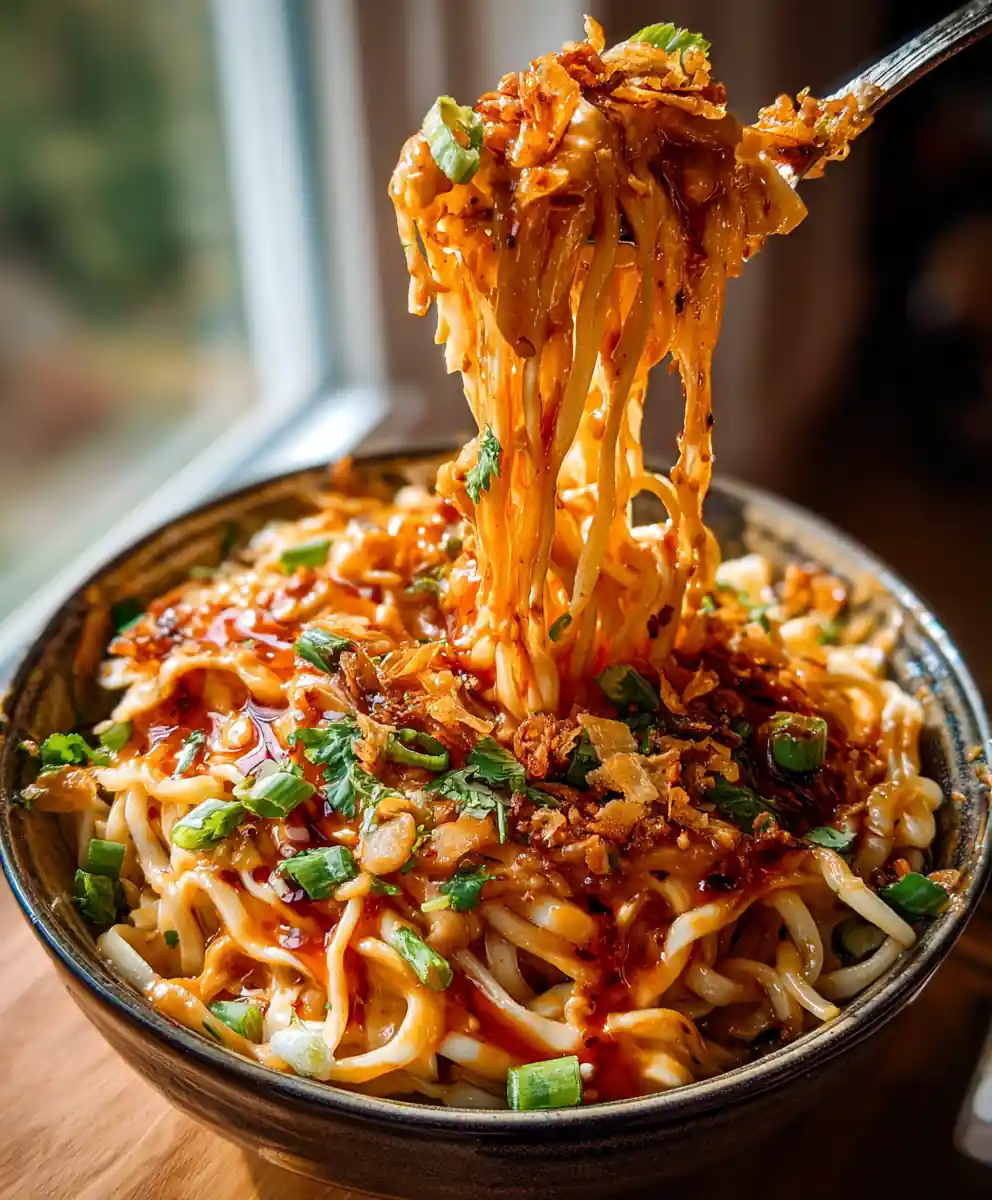
Customizing Your Sichuan Chili Peanut Sauce
The beauty of this family-friendly recipe lies in its adaptability. You can easily adjust the spice level or add extra protein and vegetables for a more substantial healthy eating meal.
- Adjusting the heat level: The primary source of heat in this recipe comes from the Sichuan chili flakes. For a mild version suitable for children, reduce the amount of chili flakes in the oil to 1/2 tablespoon or omit entirely. To make it spicier, use a full tablespoon of chili flakes and optionally add a small amount of fresh chili paste to the finished sauce.
- Making the recipe nut-free: If you have a peanut allergy, substitute the peanut butter with tahini (sesame seed paste) or sunflower seed butter. Be aware that the flavor profile will change slightly, so adjust sweeteners and salt accordingly.
- Adding extra protein and vegetables: For a high-protein meal, quickly blanch broccoli florets, snap peas, or shredded carrots and mix directly into the noodles. You can also add high-protein ingredients like shredded chicken or pan-seared tofu for a complete easy dinner idea.
FAQs
Here are some common questions about making the best homemade noodle recipe for Sichuan Chili Peanut Noodles.
Can I use dried noodles instead of making them fresh?
Yes, you absolutely can use dried noodles, especially when short on time. Cook according to package directions, typically 8-10 minutes for dried wheat noodles. The fresh version offers a superior texture, but dried noodles are great for a convenient and quick meal.
Do I need a pasta machine to make these noodles?
No, a rolling pin and a sharp knife are perfectly sufficient. Rolling by hand actually gives the noodles a more rustic, chewy texture that works well with this sauce. A pasta machine simply offers consistency in thickness.
What makes Sichuan peppercorns numbing?
Sichuan peppercorns contain an active compound called hydroxy-alpha-sanshool, which stimulates nerve endings in the mouth and causes a unique tingling or numbing sensation (mala). This sensation is distinct from traditional spice and adds complexity to the dish.
How do I keep my homemade noodles from clumping after cooking?
If serving immediately, toss the noodles directly into the sauce. If holding them for a few minutes, toss them gently in a small amount of sesame oil to prevent sticking. This is especially important for meal prep or if you’re not eating immediately.
How long should I let the dough rest?
A minimum of 30 minutes is required for the gluten to relax. I find that if I let it rest longer (up to 2 hours) I can roll the dough much more thinly without resistance, resulting in a more delicate noodle. This is a crucial step for the best homemade noodle recipe results.
Why do I need to reserve some cooking water?
The starchy water reserved from cooking acts as an emulsifier and helps to bind the sauce to the noodles, preventing a watery consistency and creating a thicker, richer coating. It’s especially useful if you are trying to make a healthy noodle dish with less oil.
What is the best way to serve these noodles?
Serve them in wide, shallow bowls so the noodles don’t clump together and everyone can get a good ratio of sauce and garnishes in each bite. This makes a family-friendly meal easier to enjoy. For me, a wide bowl is key for serving this best homemade noodle recipe.
Conclusion
This best homemade noodle recipe proves that a high-flavor meal doesn’t have to be complicated. The combination of fresh noodles and a customized Sichuan chili peanut sauce creates a memorable dish that is a significant upgrade from takeout and a great healthy eating option for your family. Save this recipe for a weekend project or an easy weeknight meal, and share your results with us on social media.
Print
best homemade noodle recipe
- Total Time: 55 minutes
- Yield: 4 servings 1x
- Diet: Vegetarian
Description
This recipe guides you through making fresh, chewy homemade noodles and combines them with a deep, complex Sichuan chili peanut sauce. The simple process results in a high-impact, flavorful dish that rivals takeout.
Ingredients
- 300g all-purpose flour
- 150ml warm water
- 15ml neutral oil (for dough)
- 5g fine sea salt
- 60g creamy peanut butter
- 30ml tamari (or soy sauce)
- 15ml rice vinegar
- 15ml maple syrup
- 5ml toasted sesame oil
- 5g minced garlic
- 5g grated ginger
- 60ml vegetable broth or water
- 60ml neutral oil (for chili oil)
- 15g Sichuan chili flakes
- 5g Sichuan peppercorns (optional)
- 10g garlic slices (2 cloves)
- 15g fresh cilantro
- 2 green onions
Instructions
- Make Noodle Dough: Combine flour and salt in a bowl. Add warm water and oil, mixing until a shaggy dough forms. Knead on a floured surface for 8-10 minutes until smooth and elastic. Cover with a damp cloth and rest for 30-60 minutes.
- Prepare Chili Oil: In a small saucepan, heat 60ml neutral oil with sliced garlic and Sichuan peppercorns over low heat for 5-7 minutes until the garlic is golden brown. Remove from heat, add chili flakes and salt, then let steep for 10 minutes. Strain the oil, reserving the crispy garlic separately.
- Create Peanut Sauce: In a medium bowl, whisk peanut butter, tamari, rice vinegar, maple syrup, sesame oil, minced garlic, and grated ginger until combined. Gradually whisk in warm broth or water until the sauce reaches a pourable consistency. Stir in 2 tablespoons of the prepared chili oil.
- Roll and Cut Noodles: Roll the rested dough thinly (1-2mm) into a rectangle. Fold the dough lengthwise into thirds, then slice into 3-5mm wide noodles. Unfurl the strands immediately and toss gently with flour to prevent sticking.
- Cook Noodles: Bring a large pot of salted water to a boil. Add the fresh noodles and cook for 2-4 minutes, until al dente. Reserve about 60ml of the starchy cooking water, then drain the noodles thoroughly.
- Combine and Serve: Toss the hot noodles with the peanut sauce until fully coated. Add reserved cooking water as needed to adjust consistency. Serve immediately, garnished with the crispy garlic, cilantro, green onions, and additional chili oil.
Notes
For a nut-free version, use tahini as a substitute for peanut butter, adjusting the maple syrup for flavor. Use plain rice vinegar rather than seasoned rice vinegar. If the sauce is too thick, use a tablespoon or two of reserved noodle cooking water to thin it out.
- Prep Time: 45 minutes
- Cook Time: 10 minutes
- Category: Main Course
- Method: Kneading, Boiling
- Cuisine: Sichuan
Nutrition
- Serving Size: 1 serving
- Calories: 520 kcal
- Sugar: 3 g
- Sodium: 950 mg
- Fat: 28 g
- Saturated Fat: 5 g
- Unsaturated Fat: 20 g
- Trans Fat: 0 g
- Carbohydrates: 60 g
- Fiber: 3 g
- Protein: 11 g
- Cholesterol: 0 mg
FREE PRINTABLE RECIPE
Get the Printable Recipe PDF (Free)
Enter your email and we’ll send you the ingredients + step-by-step instructions as a clean PDF you can save to your phone.
- ✅ Printable PDF (ingredients + steps)
- ✅ Save it to your phone (no long scrolling)
- ✅ Includes cook time + servings
- ✅ Easy to follow
FAQ
Where’s the full recipe?
It’s delivered as a printable PDF so you can save it and cook without scrolling.
I didn’t get the email.
Check Spam/Promotions and search your inbox for your site name. Then click Confirm to receive the PDF.