
I find starting a sourdough culture intimidating, but this vibrant beetroot-infused version makes the process genuinely enjoyable.
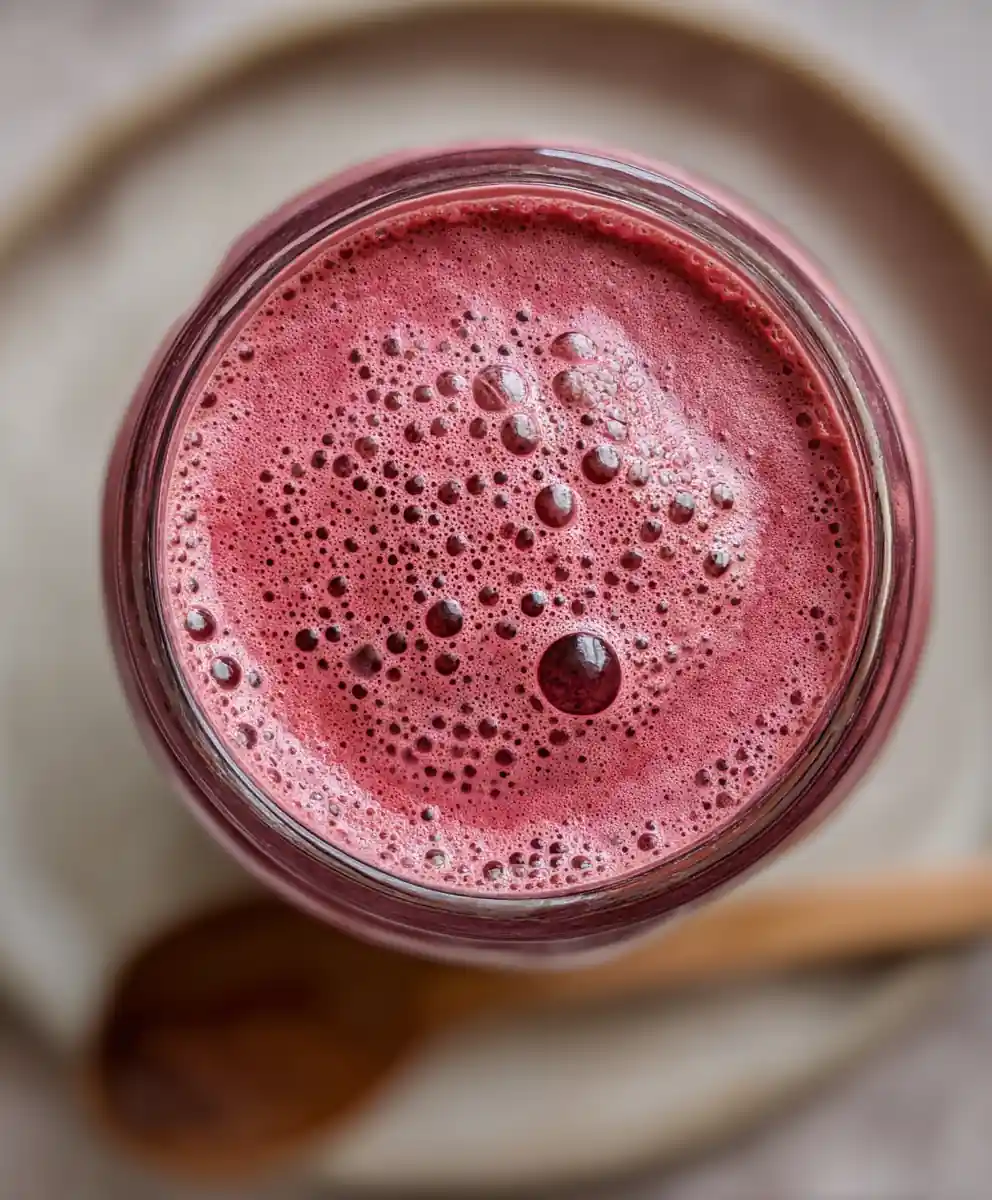
The vibrant pink color of this specific beetroot-infused culture makes tracking its progress easy and fun. This guide shows you how to create a robust and active sourdough starter recipe over seven days, transforming what can feel like a chore into a visually engaging project that’s perfect for a family-friendly kitchen. This simple process yields a healthy, thriving starter ready for baking hearty loaves. By the end of this week, you’ll have a healthy, thriving culture ready to take your baking to the next level.

Ingredients
- 60 g (1/2 cup) whole wheat flour
This initial feeding of whole wheat flour gives your starter a robust boost of nutrients and microbes, helping to kickstart fermentation. It’s important to use whole wheat flour for Day 1 as it provides the necessary fuel for rapid activity, compared to bleached white flour. - 60 g (1/4 cup) filtered water, room temperature (approximately 20-24°C / 68-75°F)
Filtered water helps avoid chlorine and minerals often found in tap water that can inhibit yeast growth. Ensure the water is room temperature to provide a stable environment for the yeast and bacteria to thrive. (If you don’t have filtered water, boil tap water first and let it cool completely.) - 1.5 g (1/2 teaspoon) beetroot powder
This natural ingredient provides the vibrant color without significantly altering the flavor profile. It adds a touch of earthiness and visual appeal to your starter, making it unique and easy to observe. - For Daily Feedings (Day 2 onwards): 30 g (2 tablespoons) active sourdough starter (from previous feeding)
This is the portion you keep from the previous day’s feeding to propagate the culture. We discard the rest to manage the starter size and ensure the new flour has enough food. - 60 g (1/2 cup) all-purpose flour
After the initial whole wheat boost, we transition to all-purpose flour for a lighter texture and consistent feeding. This standard flour provides a stable base for ongoing maintenance feedings. (Alternatively, you can switch to a higher protein bread flour once active, if desired.) - 60 g (1/4 cup) filtered water, room temperature (approximately 20-24°C / 68-75°F)
Maintain consistency by using room temperature filtered water for daily feedings. This ensures a stable environment for consistent activity. - 1 g (1/4 teaspoon) beetroot powder
Add this amount for daily maintenance to keep the vibrant pink color consistent as you continue feeding. It helps maintain the unique aesthetic of your culture throughout the process.
Instructions
- Day 1: Begin your initial starter mix
To start this unique sourdough starter recipe, combine 60 g whole wheat flour, 60 g filtered water, and 1.5 g beetroot powder in a clean, clear 500 ml glass jar. Stir thoroughly with a clean spoon until no dry pockets of flour remain and the mixture is smooth and uniformly pink. Scrape down the sides of the jar to keep it tidy. Cover the jar loosely with its lid or a piece of cloth secured with a rubber band to allow airflow and let it rest at room temperature (ideally 20-24°C). - Days 2-7: Perform daily feedings and observation
Feed the starter daily, approximately every 24 hours, around the same time each day. First, discard all but 30 g (2 tablespoons) of the starter from the jar. To the remaining 30 g, add 60 g all-purpose flour, 60 g filtered water, and 1 g beetroot powder. - Continue daily feeding and stirring
Stir vigorously with a clean spoon until thoroughly combined and smooth, ensuring a consistent pink color and no lumps of dry flour. Scrape down the sides of the jar and cover loosely. Let it rest at room temperature between feedings. If your mixture looks too stiff or pasty, try adding a splash of extra water next time to improve consistency. - Observe daily activity
Over these days, you should notice activity: the starter will begin to bubble, rise significantly after feeding, and then slowly fall. A mature, active starter will consistently double or triple in size within 4-8 hours after feeding and will be full of bubbles. - Activation Check: Verify readiness for baking (Day 7)
By Day 7 (or when consistently active), your beetroot-infused sourdough starter recipe should be ready for baking. It should smell pleasantly yeasty and slightly tangy, and when you feed it, it should reliably show vigorous bubbling and consistent rising. To test its readiness, drop a teaspoon of starter into a glass of water; if it floats, it’s ready. - Storage options after activation
Once active, you can continue daily feedings at room temperature if you bake frequently, or store it in the refrigerator. If refrigerated, feed it once a week, bring it to room temperature, and perform 1-2 daily feedings before baking to re-activate fully. Ensure the jar is clean, wiped free of any residue, to highlight the starter’s purity and maintain health. This sourdough starter recipe is perfect for creating a healthy culture for family cooking.
The Benefits of a Beetroot-Infused Sourdough Starter
This vibrant beetroot method offers several advantages over a standard culture, especially for home bakers.
- Vibrant Color: The beetroot powder provides a stunning pink hue, making this starter visually unique and a fun conversation starter. It’s especially appealing for family-friendly projects.
- Subtle Flavor Profile: While the primary purpose is color, beetroot adds a hint of earthy sweetness that complements the tangy sourdough notes beautifully.
- Beginner-Friendly: The distinct color makes it easier to track changes and activity compared to traditional starters. New bakers can easily spot bubbles and rising against the bright pink background, helping them observe when the culture is active.
Troubleshooting Common Sourdough Starter Issues
No Activity or Bubbles
Don’t panic if you don’t see bubbles immediately; this is normal in Days 1-3 for any sourdough starter recipe. Patience is essential. Ensure a consistent room temperature between 70-75°F (21-24°C). If activity stalls, try switching to a different brand of organic whole wheat flour for a feeding or two.
Hooch (Liquid Layer)
If you see a liquid layer on top, known as hooch, your starter is hungry. Simply stir it back in and proceed with your regular feeding schedule. If hooch appears frequently, try a slightly thicker consistency in future feedings.
Mold or Unpleasant Odor
If you see black or green mold on your starter (distinct from hooch), discard the entire culture immediately. Unpleasant smells often indicate contamination; ensure all equipment and jars are thoroughly cleaned with hot soapy water between feedings. A healthy sourdough starter recipe should smell pleasantly yeasty and tangy.
FAQs about Sourdough Starters
Does the beetroot powder affect the flavor of the final bread?
Not significantly. The beetroot provides color and a subtle earthiness to the sourdough starter itself, but once incorporated into a full loaf of bread, the flavor is generally subtle and often overshadowed by the characteristic sourdough tang. It creates a beautiful visual without altering the traditional taste profile.
Can I use tap water instead of filtered water?
It’s best to avoid tap water, especially if it contains chlorine, which can harm the active yeast and bacteria in your starter. Filtered, bottled, or previously boiled and cooled tap water is recommended. Using filtered water ensures a healthy environment for your sourdough starter recipe to thrive.
How long does it take for a starter to become active?
This can vary depending on conditions (temperature, flour type), but typically takes between 5 to 10 days to reach peak activity where it consistently doubles in size after feeding. I find that placing my jar in the microwave with the light on provides the perfect consistent warmth for faster activation, especially in winter.
What if I need to pause feedings for a few days (meal prep break)?
If you need a break from daily feeding, transfer your active starter to the refrigerator. Feed it once a week, then bring it back to room temperature for 1-2 daily feedings before you plan to bake your next family-friendly loaf. This is a great meal prep strategy for busy weeks.
What is the purpose of discarding part of the starter?
Discarding maintains a manageable amount of starter and ensures that the remaining culture has enough new flour to feed on. Without discarding, you’d constantly be increasing the amount of flour needed. This is key to keeping your sourdough starter recipe healthy and active.
Can I use different flours for the daily feedings?
Yes, once the starter is mature, you can transition to other flours. For a higher-protein starter, you can feed with a mix of all-purpose flour and up to 20% rye or spelt flour. This creates a more robust flavor profile in your finished bread.
Conclusion
Making a sourdough starter recipe is a rewarding journey that offers endless opportunities for healthy home baking. This vibrant beetroot method creates a unique and family-friendly culture, making the process both beautiful and delicious. Save this recipe for later on Pinterest so you can create a healthy, active culture for your family.
Print
sourdough starter recipe
- Total Time: 45 minutes
- Yield: 1 culture 1x
- Diet: general
Description
This guide provides a seven-day process for creating a vibrant beetroot-infused sourdough starter, perfect for new bakers. The unique pink color helps visually track activity, leading to a healthy culture ready for baking.
Ingredients
- 60 g whole wheat flour, for initial mix
- 60 g all-purpose flour, for daily feedings
- 60 g filtered water, room temperature
- 1.5 g beetroot powder, for initial mix
- 1 g beetroot powder, for daily feedings
- 30 g active sourdough starter (from previous feeding), for daily feedings
Instructions
- Mix Initial Starter: Combine 60 g whole wheat flour, 60 g filtered water, and 1.5 g beetroot powder in a clean glass jar. Stir well until smooth, scrape down sides, and cover loosely. Rest at room temperature (20-24°C / 68-75°F).
- Feed Daily (Days 2-7): Discard all but 30 g of starter daily. Add 60 g all-purpose flour, 60 g filtered water, and 1 g beetroot powder to the remaining starter.
- Maintain Culture: Stir thoroughly until combined and smooth. Cover loosely and let rest at room temperature for 24 hours between feedings. Observe activity and adjust consistency if needed (add a splash of water for stiffness).
- Observe Readiness: A mature starter should consistently double or triple in size 4-8 hours after feeding and be full of bubbles. It should smell pleasantly yeasty and tangy.
- Test for Readiness: By Day 7, check if the starter floats when a teaspoon is dropped in water. If it floats, it’s ready for baking.
- Store Starter: Once active, store in the refrigerator (feed weekly) or continue room temperature daily feedings (if baking frequently). Re-activate refrigerated starter with 1-2 feedings before baking.
Notes
To track activity easily, use a clear glass jar. The beetroot powder’s pink color helps visualize rising and bubbling. To verify readiness, perform the float test by dropping a spoonful of starter into water. If it floats, it is active. Refrigerate an active starter to pause feedings, but bring it to room temperature and perform 1-2 feedings before baking.
- Prep Time: 10 minutes
- Cook Time: 35 minutes
- Category: baking, starter
- Method: fermentation
- Cuisine: general
Nutrition
- Serving Size: 1 feeding portion
- Calories: 220 kcal
- Sugar: 0 g
- Sodium: 0 mg
- Fat: 1 g
- Saturated Fat: 0 g
- Unsaturated Fat: 0 g
- Trans Fat: 0 g
- Carbohydrates: 45 g
- Fiber: 2 g
- Protein: 8 g
- Cholesterol: 0 mg
FREE PRINTABLE RECIPE
Get the Printable Recipe PDF (Free)
Enter your email and we’ll send you the ingredients + step-by-step instructions as a clean PDF you can save to your phone.
- ✅ Printable PDF (ingredients + steps)
- ✅ Save it to your phone (no long scrolling)
- ✅ Includes cook time + servings
- ✅ Easy to follow
FAQ
Where’s the full recipe?
It’s delivered as a printable PDF so you can save it and cook without scrolling.
I didn’t get the email.
Check Spam/Promotions and search your inbox for your site name. Then click Confirm to receive the PDF.