
This quick stir-fry transforms basic ramen noodles into a savory, garlic-infused meal. It is a budget-friendly option that works well as a main course or a side dish.
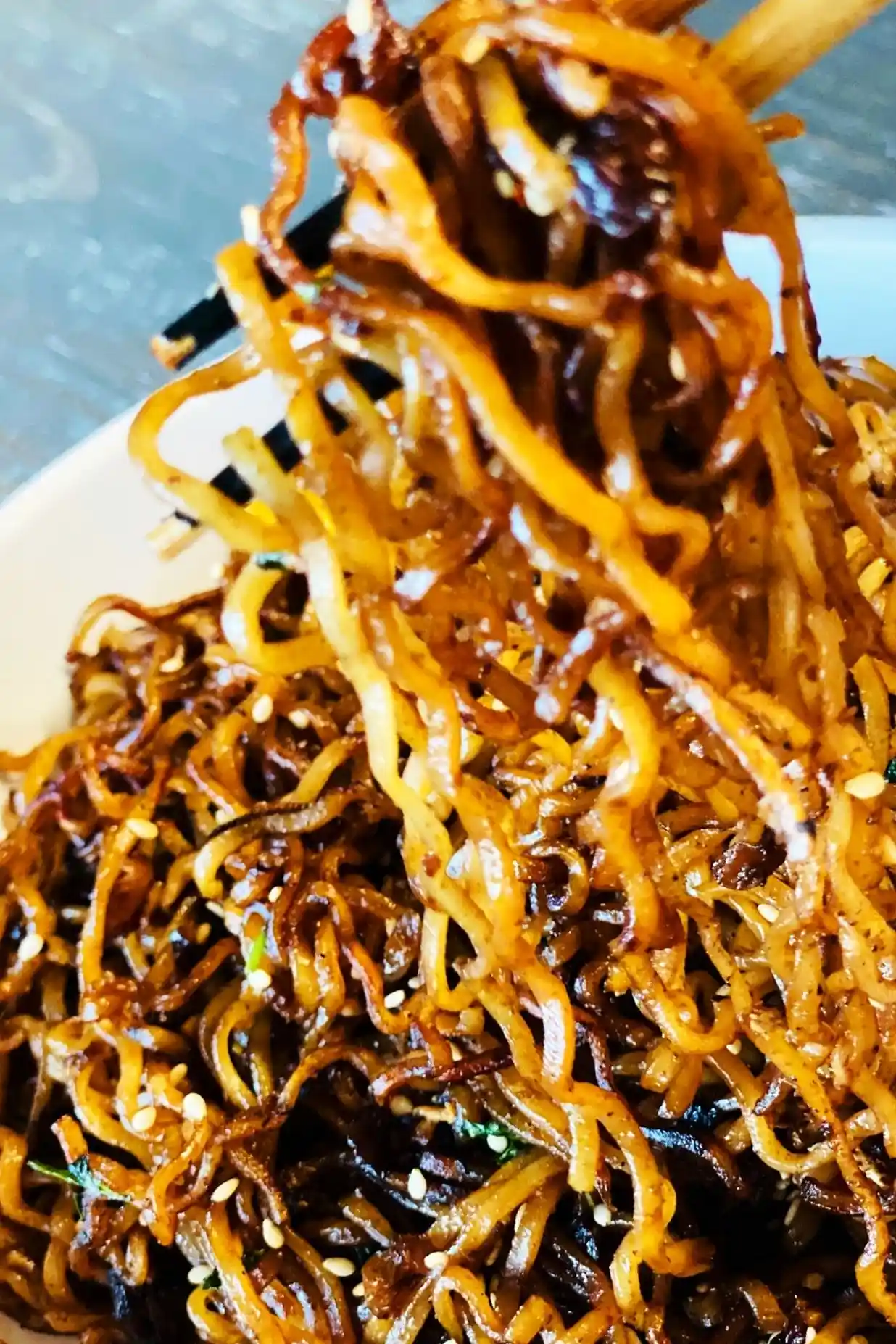
List of ingredients
- 3 packages ramen noodles (any flavor, throw out flavor packet) – provides the base starch.
- 2 tablespoons vegetable oil – used for sautéing aromatics.
- 1 onion (diced) – adds sweetness and texture.
- 6 to 7 cloves garlic – the primary flavor profile.
- 2 to 3 tablespoons teriyaki or hoisin sauce – adds salt and sweetness.
- 2 tablespoons soy sauce – provides deep umami flavor.
- 4 tablespoons butter – adds richness and helps with browning.
- 2 eggs – provides protein and a creamy texture.
- 1/2 cup sliced green onions or chopped cilantro – fresh garnish for brightness.
- Optional sesame seeds – adds a nutty finish.
- Optional yum yum sauce – adds a creamy, tangy element.
- Optional sriracha – adds spicy heat.
- Optional protein of choice (chicken or shrimp) – transforms the dish into a hearty meal.
step-by-step instructions
- Boil the noodles: Boil the noodles according to package directions, discarding the flavor packet. Drain them and rinse very well with cold water to remove excess starch and prevent sticking.
- Sauté the onions: Set a large skillet or wok over medium-high heat. Add the vegetable oil and the diced onion, cooking for one to two minutes until softened.
- Add aromatics and base: Stir in the garlic and cook for about 45 seconds. Immediately add the cooked noodles, teriyaki or hoisin sauce, soy sauce, butter, and eggs.
- Stir-fry and crisp: Cook the mixture for 5 to 6 minutes, stirring constantly to combine everything. Use a spatula to press the noodles into the skillet or wok to create crispy browned sections if desired.
- Final touch: Stir in the green onions or cilantro and cook for another 1 to 2 minutes. Taste for seasoning and add more teriyaki, hoisin, or soy sauce if needed. Serve with sesame seeds, yum yum sauce, sriracha, and cooked protein.
Optimization for Texture and Flavor
The Importance of Cold Rinsing
Rinsing the noodles with cold water after boiling is a critical step. This removes the surface starch that would otherwise cause the noodles to clump together in the pan. It also stops the cooking process immediately, ensuring the noodles remain al dente during the stir-fry phase.
Utilizing a Wide Wok
A wok is ideal because its sloping sides allow for constant movement of the ingredients. This ensures that the garlic and onions do not sit in one spot and burn. If using a skillet, ensure it is large enough to allow the noodles to spread out for maximum crisping.
Managing Garlic Temperature
Garlic burns quickly at high heat, which can make the dish bitter. Adding the garlic only 45 seconds before the other ingredients ensures it releases its oils without scorching. The addition of the cold noodles and sauces quickly lowers the pan temperature, protecting the garlic.
Protein Integration Strategies
Sautéing Chicken Breast First
When adding chicken, dice the breast into small, uniform cubes for even cooking. Sauté the chicken in the vegetable oil before adding the onions. Once the chicken is cooked through, remove it from the pan and set it aside, then return it to the pan during the final two minutes of noodle cooking.
Incorporating Pre-Cooked Shrimp
Shrimp overcooks easily and becomes rubbery. If using shrimp, ensure they are peeled, deveined, and pre-cooked. Add them to the skillet at the same time as the green onions and cilantro, just long enough to heat them through.
Using Firm Tofu for Plant-Based Protein
Press extra-firm tofu to remove excess water before dicing into cubes. Sear the tofu in the oil until golden brown on all sides before proceeding with the onion and garlic. This ensures the tofu maintains its structure and adds a satisfying chew to the dish.
Vegetable Enhancements
Adding Shredded Carrots for Texture
Carrots add a natural sweetness and a vibrant orange color. Shred them using a grater and add them at the same time as the onions. Because they are thin, they will soften quickly without requiring additional steaming time.
Integrating Fresh Broccoli Florets
Cut broccoli into very small, bite-sized florets to ensure they cook through. It is best to blanch the broccoli in the ramen boiling water for 60 seconds before draining. Stir them into the pan along with the noodles and sauces.
Incorporating Red Bell Peppers
Dice red bell peppers into small squares for a pop of color and a mild pepper flavor. Add them after the onions have softened but before the garlic is added. This allows them to soften slightly while retaining a bit of crunch.
Sauce Customization and Balance
Adjusting Salt Levels with Low-Sodium Soy
Ramen noodles and pre-made sauces can be high in sodium. To control the saltiness, substitute regular soy sauce with a low-sodium version. You can then adjust the final flavor with a pinch of salt if the dish feels under-seasoned.
Increasing Sweetness with Honey
If the teriyaki or hoisin sauce is not sweet enough, stir in a teaspoon of honey or maple syrup. This creates a thicker glaze that clings to the noodles and balances the saltiness of the soy sauce.
Using Toasted Sesame Oil for Depth
Toasted sesame oil has a powerful aroma that can be lost if cooked too long. Drizzle one teaspoon of sesame oil over the finished dish just before serving. This adds a professional, nutty finish common in restaurant-style stir-fries.
Cooking Challenges and Solutions
Preventing Mushy Noodles
Mushy noodles usually result from over-boiling or failing to rinse. Boil the ramen for one minute less than the package directions suggest. Since they will continue to cook in the skillet with the butter and sauces, under-boiling keeps them firm.
Fixing an Overly Salty Dish
If the sauce is too salty, avoid adding more salt or soy sauce. Instead, stir in a small amount of unsalted butter or a squeeze of fresh lime juice. The fat and acidity help neutralize the perception of excess salt on the palate.
Achieving Maximum Crispiness
To get those desired crispy bits, avoid stirring the noodles constantly for the last two minutes. Press the noodles down firmly with a spatula and let them sit undisturbed on the medium-high heat for 30 to 60 seconds. This creates a caramelized crust through the Maillard reaction.
Storage and Preservation
Refrigeration and Container Choice
Store leftover ramen in an airtight glass or plastic container to prevent them from absorbing fridge odors. These noodles will stay fresh for up to three to four days. Keep the garnish, such as fresh cilantro, in a separate container to prevent wilting.
Reheating for Best Texture
The best way to reheat stir-fried noodles is in a skillet over medium heat. Add a tablespoon of water or a small knob of butter to the pan to re-moisturize the noodles. Toss frequently until heated through to avoid drying them out.
Microwave Reheating Tips
When using a microwave, place the noodles in a bowl and sprinkle a teaspoon of water over the top. Cover the bowl with a damp paper towel or a microwave-safe lid to trap steam. Heat in 30-second intervals, stirring in between, to ensure even heating.
Frequently Asked Questions
Can I use whole wheat ramen noodles?
Yes, whole wheat ramen noodles work well and provide more fiber. They may have a nuttier taste and a slightly firmer texture, so you may need to boil them for an extra minute compared to white flour ramen.
Do I have to use butter in this recipe?
Butter is used for richness and to help the noodles brown. If you prefer to avoid it, you can substitute it with an equal amount of margarine or a neutral oil like avocado oil, though the flavor will be less creamy.
Can I make this dish vegan?
To make this vegan, omit the butter and eggs. Replace the butter with a vegan butter alternative or more vegetable oil. Ensure the teriyaki or hoisin sauce used does not contain honey or animal-derived ingredients.
What is the best substitute for hoisin sauce?
If you do not have hoisin or teriyaki sauce, a mixture of soy sauce, brown sugar, and a dash of rice vinegar is a good alternative. This provides the same balance of salty, sweet, and tangy flavors.
How do I prevent the eggs from becoming scrambled chunks?
To integrate the eggs smoothly, whisk them in a small bowl before adding them to the pan. Pour them over the noodles and stir quickly so the eggs coat the strands rather than forming large, separate curds.
} Print
Stir Fried Garlic Ramen Noodles
- Total Time: 20 minutes
- Yield: 4 servings 1x
- Diet: Vegetarian
Description
Stir Fried Garlic Ramen Noodles is an easy and cheap recipe for dinner or a side dish, ramen noodles with no broth in a simple stir fry!
Ingredients
- 3 packages ramen noodles (any flavor, throw out flavor packet)
- 2 tablespoons vegetable oil
- 1 onion (diced)
- 6 to 7 cloves garlic
- 2 to 3 tablespoons teriyaki or hoisin sauce
- 2 tablespoons soy sauce
- 4 tablespoons butter
- 2 eggs
- 1/2 cup sliced green onions or chopped cilantro
Instructions
- Step: Boil the noodles according to package directions (throw away flavor packet), drain and rinse very well with cold water.
- Step: Set a large skillet or wok over medium high heat. Add the vegetable oil and the onion, cook a minute or two.
- Step: Add the garlic and cook for about 45 seconds and then add the cooked noodles, teriyaki or hoisin sauce, soy sauce, butter, and eggs.
- Step: Cook the noodles 5 to 6 minutes, stirring and mixing everything together. Press noodles into the skillet or wok with spatula to create crispy parts of the noodles if desired.
- Step: Add the green onions or cilantro and cook 1 to 2 more minutes. Taste for seasoning and add more teriyaki or hoisin and/or soy sauce if needed. Serve with sesame seeds, yum yum sauce, and/or sriracha and any cooked protein of choice if desired.
Notes
Optional: sesame seeds, yum yum sauce, sriracha, protein of choice like chicken or shrimp.
- Prep Time: 10 minutes
- Cook Time: 10 minutes
- Category: Main Course, Side Dish
- Method: Stir Fry
- Cuisine: American, Asian
Nutrition
- Serving Size: 1 serving
- Calories: 306 kcal
- Sugar: 6 g
- Sodium: 820 mg
- Fat: 12 g
- Saturated Fat: 6 g
- Unsaturated Fat: 6 g
- Trans Fat: 0 g
- Carbohydrates: 38 g
- Fiber: 2 g
- Protein: 11 g
- Cholesterol: 110 mg