
This creamy chicken pasta is a fast, restaurant-quality dinner that comes together in a single skillet. It features golden-seared chicken breasts and a rich, velvety Parmesan sauce that clings perfectly to al dente spaghetti.
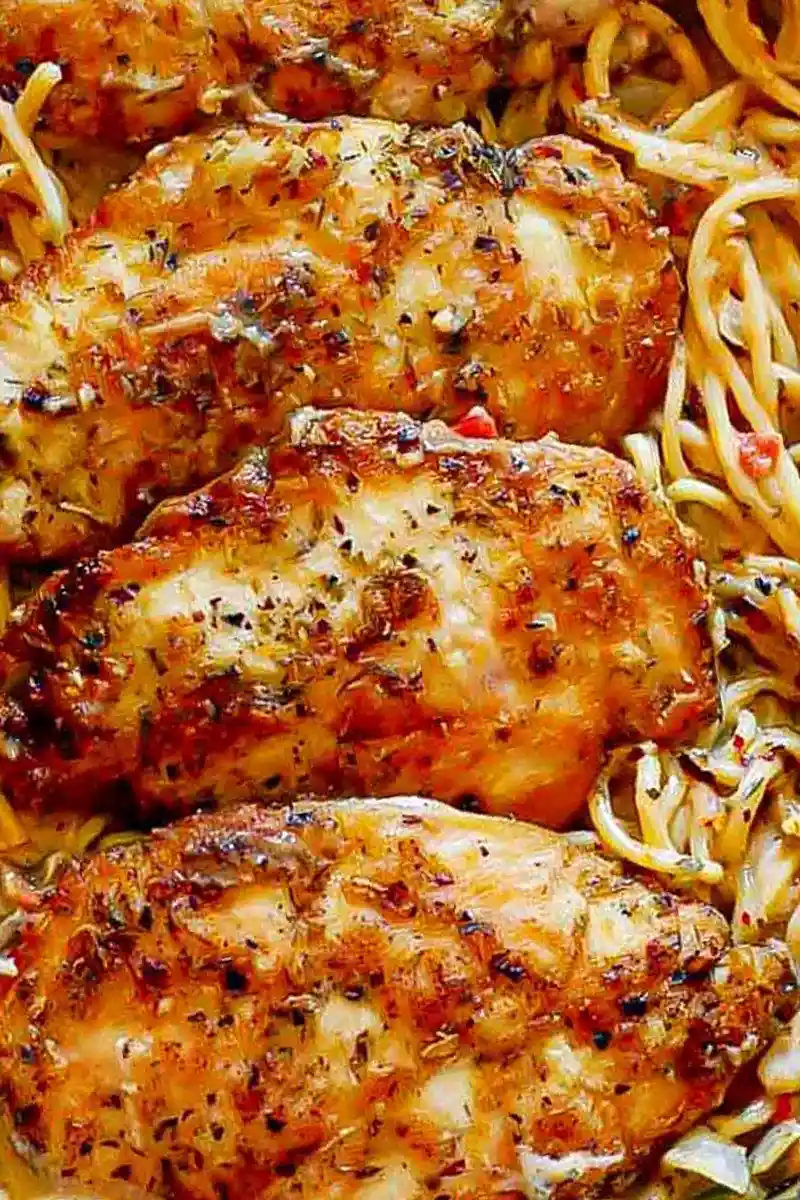
List of ingredients
- 4 thin boneless skinless chicken breasts (or 2 thick ones, halved horizontally and dried) – use thin cuts for faster, even cooking.
- 1/2 cup flour – used for dredging to create a golden crust.
- 1 teaspoon salt – essential for seasoning the chicken.
- 1/4 teaspoon black pepper – provides a mild spicy base.
- 1 teaspoon garlic powder – adds a concentrated savory flavor.
- 2 teaspoons Italian seasoning – a blend of herbs for authentic flavor.
- 2 tablespoons olive oil – used for searing the chicken at high heat.
- 12 oz spaghetti – the primary starch for the dish.
- 4 tablespoons butter – creates a rich base for the pan sauce.
- 1 small yellow onion, chopped – adds subtle sweetness to the sauce.
- 4 garlic cloves, minced – provides aromatic depth.
- 2 small tomatoes, diced – adds brightness and small bursts of flavor.
- 1 tablespoon flour – used to thicken the cream sauce.
- 1 cup heavy cream – ensures a silky, thick consistency.
- 1 cup vegetable broth – used for deglazing the pan and adding acidity.
- 1/2 cup Parmesan cheese, shredded – provides salty, nutty richness.
- 1 teaspoon Italian seasoning – additional seasoning for the sauce.
- 1/2 teaspoon salt – adjust based on your taste preference.
- 1/4 teaspoon crushed red pepper flakes – adds a hint of warmth.
step-by-step instructions
- Prepare the chicken: Slice thick chicken breasts horizontally to ensure they are about half an inch thick. Pat them completely dry with paper towels to prevent steaming. Combine flour, salt, pepper, garlic powder, and Italian seasoning in a shallow dish, then press each breast into the mixture until fully coated.
- Sear the chicken: Heat olive oil in a large skillet over medium-high heat until shimmering. Place the chicken in the pan and sear undisturbed for 4-5 minutes per side until deeply golden brown and cooked through. Transfer the chicken to a plate and tent loosely with foil to keep them warm.
- Build the sauce: Melt butter in the same skillet over medium-high heat. Sauté the chopped onion and minced garlic for 2 minutes until translucent. Stir in the diced tomatoes and 1 tablespoon of flour, whisking for 30 seconds to cook the raw flour taste. Pour in the vegetable broth and scrape the bottom of the pan to release the browned bits.
- Simmer the cream: Lower the heat to medium and stir in the heavy cream, Parmesan cheese, Italian seasoning, salt, and red pepper flakes. Simmer gently for 3-5 minutes, stirring occasionally, until the sauce thickens enough to coat the back of a spoon.
- Cook the pasta: Boil a large pot of salted water and cook the spaghetti until al dente, usually one minute less than the package directions. Reserve 1/2 cup of starchy pasta water before draining.
- Assemble the dish: Toss the drained pasta into the skillet with the sauce over low heat for 2-4 minutes. If the sauce is too thick, stir in small amounts of the reserved pasta water. Return the chicken to the pan or place it on top of the pasta, warming for an additional 5 minutes before serving.
Pro Techniques for a Restaurant-Style Sauce
Creating a Deep Flavor Base with Fond
The browned bits left in the pan after searing the chicken are called fond. This caramelized protein is the secret to a deep, savory sauce. By dredging the chicken in flour first, you create more surface area for this fond to develop, which prevents the sauce from tasting like plain cream.
The Importance of Deglazing the Pan
Deglazing involves adding liquid, such as vegetable broth, to a hot pan to loosen the stuck-on food particles. This process incorporates all the concentrated flavor of the seared chicken back into the sauce. Without this step, you lose the most flavorful part of the meal and the sauce remains one-dimensional.
Managing Heat to Prevent Sauce Breaking
Dairy-based sauces can break or separate if they are exposed to excessive heat. Always lower the temperature to medium or low before adding the heavy cream and Parmesan. Stirring the cheese in gradually at a lower temperature ensures it emulsifies into a smooth, glossy texture rather than becoming oily.
Customizing Your Ingredients
Gluten-Free Pasta and Flour Alternatives
To make this recipe gluten-free, use a high-quality brown rice spaghetti or a corn-based pasta. Replace the all-purpose flour in the dredge and the sauce with a 1-to-1 gluten-free flour blend or cornstarch. If using cornstarch, reduce the quantity by half as it has a stronger thickening power than wheat flour.
Dairy-Free Cream and Cheese Options
Oat cream is an excellent substitute for heavy cream because it emulsifies and thickens similarly without adding a strong aftertaste. For the cheese, use nutritional yeast or a cashew-based vegan Parmesan to maintain the salty, nutty profile. Replace the butter with a plant-based butter alternative or olive oil to keep the dish dairy-free.
Reducing Calories with Evaporated Milk
Substitute heavy cream with evaporated milk to lower the fat content while maintaining a creamy mouthfeel. Because evaporated milk is thinner, you may need to simmer the sauce for an extra 3-5 minutes to reach the desired thickness. You can also reduce the butter by half and use olive oil for the aromatic sauté.
Adding Fresh Vegetables for Nutrition
Incorporate fresh baby spinach or sautéed mushrooms into the sauce during the final simmering stage. These additions complement the Parmesan and garlic without requiring changes to the cooking method. Stir them in just before adding the pasta so the greens remain vibrant and not overcooked.
Cooking Guidance and Troubleshooting
Fixing a Sauce That Is Too Thin
If the sauce is too runny, let it simmer on medium-low heat for a few more minutes to allow the liquid to reduce naturally. Avoid cranking the heat to high, as this can cause the cream to separate. If it remains too thin, whisk a teaspoon of flour with a tablespoon of cold water to create a slurry and stir it in.
Resolving Grainy or Separated Texture
Graininess usually occurs when pre-shredded cheese, which contains anti-caking agents, is used. To fix a separated sauce, remove the pan from the heat and whisk in a splash of warm cream or hot pasta water. Rapidly whisking while the pan is off the heat helps re-emulsify the fats and liquids into a smooth consistency.
Balancing a Bland or Flat Taste
If the sauce tastes flat, add a small squeeze of fresh lemon juice or a pinch more salt. The acidity of the lemon cuts through the richness of the cream and brightens the overall flavor profile. Since cream mutes salt, always taste the sauce just before adding the pasta to ensure the seasoning is bold enough.
Serving and Storage Advice
Ideal Side Dish Pairings
Pair this rich pasta with a crisp green salad tossed in a light vinaigrette to balance the heaviness of the cream. Roasted vegetables, such as garlic lemon green beans or honey-glazed carrots, also work well. For a complete meal, serve with toasted bruschetta or a piece of crusty sourdough bread to soak up the extra sauce.
Safe Refrigeration and Storage Limits
Store leftover pasta in an airtight container in the refrigerator for up to four days. Note that the pasta will continue to absorb the sauce as it sits, which may make the dish appear drier the next day. Store the sauce and pasta together if eating soon, or separately if you prefer a fresher pasta texture.
Reheating to Maintain Creaminess
Avoid using a microwave on high power, as this often breaks the emulsion and leaves the sauce greasy. Instead, reheat the pasta on the stovetop over low heat. Add a splash of milk, cream, or water to loosen the sauce and stir gently until heated through.
Preparing Components in Advance
You can prepare the sauce up to two days in advance and store it in the fridge. When you are ready to serve, simply boil the pasta fresh and reheat the sauce in a skillet. Combining pre-cooked pasta with a pre-made sauce often leads to mushy noodles, so fresh pasta is highly recommended.
Frequently Asked Questions
Can I use a different pasta shape?
Yes, while spaghetti is traditional, fettuccine and linguine work excellently because they capture the creamy sauce well. Short shapes like penne or rigatoni also work, though the sauce will settle inside the tubes rather than coating the entire surface.
How do I keep the chicken breasts moist?
Slicing the chicken thin and searing it quickly prevents the meat from drying out. Tenting the chicken with foil after cooking allows it to rest, which redistributes the juices and ensures the meat remains tender when returned to the sauce.
Which type of Parmesan is best for melting?
Freshly grated Parmesan from a wedge is far superior to pre-shredded or powdered versions. Pre-shredded cheese is coated in potato starch or cellulose to prevent clumping, which prevents it from melting smoothly into the cream sauce.
Can I use frozen chicken for this recipe?
You can use frozen chicken, but it must be completely thawed and patted dry before dredging. Cooking frozen chicken directly will release too much moisture, preventing the meat from searing and ruining the development of the fond in the pan.
Print
Savory Creamy Chicken Pasta with Parmesan Sauce
- Total Time: 30 minutes
- Yield: 4 servings 1x
- Diet: General
Description
Golden flour-dredged chicken, vegetable broth, and freshly grated Parmesan come together in a silky cream sauce that tastes restaurant-made but works on a real weeknight.
Ingredients
- 4 thin boneless skinless chicken breasts
- 1/2 cup flour
- 1 teaspoon salt
- 1/4 teaspoon black pepper
- 1 teaspoon garlic powder
- 2 teaspoons Italian seasoning
- 2 tablespoons olive oil
- 12 oz spaghetti
- 4 tablespoons butter
- 1 small yellow onion, chopped
- 4 garlic cloves, minced
- 2 small tomatoes, diced
- 1 tablespoon flour
- 1 cup heavy cream
- 1 cup vegetable broth
- 1/2 cup Parmesan cheese, shredded
- 1 teaspoon Italian Seasoning
- 1/2 teaspoon salt
- 1/4 teaspoon crushed red pepper flakes
Instructions
- Prepare chicken breasts: Cut chicken breasts horizontally to make them thin. Paper towel dry the chicken and set aside. In a large bowl, combine flour, salt, black pepper, garlic powder and Italian seasoning. Stir well to blend. Coat the chicken breasts in the flour mixture by pressing into the mixture with tongs and then flipping the chicken over to coat the other side. Set aside.
- Cook chicken: Heat 2 tablespoons of olive oil in a large skillet over medium-high heat. Once the skillet is hot, place flour coated chicken breasts in the skillet and cook for 4 to 5 minutes on each side, until golden brown on both sides and cooked through, turning once between cooking, about 8-10 minutes. Remove chicken from pan and set aside.
- Make sauce: Add butter, diced yellow onion and minced garlic cloves to pan. Cook on medium high until onions and garlic are translucent, about 2 minutes. Next add tomatoes and 1 tablespoon flour to pan. Whisk to combine. Now add heavy cream, vegetable broth, Italian Seasoning, salt and red pepper flakes. Bring mixture to a simmering point and then add 1/2 cup of shredded Parmesan cheese. Use a whisk or a wooden spoon and mix it in until you have a smooth mixture.
- Cook pasta: Cook pasta according to your package instructions in salty water. Cook Al Dente. Drain, but do not rinse.
- Assembly: Add cooked pasta to the skillet with the sauce and stir to combine on low heat for 2-4 minutes. Taste and add salt, if needed. Return chicken to skillet on top of the pasta and allow it to warm up for an additional 5 minutes.
Notes
For the best texture, cook the pasta just to al dente and finish it in the sauce. This recipe is best with freshly grated Parmesan and full-fat cream for a smooth finish.
- Prep Time: 10 minutes
- Cook Time: 20 minutes
- Category: Main Course
- Method: Searing
- Cuisine: Italian-American
Nutrition
- Serving Size: 1 serving
- Calories: 998 kcal
- Sugar: 5 g
- Sodium: 986 mg
- Fat: 48 g
- Saturated Fat: 25 g
- Unsaturated Fat: 22 g
- Trans Fat: 1 g
- Carbohydrates: 86 g
- Fiber: 5 g
- Protein: 44 g
- Cholesterol: 192 mg