
This streamlined Italian-style pasta dish combines fresh broccoli and garlic for a nutrient-dense meal. By blending a portion of the vegetables, you create a rich, creamy sauce without needing heavy cream.
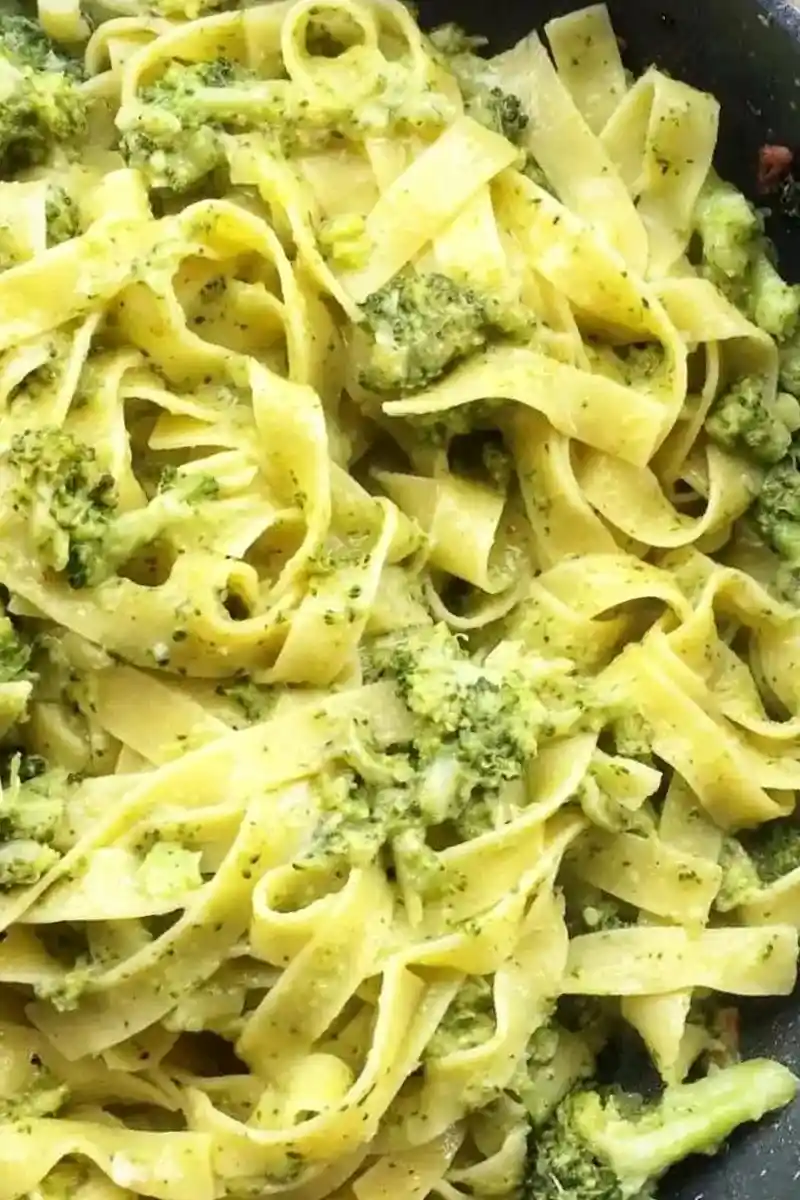
List of ingredients
- 1 or 2 heads of broccoli (depending on size) – cut into small florets.
- 3 tablespoons extra virgin olive oil – for sautéing.
- 2 garlic cloves – thinly sliced into rounds.
- 2 1/2 cups pasta – any shape such as penne, fusilli, or spaghetti.
- Red chilli pepper (optional) – for a hint of spice.
- 1/4 cup (20 g) Parmesan cheese – used for the cream sauce and garnish.
- Salt and black pepper – to taste.
step-by-step instructions
- Prepare the broccoli: Use a small knife to remove the lower part of the stalk, then divide the broccoli into florets. Wash them thoroughly under cold running water.
- Blanch the vegetables: Boil a large pot of salted water and cook the broccoli for 10 minutes until tender.
- Sauté the aromatics: While the broccoli cooks, slice the garlic into rounds. Brown the garlic in a large skillet with extra virgin olive oil, adding red chilli pepper if you prefer a spicy flavor.
- Cook the broccoli mixture: Transfer the cooked broccoli to the skillet with the garlic. Cook on low heat for about 10 minutes, using a spatula to break the florets into smaller pieces, then season with salt and pepper.
- Boil the pasta: In the same pot used for the broccoli, cook the pasta until it is slightly al dente. Reserve 1/2 cup of the starchy pasta cooking water before draining.
- Create the creamy puree: Blend half of the cooked broccoli with the Parmesan cheese and 1-2 tablespoons of the reserved pasta water until the mixture is smooth.
- Combine everything: Drain the pasta and transfer it to the skillet with the remaining broccoli. Stir in the creamy broccoli sauce and the reserved pasta water, tossing until well combined.
- Serve: Plate the pasta while hot and garnish with additional Parmesan cheese.
Professional Cooking Tips
Cutting Florets for Uniform Cooking
Ensure that the broccoli florets are cut into similar sizes. Uniform pieces cook at the same rate, preventing some from becoming mushy while others remain raw. Aim for bite-sized pieces for the best texture.
Achieving the Perfect Al Dente Texture
Begin tasting the pasta approximately three minutes before the package directions indicate it is done. Pasta continues to cook slightly when tossed in the skillet with the hot broccoli sauce. Undercooking it slightly in the pot prevents a soggy final result.
Using Pasta Water as an Emulsifier
The starchy water reserved from the pasta pot is essential for the sauce’s consistency. This liquid helps the fat from the olive oil and the cheese bind to the pasta. It creates a silky coating rather than a watery or oily separation.
Managing Garlic Sautéing Temperatures
Heat the olive oil over medium heat before adding the sliced garlic. Avoid using high heat, as garlic can burn quickly and become bitter. Sauté only until the garlic is golden and fragrant.
Optimizing the Blending Process
If you do not have a blender, you can use a fork or a potato masher to crush the broccoli. While a blender provides a smoother sauce, mashing creates a rustic, chunky texture. Ensure the broccoli is hot when blending to help the cheese melt into the puree.
Balancing the Seasoning
Season the broccoli in the skillet before adding the pasta. Taste the mixture frequently, as the Parmesan cheese adds its own saltiness. Add black pepper at the end to maintain its sharp aromatic profile.
Ingredient Substitutions
Choosing Alternative Pasta Shapes
Short pastas like fusilli, penne, or farfalle are excellent for capturing the broccoli puree in their ridges. Long pastas like spaghetti or linguine work well for a more traditional Italian feel. Choose a shape that matches the size of your broccoli florets for balanced bites.
Substituting Parmesan with Other Cheeses
If you prefer a sharper flavor, substitute the Parmesan with Pecorino Romano. For a milder taste, a small amount of aged provolone can be used. Ensure the cheese is finely grated to allow it to blend smoothly into the puree.
Using Frozen Broccoli
Frozen broccoli can be used if fresh heads are unavailable. Steam or boil the frozen florets according to package instructions until tender. Be mindful that frozen broccoli may release more water, so you might need slightly less reserved pasta water.
Replacing Olive Oil with Other Fats
While extra virgin olive oil provides an authentic flavor, you can use avocado oil for a more neutral taste. Avoid using butter if you want to maintain the light, Mediterranean profile of the dish. For a richer taste, a small knob of unsalted butter can be added during the garlic sauté.
Adjusting the Heat Level
If red chilli pepper is too spicy, you can use a pinch of paprika for color and mild flavor. Alternatively, omit the pepper entirely for a kid-friendly version. You can also add a dash of crushed red pepper flakes during the final toss for visible heat.
Flavor and Texture Variations
Adding a Zesty Lemon Twist
Squeeze fresh lemon juice into the skillet just before tossing in the pasta. Adding a sprinkle of lemon zest over the finished dish brightens the earthy flavor of the broccoli. This acidity cuts through the richness of the Parmesan cheese.
Transforming the Dish into a Bake
Transfer the finished pasta to a baking dish and top it with mozzarella and extra Parmesan. Add a few halved cherry tomatoes on top for added color. Bake at 400 degrees Fahrenheit until the cheese is golden and bubbling.
Incorporating Extra Proteins
Toss in grilled chicken breast or sautéed mushrooms to make the meal more filling. For a plant-based protein boost, add cooked chickpeas or cannellini beans. Sauté the protein in the garlic oil before adding the broccoli.
Sicilian-Style Enhancements
Add finely chopped anchovies to the olive oil while browning the garlic for a deep, salty umami flavor. Finish the dish with a sprinkle of toasted breadcrumbs for a crunchy contrast. This variation is common in Southern Italian coastal regions.
Adding Fresh Herbs
Stir in chopped fresh parsley or basil at the very end of the cooking process. These herbs add a fresh, peppery note that complements the broccoli. Avoid cooking the herbs for too long, as they will lose their vibrant color.
Storage and Make-Ahead Guide
Proper Refrigeration Techniques
Store leftover pasta in an airtight container in the refrigerator for up to 24 hours. The pasta may absorb the sauce over time, making it thicker. Ensure the container is completely sealed to prevent the pasta from drying out.
The Best Way to Reheat Pasta
Reheat the pasta gently in a saucepan over medium-low heat. Add a splash of water or vegetable broth to loosen the sauce and restore the creamy texture. Stir occasionally to avoid overcooking the broccoli florets.
Preparing the Broccoli Sauce in Advance
You can boil and blend the broccoli puree a day before you plan to serve the meal. Store the puree in the fridge and simply heat it in the skillet with garlic and oil. This reduces the active cooking time on the day of the meal.
Avoiding Freezer Burn
It is not recommended to freeze this pasta, as the texture of the broccoli and the emulsion of the sauce will break. The pasta often becomes mushy and the sauce may separate upon thawing. For the best experience, consume the dish fresh or from the refrigerator.
Troubleshooting Common Issues
Preventing Overcooked Pasta
Avoid cooking the pasta to full tenderness in the boiling water. Remember that the pasta will continue to cook during the final mixing stage in the skillet. Removing the pasta while it still has a firm bite ensures the best texture.
Fixing a Dry Sauce
If the pasta looks dry after mixing, gradually add more of the reserved pasta water. Stir vigorously to emulsify the water with the cheese and olive oil. A tablespoon of extra olive oil can also help restore the glossiness.
Correcting a Lumpy Puree
If the blended broccoli is too chunky, continue blending for another 30 seconds. If you are mashing by hand, use a fine-mesh sieve to push the puree through for a smoother consistency. Adding a bit more pasta water during blending can help the process.
Managing Bitter Broccoli Tastes
Avoid overcooking the broccoli during the blanching phase. If the broccoli is boiled for too long, it can develop a sulfurous, bitter flavor. Blanch only until tender-crisp to maintain a sweet, fresh taste.
Frequently Asked Questions
Can I use a food processor instead of a blender?
Yes, a food processor works perfectly for creating the broccoli puree. Pulse the cooked broccoli and cheese until you reach the desired smoothness. Be careful not to overprocess, or the puree may become too thin.
How do I make this dish vegan?
Replace the Parmesan cheese with nutritional yeast or a plant-based Parmesan alternative. Use the same process of blending the yeast with broccoli and pasta water. This maintains the savory, cheesy flavor without using animal products.
Which pasta shape works best?
Fusilli and penne are highly recommended because their shapes trap the creamy sauce. However, spaghetti is a classic choice that pairs well with the sliced garlic. The choice ultimately depends on your preference for sauce distribution.
Can I use a different type of oil?
You can use any neutral cooking oil, but extra virgin olive oil is preferred for its flavor. Avocado oil or grapeseed oil are good alternatives for higher heat. Avoid using heavily scented oils that might clash with the garlic.
Is it possible to use only one pot?
You can boil the broccoli and pasta in the same pot, but you will need a separate pan to brown the garlic. Brown the garlic in a skillet, then add the drained broccoli and pasta to that skillet. This keeps the garlic from boiling and preserves its flavor.
Print
Creamy Broccoli and Garlic Pasta
- Total Time: 30 minutes
- Yield: 4 servings 1x
- Diet: Vegetarian
Description
A delicious and easy recipe for pasta with broccoli!
Ingredients
- 1 or 2 heads of broccoli, depending on size
- 3 tablespoons extra virgin olive oil
- 2 garlic cloves
- 2 1/2 cups pasta
- Red chilli pepper (optional)
- 1/4 cup (20 g) microbial-rennet Parmesan cheese
- Salt and black pepper to taste
Instructions
- Prep Broccoli: Use a small knife to remove the lower part of the stalk, then divide the broccoli into florets. Wash under cold running water to remove any impurities.
- Boil Broccoli: Boil a large pot of salted water and cook the broccoli for 10 minutes until tender.
- Sauté Garlic: While the broccoli cooks, slice garlic into rounds and brown it in a large skillet with extra virgin olive oil. Add chili pepper if you like a little heat.
- Sauté Broccoli: Transfer the cooked broccoli to the skillet with the garlic. Let it cook on low heat for about 10 minutes, breaking it into small pieces with a spatula. Season with salt and pepper to taste.
- Cook Pasta: In the same pot used for the broccoli, cook the pasta until it is slightly al dente. Reserve ½ cup of the pasta cooking water.
- Create Sauce: Blend half of the cooked broccoli with microbial-rennet Parmesan cheese and 1–2 tablespoons of the pasta cooking water until smooth.
- Combine: Drain the pasta and transfer it to the skillet with the remaining broccoli. Add the creamy broccoli sauce and the reserved pasta water. Toss everything together until well combined.
- Serve: Serve hot, garnished with extra microbial-rennet Parmesan.
Notes
In the same water in which you cooked the broccoli, cook the pasta. Follow the package directions for cooking, but taste the pasta two minutes before the indicated time to ensure it is perfectly al dente.
- Prep Time: 10 minutes
- Cook Time: 20 minutes
- Category: Main Course
- Method: Stovetop
- Cuisine: Italian
Nutrition
- Serving Size: 1 serving
- Calories: 562 kcal
- Sugar: 6 g
- Sodium: 820 mg
- Fat: 18 g
- Saturated Fat: 6 g
- Unsaturated Fat: 12 g
- Trans Fat: 0 g
- Carbohydrates: 68 g
- Fiber: 8 g
- Protein: 21 g
- Cholesterol: 25 mg