
This authentic Spaghetti alla Nerano uses fried zucchini and parmesan to create a rich, creamy sauce without needing heavy cream. It is a quick yet gourmet meal perfect for a weeknight dinner or a special occasion.
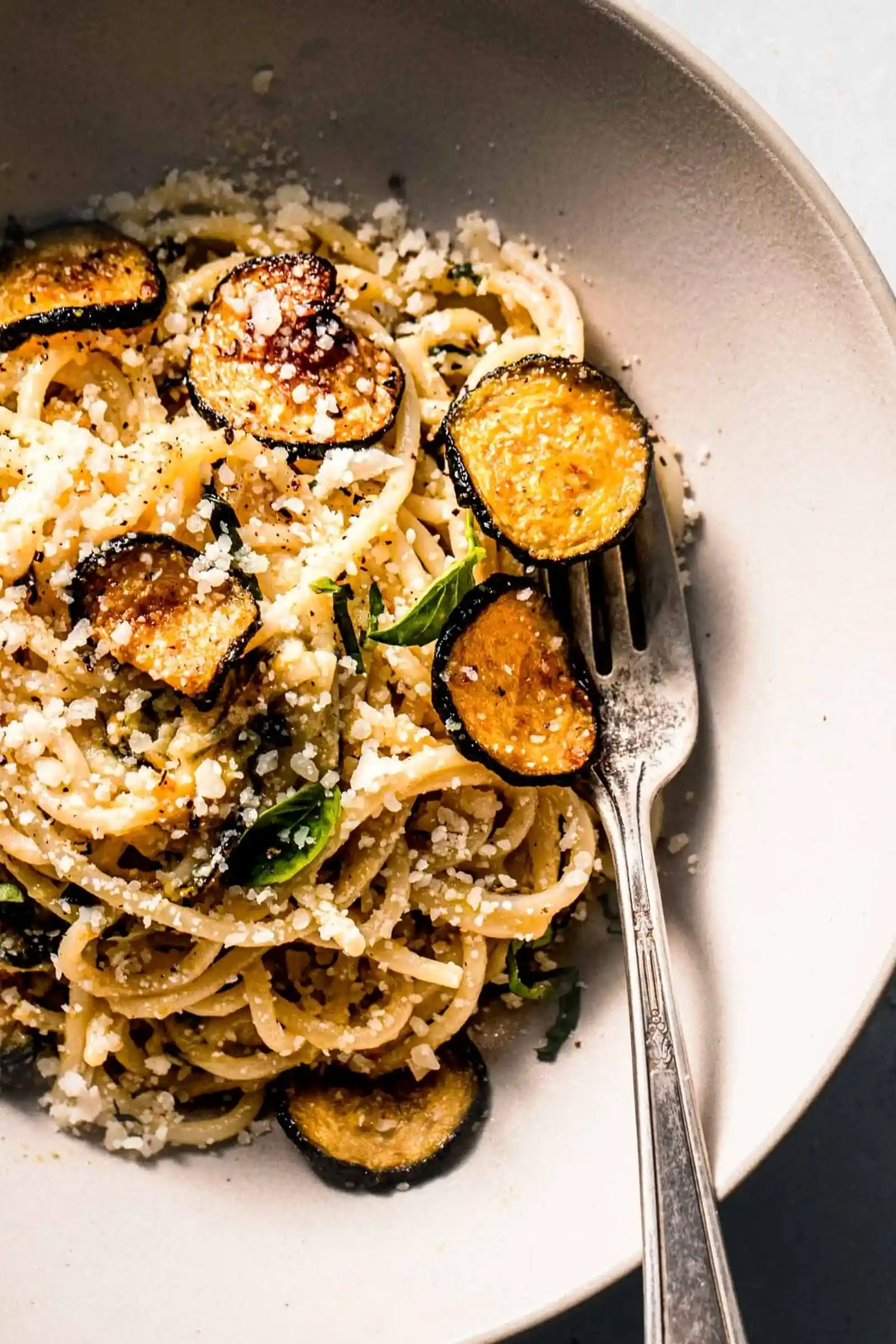
List of ingredients
- 1/2 quart sunflower oil (or 2 cups vegetable oil) – used for deep frying the zucchini.
- 6 medium zucchini (about 2 1/2 pounds) – thinly sliced into rounds.
- 1 cup chopped fresh basil – adds a bright, aromatic herbal note.
- Kosher salt – to taste for seasoning the zucchini and pasta.
- 2 Tablespoons Extra Virgin Olive Oil – plus more for final drizzling.
- 1 pound spaghetti – the traditional base for this dish.
- 2 cups grated parmesan cheese – provides the salty, creamy finish.
step-by-step instructions
- Fry the Zucchini: Add the 1/2 quart sunflower oil to a large pot and bring to a boil over medium-high heat. Fry the 6 medium zucchini until golden brown, about 5-6 minutes. Remove with a slotted spoon and set aside on paper towels to drain.
- Season the Vegetables: Combine the fried zucchini with 1 cup chopped fresh basil and salt, to taste. Drizzle with 2 Tablespoons Extra Virgin Olive Oil to enhance the flavors.
- Boil the Pasta: Cook the 1 pound spaghetti until al dente. Reserve 2 cups of the pasta cooking liquid before draining the pasta.
- Combine Pasta and Zucchini: Add the cooked pasta to a large skillet over medium-low heat. Toss with the seasoned zucchini, adding pasta cooking liquid as needed until the sauce reaches a creamy consistency.
- Incorporate Cheese: Add the 2 cups grated parmesan cheese. Continue tossing until the pasta is fully coated in the parmesan and zucchini and the sauce is nice and creamy. Season with additional salt, to taste.
- Final Touch: Drizzle with additional olive oil and serve with additional parmesan on the side.
Zucchini Selection and Preparation
Choosing Firm Small Zucchini
Select zucchini that are small in size and a deep green color. Smaller zucchini are typically firmer and contain fewer seeds and less water than larger ones. This prevents the slices from becoming too mushy during the frying process.
Slicing for Consistent Frying
Use a mandoline or a very sharp knife to ensure every slice is of uniform thickness. Consistent thickness is key so that all pieces brown at the same rate. If some are thicker than others, you will end up with a mix of raw and overcooked pieces.
Managing Excess Moisture
Before frying, ensure the sliced zucchini is patted dry with a clean towel. Removing surface moisture reduces the amount of oil splatter in the pot. It also helps the zucchini brown more quickly and evenly.
Mastering the Frying Process
Using High Smoke Point Oils
Sunflower oil is recommended because it has a high smoke point and a neutral flavor. This allows you to heat the oil sufficiently to fry the zucchini without the oil breaking down or adding unwanted tastes. Vegetable oil is a suitable alternative if sunflower oil is unavailable.
Maintaining the Correct Oil Temperature
The oil should be at a gentle boil before adding the zucchini. If the oil is not hot enough, the zucchini will absorb too much oil and become greasy. If it is too hot, the exterior will burn before the interior is cooked through.
Preventing Oil Saturation
Always use a slotted spoon to remove the zucchini from the oil immediately once they reach a golden brown color. Transfer them directly to paper towels to drain. This removes excess surface oil, keeping the final dish from feeling overly heavy.
Developing the Creamy Sauce
Utilizing Starchy Pasta Water
The reserved pasta cooking liquid is the most critical element for the sauce. The starch released from the spaghetti helps bind the olive oil and melted cheese together. This creates a stable emulsion that clings to the noodles.
Emulsifying the Parmesan Cheese
Add the cheese gradually while tossing the pasta over medium-low heat. This prevents the cheese from clumping into a single mass. The movement combined with the starchy water allows the cheese to melt into a smooth, silky coating.
Achieving the Ideal Consistency
Adjust the amount of pasta water added based on the thickness of the sauce. If the pasta looks dry, add a tablespoon of water at a time. The goal is a glossy, creamy texture that flows easily but isn’t watery.
Pasta and Ingredient Substitutions
Using Alternative Long Pasta
While spaghetti is traditional, other long noodles like linguine, bucatini, or fettuccine work well. These shapes provide enough surface area for the zucchini and cheese to adhere. Avoid very thick pastas that may overpower the delicate zucchini.
Adapting for Gluten-Free Diets
Substitute the standard spaghetti with your favorite long, thin gluten-free pasta. Be mindful that some gluten-free pastas release less starch into the cooking water. You may need to stir more vigorously to achieve the same creamy emulsion.
Exploring Different Cheese Options
If you cannot find parmesan, caciocavallo or a semi-aged provolone are excellent substitutes. For a more mild flavor, use a mixture of these cheeses. Always grate the cheese directly from the block to ensure it melts smoothly.
Flavor Variations and Enhancements
Incorporating Alliums for Depth
You can add finely diced shallots or sweet onions to the skillet before adding the pasta. Sauté them in a small amount of olive oil until translucent. Adding minced garlic at the very end of the sauté prevents it from burning while adding a pungent aroma.
Mixing in Different Squash Varieties
Yellow summer squash can be fried alongside the green zucchini for a more colorful presentation. Both have similar water content and frying times. This variation maintains the original flavor profile while adding visual appeal.
Adding a Crispy Texture
To contrast the creamy sauce, top the finished dish with toasted breadcrumbs. Sauté panko or homemade breadcrumbs in olive oil and garlic until golden. Sprinkle them over the pasta just before serving to add a crunch.
Serving and Pairing Ideas
Complementary Fresh Salads
Pair this rich pasta with a light, acidic salad to balance the fried elements. An arugula salad with lemon vinaigrette or a shaved asparagus salad works well. The bitterness of the greens cuts through the richness of the parmesan.
Choosing the Right Bread
Serve the dish with a thick slice of toasted sourdough or a crusty Italian baguette. This allows you to soak up any remaining creamy sauce from the plate. Brush the bread with garlic butter for extra flavor.
Selecting Non-Alcoholic Beverage Pairings
A chilled sparkling water with a twist of lime provides a refreshing palate cleanser. Alternatively, a crisp, non-alcoholic white grape juice or a sparkling apple cider complements the sweetness of the fried zucchini.
Storage and Reheating Advice
Preparing Zucchini in Advance
You can fry the zucchini up to five days before you plan to make the pasta. Let the slices cool completely before placing them in an airtight container in the refrigerator. This significantly reduces the active cooking time on the day of serving.
Managing Leftover Pasta
This dish is best eaten fresh, as the emulsion can break when cooled. If you have leftovers, store them in a sealed container in the fridge for up to two days. Be aware that the cheese may clump together as the temperature drops.
Reheating for Best Results
Avoid using a microwave if possible, as it can make the zucchini rubbery. Instead, reheat the pasta in a skillet over low heat. Add a splash of water or milk to help the cheese re-emulsify and restore the creamy texture.
Troubleshooting Common Issues
Fixing Clumpy Cheese
If the parmesan clumps together, it is usually because the heat was too high or there was not enough pasta water. Lower the heat and add a small amount of warm water. Stir rapidly to break up the clumps and smooth out the sauce.
Preventing Mushy Zucchini
Mushy zucchini often result from overcrowding the pot during frying. Fry the slices in batches to ensure the oil temperature remains high. This ensures the zucchini sears on the outside rather than steaming in its own moisture.
Adjusting the Salt Balance
Since parmesan cheese is naturally salty, be cautious when seasoning the zucchini and pasta water. Taste the dish after the cheese has been incorporated before adding more salt. Adjust at the very end to avoid over-salting.
Frequently Asked Questions
Why is the zucchini fried instead of sautéed?
Frying the zucchini creates a nutty, toasted flavor and a specific texture that defines this dish. This process caramelizes the natural sugars in the vegetable, which adds depth to the creamy sauce.
Can I use a different oil for frying?
Yes, any oil with a high smoke point will work, such as canola or vegetable oil. Avoid using extra virgin olive oil for the initial deep frying as it can smoke and burn at high temperatures.
How do I prevent the parmesan from separating?
Ensure the skillet is over medium-low heat and that you have enough starchy pasta water. Adding the cheese too quickly to a boiling pot can cause it to separate from the sauce.
Do I really need to reserve the pasta water?
Yes, the pasta water is essential for the emulsion. Without the starch found in the cooking water, the oil and cheese will not combine into a smooth sauce, leaving the pasta greasy.
Can I use frozen zucchini?
Frozen zucchini is not recommended for this recipe. The freezing process breaks down the cell walls, releasing too much water, which prevents the slices from frying to a crisp golden brown.
Print
Authentic Spaghetti Alla Nerano Recipe
- Total Time: 30 minutes
- Yield: 4 servings 1x
- Diet: Vegetarian
Description
This Spaghetti alla Nerano recipe is a rich and creamy pasta made with fried zucchini and parmesan cheese. It’s a restaurant-worthy dish with gourmet flavors, but comes together in minutes!
Ingredients
- ½ quart sunflower oil (or vegetable oil)
- 6 medium zucchini, thinly sliced (about 2 1/2 pounds)
- 1 cup chopped fresh basil
- Kosher salt, to taste
- 2 Tablespoons Extra Virgin Olive Oil
- 1 pound spaghetti
- 2 cups grated parmesan cheese
Instructions
- Step 1: Add the ½ quart sunflower oil to a large pot and bring to a boil over medium-high heat.
- Step 2: Fry the 6 medium zucchini in the oil until golden brown, about 5-6 minutes. Remove with a slotted spoon and set aside on paper towels to drain.
- Step 3: Combine the fried zucchini with 1 cup chopped fresh basil and salt, to taste. Drizzle with 2 Tablespoons Extra Virgin Olive Oil.
- Step 4: Cook the 1 pound spaghetti until al dente and reserve 2 cups pasta cooking liquid before draining.
- Step 5: Add the cooked pasta to a large skillet over medium low heat. Toss with the cooked zucchini, adding pasta cooking liquid, as needed, until the sauce reaches a creamy consistency.
- Step 6: Add the 2 cups grated parmesan cheese, and continue tossing, until the pasta is coated in the parmesan and zucchini and the sauce is nice and creamy. Season with additional salt, to taste.
- Step 7: Drizzle with additional olive oil and serve with additional parmesan on the side.
Notes
You can fry the zucchini up to 5 days ahead and store in an airtight container in the fridge. Nerano-style spaghetti is best enjoyed hot from the skillet.
- Prep Time: 10 minutes
- Cook Time: 20 minutes
- Category: Pasta
- Method: Frying
- Cuisine: Italian
Nutrition
- Serving Size: 1 serving
- Calories: 1100 kcal
- Sugar: 10 g
- Sodium: 906 mg
- Fat: 32 g
- Saturated Fat: 15 g
- Unsaturated Fat: 17 g
- Trans Fat: 0 g
- Carbohydrates: 100 g
- Fiber: 7 g
- Protein: 33 g
- Cholesterol: 44 mg