
Garlic butter noodles are the ultimate quick comfort food, combining simple, pantry-stable ingredients into a meal that feels truly indulgent. This dish relies on the aromatic magic of slowly infused garlic and high-quality butter to coat every strand of pasta in a silky, savory glaze. Perfect for busy weeknights or as a base for your favorite protein, these noodles offer a versatile, flavor-packed experience in under thirty minutes.
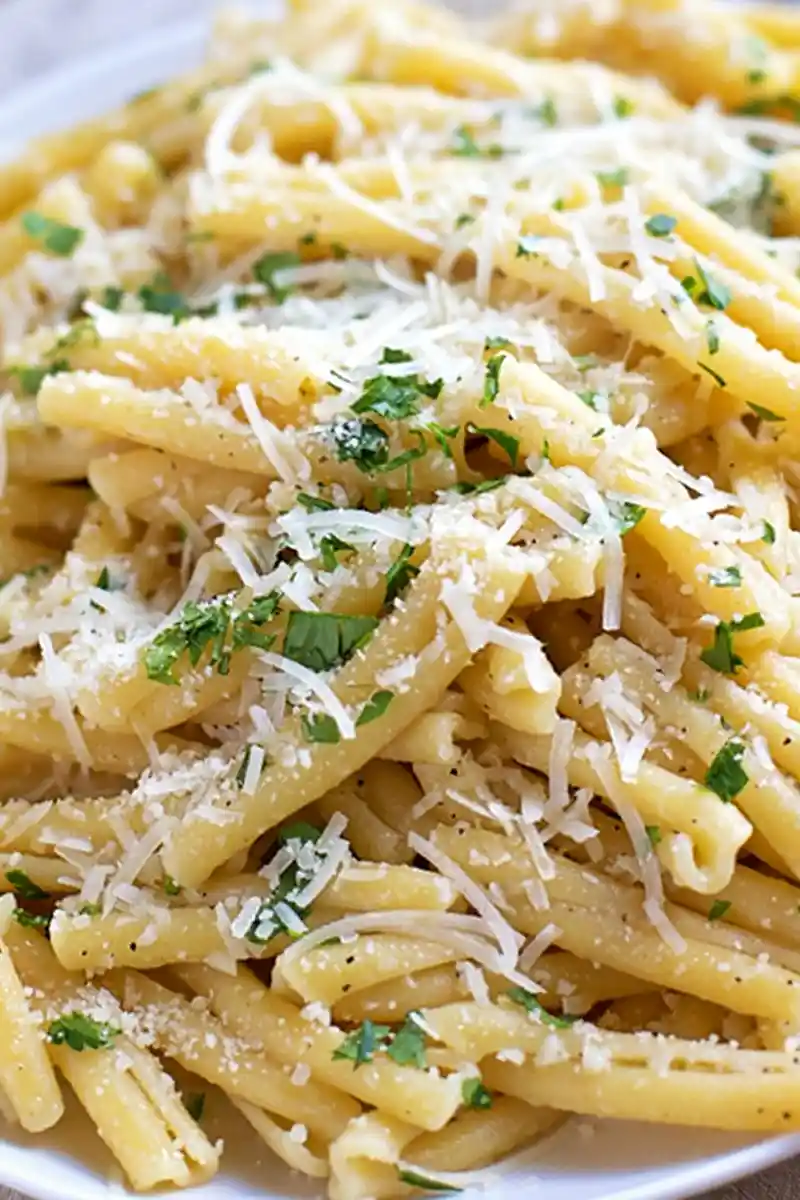
List of ingredients
- 1 lb pasta (whole wheat or regular)
- 6 tbsp unsalted butter (or 1/3 cup olive oil)
- 8 cloves garlic, minced
- 2 teaspoon salt
- 1 tsp ground black pepper
- 2 tbsp parmesan cheese, grated
- 1/4 cup Parmigiano Reggiano cheese, grated
- 1-2 tbsp fresh parsley, chopped (optional)
step-by-step instructions
- Step: In a large stockpot full of salted water, cook pasta according to package instructions.
- Step: Meanwhile, in a small saucepan set over medium-low heat, melt the butter. Once the butter has melted, add the minced garlic and sauté for about 5 minutes or until translucent and fragrant. Do not brown the garlic! Add the salt and pepper and remove from the heat.
- Step: Drain the pasta, and return to the large stockpot. Pour the garlic-butter sauce over top, and stir to combine.
- Step: Allow the pasta to rest for 3-4 minutes so that it can absorb some of the sauce. Serve and garnish with cheese and parsley (if desired).
Practical Preparation Strategies
Achieving the Perfect Pasta Texture
To ensure your noodles maintain the perfect bite, always remove them from the heat about one minute before the package’s suggested cooking time. Because the pasta will sit in the hot garlic butter, it will continue to cook slightly, and this timing prevents the noodles from becoming mushy or losing their structural integrity. Utilizing a wide stockpot provides enough surface area for the pasta to cook evenly without clumping together during the boiling process.
The Role of Starch in Sauce Consistency
Before you drain the pasta, reserve about half a cup of the starchy cooking water. If your garlic butter sauce feels too thin or fails to coat the noodles perfectly, a splash of this liquid acts as an emulsifier, binding the butter and cheese together into a creamy, luscious sauce that adheres to the pasta. Even if the dish seems perfect, this liquid is a secret weapon for adjusting consistency after the pasta has cooled slightly.
Selecting the Right Garlic Technique
When mincing garlic for this recipe, aim for a very fine, uniform chop rather than large chunks. A microplane grater or a high-quality garlic press can achieve the consistency required for the butter to absorb the garlic’s essence fully. This ensures that every forkful contains a consistent punch of flavor, avoiding those occasional oversized, overpowering pieces of garlic that can ruin the balance of the dish.
Refining Your Garlic Butter Profile
The Importance of Ingredient Quality
Because this recipe contains very few ingredients, the quality of each component becomes significantly more apparent in the final result. Opt for high-quality, European-style butter with a higher butterfat content if possible, as it provides a richer mouthfeel compared to standard supermarket sticks. Similarly, hand-grating your Parmigiano Reggiano off the block ensures the cheese melts more readily than pre-shredded varieties, which often contain anti-caking agents that hinder proper melting.
Temperature Control for Garlic
Garlic has a very low smoke point and can turn from aromatic to bitter in seconds. Keeping your saucepan on medium-low heat is the most important technical aspect of this recipe, allowing the garlic to gently poach in the butter. If you notice any darkening or browning around the edges of the minced garlic, lift the pan from the burner immediately to lower the temperature before the flavor profile is permanently altered.
Customization and Flavor Variations
Integrating Fresh Garden Vegetables
While the base recipe is delicious on its own, adding vegetables adds color and nutritional density to the meal. Lightly steamed broccoli florets, flash-sautéed spinach, or tender asparagus spears are excellent additions that soak up the garlic butter beautifully. Always prepare these vegetables separately and toss them in at the very end to prevent them from becoming waterlogged or overcooked by the heat of the noodles.
Adding Texture with Proteins
To transform these noodles into a more substantial main course, consider adding proteins that complement the mild, buttery profile of the dish. Pan-seared shrimp, grilled lemon-herb chicken breast, or even chickpeas roasted with a touch of smoked paprika can add necessary variety. The richness of the butter allows it to serve as a bridge between the pasta and these added protein elements, creating a well-rounded dining experience.
Exploring Fresh Herb Profiles
While parsley is the traditional garnish, you can experiment with other soft herbs to change the flavor profile of the dish entirely. Fresh basil adds a sweet, peppery scent that leans toward Italian influences, while a sprinkle of fresh chives or scallions adds a mild onion-like bite that pairs perfectly with the garlic. Always add these delicate herbs right before service to keep their color vibrant and their volatile oils potent.
Storage and Efficiency Advice
Handling Leftover Noodles
If you have leftovers, store them in a glass container with a tight-fitting lid to prevent the pasta from absorbing odors from other items in your refrigerator. Because the butter will solidify when cold, the noodles may appear clumped when you take them out later; this is completely normal and does not indicate spoilage. Simply bring the dish to room temperature for ten minutes before attempting to reheat, which will make the process much smoother and less likely to result in broken pasta strands.
Reheating for Optimal Results
To bring these noodles back to life, avoid the microwave, which tends to dry out the edges of the pasta while leaving the center lukewarm. Instead, place the leftovers in a non-stick skillet over low heat and add a tablespoon of water or broth. As the heat rises, stir gently to re-emulsify the garlic butter, allowing the sauce to coat the noodles once again until they are warm and glistening.
Making Ahead for Busy Schedules
If you are planning to serve this for a dinner party, you can cook the pasta and store it in the refrigerator with a light coating of olive oil to prevent sticking. When your guests arrive, quickly make the garlic butter sauce fresh, toss the pre-cooked noodles into the hot butter, and stir until heated through. This method allows you to prepare the components in advance without sacrificing the fresh, vibrant taste of the warm garlic butter sauce.
Common Kitchen Queries
What is the benefit of adding cheese in stages?
Adding the harder, aged Parmigiano Reggiano during the final tossing phase allows it to melt just enough to provide a salty base, while adding an extra pinch of freshly grated cheese right on top at the table adds a textural contrast. This multi-layered approach ensures the cheese is both integrated into the sauce and present as a distinct, savory component of every bite.
Can I replace the butter with oil?
While butter provides a specific milky richness that defines this dish, high-quality extra virgin olive oil is a perfectly acceptable substitution. If you choose this route, look for an oil with a robust, peppery finish, as it will pair exceptionally well with the garlic and provide a more Mediterranean-inspired flavor profile to the finished noodles.
How do I know if the garlic is properly translucent?
You are looking for the garlic to turn from a stark, opaque white to a slightly pale, softened, and almost golden-hued appearance. When pressed against the side of the pan with a wooden spoon, the garlic should yield easily without resistance. Once it reaches this stage, it will be perfectly infused into the butter without any hint of the harsh, raw bite often associated with improperly cooked garlic.
Is there a way to make the dish spicy?
Yes, you can easily introduce heat by adding a half-teaspoon of crushed red pepper flakes to the butter at the same time you add the minced garlic. The oil-based environment of the butter will help distribute the capsaicin throughout the sauce, ensuring the spice is present in every mouthful without being overly concentrated in one spot.
Print
Classic Garlic Butter Noodles
- Total Time: 25 minutes
- Yield: 6 servings 1x
- Diet: Vegetarian
Description
You are going to fall in love with these quick and easy Garlic Butter Noodles! They are packed with flavor and come together in less than 30 minutes.
Ingredients
- 1 lb pasta (whole wheat or regular)
- 6 tbsp unsalted butter (or 1/3 cup olive oil)
- 8 cloves garlic, minced
- 2 teaspoon salt
- 1 tsp ground black pepper
- 2 tbsp parmesan cheese, grated
- 1/4 cup Parmigiano Reggiano cheese, grated
- 1–2 tbsp fresh parsley, chopped (optional)
Instructions
- Step: In a large stockpot full of salted water, cook pasta according to package instructions.
- Step: Meanwhile, in a small saucepan set over medium-low heat, melt the butter. Once the butter has melted, add the minced garlic and sauté for about 5 minutes or until translucent and fragrant. Do not brown the garlic! Add the salt and pepper and remove from the heat.
- Step: Drain the pasta, and return to the large stockpot. Pour the garlic-butter sauce over top, and stir to combine.
- Step: Allow the pasta to rest for 3-4 minutes so that it can absorb some of the sauce. Serve and garnish with cheese and parsley (if desired).
Notes
Store leftovers in an airtight container in the refrigerator for up to 3 days. Freezing is not recommended. To reheat, place the noodles in a large skillet over medium heat, adding a small amount of water or extra butter to prevent them from drying out.
- Prep Time: 10 minutes
- Cook Time: 15 minutes
- Category: Main Course
- Method: Stovetop
- Cuisine: American
Nutrition
- Serving Size: 1 serving
- Calories: 411 kcal
- Sugar: 2 g
- Sodium: 876 mg
- Fat: 14 g
- Saturated Fat: 8 g
- Unsaturated Fat: 5 g
- Trans Fat: 0 g
- Carbohydrates: 58 g
- Fiber: 3 g
- Protein: 12 g
- Cholesterol: 34 mg