
This tropical-inspired meal combines creamy coconut milk with zesty lime for a refreshing and aromatic dinner. It is a simple one-pan chicken dish paired with fluffy coconut rice that works well for weeknight meals. The balance of tangy citrus and rich coconut creates a sophisticated flavor profile with minimal effort.
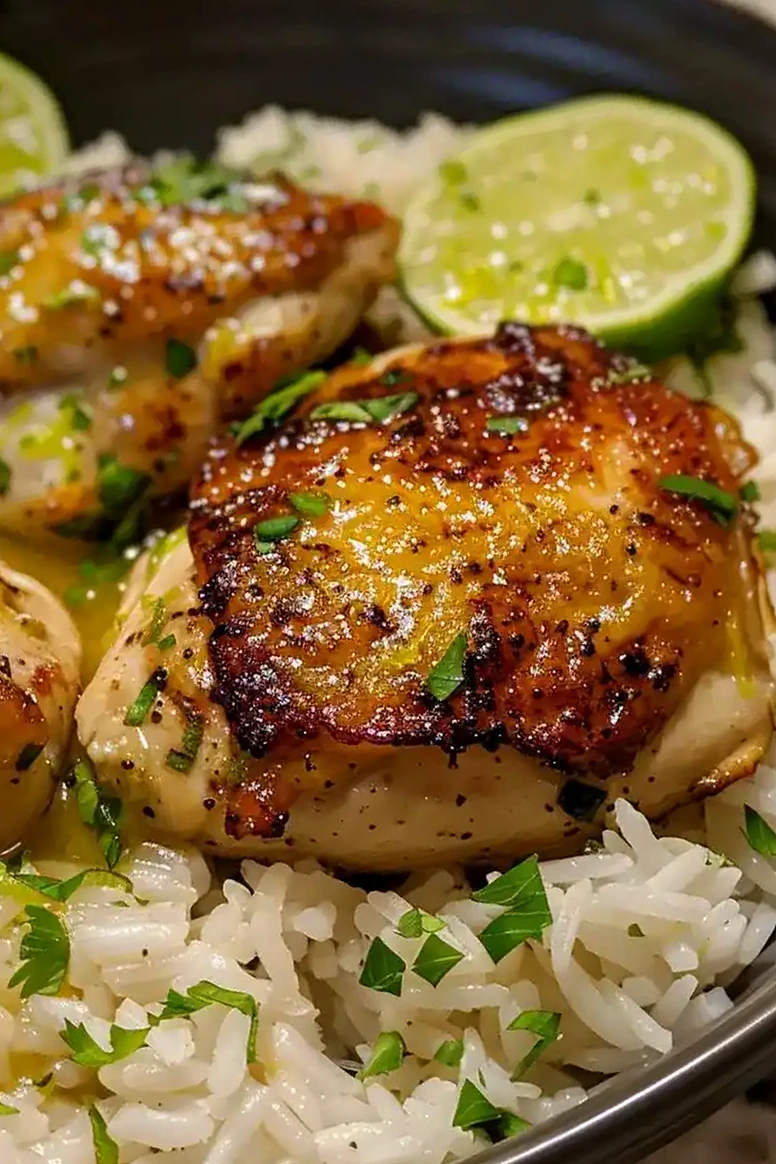
List of ingredients
- 4 boneless skinless chicken breasts – the main protein.
- 1 cup full-fat coconut milk – used for the chicken marinade.
- 1/4 cup lime juice (about 2 limes) – provides acidity for the marinade.
- Zest of 2 limes – adds intense citrus aroma.
- 3 cloves garlic, minced – for savory depth.
- 1 tablespoon soy sauce – adds umami and saltiness.
- 1 tablespoon honey – balances the lime acidity with sweetness.
- 1 teaspoon ground cumin – adds earthy warmth.
- 1 teaspoon ground coriander – adds a light, citrusy spice.
- 1/2 teaspoon salt – basic seasoning.
- 1/4 teaspoon black pepper – for a hint of spice.
- 2 tablespoons olive oil – for searing the chicken.
- Fresh cilantro, chopped – used for garnish.
- 1 cup basmati rice – the base grain.
- 1 1/2 cups water – for cooking the rice.
- 1/2 cup full-fat coconut milk – for creamy rice.
- 1/2 teaspoon salt – for seasoning the rice.
- Zest of 1 lime – for finishing the rice.
- 2 tablespoons fresh lime juice – for brightening the rice.
- 2 tablespoons fresh cilantro, chopped – mixed into the rice.
step-by-step instructions
- Marinate the Chicken: In a medium bowl, whisk together the coconut milk, lime juice, lime zest, minced garlic, soy sauce, honey, cumin, coriander, salt, and black pepper. Place the chicken breasts in a resealable bag or shallow dish and pour the marinade over them. Refrigerate for at least 30 minutes, or up to 4 hours to maximize flavor penetration.
- Cook the Rice: Rinse the basmati rice under cold running water until the water runs clear to remove excess starch. In a medium saucepan, combine the rinsed rice, water, coconut milk, and salt. Bring the mixture to a boil over medium-high heat, then reduce heat to low, cover, and simmer for 15-20 minutes until the liquid is absorbed.
- Finish the Rice: Remove the saucepan from the heat and let it sit, covered, for 5 minutes to allow the steam to set. Fluff the grains with a fork and stir in the lime zest, fresh lime juice, and chopped cilantro.
- Sear the Chicken: Heat olive oil in a large skillet over medium-high heat. Remove chicken from the marinade, discarding the leftover liquid, and cook for 5-7 minutes per side. Ensure the internal temperature reaches 165°F (74°C) to guarantee it is cooked through.
- Plate and Serve: Scoop a generous portion of coconut lime rice onto each plate. Place a cooked chicken breast on top and garnish with additional lime zest, cilantro, and lime wedges.
Expert Cooking Techniques for Best Results
Ensure Even Chicken Thickness
If your chicken breasts vary in thickness, use a meat mallet to pound the thicker end until they are uniform. This ensures that the thinner parts do not overcook while the center is still raw. You can also slice very thick breasts horizontally to create two thinner cutlets.
Maximize Marinating Duration
While 30 minutes is the minimum, marinating for 2 to 4 hours allows the acids in the lime juice to tenderize the meat. This process breaks down tough fibers and allows the coconut and spices to penetrate deeper into the chicken. Avoid marinating for more than 24 hours, as the lime juice can make the meat mushy.
Rinse Basmati Rice Thoroughly
Rinsing basmati rice removes surface starches that otherwise cause the grains to stick together. Use a fine-mesh strainer and run cold water over the rice until the water is no longer cloudy. This step is essential for achieving individual, fluffy grains rather than a gummy texture.
Allow the Rice to Rest
Keeping the lid on the saucepan for 5 minutes after turning off the heat is a critical step. The residual steam redistributes moisture throughout the pot, finishing the cooking process gently. This prevents the bottom from scorching and the top from remaining slightly underdone.
Monitor Internal Temperature
Use an instant-read meat thermometer to check the thickest part of the chicken breast. Pull the chicken off the heat when it reaches 160-165°F (71-74°C). Overcooking chicken breasts quickly leads to a dry, rubbery texture, especially with lean, skinless cuts.
Zest Limes Before Juicing
Always zest your limes before you cut them for juicing. It is nearly impossible to zest a lime once it has been squeezed and softened. The zest contains the essential oils that provide the most potent citrus flavor without adding extra acidity.
Choose Full-Fat Coconut Milk
Using full-fat coconut milk provides a richer, creamier mouthfeel and a more authentic tropical taste. Light coconut milk can be used for lower calories, but it results in a thinner sauce and less depth. For the best results, shake the can well before measuring to incorporate the coconut cream.
Maintain Consistent Pan Heat
If the chicken begins to brown too quickly or the honey in the marinade starts to burn, reduce the heat to medium. You want a golden-brown sear, not a charred exterior. A non-stick skillet or a well-seasoned cast iron pan works best for this process.
Add Fresh Herbs at the End
Stir the chopped cilantro into the rice and sprinkle it over the chicken only right before serving. Heat causes cilantro to wilt and lose its bright, peppery flavor. Keeping the herbs fresh ensures a vibrant color and a sharp contrast to the rich coconut milk.
Balance the Final Seasoning
Taste the finished rice and chicken before plating to check the balance of salt and acid. If the dish tastes too heavy, add a small squeeze of fresh lime juice. If it lacks depth, a pinch of extra salt can brighten the existing flavors.
Customizations and Ingredient Swaps
Using Coconut Cream for Richness
For an even more decadent version, replace the coconut milk in the marinade with coconut cream. This increases the fat content, leading to a thicker coating on the chicken and a more velvet-like texture. Be mindful that coconut cream is thicker, so you may need to whisk it more vigorously.
Substituting Different Rice Grains
While basmati is traditional, you can use jasmine rice for a slightly stickier, floral alternative. For a gluten-free seed option, quinoa works well, though you will need to adjust the liquid ratio. Brown rice requires more water and a significantly longer simmering time.
Alternative Citrus Options
If limes are unavailable, lemon juice is the closest substitute and provides a similar brightness. Orange juice can be used for a sweeter, more mellow citrus profile, though it changes the flavor from zesty to fruity. Always use fresh citrus rather than bottled concentrate when possible.
Honey Replacements for Sweetness
Maple syrup or agave nectar can be used as a 1:1 replacement for honey. These alternatives provide the necessary sugar to balance the acidity of the lime. Brown sugar also works, though it adds a slight molasses note to the marinade.
Soy Sauce Alternatives
Coconut aminos are an excellent alternative for those avoiding soy, offering a similar salty-sweet profile. Fish sauce can also be used for a more traditional Southeast Asian flavor, though it is more pungent. Reduce the salt slightly if using fish sauce.
Recommended Side Dish Pairings
Fresh Garden Salads
A simple green salad with a light vinaigrette cuts through the richness of the coconut milk. Use a mix of baby spinach, arugula, and cucumber for a crisp texture. A dressing of olive oil, apple cider vinegar, and a pinch of salt complements the tropical notes.
Steamed Green Vegetables
Steamed broccoli, snap peas, or asparagus provide a healthy, colorful contrast to the white rice. The natural bitterness of these vegetables balances the sweetness of the coconut. Lightly season them with salt and a touch of butter or olive oil.
Tropical Mango Salsa
Create a fresh salsa by dicing ripe mango, red bell pepper, red onion, and cilantro. Mix in lime juice and a pinch of salt to taste. The sweetness of the mango and the crunch of the pepper add a dynamic layer to the meal.
Cool Cucumber Raita
A yogurt-based cucumber raita helps balance the aromatic spices like cumin and coriander. Grate fresh cucumber into plain Greek yogurt and stir in dried mint and salt. This cooling side is particularly effective if you increase the spice level of the chicken.
Grilled Pineapple Slices
Grilling fresh pineapple rings creates a caramelized sweetness that pairs perfectly with coconut. The smoky char from the grill enhances the seared flavor of the chicken. Serve one or two slices on the side of each plate.
Complementary Tropical Drinks
Chilled coconut water is a natural pairing that echoes the flavors in the dish. Alternatively, an iced tea infused with fresh mint and lime wedges provides a refreshing, non-sweet beverage. Avoid heavy creamy drinks to keep the meal feeling light.
Warm Flatbreads
Serving the meal with warm naan or toasted flatbread allows guests to scoop up any remaining coconut sauce. Lightly brush the bread with melted butter and garlic for extra flavor. This adds a comforting, hearty element to the dinner.
Storage and Reheating Guidelines
Refrigeration and Shelf Life
Store leftover chicken and rice in separate airtight containers in the refrigerator. The chicken will remain high quality for 3-4 days, while the coconut rice is best consumed within 2 days. Keeping them separate prevents the rice from absorbing too much moisture from the meat.
Freezing Potential
The cooked chicken can be frozen for up to 3 months in a freezer-safe bag. However, the coconut rice does not freeze well, as the coconut milk can separate and the texture becomes grainy. It is recommended to cook fresh rice when reheating frozen chicken.
Best Reheating Methods
To reheat the chicken, use a skillet over medium heat with a teaspoon of water or coconut milk to prevent drying. For the rice, microwave it with a damp paper towel covering the bowl. This creates steam that re-hydrates the grains and restores the fluffy texture.
Preventing Dry Meat During Reheat
Avoid reheating the chicken in a high-power microwave for long periods, as this toughens the protein. Using a low-heat oven or a pan allows the chicken to warm through slowly. Adding a small amount of fat, like butter or oil, helps maintain the moisture.
Preparation and Scheduling Advice
Make-Ahead Strategies
You can prepare the chicken marinade up to 24 hours in advance and store it in the fridge. The rice can be cooked and kept warm in a rice cooker or refrigerated and reheated. This allows you to focus only on searing the chicken when it is time to eat.
Time-Saving Shortcuts
If you are short on time, use a pre-minced garlic jar and bottled lime juice. While fresh is better, these shortcuts save about 10 minutes of prep work. You can also use a pressure cooker for the rice to reduce the cooking time to about 8 minutes.
Batch Cooking for Meal Prep
This recipe scales easily for batch cooking. Double the ingredients and cook the chicken in two batches to avoid overcrowding the pan. Divide the portions into containers for a healthy, flavorful lunch throughout the work week.
Common Cooking Questions
Can I use coconut cream instead of coconut milk?
Yes, you can use coconut cream for a thicker and richer result. It will make the marinade more adhesive and the rice more creamy. If the mixture becomes too thick, simply add a tablespoon of water to thin it out.
Can I freeze leftover coconut lime chicken and rice?
You can freeze the chicken, but the rice is not recommended for freezing. The fats in the coconut milk can break down during the freezing and thawing process, leaving the rice with an unpleasant texture. Always freeze the components separately.
Can I make this recipe ahead of time?
Yes, the marinating and rice cooking can be done in advance. Simply sear the chicken fresh and reheat the rice just before serving. This ensures the chicken stays juicy and the rice stays fluffy.
What can I substitute for lime if I don’t have any?
Lemon juice is the best direct substitute for lime juice. While the flavor is slightly different, the acidity performs the same function in the marinade and rice. You can also use a small amount of apple cider vinegar in a pinch, though the flavor will be less citrusy.
Print
Coconut Lime Chicken and Rice
- Total Time: 50 minutes
- Yield: 4 servings 1x
- Diet: General
Description
This Coconut Lime Chicken and Rice dish is a flavorful, tropical-inspired meal that’s easy to prepare and perfect for a weeknight dinner. Enjoy the creamy, tangy, and aromatic flavors in every bite!
Ingredients
- 4 boneless skinless chicken breasts
- 1 cup full-fat coconut milk (for marinade)
- 1/4 cup lime juice
- Zest of 2 limes
- 3 cloves garlic, minced
- 1 tablespoon soy sauce
- 1 tablespoon honey
- 1 teaspoon ground cumin
- 1 teaspoon ground coriander
- 1/2 teaspoon salt
- 1/4 teaspoon black pepper
- 2 tablespoons olive oil
- Fresh cilantro, chopped (for garnish)
- 1 cup basmati rice
- 1 1/2 cups water
- 1/2 cup full-fat coconut milk (for rice)
- 1/2 teaspoon salt (for rice)
- Zest of 1 lime (for rice)
- 2 tablespoons fresh lime juice (for rice)
- 2 tablespoons fresh cilantro, chopped (for rice)
Instructions
- Marinate the Chicken: In a bowl, combine coconut milk, lime juice, lime zest, minced garlic, soy sauce, honey, ground cumin, ground coriander, salt, and black pepper. Place the chicken breasts in a resealable plastic bag or a shallow dish. Pour the marinade over the chicken, ensuring it is well coated. Seal the bag or cover the dish and refrigerate for at least 30 minutes, or up to 4 hours for more flavor.
- Cook the Rice: Rinse the basmati rice under cold water until the water runs clear. In a medium saucepan, combine the rice, water, coconut milk, and salt. Bring to a boil over medium-high heat. Once boiling, reduce the heat to low, cover, and simmer for 15-20 minutes, or until the rice is tender and the liquid is absorbed. Remove from heat and let it sit, covered, for 5 minutes. Fluff with a fork and stir in the lime zest, lime juice, and chopped cilantro.
- Cook the Chicken: In a large skillet, heat the olive oil over medium-high heat. Remove the chicken from the marinade (discard the marinade) and cook the chicken breasts for 5-7 minutes per side, or until golden brown and cooked through (internal temperature should reach 165°F/74°C). If the chicken is browning too quickly, reduce the heat to medium.
- Serve: Plate the coconut lime rice and top with the cooked chicken breasts. Garnish with additional lime zest, fresh cilantro, and lime wedges if desired.
Notes
For extra flavor, add a splash of fish sauce or sesame oil to the marinade. Don’t skip the marinade step – it’s what infuses the chicken with flavor and keeps it juicy. Use full-fat coconut milk for a creamier texture and richer taste. If you don’t have fresh lime, you can use bottled lime juice, but fresh is always best for maximum flavor.
- Prep Time: 20 minutes
- Cook Time: 30 minutes
- Category: Main Course
- Method: Pan-Searing
- Cuisine: Caribbean, Thai
Nutrition
- Serving Size: 1 serving
- Calories: 522 kcal
- Sugar: 8 g
- Sodium: 780 mg
- Fat: 22 g
- Saturated Fat: 15 g
- Unsaturated Fat: 7 g
- Trans Fat: 0 g
- Carbohydrates: 36 g
- Fiber: 2 g
- Protein: 41 g
- Cholesterol: 115 mg