
This creamy chicken salad is a high-protein lunch option that requires minimal effort. It is a refreshing and crunchy dish that works perfectly for weekly meal preparation.
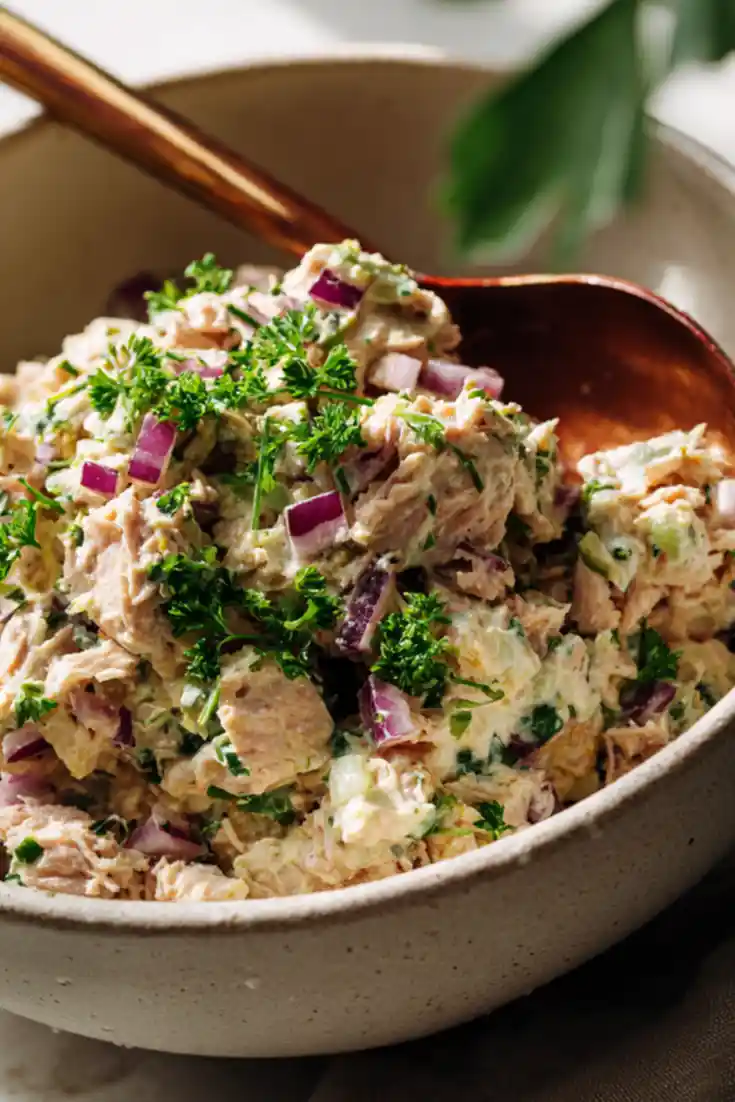
List of ingredients
- 3 cups cooked chicken, chopped or shredded (a rotisserie chicken is recommended for convenience)
- ⅓–⅔ cup mayonnaise (adjust based on your preferred level of creaminess)
- 1 tablespoon Dijon mustard – adds a subtle tang
- 1 tablespoon fresh lemon juice – provides brightness and cuts richness
- ¾ cup celery, diced (approximately 2-3 stalks)
- ¼ cup red onion, diced for a sharp contrast
- 2 tablespoons fresh parsley, chopped (optional for extra freshness)
- ½ teaspoon salt – adjust to taste
- ¼ teaspoon black pepper
step-by-step instructions
- Prepare the chicken: If using rotisserie chicken, remove all meat from the bones and discard the skin. Chop the meat into bite-sized pieces. Ensure any home-cooked chicken is completely cooled before proceeding.
- Mix the dressing: In a large mixing bowl, whisk together the mayonnaise, Dijon mustard, and lemon juice. Stir until the mixture is smooth and well combined.
- Combine the vegetables: Add the diced celery, red onion, and chopped parsley to the dressing. Stir these in thoroughly; ensure celery is diced small for a better eating experience.
- Incorporate the chicken: Fold the chopped chicken into the bowl. Stir gently until every piece is evenly coated, taking care not to overmix and break the chicken apart.
- Season and adjust: Stir in the salt and black pepper. Taste the salad and add more salt or a squeeze of lemon juice if the flavor feels flat.
- Chill the salad: Cover the bowl and place it in the refrigerator for at least 30 minutes. This resting period allows the flavors to blend and improves the overall taste.
Pro Tips for Optimal Texture and Taste
Use Rotisserie Chicken for Speed and Moisture
Purchasing a pre-cooked rotisserie chicken significantly reduces preparation time. These chickens are typically brined and seasoned, providing a moist texture that is ideal for cold salads. Simply remove the meat while it is warm for easier shredding, then cool it completely.
Maintain the Balance of Acid
Do not skip the fresh lemon juice in this recipe. The acidity is essential because it prevents the mayonnaise from tasting too heavy or oily. It brightens the overall flavor profile and balances the richness of the protein.
Dice Celery into Uniform Small Pieces
Aim for celery pieces that are roughly the size of a pea. Large chunks of celery can be distracting and make the salad difficult to eat in a sandwich. Small, uniform pieces provide a consistent crunch in every bite.
Add Mayonnaise Gradually
Start by adding the lower end of the mayonnaise range. Because preferences for creaminess vary, it is easier to stir in more mayo than it is to fix a salad that has become too soggy. Mix, taste, and add more only if the mixture seems dry.
Allow Sufficient Chilling Time
While the salad can be eaten immediately, it tastes significantly better after 30 minutes in the fridge. Cold temperatures help the dressing adhere to the chicken more effectively. This period also allows the onion and mustard to infuse the meat with more flavor.
Season the Protein Aggressively
Chicken salad often requires more salt than other cold dishes to taste fully developed. Taste the final product right before serving. If the flavors are not popping, a small extra pinch of salt usually solves the problem.
Flavor and Ingredient Variations
Adding Sweet Elements like Grapes or Apples
To introduce a sweetness that balances the savory notes, stir in half a cup of halved red grapes or finely diced crisp apples. Some prefer adding a small teaspoon of honey directly into the mayonnaise dressing. This creates a sweet-and-savory contrast that pairs well with red onion.
Incorporating Toasted Nuts for Extra Crunch
Toss in half a cup of chopped pecans, walnuts, or slivered almonds to add a buttery crunch. Toasting the nuts in a dry pan for two minutes before adding them enhances their flavor. This adds a layer of complexity to the texture of the dish.
Increasing the Tanginess with Relish or Yogurt
For a tangier profile, add a tablespoon of dill pickle relish to the mix. You can also swap half of the mayonnaise for plain Greek yogurt. This reduction in fat increases the acidity and provides a lighter feel to the dressing.
Using Fresh Herbs like Dill or Tarragon
While parsley is the standard, fresh dill or tarragon can elevate the salad. Add about one tablespoon of these finely chopped herbs during the vegetable mixing stage. Tarragon, in particular, gives the chicken salad a sophisticated, French-inspired flavor.
Adding a Spicy Kick with Peppers
A pinch of cayenne pepper or a tablespoon of finely diced fresh jalapeño adds a subtle heat. For a bolder flavor, mix a small amount of buffalo sauce into the mayonnaise. This transforms the classic recipe into a spicy buffalo chicken salad.
Substituting Celery with Other Crunchy Vegetables
If you dislike celery, you can substitute it with diced cucumber or jicama. Ensure you seed the cucumber first to prevent the salad from becoming too watery. These alternatives maintain the necessary textural contrast without the specific taste of celery.
Diverse Serving Methods
Choosing the Right Bread for Sandwiches
Croissants are an excellent choice for a rich, buttery experience. Sourdough provides a nice tang that complements the lemon juice, while whole wheat offers a heartier texture. Toasting the bread helps prevent the salad from making the bread soggy.
Preparing Quick Wraps for On-the-Go
Flour tortillas or spinach wraps are ideal for meal prepping lunches. These options are easier to transport and eat during a break. Adding a layer of fresh spinach leaves inside the wrap adds extra nutrition and a crisp barrier.
Using Crackers for Appetizers
Serve scoops of chicken salad on buttery crackers like Ritz or sturdy pita chips. Sliced cucumbers also work as a low-calorie cracker alternative. This presentation is perfect for parties or as a light afternoon snack.
Low Carb Lettuce Cup Options
Use large leaves of butter lettuce or romaine as natural bowls. These sturdy greens hold the filling without falling apart. This method removes the need for bread entirely, making the meal much lighter and low-carb.
Serving on a Bed of Mixed Greens
Transform the recipe into a full meal by scooping the chicken salad over a bed of mixed spring greens. You can add cherry tomatoes, shredded carrots, or sliced radishes to the plate. This balances the creamy salad with fresh, raw vegetables.
Stuffing into Vegetable Vessels
For a visually appealing presentation, scoop the salad into a hollowed-out tomato or a halved avocado. This adds extra creaminess from the avocado or acidity from the tomato. It is a great way to serve the dish to guests.
Storage and Food Safety
Refrigeration Guidelines for Maximum Freshness
Store the chicken salad in an airtight glass or plastic container in the refrigerator. It remains fresh and safe to eat for up to four days. Beyond this window, the vegetables may lose their crunch and the mayonnaise may begin to separate.
Portioning Strategies for Weekly Meal Prep
Divide the salad into individual portions immediately after making it. This prevents you from exposing the entire batch to air every time you take a serving. Individual containers keep the salad fresher and make it easier to grab during a busy morning.
Precautions Regarding Freezing
Do not freeze chicken salad containing mayonnaise. The emulsion in the mayo breaks down during the freezing and thawing process, resulting in a watery and unappealing texture. If you need to prep ahead, freeze the cooked chicken alone and mix the salad fresh.
Refreshing Dry Salad After Storage
It is common for the chicken to absorb the dressing while sitting in the fridge overnight. If the salad seems too dry the next day, stir in a tablespoon of fresh mayonnaise. This restores the creamy consistency without altering the flavor.
The Logic Behind the Recipe
The Importance of the Mayo-to-Chicken Ratio
The ratio of ⅔ cup of mayo to 3 cups of chicken is designed to provide creaminess without overwhelming the meat. Too much mayonnaise results in a sauce-heavy dish, while too little makes the salad dry. This balance ensures the chicken remains the star.
How Dijon Mustard Adds Depth
Dijon mustard provides a sharp, savory depth that plain mayonnaise lacks. It acts as a bridge between the richness of the mayo and the acidity of the lemon. Even those who dislike mustard usually enjoy it in this quantity as it blends into the background.
The Role of Acid in Balancing Richness
Lemon juice performs a critical function by cutting through the fats found in the chicken and mayonnaise. Without an acid, the salad can taste flat or one-note. The lemon juice wakes up the other flavors and makes the dish feel refreshing.
Creating Textural Contrast with Vegetables
The combination of crunchy celery and sharp red onion prevents the salad from having a uniform, mushy texture. These contrasting elements keep the palate engaged. The vegetables provide a necessary break from the softness of the shredded chicken.
Efficiency of Pre-seasoned Poultry
Using rotisserie chicken is a practical choice because the meat is already seasoned and tender. This eliminates the need for additional poaching or roasting time. It simplifies the process, allowing the focus to remain on the assembly and flavor balancing.
Frequently Asked Questions
Can I use Greek yogurt instead of mayo?
Yes, you can use Greek yogurt, but it will result in a tangier and less rich taste. For a balanced flavor, try a 50/50 split of mayonnaise and Greek yogurt. This reduces the calorie count while maintaining a creamy consistency.
What if I don’t have rotisserie chicken?
You can poach chicken breasts in simmering water for about 15 minutes until fully cooked. Alternatively, use any leftover roasted or grilled chicken from previous meals. Canned chicken is a last resort but can be used if properly drained.
How do I keep it from getting watery?
Ensure the cooked chicken is completely dry before adding it to the dressing. If using rotisserie chicken, pat the meat with paper towels to remove excess moisture. Additionally, avoid over-mixing the salad, which can release juices from the vegetables.
Can I make this ahead of time?
Yes, this recipe is actually better when made a day in advance. The flavors have more time to meld together in the refrigerator. However, if you are adding nuts, wait until just before serving to keep them from getting soggy.
What is the best bread for chicken salad sandwiches?
The best bread depends on your preference for texture. Croissants offer a rich, buttery flavor, while toasted sourdough provides a sturdy base with a slight tang. Toasted whole wheat is the best option for those seeking a heartier, healthier choice.
Print
Creamy Classic Chicken Salad for Easy Meal Prep
- Total Time: 15 minutes
- Yield: 6 servings 1x
- Diet: General
Description
Need a high-protein lunch? Try my favorite creamy chicken salad recipe! It’s refreshing, crunchy, and packed with flavor—perfect for easy meal prep.
Ingredients
- 3 cups cooked chicken, chopped or shredded
- ⅓–⅔ cup mayonnaise
- 1 tablespoon Dijon mustard
- 1 tablespoon fresh lemon juice
- ¾ cup celery, diced
- ¼ cup red onion, diced
- 2 tablespoons fresh parsley, chopped
- ½ teaspoon salt
- ¼ teaspoon black pepper
Instructions
- Prep: Chop the cooked chicken into bite-sized pieces.
- Dressing: In a large bowl, whisk together the mayonnaise, Dijon mustard, and lemon juice until smooth.
- Vegetables: Stir in the diced celery, red onion, and parsley.
- Combine: Add the chopped chicken to the bowl and stir until evenly coated.
- Season: Add salt and pepper, then taste and adjust seasoning as needed.
- Chill: Cover and refrigerate for at least 30 minutes before serving.
Notes
Using a rotisserie chicken is the easiest method. Ensure the chicken is completely cooled before mixing. Let the salad chill to allow flavors to meld.
- Prep Time: 15 minutes
- Cook Time: 0 minutes
- Category: Lunch
- Method: Mixing
- Cuisine: American
Nutrition
- Serving Size: 1 serving
- Calories: 294 kcal
- Sugar: 1 g
- Sodium: 362 mg
- Fat: 16 g
- Saturated Fat: 5 g
- Unsaturated Fat: 12 g
- Trans Fat: 0 g
- Carbohydrates: 3 g
- Fiber: 1 g
- Protein: 31 g
- Cholesterol: 120 mg