
This creamy pasta dish is a fast and nutritious dinner option that caters to gluten-free and nut-free diets. By combining a homemade seed-based pesto with ricotta cheese, you get a rich sauce without needing excessive amounts of oil. It is a perfect meal for busy weeknights when you want something comforting but fresh.
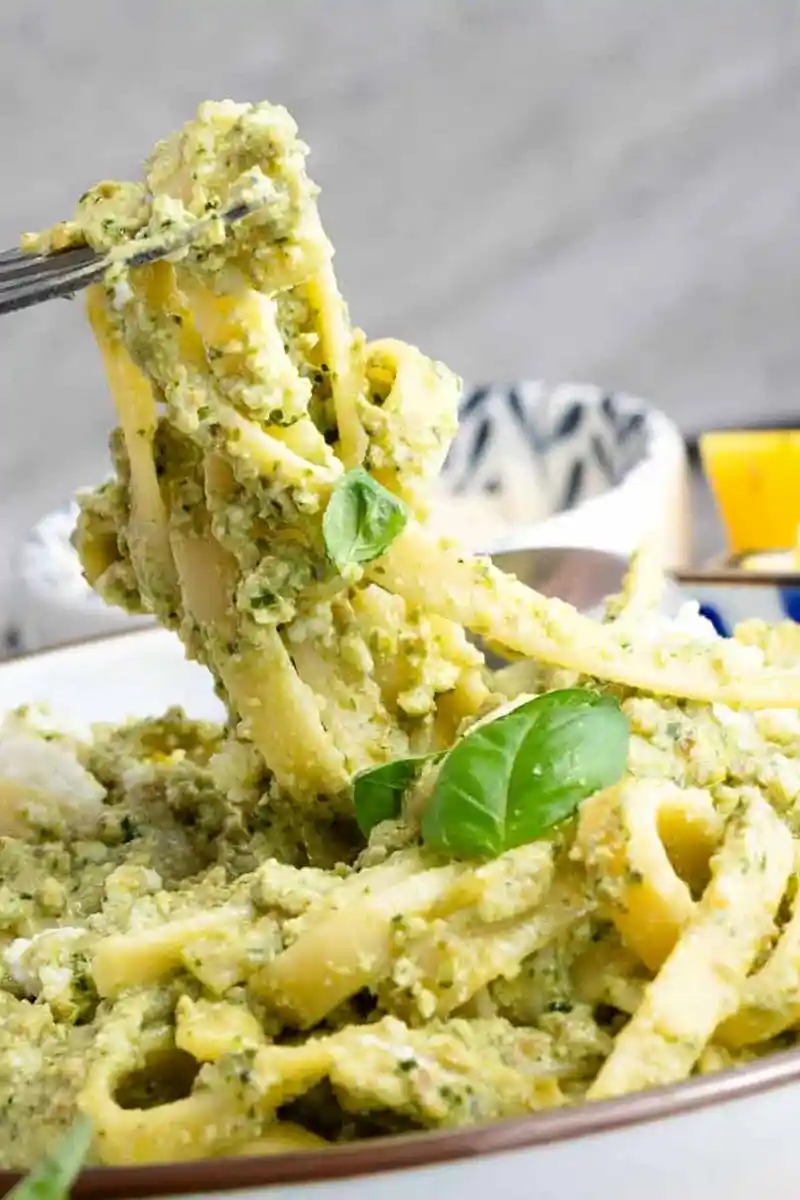
List of ingredients
- 12 oz fettuccini pasta (gluten-free) – choose a brand that holds its shape well.
- 1/4 cup ricotta cheese – provides a creamy, tangy base.
- 1 cup homemade pesto – see the components below.
- 1/2 cup pasta water (reserved) – essential for emulsifying the sauce.
- 1 tbsp lemon juice – adds a final bright note to the combined sauce.
- 2 cups fresh basil leaves (packed) – for a vibrant, aromatic flavor.
- 1 cup roasted pumpkin seeds (unsalted) – a nutritious, nut-free alternative to pine nuts.
- 4 cloves garlic – provides a pungent, savory depth.
- 1/4 cup lemon juice – used in the pesto to balance richness.
- 1/4 cup grated parmesan cheese – adds saltiness and umami; use nutritional yeast for dairy-free.
- 1/4 cup olive oil – binds the pesto ingredients into a smooth paste.
- 1/2 tsp salt – enhances all the flavors in the pesto.
- 1/4 tsp black pepper – adds a subtle heat and complexity.
step-by-step instructions
- Prepare the Pesto: In a food processor, blend the fresh basil, roasted pumpkin seeds, garlic, lemon juice, Parmesan (or nutritional yeast), salt, and black pepper. While the processor is still running, slowly drizzle in the olive oil until the mixture is completely smooth.
- Cook the Pasta: Bring a large pot of salted water to a boil and cook the gluten-free pasta according to the package directions until it is al dente. Before you drain the pasta, reserve 1/2 cup of the starchy pasta water.
- Combine: Place the empty pot back on the stove over medium heat and stir together the prepared pesto, ricotta cheese, 1 tablespoon of lemon juice, and 1/4 cup of the reserved pasta water. If the sauce seems too thick, gradually stir in more pasta water until you reach your preferred consistency.
- Serve: Toss the cooked, drained pasta into the pot with the sauce until every strand is evenly coated. Garnish the dish with additional grated Parmesan or fresh basil leaves and serve immediately while hot.
Practical Cooking Tips
Reserving Pasta Water for Sauce Emulsion
Always remember to scoop out some pasta water before draining your noodles. The starch released from the gluten-free pasta acts as a natural thickener and binder. This allows the oil-based pesto and the creamy ricotta to fuse into a silky sauce that clings to the pasta rather than sliding off.
Testing Gluten-Free Pasta for Al Dente Texture
Gluten-free pasta can go from al dente to mushy very quickly, especially those made from corn or brown rice blends. Start tasting the pasta about two minutes before the package instructions suggest it should be done. This ensures you maintain a slight bite to the noodle, which prevents the dish from feeling overly soft.
Rinsing Gluten-Free Noodles to Prevent Clumping
Unlike traditional wheat pasta, many gluten-free varieties release a high amount of surface starch that can make the noodles sticky. After draining, give the pasta a quick rinse with hot water to remove the excess starch. This prevents the pasta from clumping together before it hits the sauce, ensuring a more consistent coating.
Ingredient Substitutions
Using Tofu Ricotta for Dairy-Free Needs
If you need a vegan or dairy-free alternative, substitute the ricotta cheese with a homemade tofu ricotta. Blend firm tofu with a squeeze of lemon juice, a pinch of salt, and a tablespoon of olive oil until it reaches a creamy, slightly grainy consistency. This mimicry provides the same tangy creaminess without the dairy.
Swapping Basil for Other Leafy Greens
If fresh basil is unavailable, you can use baby spinach or kale as the base for your pesto. Spinach creates a milder, sweeter flavor, while kale provides a more robust and earthy taste. When using kale, remove the tough center ribs before blending to ensure the sauce remains smooth.
Alternative Nut-Free Seeds for Crunch
While roasted pumpkin seeds are recommended for their depth of flavor, sunflower seeds are another excellent nut-free option. Sunflower seeds offer a similar buttery profile and provide the necessary healthy fats to keep the pesto creamy. Ensure they are unsalted to maintain control over the overall sodium level of the dish.
Using Different Gluten-Free Pasta Shapes
Fettuccine is a classic choice, but shapes like fusilli, penne, or rotini can work even better for this sauce. The spirals and ridges of these shapes trap the creamy pesto and ricotta in their crevices. This results in more sauce per bite compared to long, flat noodles.
Custom Recipe Variations
Incorporating Steamed Broccoli for Extra Nutrients
To add more vegetables, steam a handful of broccoli florets until they are tender-crisp. Blend the steamed broccoli directly into the pesto mixture before adding the ricotta. This creates a vibrant green sauce and is an effective way to increase the fiber and vitamin content of the meal.
Adding White Beans for a Protein Boost
For a heartier meal, stir in a can of rinsed and drained cannellini beans or chickpeas just before adding the pasta. The creamy texture of white beans complements the ricotta perfectly. This addition makes the dish more filling and increases the plant-based protein count per serving.
Using the Sauce as a Savory Sandwich Spread
The combination of pesto and ricotta works beautifully as a cold spread for sandwiches or wraps. Use a slightly thicker version of the sauce by reducing the amount of pasta water. Spread it on gluten-free bread with sliced tomatoes, fresh mozzarella, and baby arugula for a gourmet lunch.
Storage and Preservation
Refrigerating Leftover Pasta
Store any remaining pasta in an airtight container and keep it in the refrigerator for up to three days. Because gluten-free pasta can absorb moisture over time, the sauce may thicken significantly in the fridge. This is normal and can be easily corrected during the reheating process.
Freezing the Pesto Ricotta Sauce
You can freeze the pesto and ricotta mixture separately from the pasta for up to three months. Use a freezer-safe container or silicone molds to create portions. It is highly recommended not to freeze the cooked pasta itself, as the texture of gluten-free noodles often degrades after freezing and thawing.
Proper Thawing and Reheating Methods
To reheat, place the pasta or sauce in a saucepan over low heat. Add a splash of water or a drizzle of olive oil to loosen the sauce and restore its creamy emulsion. Avoid using a microwave on high heat, as this can cause the fats in the pesto to separate and the cheese to clump.
Serving Ideas
Pairing with Fresh Side Salads
Balance the richness of the ricotta and olive oil with a light, acidic side salad. A simple bed of baby arugula tossed with lemon juice, extra virgin olive oil, and a pinch of salt works best. The peppery notes of the arugula cut through the creaminess of the pasta.
Adding Toasted Seeds as a Garnish
For added texture, garnish the finished pasta with a tablespoon of toasted pumpkin seeds. Briefly toast the seeds in a dry pan over medium heat for two to three minutes until they are fragrant. This adds a satisfying crunch that contrasts with the softness of the ricotta.
Complementing with Grilled Vegetables
Serve the pasta alongside charred zucchini, grilled asparagus, or roasted bell peppers. The smokiness from the grill complements the fresh basil and garlic in the pesto. You can either serve these on the side or toss them directly into the pasta for a complete one-pot meal.
Troubleshooting and FAQ
Why is my sauce too thick?
If the sauce appears too dense or clumps together, it is likely due to the absorption of moisture by the ricotta or the pasta. Gradually add the reserved pasta water one tablespoon at a time while stirring over low heat. This will thin the sauce without diluting the flavor.
How do I prevent the basil from browning?
Basil can oxidize and turn brown if exposed to heat or processed for too long. To keep the color vibrant, use cold basil leaves and process them quickly in the food processor. The addition of lemon juice also helps preserve the bright green hue by providing acidity.
Can I use store-bought pesto instead?
Yes, you can use a store-bought pesto to save time, but ensure it is certified gluten-free and nut-free. Since store-bought versions vary in saltiness, taste your combined sauce before adding any extra salt. You may also need to adjust the amount of ricotta to balance the intensity of the commercial pesto.
Is this recipe suitable for vegans?
This recipe can be made vegan by substituting the parmesan with nutritional yeast and the ricotta with a tofu-based alternative. Ensure the olive oil used is a high-quality extra virgin variety to maintain the rich flavor profile. All other ingredients, including the pumpkin seeds and basil, are naturally vegan.
Print
Creamy Gluten-Free Ricotta Pesto Pasta
- Total Time: 25 minutes
- Yield: 4 servings 1x
- Diet: Gluten-Free, Nut-Free
Description
This Easy Pesto and Ricotta Pasta combines creamy ricotta and vibrant homemade pesto for a delightful dish that’s perfect for any weeknight dinner. Gluten-free and nut-free, this recipe promises a delicious meal that’s easy to prepare and adaptable to dairy-free needs.
Ingredients
- 12 oz gluten-free fettuccini pasta
- 1/4 cup ricotta cheese
- 2 cups fresh basil leaves, packed
- 1 cup roasted unsalted pumpkin seeds
- 4 cloves garlic
- 1/4 cup lemon juice (for pesto)
- 1/4 cup grated parmesan cheese (microbial-rennet)
- 1/4 cup olive oil
- 1/2 tsp salt
- 1/4 tsp black pepper
- 1/2 cup reserved pasta water
- 1 tbsp lemon juice (for sauce)
Instructions
- Prepare the Pesto: In a food processor, blend basil, pumpkin seeds, garlic, lemon juice, Parmesan, salt, and pepper. With the processor running, slowly add olive oil until smooth.
- Cook the Pasta: Boil pasta as per package instructions until al dente; reserve 1/2 cup pasta water before draining.
- Combine: In the same pot, mix pesto, ricotta, lemon juice, and 1/4 cup pasta water over medium heat. Add more water if needed to reach the desired consistency.
- Serve: Toss cooked pasta with sauce, garnish with extra Parmesan and basil if desired, and serve immediately.
Notes
For a dairy-free version, substitute ricotta with tofu ricotta and parmesan with nutritional yeast. Reserve pasta water to ensure a creamy consistency.
- Prep Time: 10 minutes
- Cook Time: 15 minutes
- Category: Main Course
- Method: Stovetop
- Cuisine: Italian
Nutrition
- Serving Size: 1 serving
- Calories: 588 kcal
- Sugar: 3 g
- Sodium: 422 mg
- Fat: 27 g
- Saturated Fat: 6 g
- Unsaturated Fat: 19 g
- Trans Fat: 0 g
- Carbohydrates: 69 g
- Fiber: 4 g
- Protein: 20 g
- Cholesterol: 13 mg