
This fast-acting pasta dish combines the tanginess of lemon with a rich cream cheese base for a satisfying meal. It is a practical vegetarian option that comes together in just 20 minutes.
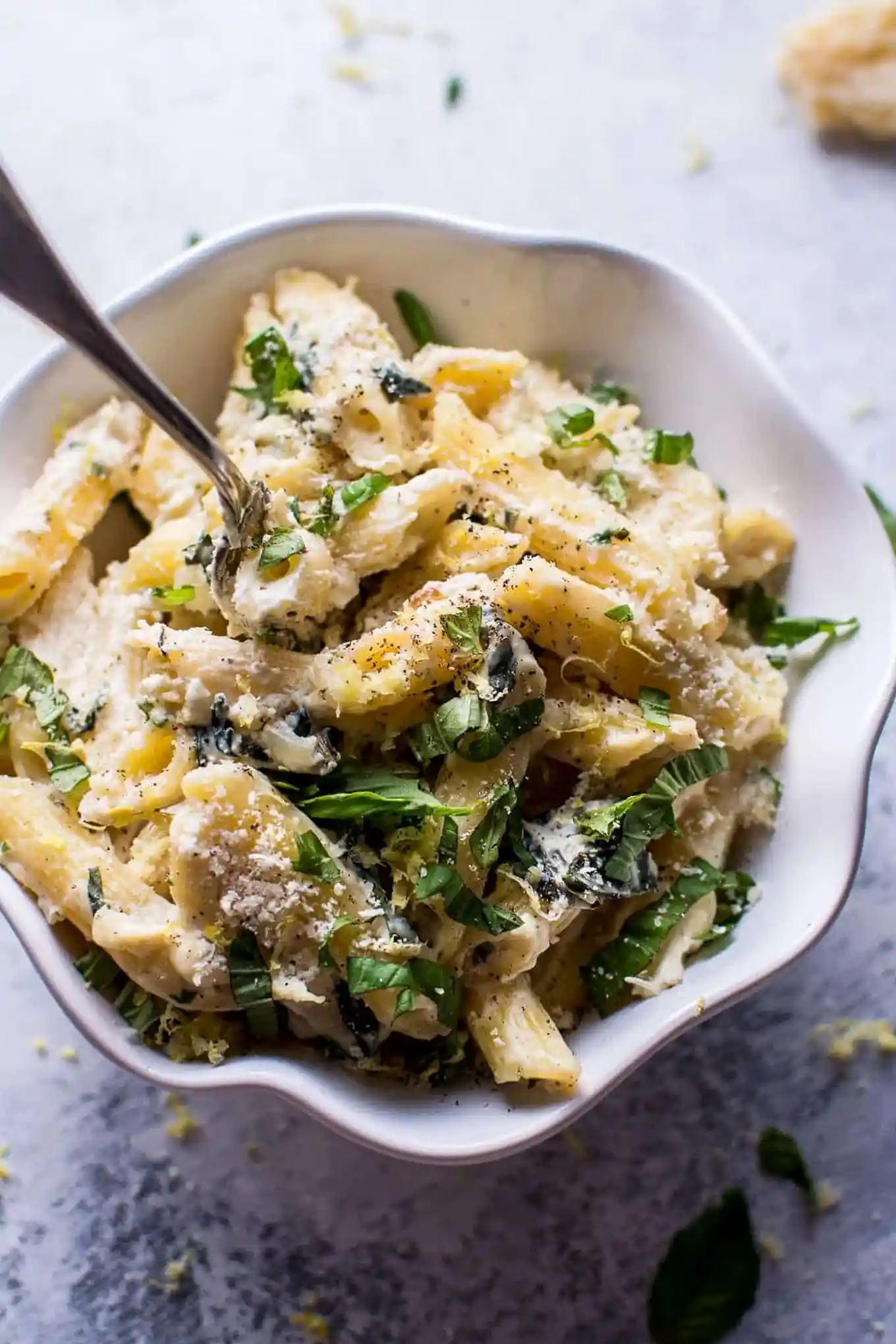
List of ingredients
- 8 ounces pasta (penne is recommended) – provides the base of the meal.
- 1/2 medium onion, chopped – adds a subtle savory depth.
- 1 tablespoon olive oil – used for sautéing the aromatics.
- 2 cloves garlic, minced – provides a pungent, aromatic flavor.
- 1 (8 ounce) package cream cheese, softened – creates the thick, creamy sauce texture.
- Juice and zest of 1/2 lemon – adds brightness and citrus acidity.
- 3 dashes Italian seasoning – provides a blend of dried Mediterranean herbs.
- 1 cup grated parmesan cheese – adds salty richness and thickens the sauce.
- 1 large handful fresh basil, torn – adds a fresh, peppery finish.
- 1 tablespoon fresh parsley, chopped finely – adds a clean, grassy note.
- Salt and pepper, to taste – used for final seasoning adjustment.
step-by-step instructions
- Boil Pasta: Bring a large pot of salted water to a boil and cook the pasta according to the package directions until al dente.
- Sauté Onion: While the water is heating, add olive oil to a skillet over medium heat and sauté the chopped onion for 8-10 minutes until softened and lightly browned.
- Cook Garlic: Stir in the minced garlic and cook for approximately 30 seconds until it becomes fragrant.
- Create Sauce Base: Add the softened cream cheese, lemon juice, lemon zest, and Italian seasoning to the skillet. Stir for a few minutes until the cream cheese melts into a smooth sauce.
- Integrate Parmesan: Stir the grated parmesan cheese into the melted mixture until fully incorporated.
- Adjust Consistency: Reserve 1/2 cup of the pasta cooking water before draining. Stir 1/4 cup of this water into the sauce and add more one tablespoon at a time until the desired thickness is achieved.
- Final Seasoning: Fold in the torn fresh basil, chopped parsley, salt, and pepper.
- Combine and Serve: Add the cooked, drained pasta to the skillet, toss thoroughly to coat every piece, and serve immediately.
Optimizing Pasta Selection
Using Penne for Sauce Retention
Penne is an ideal choice because its tubular shape and ridges capture the thick cream cheese sauce. This ensures that every bite contains a balanced amount of sauce and pasta.
Choosing Fusilli for Maximum Coating
Fusilli or rotini are excellent alternatives due to their spiral structure. The twists create more surface area for the lemon-basil sauce to cling to, intensifying the flavor.
Selecting Farfalle for Texture
Farfalle, or bow-tie pasta, provides a denser bite in the center and thinner edges. This contrast works well with the creamy consistency of the lemon sauce.
Avoiding Very Thin Pastas
Avoid using thin strands like angel hair or thin spaghetti for this specific recipe. The heavy cream cheese sauce may overwhelm delicate noodles and cause them to clump together.
Technical Sauce Tips
Ensuring Cream Cheese is Properly Softened
Softened cream cheese integrates much faster and prevents lumps in the sauce. If you are short on time, microwave the block for 20-30 seconds before adding it to the skillet.
Utilizing Starchy Pasta Water
The reserved pasta water contains starch that acts as an emulsifier. This helps the cream cheese and parmesan bind together, creating a silky texture rather than a greasy one.
Managing Heat to Prevent Curdling
Keep the skillet on medium or low heat once the cheese is added. Excessive heat can cause the dairy to separate or the parmesan to become grainy.
Balancing the Lemon Acidity
The zest provides the aromatic lemon flavor, while the juice provides the tartness. If the sauce feels too sharp, add a small amount more pasta water to mellow the acidity.
Ingredient Substitutions
Using Mascarpone Instead of Cream Cheese
Mascarpone can be used as a direct substitute for a milder, sweeter, and slightly richer profile. It melts very quickly and produces a very smooth consistency.
Substituting Ricotta for a Grainier Texture
Whole milk ricotta can replace cream cheese, though the result will be less smooth and more rustic. You may need an extra splash of pasta water to help it emulsify.
Replacing Fresh Basil with Dried Basil
If fresh basil is unavailable, use 1 teaspoon of dried basil. Add the dried herbs during the sautéing phase rather than at the end to allow the flavors to bloom.
Alternatives to Parmesan Cheese
Pecorino Romano can be used for a saltier, sharper taste. Grana Padano is another option that offers a milder, more nutty flavor profile.
Swapping Olive Oil for Butter
Unsalted butter can be used instead of olive oil to sauté the onions. This adds a buttery depth that complements the lemon and cream cheese well.
Adding Proteins and Vegetables
Incorporating Grilled Chicken
Add sliced grilled chicken breast during the final tossing stage. Ensure the chicken is cooked separately and seasoned with salt and pepper to match the pasta.
Adding Sautéed Shrimp
Sauté shrimp in the skillet after the garlic is cooked but before adding the cream cheese. Remove the shrimp and set them aside, then return them to the pan at the very end.
Mixing in Fresh Baby Spinach
Stir in two handfuls of fresh baby spinach just before adding the pasta. The residual heat of the sauce will wilt the spinach quickly without overcooking it.
Adding Frozen Peas for Color
Add half a cup of frozen peas to the sauce during the last minute of simmering. This adds a pop of sweetness and bright green color to the dish.
Integrating Roasted Red Peppers
Chopped roasted red peppers add a smoky sweetness that cuts through the richness of the cream cheese. Stir these in along with the fresh herbs.
Serving and Presentation Ideas
Pairing with Garlic Bread
Serve this pasta with toasted garlic baguette slices. The crunch of the bread provides a necessary textural contrast to the creamy pasta.
Complementing with a Crisp Side Salad
A light arugula or mixed greens salad with a simple balsamic vinaigrette balances the richness of the sauce. The acidity of the vinegar cleanses the palate between bites.
Garnishing for Visual Appeal
Top each serving with an extra sprinkle of freshly grated parmesan and a whole basil leaf. A thin slice of fresh lemon on the side adds a professional touch.
Serving in Heated Bowls
Warm your serving bowls in the oven or with hot water before plating. Creamy sauces thicken quickly as they cool, and warm bowls keep the pasta fluid longer.
Storage and Reheating Guidelines
Storing in Airtight Containers
Place leftover pasta in an airtight container and refrigerate for up to three days. Ensure the container is sealed tightly to prevent the pasta from drying out.
Best Methods for Reheating
Reheat the pasta on the stovetop over low heat. Add a splash of milk or water to loosen the sauce, as the pasta will absorb moisture during refrigeration.
Avoiding Microwave Overheating
If using a microwave, heat in short 30-second intervals, stirring in between. This prevents the cream cheese from separating or becoming oily.
Freezing Considerations
This recipe is not recommended for freezing. The high cream cheese and parmesan content can cause the sauce to break and become grainy upon thawing.
Troubleshooting Common Issues
Fixing a Clumpy Sauce
If the sauce appears lumpy, use a whisk to blend the cream cheese more vigorously over low heat. Adding a small amount of warm pasta water while whisking usually smooths it out.
Managing Overly Thick Sauce
If the sauce is too thick to coat the pasta, add pasta water one tablespoon at a time. Stir constantly until the sauce reaches a pourable, creamy consistency.
Correcting a Sauce That is Too Thin
If the sauce is too watery, simmer it for an additional two minutes without the lid. Alternatively, stir in an extra tablespoon of grated parmesan to thicken it instantly.
Addressing Bitter Garlic
If the garlic browns too quickly, it can become bitter. Always add garlic after the onions have softened and remove the pan from the heat if the garlic darkens too fast.
Frequently Asked Questions
Can I use a different pasta type?
Yes, any short-cut pasta like fusilli, rigatoni, or farfalle works well. Avoid thin noodles like spaghetti as they do not hold the thick sauce as effectively.
How do I store the leftovers?
Store them in an airtight container in the refrigerator for up to 3 days. Always add a splash of liquid when reheating to restore the creamy texture.
Can I make this dairy-free?
You can substitute the cream cheese with a plant-based cream cheese alternative and use nutritional yeast or a vegan parmesan substitute. Ensure the substitutes are meltable for the best results.
Is it possible to add more lemon flavor?
If you prefer a more intense citrus taste, add an extra teaspoon of lemon zest. Zest provides the essential oils and flavor without adding too much liquid acidity.
What if I don’t have Italian seasoning?
You can create a substitute by mixing dried oregano, dried basil, and a pinch of dried thyme. Use the same quantity as called for in the recipe.
Print
Creamy Lemon Basil Pasta
- Total Time: 20 minutes
- Yield: 4 servings 1x
- Diet: Vegetarian
Description
A deliciously creamy vegetarian pasta dish that’s super quick and easy.
Ingredients
- 8 ounces pasta (penne)
- 1/2 medium onion, chopped
- 1 tablespoon olive oil
- 2 cloves garlic, minced
- 1 (8 ounce) package cream cheese, softened
- Juice & zest of 1/2 lemon
- 3 dashes Italian seasoning
- 1 cup grated parmesan cheese
- 1 large handful fresh basil, torn
- 1 tablespoon fresh parsley, chopped finely
- Salt & pepper to taste
Instructions
- Step: Boil a salted pot of water and cook pasta according to package directions.
- Step: When the pasta water is about to boil, add olive oil to a skillet over medium heat. Add the onion and sauté for 8-10 minutes, or until it’s softened and lightly browned.
- Step: Add the garlic to the pan and cook for 30 seconds, until fragrant.
- Step: Add the cream cheese, lemon juice and zest, and Italian seasoning. Stir for a couple of minutes until the cheese has melted into a sauce. Stir in the parmesan.
- Step: Reserve 1/2 cup of the pasta water prior to draining the pasta. Add 1/4 cup of the pasta water to the sauce. If you want the sauce thinned even more, add pasta water one tablespoon at a time. Once the sauce is thinned to your liking, add in the basil, parsley, and salt & pepper. Add the pasta to the skillet and toss. Serve immediately.
Notes
This recipe goes smoother if you let the cream cheese soften up for a bit (30+ minutes) prior to starting, or microwave it for 20-30 seconds.
- Prep Time: 5 minutes
- Cook Time: 15 minutes
- Category: Vegetarian Pasta
- Method: Stovetop
- Cuisine: American
Nutrition
- Serving Size: 1 serving
- Calories: 555 kcal
- Sugar: 4 g
- Sodium: 569 mg
- Fat: 31 g
- Saturated Fat: 16 g
- Unsaturated Fat: 15 g
- Trans Fat: 0 g
- Carbohydrates: 49 g
- Fiber: 2 g
- Protein: 21 g
- Cholesterol: 84 mg