
This flavorful Mexican dish combines roasted poblano peppers with a rich, cheesy sauce for a unique twist on traditional pasta. It is a creamy, velvety meal that works perfectly as a standalone vegetarian dinner or a side dish.
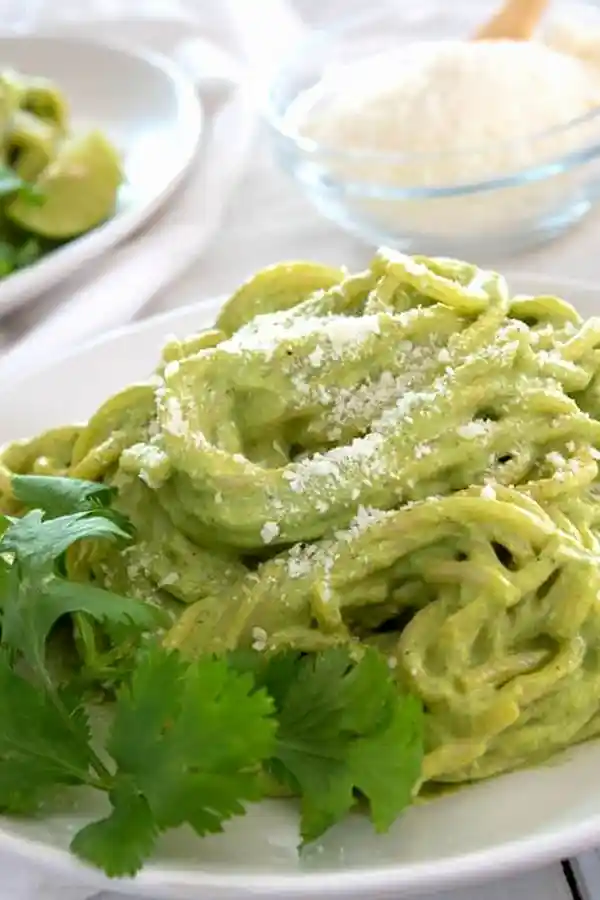
List of ingredients
- 1 lb spaghetti – the base of the dish.
- 1 tablespoon butter or olive oil – prevents the pasta from sticking.
- 4 poblano peppers – provide the primary flavor and color.
- 1 cup cilantro (leaves only) – adds a fresh, herbal note.
- ½ onion, roughly chopped – provides aromatic depth.
- 1 cup crema Mexicana or sour cream – creates a smooth, tangy base.
- 1 box (8 oz) cream cheese – adds richness and thickness.
- 3 cloves of garlic – adds pungent flavor.
- 1 cube chicken (or veggie) bouillon – enhances the savory profile.
- ½-1 cup milk or water – used to adjust sauce consistency.
- 1-2 serrano or jalapeño peppers (optional) – adds optional heat.
- Cotija cheese – used for the final salty garnish.
step-by-step instructions
- Cook the Pasta: Boil the spaghetti according to the package directions. Drain the pasta but make sure to reserve some of the starchy pasta water. Toss the cooked noodles with butter or olive oil to keep them separate.
- Prepare the Peppers: Roast the poblano peppers until the skin is charred. If you are using serrano or jalapeño peppers, you can roast them as well or leave them raw for a sharper heat.
- Blend the Sauce: Place the roasted peppers, cilantro, chopped onion, crema, cream cheese, garlic, bouillon cube, and ½ cup of milk or reserved pasta water into a blender. Blend the mixture until it is completely smooth and creamy.
- Combine and Serve: Pour the blended sauce into a large pot over medium-low heat and season with salt and pepper. Bring the sauce to a simmer, then stir in the cooked spaghetti until evenly coated. If the sauce is too thick, stir in additional milk or pasta water. Serve immediately with a garnish of Cotija cheese.
Expert Techniques for Roasting Peppers
Using a Gas Stove Flame
Place the whole poblano peppers directly on the metal grates over a medium-high open flame. Use metal tongs to rotate the peppers frequently so all sides become charred and blistered. This method provides a smoky depth that enhances the final sauce.
Using the Oven Broiler
Line a baking sheet with aluminum foil and place the peppers on top. Set the oven to broil on high and position the rack close to the heating element. Turn the peppers every few minutes until the skin is blackened and blistered all over.
Using an Outdoor Grill
Place the peppers directly over medium-high coals or gas burners. Grill them until the skins are charred, turning them regularly with tongs. This adds an extra layer of outdoor smokiness to the green sauce.
The Steaming Process for Easy Peeling
Once roasted, place the hot peppers immediately into a zip-lock bag or a bowl covered tightly with plastic wrap. Let them steam for 5 to 10 minutes. This process loosens the charred skin, making it easy to peel away without tearing the pepper flesh.
Removing Seeds and Stems
After steaming and peeling, slice the top off the pepper to remove the stem. Reach inside to scrape out the seeds and white membranes. Removing these parts ensures a smooth texture and prevents excessive bitterness in the sauce.
Optimizing the Sauce Consistency
Using Reserved Pasta Water
The starchy water from the spaghetti pot acts as an emulsifier when added to the sauce. It helps the creamy base cling to the noodles more effectively. Use this instead of plain water for a glossier finish.
Adjusting Thickness with Milk
If the sauce becomes too thick after simmering, gradually stir in milk. This thins the sauce while maintaining the creamy texture and rich color. Add the milk one tablespoon at a time until the desired consistency is reached.
Managing the Cream Cheese Texture
For the smoothest blend, ensure the cream cheese is at room temperature before adding it to the blender. Cold cream cheese can create small lumps that are difficult to blend. If using cold cheese, blend for an extra minute on high speed.
Balancing the Tanginess
Depending on whether you use crema Mexicana or sour cream, the acidity will vary. If the sauce tastes too tangy, a small pinch of sugar can balance the flavors. Conversely, a squeeze of lime juice can brighten the sauce if it feels too heavy.
Ingredient Substitutions and Alternatives
Substituting Crema Mexicana
If crema Mexicana is unavailable, sour cream or crème fraîche are the best alternatives. Crema Mexicana is thinner and less sour than American sour cream. If using sour cream, you may need to add a bit more milk to achieve the same fluidity.
Alternative Cheese Options
If you cannot find Cotija cheese for the garnish, use a salty crumbled Feta or a dry Ricotta Salata. These cheeses provide the same salty punch and crumbly texture. Avoid using melting cheeses like mozzarella for the garnish as they will not provide the same contrast.
Replacing the Bouillon Cube
For a different savory profile, you can use a teaspoon of concentrated vegetable base or a pinch of garlic salt and onion powder. If you prefer a cleaner taste, omit the bouillon and increase the salt and pepper according to your preference.
Gluten-Free Pasta Options
This sauce pairs well with brown rice pasta or chickpea pasta for a gluten-free version. Because gluten-free noodles can sometimes be mushy, cook them slightly under the package instructions. They will finish cooking as they simmer in the warm sauce.
Protein and Vegetable Additions
Adding Grilled Chicken
Marinate chicken breast in lime juice and cumin, then grill or pan-sear it. Slice the chicken into strips and toss them into the spaghetti just before serving. This transforms the dish from a side into a hearty main course.
Incorporating Sautéed Shrimp
Sauté shrimp in butter and minced garlic until pink and opaque. Fold the shrimp into the creamy green pasta at the very end of the process. The sweetness of the shrimp complements the mild heat of the poblanos.
Adding Baby Spinach for Nutrition
Stir two to three handfuls of fresh baby spinach into the hot sauce before adding the pasta. The heat from the sauce will wilt the spinach quickly. This adds extra vitamins and reinforces the vibrant green color of the dish.
Adding Sautéed Mushrooms
Brown sliced cremini or button mushrooms in a pan with a bit of butter and salt. Mix them into the spaghetti to add an earthy flavor and a meatier texture. This is an excellent option for those keeping the meal vegetarian.
Serving Suggestions and Pairings
Fresh Side Salads
Pair this rich pasta with a light, acidic salad to cut through the creaminess. A simple mix of romaine lettuce, sliced radishes, and a lime-vinaigrette works best. The acidity helps cleanse the palate between bites of the cheesy sauce.
Corn-Based Accompaniments
Serve the green spaghetti alongside Mexican street corn (Elotes) or a corn salad (Esquites). The sweetness of the corn balances the savory, roasted flavor of the poblano sauce. This combination creates a complete and traditional Mexican-inspired spread.
Garnish Ideas for Presentation
Beyond Cotija cheese, garnish the dish with sliced avocado or fresh cilantro leaves. A few rings of fresh jalapeño can add a pop of color and extra heat. A drizzle of extra virgin olive oil over the top adds a professional touch.
Storage and Reheating Guidelines
Refrigerating Leftovers
Store any remaining pasta in an airtight container in the refrigerator for up to three days. Ensure the container is completely sealed to prevent the sauce from absorbing other fridge odors. Let the pasta cool slightly before sealing the lid.
Avoid Freezing Cream-Based Pasta
It is not recommended to freeze this dish because the dairy components can separate. Upon thawing, the cream cheese and crema may break, resulting in a grainy texture. It is better to make fresh batches or store them in the fridge.
The Best Reheating Method
Reheat the pasta in a skillet over low to medium heat. Add a splash of milk or water to the pan to loosen the sauce and restore its creamy consistency. Stir gently to avoid breaking the spaghetti noodles.
Microwave Reheating Tips
If using a microwave, place the pasta in a microwave-safe bowl and add a teaspoon of water. Cover the bowl with a damp paper towel to trap the steam. Heat in 30-second intervals, stirring in between, to ensure even warming.
Troubleshooting Common Issues
Fixing a Separated Sauce
If the sauce looks grainy or separated, it is usually due to overheating the dairy. Whisk in a tablespoon of warm milk or a small knob of butter while stirring constantly. This helps re-emulsify the fats and smooth out the texture.
Reducing Excessive Heat
If the poblanos happened to be spicy and the dish is too hot, add more cream cheese or sour cream. The fats in the dairy neutralize the capsaicin in the peppers. Adding a bit more milk can also dilute the heat level.
Improving a Dull Color
If the sauce looks pale rather than vibrant green, blend in a small handful of fresh spinach or extra cilantro. Ensure you blend on high speed to incorporate the greens fully. Avoid overcooking the sauce, as prolonged heat can dull the color.
Frequently Asked Questions
Can I use a different type of pepper?
While poblanos are traditional for their mild, earthy flavor, you can use Anaheim peppers as a substitute. If you use bell peppers, you will lose the characteristic smokiness and mild heat, but the color will remain similar.
How do I make the sauce thinner?
The easiest way to thin the sauce is by adding reserved pasta water or milk. Stir these in gradually while the sauce is simmering until you reach your preferred thickness.
Can I make this dish vegan?
Yes, replace the butter with olive oil, the cream cheese with a plant-based cream cheese alternative, and the crema with cashew cream. Use vegan bouillon and a nutritional yeast-based crumble instead of Cotija cheese.
Does this dish store well for meal prep?
It stores well in the fridge for a few days, but the noodles may absorb some of the sauce over time. When reheating, simply add a bit of liquid to bring the creaminess back.
Print
Creamy Mexican Green Spaghetti
- Total Time: 45 minutes
- Yield: 8 servings 1x
- Diet: Vegetarian
Description
Mexican green spaghetti with a creamy, roasted poblano sauce!
Ingredients
- 1 lb spaghetti
- 1 tablespoon butter or olive oil
- 4 poblano peppers
- 1 cup cilantro (leaves only)
- ½ onion, roughly chopped
- 1 cup crema Mexicana or sour cream
- 1 box (8 oz) cream cheese
- 3 cloves of garlic
- 1 cube vegetable bouillon
- ½–1 cup milk or water
- 1–2 serrano or jalapeño peppers (optional)
- Cotija cheese, for garnish
Instructions
- Step 1: Cook the spaghetti according to the package instructions and drain, reserving some of the pasta water for later. Toss noodles with butter or olive oil so they don’t stick together.
- Step 2: Roast the poblanos. If using serrano or jalapeño peppers these can be roasted as well, or left raw.
- Step 3: Place the peppers in a blender along with the cilantro, onion, crema, cream cheese, garlic, vegetable bouillon and ½ cup of milk or reserved pasta water (and serranos or jalapeños, if using). Blend until smooth and creamy.
- Step 4: Pour into large pot over medium-low heat and season to taste with salt and pepper. Bring to a simmer, then add spaghetti and stir to coat. Add additional milk or pasta water if it gets too thick. Serve with cotija cheese, if desired.
Notes
To roast peppers: On a gas stove, place peppers on grates over open flame and turn until charred. On an electric stove, broil on a foil-lined sheet, turning until charred. After roasting, steam peppers in a zip-lock bag for 5-10 minutes before removing skin, stems, and seeds.
- Prep Time: 25 minutes
- Cook Time: 20 minutes
- Category: Entrees & Sides
- Method: Stovetop
- Cuisine: Mexican
Nutrition
- Serving Size: 1 serving
- Calories: 233 kcal
- Sugar: 3 g
- Sodium: 275 mg
- Fat: 14 g
- Saturated Fat: 7 g
- Unsaturated Fat: 5 g
- Trans Fat: 0 g
- Carbohydrates: 22 g
- Fiber: 2 g
- Protein: 6 g
- Cholesterol: 35 mg