
This quick pasta dish combines rich ricotta cheese with bursting cherry tomatoes for a comforting and satisfying meal. It is an ideal option for busy weeknights when you need a nutritious dinner prepared in under 30 minutes.
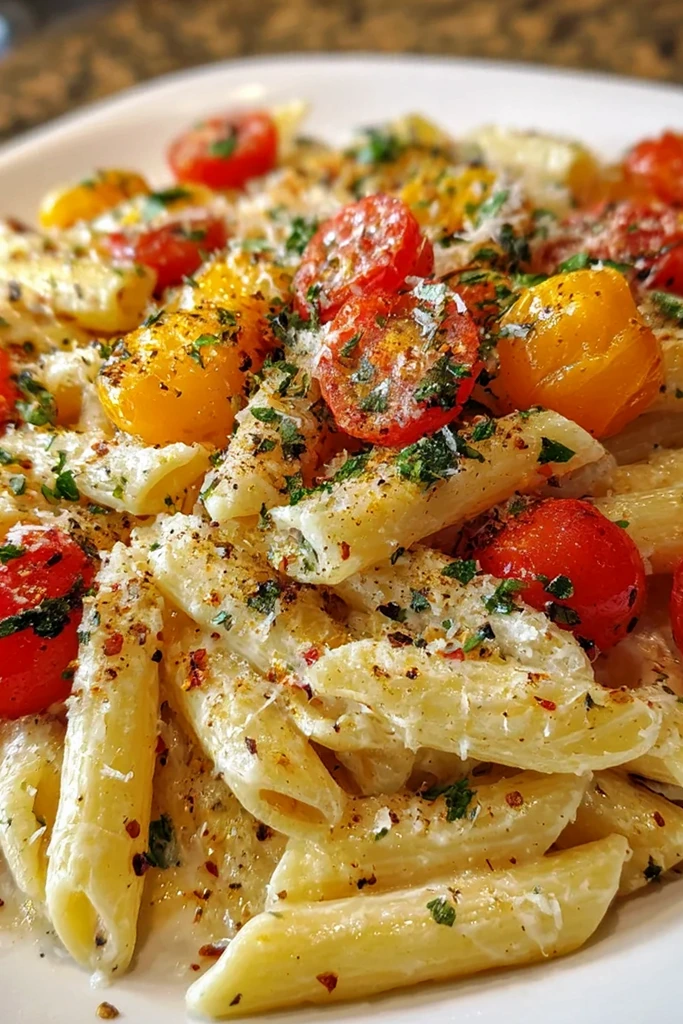
List of ingredients
- 12 ounces pasta (your choice) – choose a shape that holds sauce well.
- 1 cup ricotta cheese – use whole milk for maximum creaminess.
- 1 cup cherry tomatoes, halved – fresh tomatoes provide the best acidity.
- 2 tablespoons olive oil – use extra virgin for a richer flavor.
- 2 cloves garlic, minced – fresh garlic provides the most aromatic base.
- 1/2 cup fresh basil, chopped – adds a bright, peppery finish.
- 1/4 cup grated microbial-rennet Parmesan cheese – adds a salty, savory depth.
- Salt and pepper to taste – essential for balancing the creamy cheese.
- Red pepper flakes (optional) – adds a subtle heat to the dish.
step-by-step instructions
- Boil the pasta: Bring a large pot of salted water to a boil. Add the pasta and cook according to package instructions until al dente. Reserve 1 cup of pasta water before draining the pasta.
- Sauté the garlic: Heat olive oil in a large skillet over medium heat. Add the minced garlic and sauté for 1-2 minutes until fragrant, ensuring it does not brown too deeply.
- Cook the tomatoes: Add the halved cherry tomatoes to the skillet. Cook for 3-4 minutes, stirring occasionally, until they soften and begin to release their juices.
- Create the sauce: Reduce the heat to low and stir in the ricotta cheese, mixing until well combined. If the sauce is too thick, gradually stir in the reserved pasta water until the desired consistency is reached.
- Combine and season: Add the cooked pasta to the skillet and toss to coat thoroughly in the ricotta sauce. Stir in the fresh basil, grated Parmesan cheese, salt, and pepper. Sprinkle with red pepper flakes if desired.
- Final touch: Serve the pasta immediately. Garnish with additional fresh basil and Parmesan cheese for a professional presentation.
Professional Cooking Techniques for Success
Salt the Pasta Water Heavily
Salting the water is the only opportunity to season the pasta from the inside out. Use about one tablespoon of salt per gallon of water to ensure the noodles are flavorful before they even hit the sauce.
Master the Al Dente Texture
Cook your pasta for one to two minutes less than the package directions suggest. This ensures the pasta remains firm and finishes cooking inside the sauce, preventing it from becoming mushy.
Control the Garlic Temperature
Sauté garlic over medium-low heat to avoid burning. Burnt garlic becomes bitter and can overpower the delicate flavor of the ricotta cheese, so keep the garlic moving in the pan.
Utilize Pasta Water for Emulsification
The reserved pasta water contains starch that acts as a natural emulsifier. Adding it to the ricotta helps create a smooth, glossy sauce that clings to the pasta rather than sliding off.
Ingredient Alternatives and Substitutions
Choosing the Best Pasta Shape
Short, ridged pastas like penne, rigatoni, or fusilli are excellent for capturing the thick ricotta sauce. If using long pasta like spaghetti or linguine, ensure you toss the noodles thoroughly to achieve an even coating.
Substituting Ricotta Cheese
If ricotta is unavailable, you can use blended cottage cheese for a similar texture and high protein content. Mascarpone offers a richer, denser alternative, though it may require more pasta water to thin the sauce.
Swapping Fresh Tomatoes
Grape tomatoes can be used as a direct replacement for cherry tomatoes. If fresh tomatoes are out of season, use a high-quality canned diced tomato, though you should drain the excess liquid first.
Alternative Herb Options
Fresh parsley or oregano can replace basil for a different aromatic profile. If you must use dried basil, use only one-third of the amount specified, as dried herbs are more concentrated than fresh.
Creative Flavor Variations
Adding Leafy Greens
Stir in two cups of fresh baby spinach or chopped kale during the final tossing stage. The residual heat from the pasta will wilt the greens perfectly without overcooking them.
Incorporating Summer Vegetables
Sauté diced zucchini or yellow squash along with the cherry tomatoes. This adds volume and nutritional value while complementing the creamy nature of the cheese.
Adding Hearty Proteins
To make the dish more filling, add grilled chicken strips, sautéed shrimp, or canned chickpeas. Cook the protein separately and stir it in at the end to maintain the correct texture.
Experimenting with Heat Levels
For a more intense spicy kick, replace red pepper flakes with finely diced fresh jalapeños or a teaspoon of harissa paste. This transforms the dish into a bold, zesty meal.
Optimal Serving and Pairing Suggestions
Pairing with Acidic Side Salads
A light arugula salad with a lemon-olive oil vinaigrette provides a sharp contrast to the rich ricotta. The acidity helps cleanse the palate between bites of the creamy pasta.
Selecting the Right Bread
Serve the pasta with warm garlic focaccia or a crusty ciabatta loaf. This allows you to scoop up any remaining sauce left on the plate.
Garnishing for Visual Appeal
Add a drizzle of high-quality balsamic glaze over the plated pasta for a sweet and tangy finish. A final sprinkle of freshly cracked black pepper enhances the overall aroma.
Storage and Reheating Guidelines
Proper Refrigeration Methods
Store leftover pasta in an airtight container in the refrigerator for up to three days. Ensure the pasta is cooled slightly before sealing to prevent excessive condensation.
Stovetop Reheating Process
Avoid the microwave, as it can make the ricotta separate or the pasta dry. Reheat the dish in a skillet over low heat, adding a tablespoon of milk or water to restore the creamy consistency.
Freezing Considerations
It is not recommended to freeze this dish, as the ricotta cheese can change texture and become grainy upon thawing. For best results, consume the meal within the refrigeration window.
Expert Troubleshooting and FAQs
Why is my ricotta sauce grainy?
Graininess often occurs if the ricotta is heated too quickly or at too high a temperature. Always reduce the heat to low before stirring in the cheese to keep the emulsion smooth.
How do I fix a sauce that is too thick?
Gradually whisk in the reserved pasta water one tablespoon at a time. Continue stirring until the sauce reaches a creamy, pourable consistency that coats the pasta evenly.
Can I use frozen vegetables in this recipe?
Yes, frozen peas or corn work well. Add them to the skillet at the same time as the tomatoes to ensure they are fully heated through before the cheese is added.
What can I use if I don’t have Parmesan?
Pecorino Romano is a great alternative for a saltier taste, while a sprinkle of nutritional yeast can provide a similar savory, nutty flavor for those avoiding certain cheeses.
How do I prevent the basil from turning brown?
Always add fresh basil at the very end of the cooking process. Excessive heat causes the volatile oils in basil to break down, leading to a loss of color and flavor.
Print
Creamy Ricotta Pasta with Fresh Cherry Tomatoes
- Total Time: 25 minutes
- Yield: 4 servings 1x
- Diet: Vegetarian
Description
A quick and delightful pasta dish made with creamy ricotta cheese and fresh ingredients.
Ingredients
- 12 ounces pasta (your choice)
- 1 cup ricotta cheese
- 1 cup cherry tomatoes, halved
- 2 tablespoons olive oil
- 2 cloves garlic, minced
- 1/2 cup fresh basil, chopped
- 1/4 cup grated Parmesan cheese
- Salt and pepper to taste
- Red pepper flakes (optional)
Instructions
- Step 1: Bring a large pot of salted water to a boil. Add the pasta and cook according to package instructions until al dente. Reserve 1 cup of pasta water, then drain the pasta.
- Step 2: In a large skillet, heat olive oil over medium heat. Add the minced garlic and sauté for 1-2 minutes, or until fragrant.
- Step 3: Add the halved cherry tomatoes to the skillet and cook for 3-4 minutes, or until they start to soften.
- Step 4: Reduce the heat to low and stir in the ricotta cheese, mixing until well combined. If the sauce is too thick, gradually add reserved pasta water until you reach your desired consistency.
- Step 5: Add the cooked pasta to the skillet and toss to coat in the ricotta sauce. Stir in the fresh basil, grated Parmesan cheese, salt, and pepper. If desired, sprinkle with red pepper flakes for a bit of heat.
- Step 6: Serve immediately, garnished with additional basil and Parmesan if desired.
Notes
Feel free to add other vegetables like spinach or zucchini for extra nutrition. This dish can be enjoyed warm or at room temperature. Store leftovers in an airtight container in the refrigerator for up to 3 days.
- Prep Time: 10 minutes
- Cook Time: 15 minutes
- Category: Pasta
- Method: Stovetop
- Cuisine: Italian
Nutrition
- Serving Size: 1 serving
- Calories: 400 kcal
- Sugar: 2 g
- Sodium: 250 mg
- Fat: 17 g
- Saturated Fat: 4 g
- Unsaturated Fat: 10 g
- Trans Fat: 0 g
- Carbohydrates: 50 g
- Fiber: 3 g
- Protein: 15 g
- Cholesterol: 20 mg