
This vibrant Mexican spaghetti recipe is a clever weeknight solution that merges the comfort of classic pasta with the bold, savory flavors of a traditional taco feast. By combining hearty ground beef, tender noodles, and a rich tomato base in a single skillet, you minimize cleanup while maximizing flavor depth. Perfect for busy households, this dish delivers a satisfying, one-pot meal that requires minimal preparation and provides excellent results every time you crave a fast and delicious dinner.
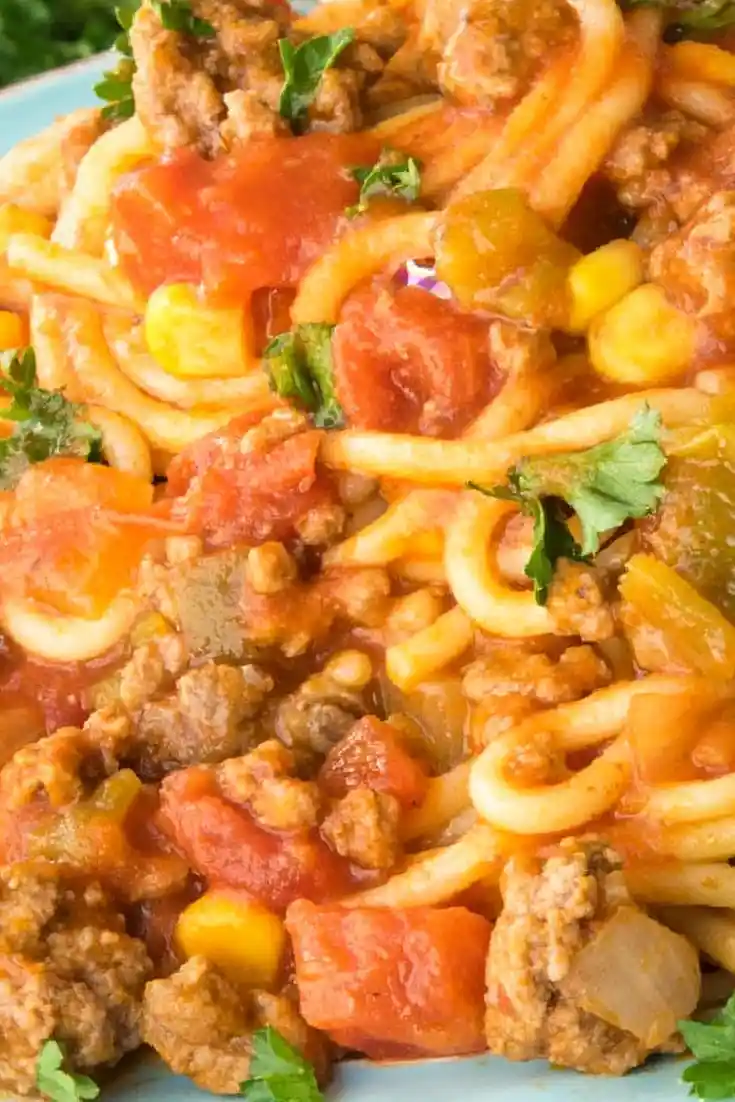
List of ingredients
- 1 pound ground beef
- 1 medium yellow onion
- 1 envelope taco seasoning
- 1 (7-ounce) can diced green chilies (undrained)
- 1 (14.5-ounce) can diced tomatoes (undrained)
- 1 cup frozen corn (thawed and drained)
- 1 (8-ounce) can tomato sauce
- 2 3/4 cups water
- 8 ounces dried spaghetti noodles (broken into thirds)
- 1 cup cheddar cheese (grated)
step-by-step instructions
- Step: In a large skillet over medium heat, brown beef and onion until there is no longer any pink in the beef. Drain off any fat.
- Step: Stir in taco seasoning, green chilies, diced tomatoes, corn, tomato sauce, and water and bring to a boil.
- Step: Stir in spaghetti noodles. Reduce the heat and simmer, covered, for 20-25 minutes or until the pasta is al dente.
- Step: Sprinkle with cheese and serve.
Practical Preparation and Cooking Tips
Choosing the Ideal Skillet Size
Selecting the right cooking vessel is crucial for achieving an even cook on your pasta. A 12-inch wide, deep-sided skillet is the best choice because it provides enough surface area for the noodles to lie relatively flat in the liquid. If the pan is too small, the pasta will stack up, causing some sections to remain crunchy while others turn mushy. If you find your pan is getting crowded, don’t worry about keeping the noodles straight; as long as they are submerged, they will soften and integrate into the sauce perfectly.
The Importance of Pasta Length
While standard long spaghetti is the base of this recipe, breaking it into thirds is a functional requirement for the one-pot method. Because the pasta is cooked inside the pan with the sauce rather than in a separate pot of boiling water, the shorter pieces are significantly easier to maneuver and stir. If you prefer using a different shape, such as rotini or penne, they also work excellently in this recipe as their structure handles the one-pot cooking process very well without requiring as much frequent stirring.
Achieving the Perfect Sauce Consistency
The liquid-to-pasta ratio is carefully balanced, but the intensity of your burner can influence evaporation rates. If you notice the sauce is thickening faster than the noodles are cooking, you must add more liquid immediately to prevent burning on the bottom of the pan. Warm water is best, but a splash of beef broth can add an extra layer of savory depth to the final flavor profile. Always ensure the lid is properly seated to trap the steam, which is the secret to cooking the pasta evenly without having to boil it in a separate pot.
Substitutions and Dietary Adjustments
Alternative Protein Options
While ground beef is the traditional choice for this flavor profile, you can easily adapt the recipe to suit your pantry or dietary preferences. Ground turkey or lean ground chicken are fantastic, lighter alternatives that absorb the taco seasoning just as well as beef. For those who want to use leftover proteins, shredded rotisserie chicken or diced cooked poultry can be stirred in during the final five minutes of cooking. This prevents the pre-cooked meat from becoming tough while ensuring it is heated through and infused with the sauce’s flavors.
Adapting for Gluten-Free Needs
Gluten-free pasta can be used in this recipe with a few adjustments to the technique. Because these varieties of noodles often starch up the cooking liquid more quickly, you should keep extra water on hand during the cooking process. Be very gentle when stirring the gluten-free pasta, as it tends to be more fragile than standard wheat noodles. Aim for a slightly shorter cook time, as gluten-free pasta can go from al dente to soft very quickly in a one-pot setting.
Vegetable and Low-Carb Variations
If you are looking to increase the vegetable content, feel free to fold in diced bell peppers or black beans during the initial sauté step. These ingredients add fiber and color without distracting from the primary Mexican-inspired theme. For those following a lower-carb lifestyle, you can substitute the spaghetti with spiralized zucchini or pre-cooked spaghetti squash. If using these vegetables, skip the 2 3/4 cups of water and instead simmer the sauce base until thickened, then toss the vegetables in at the very end until just heated through.
Serving and Presentation Ideas
Complementary Side Dish Pairings
This dish is incredibly filling, so it pairs best with lighter sides that provide a refreshing contrast to the rich, savory sauce. A crisp green salad topped with a lime-cilantro vinaigrette acts as a palate cleanser against the hearty beef and cheese. You might also consider serving fresh cucumber slices or a simple slaw made with shredded cabbage, lime juice, and a pinch of salt to brighten up the meal. These textures provide a crunch that complements the softness of the pasta.
Enhancing the Topping Station
Customizing the final bowl at the table allows every family member to adjust the flavor to their liking. Offering a spread of toppings can turn this weeknight dinner into a fun, interactive event. Consider bowls of sour cream, diced avocados, chopped cilantro, pickled jalapeños, and extra lime wedges. A sprinkle of fresh green onions or even some toasted pumpkin seeds can add a wonderful professional touch and a burst of vibrant flavor to the finished plate.
Storage and Troubleshooting
Managing Leftovers and Reheating
Leftovers should be stored in an airtight container in the refrigerator for up to 4 days. Because pasta continues to absorb liquid as it cools, the mixture will likely thicken in the fridge. When reheating, it is essential to add a tablespoon or two of water to the pan or bowl before warming it up. This restores the creamy, saucy texture and ensures the noodles don’t dry out. Reheat gently over low heat on the stovetop, stirring frequently, rather than using high-heat microwave settings which can result in uneven temperature pockets.
Common Troubleshooting Questions
Why is my pasta still hard after the suggested time?
This usually happens due to excessive moisture evaporation or the heat level being too high, which prevents the noodles from softening through. Simply add 2 to 4 tablespoons of warm water, cover the lid tightly, and continue to simmer for an additional 3 to 5 minutes. Check the noodles frequently and ensure your burner is set to a low simmer rather than a rapid boil, as a gentle simmer is the key to perfectly cooked pasta in this one-pot method.
Can I make this dish ahead of time?
While this recipe is best enjoyed immediately after cooking when the cheese is fresh and melty, you can prepare it up to the point where the beef and sauce are ready. If you need to make it ahead for a busy evening, cook the meat and prepare the sauce base, but wait to add the pasta and the final water until you are ready to serve. This prevents the pasta from sitting in the liquid and becoming overcooked or mushy during storage, ensuring that the texture remains firm and appetizing when it finally hits the table.
How do I achieve a deeper flavor without extra heat?
If you want a bolder, more complex flavor profile without increasing the spice level, focus on the quality of your aromatics. Sautéing the onion until it is deeply caramelized before adding the beef can add a natural sweetness and depth. Additionally, incorporating a teaspoon of tomato paste during the browning phase can concentrate the savory tomato profile, resulting in a richer base. Using a homemade taco seasoning blend also allows you to control the ratio of cumin, oregano, and garlic powder, letting you create a personalized seasoning profile that perfectly hits the spot for your family’s preferences.
Print
Easy Mexican Spaghetti Skillet
- Total Time: PT45M
- Yield: 4 servings 1x
- Diet: High Protein
Description
Mexican Spaghetti brings south-of-the-border spices to a down-home staple — all in one magical, easy-to-clean pot! The best food to brighten a hard day.
Ingredients
- 1 pound ground beef
- 1 medium yellow onion
- 1 envelope taco seasoning
- 1 (7-ounce) can diced green chilies (undrained)
- 1 (14.5-ounce) can diced tomatoes (undrained)
- 1 cup frozen corn (thawed and drained)
- 1 (8-ounce) can tomato sauce
- 2 3/4 cups water
- 8 ounces dried spaghetti noodles (broken into thirds)
- 1 cup cheddar cheese (grated)
Instructions
- Step: In a large skillet over medium heat, brown beef and onion until there is no longer any pink in the beef. Drain off any fat.
- Step: Stir in taco seasoning, green chilies, diced tomatoes, corn, tomato sauce, and water and bring to a boil.
- Step: Stir in spaghetti noodles. Reduce the heat and simmer, covered, for 20-25 minutes or until the pasta is al dente.
- Step: Sprinkle with cheese and serve.
Notes
Substitute ground beef with ground turkey or chicken if preferred. For gluten-free needs, use your favorite gluten-free pasta, adjusting the cooking time as necessary.
- Prep Time: PT15M
- Cook Time: PT30M
- Category: Main Course
- Method: Stovetop
- Cuisine: Mexican
Nutrition
- Serving Size: 1 serving
- Calories: 721 kcal
- Sugar: 10 g
- Sodium: 1402 mg
- Fat: 34 g
- Saturated Fat: 14 g
- Unsaturated Fat: 14 g
- Trans Fat: 0 g
- Carbohydrates: 69 g
- Fiber: 7 g
- Protein: 37 g
- Cholesterol: 109 mg