
This vibrant pasta dish highlights the natural sweetness of peak-season red and yellow cherry tomatoes. By slowly simmering the tomatoes in olive oil, you create a rustic, light sauce that coats each strand of spaghetti perfectly. It is a reliable, crowd-pleasing meal that relies on minimal ingredients to achieve maximum flavor impact.
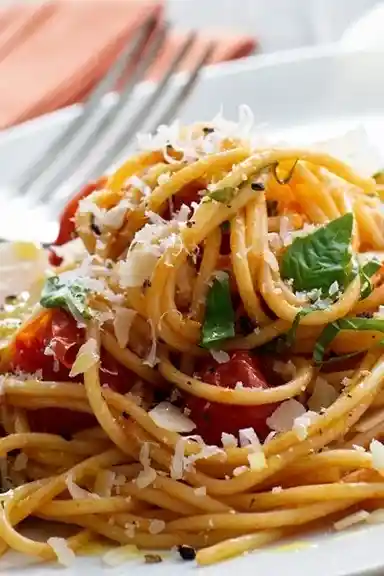
List of ingredients
- 1 pound dried spaghetti pasta
- ½ cup extra-virgin olive oil
- 1 shallot, minced
- 2 cloves garlic, peeled and smashed
- 2 pints red cherry tomatoes
- 1 pint small yellow tomatoes
- 1 teaspoon kosher salt
- 2 cups finely grated Parmesan cheese
- 1 cup thinly sliced basil
step-by-step instructions
- Step: Bring a large pot of water to a boil and salt generously. Cook the spaghetti to al dente and reserve 1 cup of pasta water.
- Step: In a large skillet, heat the olive oil over medium heat and sauté the shallot and garlic, about 2 minutes.
- Step: Add the tomatoes and salt and reduce the heat to medium low. Simmer the mixture until the tomatoes are slightly popped, 15 to 20 minutes.
- Step: Add the pasta, Parmesan, pasta water, and basil and toss thoroughly with tongs. Serve warm or at room temperature.
Refining Your Tomato Sauce Texture
Selecting The Right Tomato Size
Smaller cherry or grape tomatoes work best for this recipe because they contain a higher ratio of skin to flesh, which creates a more textured sauce. When the skins break down during the 20-minute simmer, they provide body that helps the sauce cling to the spaghetti. If using larger cherry tomatoes, consider slicing them in half before cooking to accelerate the release of their juices.
The Role Of Starchy Pasta Water
The reserved pasta water is essentially liquid gold in this recipe. The starch released by the spaghetti into the boiling water acts as an emulsifier that helps the olive oil and Parmesan bind together into a cohesive sauce rather than remaining separate components. Always start with a small splash and add more only if the pasta appears dry during the final tossing phase.
Optimal Ingredient Choices
Quality Olive Oil Selection
Since the sauce relies heavily on the fat source for flavor, choose a high-quality extra-virgin olive oil that you enjoy tasting on its own. Avoid refined oils that lack the peppery notes typical of good quality cold-pressed varieties. A peppery oil pairs particularly well with the acidity of the cooked tomatoes and the sharp saltiness of the Parmesan cheese.
Fresh Versus Dried Basil
Always use fresh basil for this recipe to ensure the finished dish feels light and summery. Dried basil lacks the volatile oils that provide the cooling, peppery finish necessary to cut through the richness of the cheese and olive oil. If fresh basil is unavailable, you can substitute with fresh Italian parsley, though the flavor profile will shift significantly toward a more vegetal, mild note.
Serving And Presentation
Balancing The Temperature
While this dish is excellent when served piping hot directly from the pan, it also performs well at room temperature. The fats from the olive oil and Parmesan remain stable and delicious as the temperature drops slightly, making this an ideal option for indoor dining or warm-weather gatherings. If serving later, simply give the pasta a quick toss with a little extra warm water to loosen it up before serving.
Enhancing The Plating
For an elevated look, consider reserving a few of the most vibrant, intact cherry tomatoes from the pan to place on top of each serving. A final light dusting of Parmesan and a few extra slivers of whole basil leaves will make each bowl look professionally prepared. Ensure you are using deep, wide pasta bowls to allow the sauce to pool at the bottom rather than running off the sides.
Storing And Refreshing
Fridge Storage Guidelines
Leftover spaghetti should be stored in an airtight container in the refrigerator for no more than three days. Because this recipe uses fresh cheese and tomatoes, the quality will begin to decline if kept longer. Ensure the pasta is completely cooled before sealing it to prevent excess condensation from making the noodles soggy.
Gentle Reheating Techniques
When reheating, avoid using high microwave settings, which can turn the pasta rubbery and break the sauce emulsion. Instead, place the pasta in a skillet with a tablespoon of water over low heat, tossing it gently until it is warmed through. This method allows the sauce to re-emulsify rather than separating into a pool of oil at the bottom of the pan.
Common Questions Regarding This Recipe
Can I use a different type of pasta?
Yes, you can use almost any long-strand pasta like linguine or bucatini effectively. Avoid using very small pasta shapes like orzo or acini de pepe, as they will not provide the same surface area for the sauce to cling to as the long spaghetti strands. If using a thicker noodle, simply adjust the cooking time as directed on the package to maintain the al dente texture.
Why did my sauce become oily?
A separated, oily sauce usually occurs if there wasn’t enough starchy pasta water added during the final toss. The starch acts as the bridge between the fat in the oil and the moisture from the tomatoes. If the sauce looks separated, add another small ladle of hot pasta water and continue to vigorously toss the pasta over the heat until the liquid incorporates into a creamy coating.
Can this be made without cheese?
While the Parmesan provides a crucial salty and umami depth, you can omit it if you prefer a dairy-free version. To compensate for the loss of flavor, increase the amount of salt slightly or add a splash of balsamic glaze or a teaspoon of nutritional yeast for an alternative savory note. If you just need a vegetarian-friendly option, ensure the cheese used is produced with non-animal based enzymes.
Should I remove the garlic cloves?
The smashed garlic cloves are intended to be eaten or pushed to the side based on personal preference. They provide a mellow, slow-roasted flavor that is quite different from minced garlic. If you prefer a stronger garlic presence throughout, feel free to finely mince the cloves instead, but monitor the pan closely to ensure they do not burn while the shallots are sweating.
Print
Fresh Cherry Tomato Spaghetti
- Total Time: 35 minutes
- Yield: 6 servings 1x
- Diet: Vegetarian
Description
A fresh and vibrant pasta dish featuring bursting cherry and sun gold tomatoes, aromatic garlic, shallots, and fragrant basil, finished with savory Parmesan cheese.
Ingredients
- 1 pound dried spaghetti pasta
- ½ cup extra-virgin olive oil
- 1 shallot, minced
- 2 cloves garlic, peeled and smashed
- 2 pints red cherry tomatoes
- 1 pint small yellow tomatoes
- 1 teaspoon kosher salt
- 2 cups finely grated Parmesan cheese
- 1 cup thinly sliced basil
Instructions
- Step: Bring a large pot of water to a boil and salt generously. Cook the spaghetti to al dente and reserve 1 cup of pasta water.
- Step: In a large skillet, heat the olive oil over medium heat and sauté the shallot and garlic, about 2 minutes.
- Step: Add the tomatoes and salt and reduce the heat to medium low. Simmer the mixture until the tomatoes are slightly popped, 15 to 20 minutes.
- Step: Add the pasta, Parmesan, pasta water, and basil and toss thoroughly with tongs. Serve warm or at room temperature.
Notes
Ensure you reserve the pasta water, as the starch helps emulsify the sauce and coats the spaghetti perfectly.
- Prep Time: 5 minutes
- Cook Time: 30 minutes
- Category: Main Course
- Method: Stovetop
- Cuisine: Italian inspired
Nutrition
- Serving Size: 1.5 cups
- Calories: 480 kcal
- Sugar: 6 g
- Sodium: 550 mg
- Fat: 22 g
- Saturated Fat: 6 g
- Unsaturated Fat: 14 g
- Trans Fat: 0 g
- Carbohydrates: 58 g
- Fiber: 4 g
- Protein: 14 g
- Cholesterol: 15 mg