
This quick and flavorful pasta dish combines tender broccoli, aromatic garlic, and a bright touch of lemon. It is an ideal weeknight meal that delivers a sophisticated Italian-inspired flavor profile in under 40 minutes.
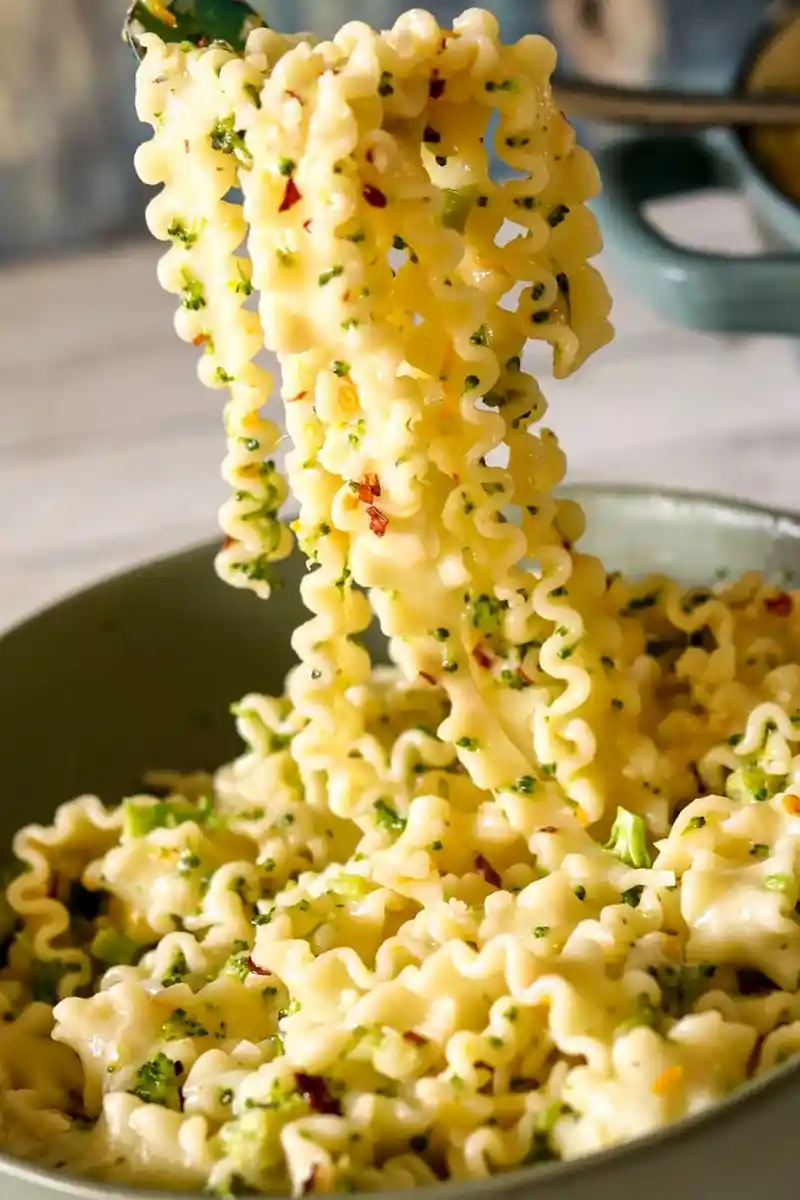
List of ingredients
- 1 lb Mafalda Pasta – a ruffled shape that captures the sauce effectively.
- 4 tbsp Salted Butter (divided) – provides a rich, creamy base.
- 2 tbsp Olive Oil – helps prevent the butter from burning during sautéing.
- 1/2 tsp Red Pepper Flakes – adds a subtle, warming heat to the dish.
- 1 large head Fresh Broccoli (finely chopped) – the primary vegetable component.
- 10 Cloves Garlic (finely chopped) – provides a bold, savory aromatic depth.
- 1/2 cup Vegetable Broth – used to deglaze the pan and add savory flavor.
- 1 whole Lemon (zested and juiced) – brings essential acidity and brightness.
- 2 cups Parmesan Cheese (divided) – adds a salty, nutty finish.
step-by-step instructions
- Boil the Pasta: Cook the pasta in a large pot of heavily salted water until al dente. Before draining, reserve at least two cups of the starchy pasta water for the sauce.
- Sauté Aromatics: In a large nonstick skillet over medium-high heat, combine 2 tablespoons of salted butter, 2 tablespoons of olive oil, and the red pepper flakes. Cook for 2-3 minutes until the butter is melted and the flakes begin to sizzle.
- Cook Vegetables: Immediately stir in the finely chopped broccoli and minced garlic with a pinch of salt. Sauté until the garlic is fragrant and the broccoli is well-coated.
- Deglaze the Pan: Pour in the vegetable broth and stir well. Let the mixture simmer and reduce for approximately 3 minutes to concentrate the flavors.
- Combine Ingredients: Add the drained pasta to the skillet along with the remaining 2 tablespoons of butter, lemon zest, lemon juice, and 1 cup of parmesan cheese. Stir everything together.
- Emulsify the Sauce: Gradually pour in the reserved pasta water, stirring constantly. Continue this process until the noodles have a glossy finish and the sauce perfectly coats the pasta.
- Final Garnish: Plate the pasta and top each serving with additional parmesan cheese and a pinch of red pepper flakes for extra flavor and visual appeal.
Selecting the Best Pasta Shapes
Why Mafalda is Recommended
Mafalda pasta is characterized by its wide ribbons and ruffled edges. These curls are perfect for trapping small bits of chopped broccoli and thick parmesan sauce, ensuring every bite is flavorful. It provides a satisfying chew that complements the tenderness of the vegetables.
Alternative Curly Pasta Options
If Mafalda is unavailable, fusilli or rotini are excellent substitutes. Their spiral shapes act similarly by catching the sauce in their grooves. Gemelli is another great choice for those who prefer a tighter, twisted noodle.
Using Shells or Penne
Large shells can scoop up the broccoli florets, making the dish easier to eat. Penne is a sturdy alternative that works well, though it lacks the surface area of ruffled pastas. Regardless of the shape, ensure the pasta is cooked al dente to maintain its structure.
Broccoli Preparation Techniques
Achieving a Fine Chop
For the best texture, chop the broccoli into very small, almost shaved pieces. This allows the broccoli to integrate into the sauce rather than remaining as large, separate chunks. It ensures a more consistent distribution of flavor across the pasta.
Utilizing the Broccoli Stems
Do not discard the stems of the broccoli head. Peel the tough outer skin with a vegetable peeler and finely dice the tender inner core. These stems provide a satisfying crunch and reduce food waste in the kitchen.
Using Frozen Broccoli
If using frozen broccoli, thaw the florets completely and pat them dry with a paper towel. Sauté them slightly longer than fresh broccoli to evaporate excess moisture. This prevents the final sauce from becoming too watery.
Mastering the Flavor Profile
The Role of Fresh Garlic
Using ten cloves of garlic may seem like a lot, but it creates the foundational savoriness of the dish. Freshly minced garlic provides a sharper, more authentic taste than jarred versions. Ensure the garlic is chopped finely to avoid large, pungent pieces.
Balancing Acidity with Lemon
The lemon zest provides aromatic oils, while the juice provides the actual acid. Zesting the lemon before juicing it is much easier and ensures you get the most flavor. The acidity cuts through the richness of the butter and parmesan.
Controlling the Heat Level
Red pepper flakes add a subtle glow of heat that balances the creamy cheese. If you prefer a milder dish, reduce the amount to a quarter teaspoon. To increase the spice, add an extra pinch of flakes during the final garnishing step.
The Secret to a Glossy Sauce
Using Starchy Pasta Water
Pasta water is essential for creating a professional-grade emulsion. The starch released from the noodles binds the fats from the butter and oil with the liquids in the pan. This transforms a simple butter sauce into a creamy, glossy coating.
Emulsifying the Cheese
Adding the parmesan gradually while stirring vigorously helps the cheese melt smoothly. If added too quickly over high heat, the cheese can clump or become oily. The combination of pasta water and constant stirring ensures a smooth consistency.
Preventing Sauce Separation
If the sauce looks separated or greasy, add a small splash of pasta water and stir rapidly over medium heat. This re-incorporates the fats into the sauce. Keeping the heat at a steady medium prevents the butter from breaking.
Ingredient Substitutions and Adaptations
Dairy-Free Alternatives
For a vegan version, replace the butter with a plant-based butter substitute or extra olive oil. Use nutritional yeast or a vegan parmesan alternative to achieve the cheesy, salty flavor. Ensure the chosen pasta is egg-free.
Replacing the Broth
While vegetable broth is the recommended substitute for wine, a light chicken broth also works well for those who consume poultry. In a pinch, a combination of water and a small amount of soy sauce can add the necessary umami depth.
Different Cheese Variations
Pecorino Romano is a great substitute for Parmesan if you prefer a saltier, tangier taste. Grana Padano is a milder alternative that provides a similar texture. Avoid using pre-shredded cheeses, as they often contain anti-clumping agents that hinder sauce smoothness.
Protein Pairing Suggestions
Adding Grilled Chicken
Sliced grilled chicken breast is a natural partner for lemon and garlic. Cook the chicken separately and toss it in at the very end. This adds lean protein and makes the meal more filling.
Incorporating Seafood
Shrimp or scallops pair beautifully with the brightness of the lemon. Sauté the seafood in the same pan before adding the broccoli to infuse the oil with seafood flavor. Keep the seafood lightly seared to avoid overcooking.
Plant-Based Protein Additions
Canellini beans or chickpeas can be stirred into the pasta for added fiber and protein. These legumes soak up the garlic-lemon sauce and add a creamy texture. Roast them first for a bit of added contrast.
Cooking Tips for Success
Preventing Garlic from Burning
Garlic burns quickly and becomes bitter. To avoid this, add the chopped broccoli at the same time as the garlic. The moisture and bulk of the broccoli help regulate the temperature of the pan, protecting the garlic.
Ensuring Al Dente Pasta
Cook the pasta for one to two minutes less than the package directions. The noodles will continue to cook when they are tossed in the hot skillet with the sauce. This prevents the pasta from becoming mushy.
Managing Pan Temperature
Use a large nonstick skillet to ensure the broccoli and pasta have enough room to move. Overcrowding the pan can lead to steaming instead of sautéing. Maintain a medium-high heat for the initial sear and medium for the final emulsification.
Serving and Presentation Ideas
Complementary Side Dishes
A light arugula salad with a simple balsamic vinaigrette provides a peppery contrast to the rich pasta. Roasted cherry tomatoes or sautéed spinach also complement the Italian flavor profile. A side of crusty sourdough bread is perfect for soaking up extra sauce.
Plating for Visual Appeal
Use a wide pasta bowl to allow the noodles to spread out. Top the dish with a fresh sprinkle of parmesan and a few whole broccoli florets for height. A final drizzle of high-quality extra virgin olive oil adds a professional touch.
Adding Fresh Herbs
Freshly chopped parsley added just before serving brings a bright, grassy note. Basil is another excellent option that adds a traditional sweetness. Stir the herbs in at the very end to preserve their color and flavor.
Storage and Reheating Guide
Refrigerator Storage
Store leftover pasta in an airtight container in the refrigerator for up to three days. The pasta will likely absorb the sauce as it sits, which may make it seem drier than when first served.
Best Reheating Practices
Avoid reheating in the microwave if possible, as this can dry out the noodles. Instead, place the pasta in a skillet over medium heat. Add a tablespoon of water or vegetable broth to loosen the sauce and restore the glossy finish.
Freezing Considerations
This recipe is not ideal for freezing due to the butter-based sauce and fresh lemon. The emulsion often breaks upon thawing, and the broccoli may lose its texture. For the best quality, consume the dish within a few days.
Troubleshooting Common Issues
What to do if the sauce is too thin?
If the sauce is too watery, simmer the broccoli mixture for another two to three minutes before adding the pasta. Adding an extra tablespoon of parmesan cheese will also help thicken the consistency through the protein in the cheese.
What to do if the sauce is too thick?
Gradually add the reserved pasta water one tablespoon at a time. Stir vigorously to ensure the water is fully incorporated into the fats. This will thin the sauce while maintaining its creaminess.
How to handle overcooked broccoli?
If the broccoli becomes too soft, you can use an immersion blender to blend a portion of the broccoli and sauce. This creates a thick, creamy broccoli puree that coats the pasta, hiding the texture issues.
Frequently Asked Questions
Can I use a different type of lemon?
Yes, Meyer lemons are a great alternative as they are sweeter and more floral. Standard Eureka or Lisbon lemons provide a sharper, more traditional acidity. Both work well depending on your taste preference.
How do I store leftover lemon zest?
Store leftover zest in a small, airtight container in the freezer. It will maintain its aromatic oils for several weeks. Simply sprinkle it over other dishes or stir it into dressings.
Can this recipe be made without butter?
Yes, you can use olive oil or a vegan butter substitute. While the flavor will be slightly less rich, the lemon and garlic will still provide a robust taste. Increase the olive oil by one tablespoon if omitting the butter.
Print
Garlic Broccoli Pasta with Lemon and Parmesan
- Total Time: 35 minutes
- Yield: 4 servings 1x
- Diet: General
Description
This simple yet delicious broccoli pasta recipe with parmesan, garlic, red pepper flakes and lemon is super flavorful and easy to throw together.
Ingredients
- 1 lb Mafalda Pasta
- 4 tbsp Salted Butter, divided
- 2 tbsp Olive Oil
- 1/2 tsp Red Pepper Flakes
- 1 large head Fresh Broccoli, finely chopped
- 10 Cloves Garlic, finely chopped
- 1/2 cup vegetable broth
- 1 whole Lemon, zested and juiced
- 2 cups Parmesan Cheese, divided
Instructions
- Step 1: Boil pasta al dente in heavily salted water according to directions. Drain and reserve at least two cups of pasta water.
- Step 2: Add 2 tbsp salted butter, 2 tbsp olive oil and red pepper flakes to a large nonstick skillet over medium-high heat. Cook for 2-3 minutes until the butter has dissolved and the red pepper flakes are beginning to sizzle. Immediately add finely chopped broccoli, garlic and a pinch of salt then stir until everything’s mixed together.
- Step 3: Add vegetable broth to the broccoli mixture and let it cook down and reduce for another 3 minutes.
- Step 4: Add the strained, al dente pasta to the broccoli skillet and add the remaining 2 tbsp of butter, the lemon zest, lemon juice, and 1 cup parmesan cheese and stir. Add reserved pasta water, little by little, and keep stirring until each noodle has a glossy finish and is coated with the broccoli mixture.
- Step 5: To plate, add pasta then top with more parmesan cheese and another pinch of red pepper flakes. Serve with remaining parmesan cheese.
Notes
For a smoother sauce that clings perfectly to the pasta, you can use an immersion blender to blend the broccoli mixture before adding the pasta.
- Prep Time: 5 minutes
- Cook Time: 30 minutes
- Category: pasta
- Method: Stovetop
- Cuisine: Italian
Nutrition
- Serving Size: 1 serving
- Calories: 798 kcal
- Sugar: 8 g
- Sodium: 1200 mg
- Fat: 31 g
- Saturated Fat: 18 g
- Unsaturated Fat: 13 g
- Trans Fat: 0 g
- Carbohydrates: 85 g
- Fiber: 7 g
- Protein: 26 g
- Cholesterol: 95 mg