
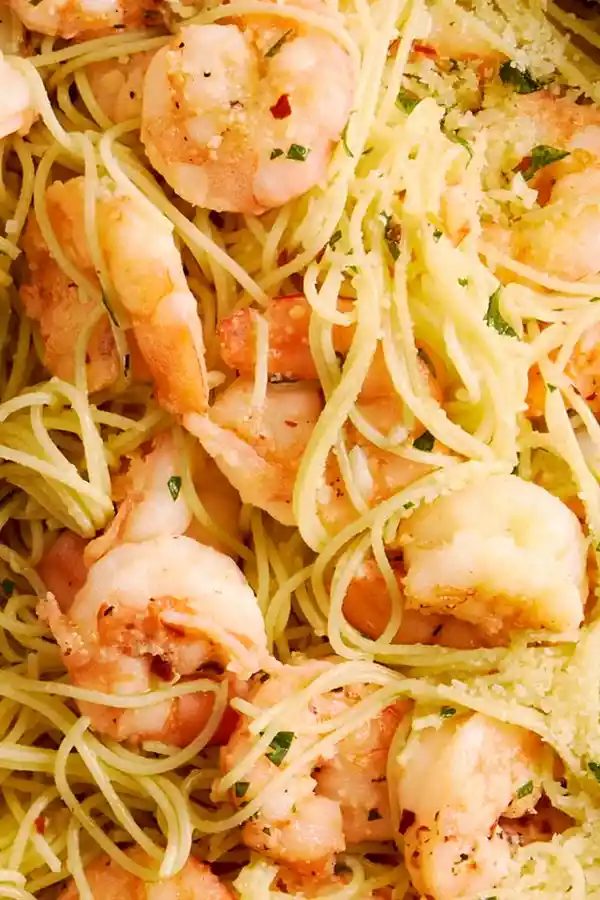
This vibrant garlic butter shrimp pasta is the ultimate solution for a gourmet dinner that comes together in less than thirty minutes. Combining succulent shrimp with a silky parmesan sauce and tender angel hair pasta, this dish offers a refined Mediterranean flair that works perfectly for both rushed weeknights and sophisticated casual entertaining. By focusing on high-quality pantry staples and fresh seafood, you can achieve restaurant-quality results right in your own kitchen.
List of ingredients
- Kosher salt
- 12 oz. angel hair pasta
- 4 tbsp. unsalted butter, divided
- 1 tbsp. extra-virgin olive oil
- 1 lb. shrimp, peeled, deveined, tails removed
- Freshly ground black pepper
- 4 garlic cloves, finely chopped
- 3/4 c. vegetable broth
- 1/2 lemon, juiced
- Pinch of crushed red pepper flakes
- 3/4 c. finely grated Parmesan, plus more for serving
- 1 tbsp. finely chopped fresh parsley
step-by-step instructions
- Step 1: In a large pot of boiling salted water, cook pasta, stirring occasionally, until al dente according to package directions. Drain.
- Step 2: In a large skillet over medium heat, melt 1 Tbsp. butter with oil. Add shrimp; season with salt and black pepper. Cook, flipping halfway through, until pink, about 2 minutes per side. Transfer to a plate.
- Step 3: In same skillet over medium heat, melt remaining 3 Tbsp. butter. Add garlic and cook, stirring, until fragrant, about 1 minute. Add vegetable broth, lemon juice, and red pepper flakes and bring to a simmer. Cook, stirring, until liquid is slightly reduced, about 2 minutes. Add Parmesan and cook, stirring, until melted, about 2 minutes more.
- Step 4: Return shrimp to skillet along with parsley and cook, stirring, until warmed through, about 1 minute. Add pasta and toss to combine.
- Step 5: Divide pasta among bowls. Top with Parmesan.
Essential Preparation Techniques
Achieving Perfect Al Dente Texture
Angel hair pasta is delicate and prone to becoming mushy if overcooked, so monitor it closely. Start checking the texture a full minute before the package instructions suggest. The goal is a firm bite that remains structurally sound when tossed with the hot sauce.
Mastering the Emulsified Sauce
The secret to a restaurant-style sauce lies in the emulsification of the butter, cheese, and broth. By whisking the Parmesan into the liquid base while it is simmering, you create a stable bond that coats the pasta strands perfectly. Avoid using pre-shredded cheese, as it contains anti-caking agents that prevent it from melting into a smooth consistency.
Managing Shrimp Cook Time
Shrimp transition from raw to overcooked in a very short window, often turning rubbery within seconds. Removing them from the heat once they turn pink is the best way to ensure they remain tender. When you return them to the pan at the end of the process, keep the heat low to simply warm them through rather than continuing the cooking process.
Refining Your Flavor Profile
Balancing Acidity and Salt
Lemon juice acts as a brightening agent that cuts through the fat of the butter and cheese. If you find the flavor profile needs more complexity, adjust the salt incrementally at the very end. Always taste your sauce before serving, as the salinity of Parmesan can vary significantly by brand and age.
Adjusting the Heat Level
The pinch of crushed red pepper flakes provides a subtle background warmth that complements the garlic. If your guests enjoy a more robust spice profile, you can double the amount of flakes added during the sauce reduction phase. Conversely, if you prefer a milder profile, feel free to omit them entirely or substitute with a tiny amount of sweet paprika for color.
Serving and Presentation Strategies
Enhancing With Fresh Aromatics
Fresh parsley is vital for the visual appeal and flavor profile of this dish. For a more intense herbal experience, consider adding a small amount of fresh chives or even a whisper of lemon zest during the final toss. These additions should be added at the last possible second to preserve their volatile oils and bright color.
Plating for Presentation
To ensure each serving is balanced, use a pair of tongs to nest the pasta into individual bowls before arranging the shrimp on top. A final dusting of freshly grated Parmesan adds a professional, elegant touch to the presentation. Serving immediately ensures that the sauce remains glossy and doesn’t begin to separate as the temperature drops.
Managing Storage and Reheating
Proper Refrigeration Methods
If you have leftovers, store them in an airtight container within two hours of cooking. To maintain the best texture, keep the pasta and shrimp combined, but be aware that angel hair can absorb liquid while sitting in the refrigerator. Consume within two days for the best experience.
Gentle Reheating Techniques
Avoid the microwave if possible, as it can easily turn the shrimp rubbery and break the sauce. Instead, place the pasta in a skillet over low heat with a teaspoon of water or vegetable broth. Stir constantly until the sauce loosens up and the shrimp are warmed through, which should take only a few minutes.
Frequently Asked Questions
Can I use different types of pasta?
While angel hair is traditional for this light, fast-cooking dish, thin spaghetti or linguine work equally well. Keep in mind that thicker pasta shapes may require slightly longer boiling times and might need a bit more sauce to achieve the same coverage.
Is there a way to make the sauce creamier?
If you prefer an even thicker, creamier sauce, you can incorporate a tablespoon of heavy cream or a dollop of cream cheese during the melting phase. This will result in a more decadent finish that holds onto the pasta strands with extra grip.
Why did my sauce separate?
Sauce separation usually occurs if the heat was too high during the addition of the cheese or if the ingredients were added too quickly. Always lower the heat to a gentle simmer when adding the Parmesan and whisk continuously to ensure a stable, silky emulsion.
Can I add vegetables to this recipe?
Yes, this dish is an excellent base for various vegetables. Baby spinach or halved cherry tomatoes work beautifully when added during the final minute of tossing with the pasta. Their quick cooking times ensure they retain their color and texture without watering down the delicate garlic butter sauce.
How do I know when the shrimp are perfectly cooked?
Visually, the shrimp should be opaque and have curled into a loose C-shape. If they curl into a very tight, O-shape, they have likely been cooked for too long and may become tough. Remove them from the pan as soon as the exterior turns a bright, opaque pink color.
Can I prepare the components ahead of time?
You can definitely prep the ingredients in advance by chopping the garlic and parsley and grating the cheese. It is recommended to cook the pasta and shrimp fresh, as they are best enjoyed immediately after preparation. Keeping these elements ready to go will allow you to assemble the final dish in under ten minutes when you are ready to eat.
Print
Garlic Butter Shrimp Pasta
- Total Time: 25 minutes
- Yield: 4 servings 1x
- Diet: Nut-free
Description
Impress your friends with this super easy recipe for garlic butter shrimp angel hair, featuring a savory parmesan and lemon-infused sauce.
Ingredients
- Kosher salt
- 12 oz. angel hair pasta
- 4 tbsp. unsalted butter, divided
- 1 tbsp. extra-virgin olive oil
- 1 lb. shrimp, peeled, deveined, tails removed
- Freshly ground black pepper
- 4 garlic cloves, finely chopped
- 3/4 c. vegetable broth
- 1/2 lemon, juiced
- Pinch of crushed red pepper flakes
- 3/4 c. finely grated Parmesan, plus more for serving
- 1 tbsp. finely chopped fresh parsley
Instructions
- Step 1: In a large pot of boiling salted water, cook pasta, stirring occasionally, until al dente according to package directions. Drain.
- Step 2: In a large skillet over medium heat, melt 1 Tbsp. butter with oil. Add shrimp; season with salt and black pepper. Cook, flipping halfway through, until pink, about 2 minutes per side. Transfer to a plate.
- Step 3: In same skillet over medium heat, melt remaining 3 Tbsp. butter. Add garlic and cook, stirring, until fragrant, about 1 minute. Add vegetable broth, lemon juice, and red pepper flakes and bring to a simmer. Cook, stirring, until liquid is slightly reduced, about 2 minutes. Add Parmesan and cook, stirring, until melted, about 2 minutes more.
- Step 4: Return shrimp to skillet along with parsley and cook, stirring, until warmed through, about 1 minute. Add pasta and toss to combine.
- Step 5: Divide pasta among bowls. Top with Parmesan.
Notes
Use a high-quality vegetable broth to ensure a rich base for the sauce. Ensure shrimp are patted dry before searing for better browning.
- Prep Time: 15 minutes
- Cook Time: 10 minutes
- Category: Main Dish
- Method: Stovetop
- Cuisine: Mediterranean
Nutrition
- Serving Size: 1 bowl
- Calories: 680 kcal
- Sugar: 2 g
- Sodium: 850 mg
- Fat: 22 g
- Saturated Fat: 11 g
- Unsaturated Fat: 9 g
- Trans Fat: 0 g
- Carbohydrates: 75 g
- Fiber: 3 g
- Protein: 42 g
- Cholesterol: 210 mg