
This quick stir-fry combines lean ground beef with crisp napa cabbage for a healthy, savory weeknight meal. It is ready in about 30 minutes and pairs perfectly with steamed rice or fresh lettuce wraps.
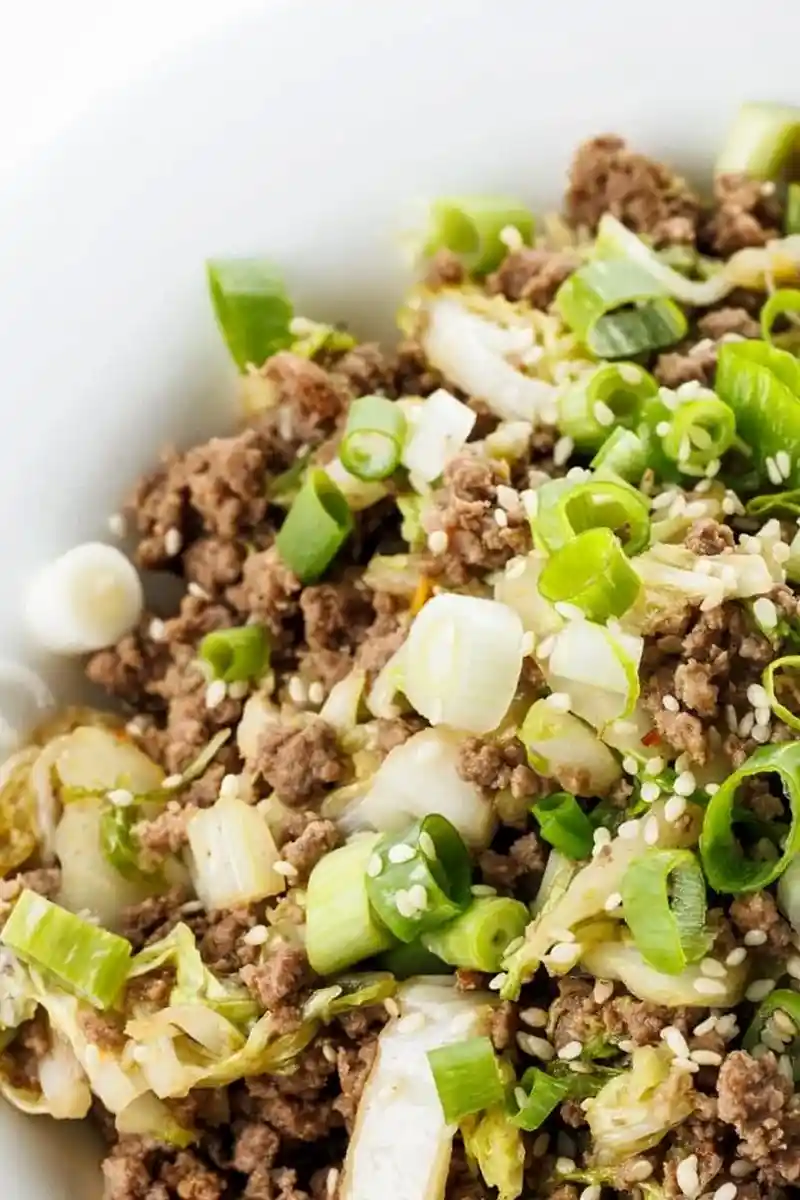
List of ingredients
- 1 tablespoon sesame oil – provides a nutty base flavor.
- 1 tablespoon chili garlic paste – optional for adding a spicy kick.
- 1 tablespoon minced ginger – adds fresh, zesty aromatic notes.
- 2 cloves garlic, minced – provides a pungent, savory depth.
- 1 pound ground sirloin – a lean protein choice for the stir-fry.
- Salt and pepper – used to taste for basic seasoning.
- 6 cups napa cabbage, chopped – or any variety of cabbage you prefer.
- 1/2 cup water – helps create a light sauce consistency.
- 1/4 cup soy sauce – adds saltiness and deep umami flavor.
- 1/4 cup rice vinegar – provides a mild acidity to balance the richness.
- 1 teaspoon sugar – balances the salt and vinegar notes.
- Minced scallions and sesame seeds – optional garnish for color and texture.
step-by-step instructions
- Sauté Aromatics: Heat a large wok or saute pan over high heat. Add the sesame oil, chili garlic paste, garlic, and ginger, stirring frequently for about 30 seconds until fragrant.
- Brown the Beef: Add the ground beef to the pan with a pinch of salt and pepper. Use a wooden spoon to break the meat into bite-sized pieces and sauté until browned, which typically takes 6-8 minutes.
- Cook the Cabbage: Add the chopped cabbage, sugar, additional salt and pepper, rice vinegar, soy sauce, and water to the wok. Stir well and sauté for an additional 3-4 minutes until the cabbage has softened.
- Final Seasoning: Taste the dish and adjust the seasoning if necessary before removing it from the heat. Serve immediately with optional scallions and sesame seeds.
Mastering the Stir-Fry Process
Maintain High Heat to Prevent Steaming
Keep your pan on a high heat setting throughout the process. This ensures the beef sears quickly and the cabbage stays crisp rather than releasing too much water and steaming.
Selecting the Ideal Pan
A carbon steel wok is best for heat distribution and tossing, but a wide stainless steel skillet also works. Ensure the pan is large enough to hold all ingredients without overcrowding.
Properly Browning Ground Beef
Do not stir the beef constantly the moment it hits the pan. Let it sit for a minute to develop a brown crust before breaking it apart for better flavor depth.
Timing the Cabbage Addition
Only add the cabbage once the beef is fully browned. If added too early, the meat will not sear properly, and the cabbage will overcook and become mushy.
Protein and Vegetable Variations
Using Ground Turkey as a Lean Alternative
Substitute the ground sirloin with ground turkey breast or lean ground chicken. Since these meats have less fat, you may need an extra teaspoon of sesame oil to prevent sticking.
Substituting with Green or Red Cabbage
If napa cabbage is unavailable, use shredded green cabbage for a crunchier texture. Red cabbage provides a beautiful color but will turn the sauce a purple hue as it cooks.
Incorporating Sliced Bok Choy
Replace a portion of the cabbage with baby bok choy for a different texture. Chop the stems thinly and keep the leaves whole for a more professional presentation.
Adding Shredded Carrots for Color
Mix in one cup of shredded carrots along with the cabbage. Carrots add a natural sweetness and vibrant orange color that complements the beef and soy sauce.
Integrating Sliced Mushrooms
Add sliced shiitake or button mushrooms during the beef browning stage. Mushrooms enhance the umami profile of the dish and provide a meatier texture.
Adding Snap Peas for Crunch
Toss in a handful of snap peas during the last two minutes of cooking. This keeps them bright green and provides a satisfying snap in every bite.
Customizing the Sauce Profile
Reducing Sodium with Low-Sodium Soy Sauce
Use low-sodium soy sauce or coconut aminos to reduce the salt content. If the flavor feels too light, add a small pinch of salt at the very end.
Swapping Sugar for Natural Sweeteners
Replace the granulated sugar with a teaspoon of honey or maple syrup. These alternatives provide a richer sweetness that pairs well with the acidity of the rice vinegar.
Increasing Heat with Fresh Chilies
For those who prefer more spice, add sliced serrano or bird’s eye chilies with the garlic. This provides a sharper, fresher heat than the chili garlic paste.
Using Tamari for a Gluten-Free Option
Swap the soy sauce for tamari to make the dish gluten-free. Tamari has a similar flavor profile but is brewed without wheat.
Adjusting Acidity with Lime Juice
If you prefer a brighter taste, replace half of the rice vinegar with fresh lime juice. Squeeze the lime over the finished dish just before serving for a citrusy lift.
Recommended Serving Suggestions
Pairing with Steamed Jasmine Rice
Serve the stir-fry over a bed of fluffy jasmine rice. The neutral flavor and aroma of the rice absorb the savory sauce perfectly.
Using Brown Rice for Extra Fiber
For a heartier meal, use steamed brown rice. The nutty flavor of brown rice complements the sesame oil used in the recipe.
Low-Carb Lettuce Wrap Method
Spoon the beef and cabbage mixture into large butter lettuce or romaine leaves. This creates a fresh, low-carb wrap that is perfect for light lunches.
Serving over Quinoa
Use cooked quinoa as a base to increase the protein content. Quinoa adds a slight nuttiness and a different texture compared to traditional rice.
Adding a Side of Pickled Ginger
Serve a small mound of pickled sushi ginger on the side. The sharp, vinegary taste cleanses the palate between bites of savory beef.
Complementing with Steamed Edamame
Provide a side of steamed edamame pods seasoned with sea salt. This adds more plant-based protein and a bright green contrast to the plate.
Proper Storage and Maintenance
Refrigerating Leftovers
Store any remaining stir-fry in an airtight glass container. It will stay fresh and safe to eat in the refrigerator for up to four days.
Avoiding the Freezer
It is not recommended to freeze this dish due to the high water content of the cabbage. Freezing will cause the cabbage to lose its structure and become watery upon thawing.
Reheating on the Stovetop
For the best results, reheat the mixture in a pan over medium heat. Add a tablespoon of water to loosen the sauce and prevent it from drying out.
Quick Reheating in the Microwave
Place the stir-fry in a microwave-safe dish and cover it with a damp paper towel. Heat in 1-minute intervals, stirring in between, to ensure even warming.
Preventing Sauce Separation
When reheating, stir the dish thoroughly to re-incorporate the fats and liquids. This ensures every piece of cabbage is evenly coated in the sauce.
Efficient Meal Prep Strategies
Pre-Cutting the Cabbage
Chop the napa cabbage a day in advance and store it in a sealed bag. This reduces your active prep time on the night of cooking to just a few minutes.
Mixing the Sauce in Advance
Whisk together the soy sauce, rice vinegar, water, and sugar in a small jar. Keep it refrigerated and pour it into the pan all at once for a smoother cooking flow.
Organizing the Mise en Place
Arrange your minced garlic, ginger, and chopped vegetables in small bowls. Having everything ready prevents you from burning the aromatics while searching for ingredients.
Batch Cooking for the Week
Double the recipe to have lunch for several days. Since the flavors meld over time, the dish often tastes even better the next day.
Common Cooking Challenges
Preventing Watery Cabbage
Avoid adding too much water or overcrowding the pan. Cooking in smaller batches if necessary keeps the temperature high, which evaporates excess moisture quickly.
Avoiding Overcooked Beef
Do not cook the beef for too long after it has browned. Overcooking ground sirloin can make it tough and lose its juiciness.
Managing Garlic and Ginger Burn
If the pan is smoking too much, lower the heat slightly before adding the garlic and ginger. These aromatics burn quickly and can become bitter if overheated.
Correcting an Overly Salty Sauce
If the dish is too salty, add a splash more rice vinegar or a pinch of sugar. The acid and sweetness help neutralize the intensity of the soy sauce.
Fixing a Thin Sauce
If the sauce is too watery, let it simmer for an extra minute without the lid. Alternatively, stir in a tiny pinch of cornstarch mixed with water to thicken it.
Frequently Asked Questions
What is napa cabbage?
Napa cabbage is a type of Chinese cabbage with oblong leaves and a milder flavor than traditional green cabbage. It is prized for its ability to soften quickly while retaining some crunch.
Can I use a skillet instead of a wok?
Yes, a large non-stick or stainless steel skillet works well. Just make sure to use a wide pan so the ingredients have enough room to sear rather than steam.
How do I store leftovers properly?
Place the stir-fry in an airtight container and refrigerate immediately after cooling. Use it within four days for the best quality and taste.
Is this recipe gluten-free?
The recipe is not gluten-free if you use standard soy sauce. To make it gluten-free, simply replace the soy sauce with tamari or coconut aminos.
Can I use a different cut of beef?
Ground chuck can be used, but it has a higher fat content than sirloin. If using chuck, you may want to drain some of the excess grease before adding the cabbage.
Print
Ground Beef and Cabbage Stir-Fry
- Total Time: 30 minutes
- Yield: 4 servings 1x
- Diet: Gluten-free
Description
This quick and easy weeknight beef stir-fry recipe is made with ground sirloin and chopped cabbage sauteed with ginger, garlic, sesame oil and soy sauce.
Ingredients
- 1 tablespoon sesame oil
- 1 tablespoon chili garlic paste (optional)
- 1 tablespoon minced ginger
- 2 cloves garlic (minced)
- 1 pound ground sirloin
- salt and pepper (to taste)
- 6 cups napa cabbage (chopped)
- 1/2 cup water
- 1/4 cup soy sauce
- 1/4 cup rice vinegar
- 1 teaspoon sugar
- minced scallions and sesame seeds (optional garnish)
Instructions
- Step: Heat a large wok or saute pan over high heat. Add sesame oil, sambal, garlic and ginger. Heat until fragrant, about 30 seconds, stirring frequently.
- Step: Add ground beef to the pan along with a pinch of salt and pepper to taste. Using a wooden spoon, begin breaking down the beef in to bite-sized pieces. Continue sauteing beef until browned, about 6-8 minutes stirring frequently.
- Step: Add the chopped cabbage to the wok along with sugar, more salt and pepper to taste, rice vinegar, soy sauce, and water. Stir well then sauté until cabbage is softened, about 3-4 additional minutes. Check for seasoning and adjust accordingly before serving.
Notes
I love using napa cabbage for this recipe but any type of green cabbage would work well as would bok choy.
- Prep Time: 10 minutes
- Cook Time: 20 minutes
- Category: Main Dish
- Method: Stir-fry
- Cuisine: Asian-American
Nutrition
- Serving Size: 1 cup
- Calories: 312 kcal
- Sugar: 3 g
- Sodium: 897 mg
- Fat: 21 g
- Saturated Fat: 7 g
- Unsaturated Fat: 11 g
- Trans Fat: 1 g
- Carbohydrates: 6 g
- Fiber: 2 g
- Protein: 24 g
- Cholesterol: 77 mg