
This recipe combines a vibrant, homemade basil pesto with tender roasted vegetables for a nutrient-dense and flavorful meal. It is designed to be prepared in under 30 minutes, making it an ideal choice for a quick yet sophisticated dinner.
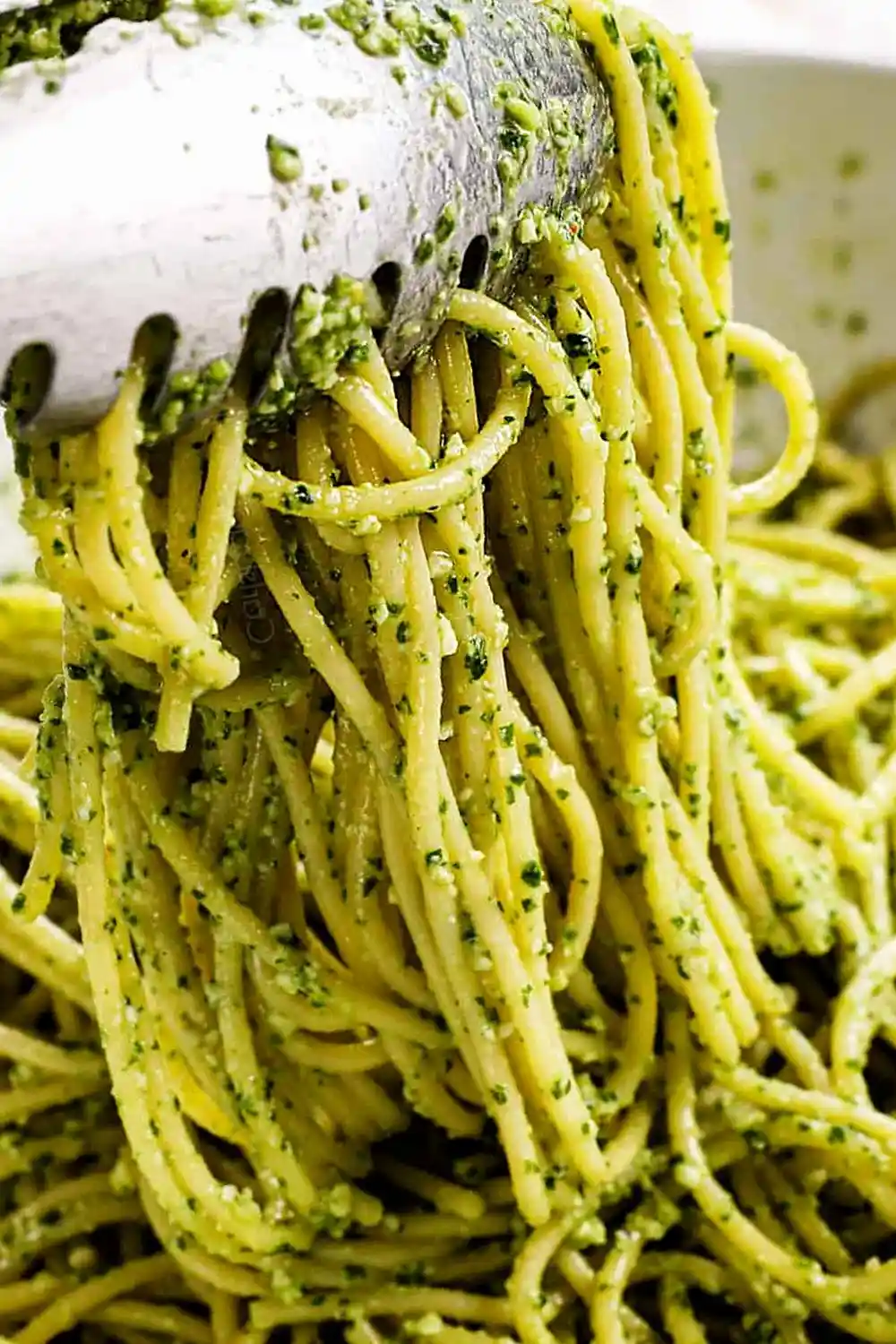
List of ingredients
- 1 pound linguine or thin spaghetti
- 1 cup reserved pasta water (you will not use all of it) – used to emulsify the sauce.
- 2 tablespoons lemon juice – added at the end for brightness.
- 1/2 cup freshly grated Parmigiana Reggiano (or more to taste) – for finishing.
- 2 cups fresh basil leaves, tightly packed – the core herbal base.
- 3/4 cup freshly grated Parmigiana Reggiano (use 1/2 cup if not freshly grated) – for the pesto.
- 1/2 cup raw, unsalted pine nuts (cashews are the best substitute) – for nuttiness.
- 3 garlic cloves, peeled – for pungent flavor.
- 2 tablespoons lemon juice – for the pesto.
- 1/2 teaspoon salt – for seasoning the pesto.
- 1/4 teaspoon pepper – for seasoning the pesto.
- 1/2 cup extra virgin olive oil – for a rich, smooth consistency.
- 1 tablespoon olive oil – for roasting vegetables.
- 1 12 oz. pkg. cherry tomatoes – for sweet, roasted pops of flavor.
- 1 small zucchini, halved and sliced 1/2-inch thick – for texture.
- 1/2 bunch asparagus, ends trimmed, cut into 1″ pieces – for a crisp-tender bite.
- 1/2 teaspoon salt – for roasting vegetables.
- 1/4 teaspoon pepper – for roasting vegetables.
step-by-step instructions
- Prep: Preheat your oven to 400°F. Start boiling a large pot of water for the pasta.
- Toast Pine Nuts: Heat a skillet over medium-high heat without adding any oil. Add the pine nuts and toast until they are golden in spots, then immediately transfer them to a food processor to stop the cooking process.
- Blend Pesto: Add the basil, Parmigiano Reggiano, garlic, lemon juice, salt, and pepper to the food processor. Pulse until the ingredients are finely chopped.
- Emulsify Sauce: While the food processor is running, slowly drizzle in the extra virgin olive oil until the sauce is fully combined and smooth. Set the pesto aside.
- Roast Vegetables: Place cherry tomatoes, zucchini, and asparagus on a baking sheet lined with foil or a non-stick mat. Toss with 1 tablespoon olive oil, 2 tablespoons of the homemade pesto, 1/2 teaspoon salt, and 1/4 teaspoon pepper. Roast at 400°F for 12-15 minutes until the asparagus is crisp-tender.
- Cook Pasta: Boil the pasta in generously salted water until al dente. Reserve 1 cup of the starchy pasta water before draining.
- Assemble: Place the drained pasta in a very large mixing bowl or a cold pot off the heat. Stir in all the pesto, 1/4 cup of the reserved pasta water, and 2 tablespoons of lemon juice. Toss thoroughly to coat.
- Final Mix: Fold in the roasted vegetables and any juices from the baking sheet. Add more reserved pasta water or a drizzle of olive oil if the pasta seems dry. Taste and adjust seasoning with extra salt, pepper, or lemon juice.
- Serve: Plate immediately and garnish with additional freshly grated Parmigiano Reggiano and freshly cracked black pepper.
Professional Pesto Techniques
Toast Your Pine Nuts for Enhanced Flavor
Dry toasting pine nuts in a skillet without oil brings out their natural oils and creates a deeper, nuttier flavor profile. This step prevents the pesto from tasting raw and adds a toasted sweetness that balances the garlic. Be careful to remove them from the heat immediately once golden, as they can burn in seconds.
Preventing Bitter Olive Oil
Extra virgin olive oil contains polyphenols that can oxidize when subjected to high-speed mechanical agitation in a food processor. Over-processing the oil can lead to a bitter aftertaste in the final sauce. To avoid this, drizzle the oil in slowly or stir it in by hand after pulsing the other ingredients.
Using Pasta Water as an Emulsifier
Starchy pasta water is the secret to a glossy, restaurant-quality sauce that clings to the noodles. The starch helps the oil and cheese in the pesto bond with the pasta, preventing the sauce from separating or pooling at the bottom of the bowl. Always reserve a cup of water before draining your pasta.
Avoiding Basil Oxidation
Basil leaves turn brown when exposed to air due to oxidation. To keep the pesto a vibrant green, you can blanch the leaves in boiling water for 5-10 seconds and then immediately plunge them into ice water. Alternatively, pressing plastic wrap directly onto the surface of the stored pesto prevents air contact.
Customizing Your Pesto Sauce
Nut-Free Pesto Substitutions
For those with nut allergies, pumpkin seeds (pepitas) or hemp seeds are excellent alternatives that provide a similar texture and richness. Sunflower seeds also work well, though they have a slightly more earthy taste. Simply swap the pine nuts for an equal measurement of your chosen seed.
Experimenting with Leafy Greens
While basil is traditional, you can create unique variations by substituting some or all of the basil with baby spinach, arugula, or kale. Arugula adds a peppery bite, while spinach results in a milder, creamier sauce. Kale provides a heartier texture and a deeper green color.
Alternative Cheese Options
Pecorino Romano can be used instead of Parmigiano Reggiano for a sharper, saltier flavor. For a vegan version, replace the cheese with 3 tablespoons of nutritional yeast or a plant-based parmesan alternative. This maintains the savory, umami quality without using dairy.
Adding a Spicy Kick
To introduce some heat to the sauce, add a pinch of crushed red pepper flakes during the blending process. This creates a subtle warmth that cuts through the richness of the olive oil and cheese. You can also add a small piece of fresh jalapeño for a brighter, spicier profile.
Protein and Vegetable Pairings
Adding Grilled Chicken
Pan-seared or grilled chicken breast is a classic accompaniment to pesto pasta. Slice the chicken into strips and toss them in at the final stage of assembly to keep the meat juicy. Season the chicken with salt, pepper, and a touch of garlic powder to complement the pesto.
Incorporating Seafood
Butter-garlic shrimp or scallops pair beautifully with the herbaceous notes of basil. Sauté the seafood separately until just cooked through, then fold them into the pasta along with the roasted vegetables. This adds a luxurious feel to the meal without overpowering the pesto.
Beef or Turkey Sausage Options
For a heartier meal, use sliced beef or turkey sausage. Brown the sausage in a skillet until caramelized, then add it to the final mix. The savory, salty nature of the sausage provides a great contrast to the bright, zesty lemon in the sauce.
Varying the Roasted Vegetables
Beyond zucchini and asparagus, consider using red bell peppers, broccoli florets, or cauliflower. Ensure the vegetables are cut into similar sizes so they roast evenly. Adjust the roasting time slightly depending on the density of the vegetable used.
Serving and Side Dish Ideas
Pairing with Garlic Bread
Warm, toasted garlic bread is the perfect side for soaking up any extra pesto sauce left on the plate. Use a crusty baguette brushed with garlic butter and parsley, then bake until golden brown. This adds a satisfying crunch to the overall meal.
Choosing a Fresh Salad
A crisp Caesar salad or a simple garden salad with a lemon vinaigrette complements the richness of the pesto. The acidity of a vinaigrette helps cleanse the palate between bites of the creamy pasta. Spinach salads with apple slices also offer a refreshing contrast.
Plating for Presentation
To make the dish look professional, use a pasta fork to twirl the linguine into a neat nest in the center of the plate. Arrange the roasted vegetables on top of the nest to showcase their colors. Finish with a generous sprinkle of fresh parmesan and a crack of black pepper.
Storage and Make-Ahead Advice
Refrigerating the Completed Pasta
Store leftover pesto pasta in an airtight container in the refrigerator for up to 3-4 days. Because the pesto is a fresh sauce, the flavor is most intense in the first 48 hours. Ensure the container is sealed tightly to prevent the pasta from drying out.
Freezing Homemade Pesto
While the assembled pasta does not freeze well, the pesto sauce can be frozen for several months. Freeze the sauce in ice cube trays, then transfer the cubes to a freezer bag. This allows you to thaw only the amount you need for future meals.
Preparing Ingredients in Advance
You can grate the cheese, chop the vegetables, and blend the pesto up to three days before you plan to serve the dish. Keep these components in separate airtight containers in the fridge. However, roast the vegetables and cook the pasta immediately before assembly for the best texture.
Reheating Guidelines
Stovetop Reheating Method
For the best results, reheat the pasta in a skillet over low to medium-low heat. Add a splash of water or a teaspoon of olive oil to loosen the sauce. Stir gently to avoid breaking the pasta strands and heat until just warmed through.
Microwave Reheating Tips
If using a microwave, heat the pasta in short 30-45 second intervals. Stir the pasta between each interval to ensure even heating and prevent hotspots. Add a small amount of water or heavy cream to maintain the silkiness of the pesto.
Maintaining Color During Reheating
Avoid using high heat when reheating, as extreme temperatures can cause the basil to darken and the oil to separate. Keeping the temperature low preserves the vibrant green color and prevents the pesto from developing a bitter taste.
Common Pesto Pasta Questions
What is the best pasta shape for pesto?
Long, smooth shapes like linguine and spaghetti are ideal because the sauce glides over the surface easily. Tubular pastas like penne or rigatoni are also great because the pesto gets trapped inside the tubes, providing a burst of flavor in every bite.
Can I use store-bought pesto?
While store-bought pesto is convenient, homemade is significantly more flavorful and free from preservatives. If you must use a jarred version, stir in a squeeze of fresh lemon juice and a handful of fresh basil leaves to brighten the flavor.
How do I make this recipe vegan?
Replace the Parmigiano Reggiano with nutritional yeast or a vegan parmesan alternative. You can also use cashews or walnuts to maintain the creamy texture of the sauce without using dairy products.
Why did my pesto turn brown?
Browning occurs due to oxidation when basil is exposed to air. You can prevent this by blanching the basil briefly before blending or by covering the surface of the stored sauce with a thin layer of olive oil.
Can I use cashews instead of pine nuts?
Yes, cashews are the best substitute for pine nuts because they provide a similar creamy texture and mild flavor. For a more distinct taste, walnuts or almonds can also be used, though they may change the flavor profile slightly.
Print
Homemade Basil Pesto Pasta with Roasted Seasonal Vegetables
- Total Time: 35 minutes
- Yield: 6 servings 1x
- Diet: Vegetarian
Description
Pesto Pasta is a deliciously cheesy, garlicky and herbaceous meal with the option of roasted veggies! It’s light, vibrant and comforting, brimming with peppery basil, nutty pine nuts, zingy garlic, rich olive oil, a kiss of lemon, and a crescendo of Parmesan cheese.
Ingredients
- 1 pound linguine or thin spaghetti
- 1 cup reserved pasta water
- 2 tablespoons lemon juice
- 1/2 cup freshly grated microbial-rennet Parmigiana Reggiano
- 2 cups fresh basil leaves, tightly packed
- 3/4 cup freshly grated microbial-rennet Parmigiana Reggiano
- 1/2 cup raw, unsalted pine nuts
- 3 garlic cloves, peeled
- 2 tablespoons lemon juice
- 1/2 teaspoon salt
- 1/4 teaspoon pepper
- 1/2 cup extra virgin olive oil
- 1 tablespoon olive oil
- 1 12 oz. pkg. cherry tomatoes
- 1 small zucchini, halved and sliced 1/2-inch thick
- 1/2 bunch asparagus, ends trimmed, cut into 1” pieces
- 1/2 teaspoon salt
- 1/4 teaspoon pepper
Instructions
- Step: Preheat the oven to 400°F. Begin boiling the water for the pasta.
- Step: Preheat a skillet over medium-high heat (without any oil). Add pine nuts and toast until golden in spots. Immediately transfer the nuts to a food processor to prevent them from continuing to cook.
- Step: Add the remaining pesto ingredients EXCEPT the olive oil (basil through pepper) to the food processor. Pulse until finely chopped.
- Step: With the food processor running, slowly drizzle in the olive oil until fully combined; set aside.
- Step: Add vegetables to a baking sheet lined with foil or a non-stick mat. Toss with 1 tablespoon olive oil, 2 tablespoons homemade pesto, ½ teaspoon salt, and 1/4 teaspoon pepper. Roast at 400°F in a single layer for 12-15 minutes or until asparagus is crisp-tender.
- Step: Cook pasta al dente in generously salted water according to package directions. Reserve 1 cup of pasta water before you drain the pasta.
- Step: Add drained pasta to a very large mixing bowl or cold pot, OFF HEAT, along with all of the pesto, ¼ cup reserved pasta water, and 2 tablespoons lemon juice. Toss to coat the pasta.
- Step: Stir in roasted vegetables and pan juices; toss again, adding reserved pasta water a little at a time if needed to make the pasta silky and saucy. Taste and season with additional salt, pepper, and lemon juice if desired.
- Step: Serve immediately, garnished with plenty of freshly grated Parmigiana Reggiano and freshly cracked pepper.
Notes
To prevent pesto from browning, press plastic wrap directly on the surface or pour a thin layer of olive oil on top. Use a large pot with less water to keep pasta water extra starchy for a glossier sauce.
- Prep Time: 20 minutes
- Cook Time: 15 minutes
- Category: Main Course
- Method: Boiling, Roasting
- Cuisine: Italian
Nutrition
- Serving Size: 1 serving
- Calories: 650 kcal
- Sugar: 6 g
- Sodium: 880 mg
- Fat: 42 g
- Saturated Fat: 12 g
- Unsaturated Fat: 30 g
- Trans Fat: 0 g
- Carbohydrates: 52 g
- Fiber: 6 g
- Protein: 18 g
- Cholesterol: 45 mg