
Create a vibrant, naturally sweetened spread using the combined flavors of summer strawberries and peaches. This guide provides a clear method for achieving a thick, jammy consistency using honey instead of refined sugar.
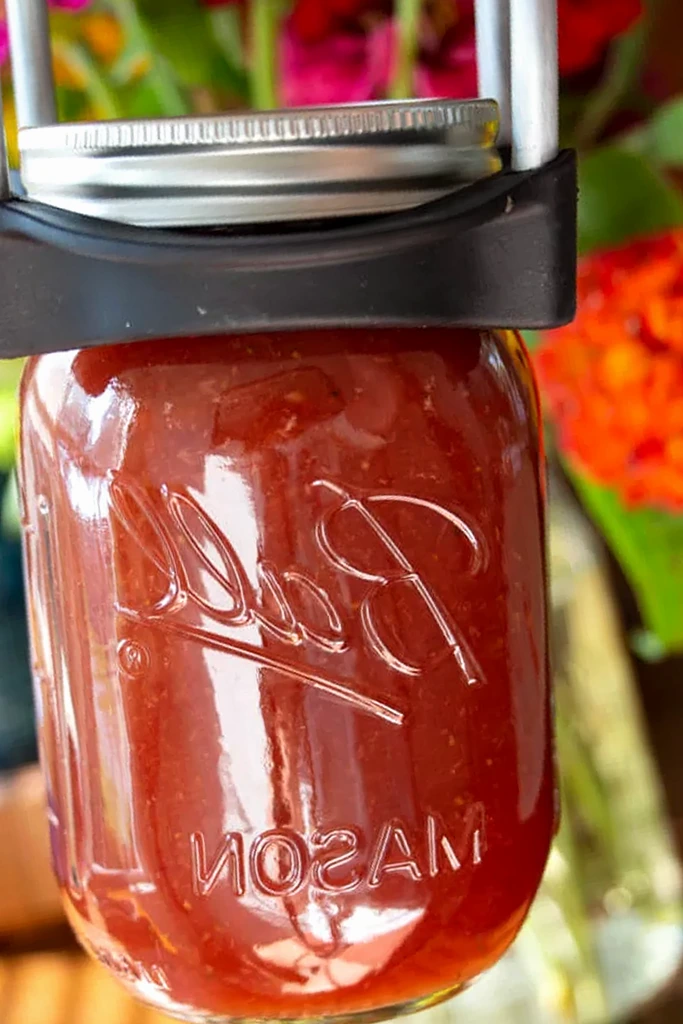
List of ingredients
- 9 cups chopped strawberries – hulls removed.
- 9 cups chopped peaches – peeled and pitted.
- 2 cups honey – raw honey works well for local flavor.
- 1/2 cup lemon juice – provides acidity for the set.
- 3 tsp Pomona’s Pectin – specifically for low-sugar recipes.
- 4 tsp calcium water – mixed according to pectin instructions.
- 2 TBSP white vinegar – used for the water bath and cleaning rims.
step-by-step instructions
- Prepare the fruit: Wash the strawberries and peaches. Remove strawberry tops and chop them; peel, pit, and chop the peaches.
- Sterilize equipment: Boil canning jars and lids in water for 10 minutes. Add white vinegar to the water to prevent cloudiness and keep jars hot until use.
- Prepare pectin mixture: Combine the pectin with the honey in a separate bowl or measuring cup and set it aside.
- Prepare calcium water: Mix the calcium water as directed on the pectin packaging and set it aside.
- Simmer the fruit: Place strawberries, peaches, and lemon juice in a large pot over low heat. Bring the mixture to a low simmer, thawing the fruit if using frozen.
- Add calcium: Stir the prepared calcium water into the simmering fruit mixture.
- Thicken the mixture: Continue simmering until the jam reaches your desired thickness. Stir frequently to prevent the fruit from sticking or burning at the bottom.
- Mash the fruit: Use a potato masher or an immersion blender to break down the fruit pieces while the mixture is hot.
- Final boil: Bring the fruit to a full boil, then stir in the honey and pectin mixture vigorously for 1 to 2 minutes as it returns to a boil.
- Skim the surface: Remove the pot from the heat and skim off any foam from the top. Note that the jam will appear liquidy until it cools.
- Fill the jars: Ladle the hot jam into sterilized jars, leaving exactly 1/4 inch of headspace at the top.
- Remove air: Use a bubble popper to remove any trapped air pockets from the jam.
- Clean the rims: Wipe the jar rims with a clean cloth dipped in white vinegar to remove all drips.
- Seal the jars: Place the lids on and tighten the bands slightly.
- Process the jam: Submerge jars in a boiling water bath and process for 10 minutes with the lid on.
- Cool down: Turn off the heat, remove the lid, and let the jars sit in the water for 5 minutes before taking them out.
- Final set: Let the jars cool to room temperature for 12 to 24 hours.
- Check seals: Ensure the lids are sealed before storing in a cool, dark place. Refrigerate any jars that did not seal.
Fruit Preparation and Selection
Choosing the Right Peaches
Select peaches that are fragrant and give slightly when pressed gently near the stem. Avoid fruit with deep bruises or overly soft spots to ensure the jam has a clean, fresh taste.
Effective Strawberry Selection
Use strawberries that are bright red from top to bottom. Avoid berries with white shoulders or soft, mushy areas, as these can affect the final color and stability of the jam.
Blanching Peaches for Easy Peeling
To remove peach skins quickly, score a small X in the bottom of the fruit. Drop them in boiling water for 30 seconds, then immediately plunge them into ice water to slip the skins off easily.
Using Frozen Fruit
Frozen strawberries and peaches can be used as a substitute for fresh fruit. Ensure they are completely thawed before measuring and mashing to maintain the correct ratio of liquid to solids.
Mastering the Pectin Process
How Low-Sugar Pectin Works
Pomona’s Pectin is designed for recipes without high amounts of sugar. It relies on calcium to create a bond between the pectin molecules, which is why calcium water is a required step.
The Importance of Calcium Water
Calcium water activates the pectin to ensure the jam sets properly. Without this step, a honey-sweetened jam may remain too liquidy regardless of how long it is boiled.
Preventing Pectin Clumps
Always mix the pectin into the honey or a small amount of liquid before adding it to the main pot. This prevents the pectin from forming dry lumps that won’t dissolve during the final boil.
The Role of Lemon Juice
Lemon juice provides the necessary acidity to help the pectin set and balance the sweetness of the honey. It also acts as a natural preservative to keep the jam fresh longer.
Canning and Sterilization Tips
Maintaining Jar Temperature
Keep your sterilized jars in hot water until the moment you are ready to fill them. Filling a cold jar with hot jam can cause the glass to crack due to thermal shock.
Achieving the Perfect Headspace
Leave exactly 1/4 inch of space between the jam and the top of the jar. Too much space can prevent a vacuum seal, while too little can cause the jam to bubble over during processing.
Cleaning Rims with Vinegar
Wiping the rims with white vinegar removes sticky residue that can interfere with the lid seal. This step is critical for ensuring the jam is shelf-stable for months.
Preventing Cloudy Glass
Adding a tablespoon of white vinegar to the boiling water bath helps prevent hard water minerals from leaving a cloudy film on the outside of your canning jars.
Troubleshooting and Quality Control
Preventing Bottom Burn
Use a heavy-bottomed pot and stir constantly, especially as the mixture thickens. If the jam burns, it will develop a bitter taste that can permeate the entire batch.
Managing Excess Foam
Foam often forms on top of the jam during the final boil due to the fruit’s natural pectins and the honey. Skimming this off before bottling results in a clearer, more professional-looking jam.
Identifying a Failed Seal
After cooling, press the center of the lid. If it pops or springs back, the seal has failed and the jar must be moved to the refrigerator immediately.
Correcting a Runny Consistency
If the jam is too thin after cooling, it may be due to over-boiling or insufficient acidity. While you cannot re-process canned jam, you can simmer un-canned batches longer before bottling.
Storage and Preservation
Shelf-Stable Storage
Store properly sealed jars in a cool, dark place away from direct sunlight. When handled correctly, this honey-sweetened jam can remain stable on the shelf for up to 18 months.
Refrigeration Guidelines
Once a jar is opened, store it in the refrigerator and consume it within a few weeks. Always use a clean spoon to avoid introducing bacteria into the jam.
Freezing Jam as an Alternative
If you prefer not to use a water bath, you can freeze the jam in freezer-safe containers. Leave extra headspace to allow for expansion and store for up to one year.
Signs of Spoilage
Discard any jam that shows signs of mold, develops an off-smell, or changes color significantly. When in doubt, throw the product away to ensure food safety.
Creative Serving Suggestions
Breakfast Pairings
Spread the jam on warm sourdough toast or English muffins. It also works well swirled into plain Greek yogurt or stirred into a bowl of warm oatmeal.
Savory Appetizer Ideas
Pair the strawberry peach jam with a wedge of brie or goat cheese on a cracker. The sweetness of the honey and fruit cuts through the richness of the cheese perfectly.
Dessert Toppings
Drizzle the jam over vanilla ice cream or use it as a glaze for cheesecake. It can also be used as a filling for homemade hand pies or fruit turnovers.
Salad Dressing Integration
Whisk a tablespoon of the jam into a vinaigrette with olive oil and apple cider vinegar. This creates a fruity dressing that pairs well with spinach and feta salads.
Common Jam-Making Questions
Can I use a different sweetener?
Yes, you can use maple syrup or agave nectar as substitutes for honey. Ensure you use a sweetener compatible with low-sugar pectin guidelines for the best set.
Can I make a smaller batch?
You can scale the recipe down, but be extra cautious during the simmering process. Smaller volumes of jam evaporate faster and are more prone to burning.
Can I use a slow cooker?
Yes, you can cook the fruit in a slow cooker on low for approximately 4 hours. However, you must still perform the final boil on the stove to activate the pectin correctly.
Do I need to reuse the lids?
Canning jars and bands are reusable if they are in good condition. However, the flat lids are designed for one-time use and should be replaced every time you can.
} Print
Honey Sweetened Strawberry Peach Jam
- Total Time: 3 hours 45 minutes
- Yield: 5–6 pints 1x
- Diet: Vegetarian
Description
This Honey-Sweetened Strawberry Peach Jam recipe is bursting with the sweetness of sun-kissed strawberries and tree-ripened peaches, while also incorporating the natural goodness of honey in place of traditionally-used white sugar.
Ingredients
- 9 cups chopped strawberries
- 9 cups chopped peaches
- 2 cups honey
- 1/2 cup lemon juice
- 3 tsp pectin
- 4 tsp calcium water
- 2 TBSP white vinegar
Instructions
- Wash: Wash strawberries and peaches.
- Chop: Chop the strawberries, removing the tops. Peel and pit the peaches, and chop.
- Sterilize: Sterilize your canning jars and lids by boiling them in a pot of water for 10 minutes.
- Prepare Calcium Water: Make your calcium water and set it aside.
- Combine Pectin: Add the pectin to your honey in a separate bowl or measuring cup and set aside.
- Simmer: In a large pot, use low heat the strawberries, peaches, and lemon juice. Bring to a low simmer.
- Add Calcium Water: Add calcium water to the mixture and stir.
- Thicken: Simmer until the jam reaches the desired thickness.
- Mash: Mash the strawberries and peaches with a potato masher or immersion blender.
- Boil: Bring fruit to a full boil and add honey and pectin mixture. Stir vigorously for 1-2 minutes while the mixture returns to a boil.
- Skim: Remove the pot from the heat and skim off any foam from the top of the jam.
- Ladle: Carefully ladle the hot jam into the sterilized jars, leaving 1/4 inch of headspace at the top.
- Pop Bubbles: Pop any air bubbles.
- Clean Rims: Wipe the rims of the jars with a clean cloth dipped in white vinegar to remove any spills or drips.
- Seal: Place the lids on the jars and tighten the bands slightly.
- Process: Process the jars in a boiling water bath for 10 minutes with the lid on.
- Rest: Turn off heat, carefully remove the lid, and let sit in water for 5 minutes before removing.
- Cool: Remove the jars from the water and let them cool to room temperature for 12-24 hours.
- Store: Check to make sure the lids are sealed before storing the jars in a cool, dark place.
Notes
Correctly sealed canned jams can be stored in a cool dark space for up to 18 months.
- Prep Time: 15 minutes
- Cook Time: 20 minutes
- Category: Preserves
- Method: Boiling Water Bath Canning
- Cuisine: American
Nutrition
- Serving Size: 1 tablespoon
- Calories: 45 kcal
- Sugar: 10 g
- Sodium: 5 mg
- Fat: 0 g
- Saturated Fat: 0 g
- Unsaturated Fat: 0 g
- Trans Fat: 0 g
- Carbohydrates: 12 g
- Fiber: 0.5 g
- Protein: 0.2 g
- Cholesterol: 0 mg