
This quick skillet meal combines savory Mongolian flavors with crisp cabbage for a healthy, low-carb dinner. It is an efficient way to prepare high-protein beef and nutrient-dense vegetables in a single pan.
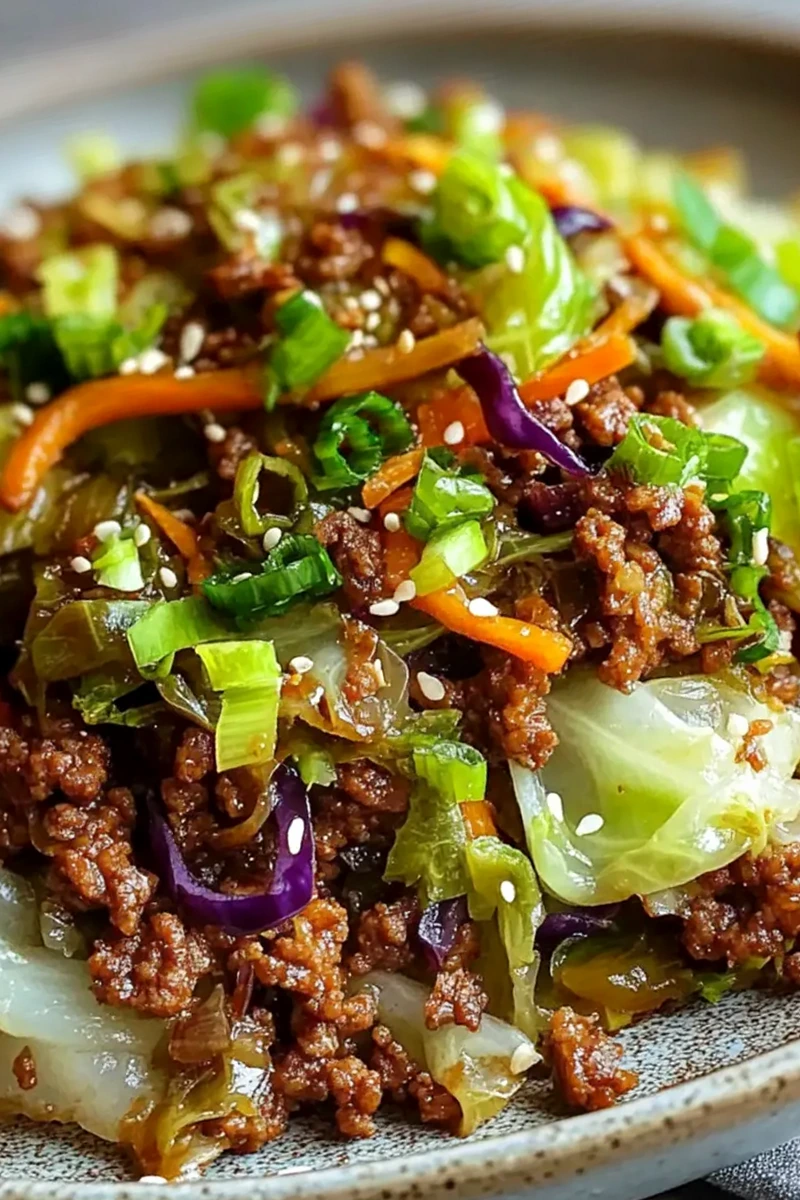
List of ingredients
- 1.5 pounds Ground beef (80-90% lean) – provides a rich base without excessive grease.
- 0.5 cups Beef broth (low-sodium) – adds depth and helps create the sauce.
- 1 head Green cabbage – provides bulk and a crisp texture.
- 1 tablespoon Avocado oil – ideal for high-heat searing.
- 1 tablespoon Toasted sesame oil – adds a distinct nutty aroma.
- 3 cloves Garlic (minced) – essential for aromatic pungency.
- 1 tablespoon Fresh ginger (grated) – provides warmth and a zesty bite.
- 2 stalks Green onions – split into white and green parts for layered flavor.
- 0.25 cups Soy sauce or tamari – the primary salty, umami element.
- 2.5 tablespoons Sugar-free sweetener – balances the saltiness without adding carbs.
- 1 tablespoon Rice vinegar – adds a necessary acidic brightness.
- 1 tablespoon Chili garlic sauce or sriracha (Optional) – for those who prefer a spicy kick.
- Red pepper flakes – used as desired for added heat.
- Ground black pepper – seasoned to taste.
- Onion powder – used to taste for savory depth.
- Garlic powder – used to taste to amplify garlic notes.
- Xanthan gum or glucomannan (Optional) – acts as a thickener for the sauce.
- Sesame seeds (lightly toasted) – used for garnish and crunch.
- Fresh cilantro or extra green onion greens – used for a fresh finish.
step-by-step instructions
- Prepare the Cabbage: Remove any damaged outer leaves from the green cabbage. Cut the head into quarters, remove the core, and slice into 1/4 inch thick shreds. Rinse the shreds thoroughly and dry them using a salad spinner or clean towel to prevent excess moisture in the pan.
- Mix the Sauce: In a medium bowl, whisk together the beef broth, soy sauce or tamari, sugar-free sweetener, and rice vinegar. Stir in the optional chili garlic sauce, red pepper flakes, black pepper, onion powder, and garlic powder. If using xanthan gum for a thicker consistency, whisk it in rapidly to prevent clumping.
- Brown the Beef: Heat a large skillet or wok over medium-high heat with 1 tablespoon of avocado oil. Add the ground beef and cook for 6-8 minutes, breaking it up with a spatula, until fully browned. Drain the excess fat, leaving only 1-2 tablespoons for flavor.
- Sauté Aromatics: Lower the heat to medium and push the beef to the sides of the pan. Add another tablespoon of avocado oil if the pan is dry, then add the minced garlic, grated ginger, and the white parts of the green onions. Sauté for 30-60 seconds until fragrant.
- Cook the Cabbage: Add the shredded cabbage to the skillet in batches, tossing it with the beef. Once the first batch wilts, add the remaining cabbage. Drizzle with toasted sesame oil and cook for 5-8 minutes, stirring frequently, until the cabbage is tender-crisp.
- Simmer with Sauce: Give the prepared sauce a final stir and pour it evenly over the beef and cabbage. Toss well to coat all ingredients. Simmer over medium heat for 3-5 minutes until the sauce thickens and becomes glossy.
- Final Garnish: Remove the skillet from the heat. Stir in the green parts of the green onions. Sprinkle the toasted sesame seeds and fresh cilantro over the top before serving.
- Plating: Serve the dish immediately on its own or over a bed of cauliflower rice, zucchini noodles, or steamed shirataki noodles.
Detailed Ingredient Guide
Selecting the Right Ground Beef
Using 80% to 90% lean ground beef is recommended to ensure the dish has enough flavor without becoming overly greasy. If you use a leaner meat, you may need slightly more oil for sautéing. If using a fattier blend, be sure to drain the excess rendered fat thoroughly after browning.
Choosing the Best Cabbage
Green cabbage is the standard for this recipe because it holds its structure well during high-heat cooking. For a milder taste and softer texture, you can use Napa cabbage, though it will cook faster and require less time in the pan. Savoy cabbage is another alternative that offers a more crinkled texture.
Comparing Soy Sauce Alternatives
Tamari is a great gluten-free alternative that provides a richer, darker flavor than standard soy sauce. Coconut aminos are another option, which are lower in sodium and slightly sweeter, meaning you may want to reduce the amount of sugar-free sweetener used in the sauce.
Selecting Sugar-Free Sweeteners
Allulose and monk fruit blends are highly recommended because they mimic the taste of sugar without the aftertaste often found in stevia. Erythritol is also a viable option, though it can sometimes have a cooling sensation. Always measure your sweetener accurately to avoid an unbalanced sauce.
The Role of Rice Vinegar
Rice vinegar provides a mild, sweet acidity that cuts through the richness of the beef. If you do not have rice vinegar, apple cider vinegar is the closest substitute. Avoid using distilled white vinegar, as it is too harsh and can overpower the other flavors.
Pro Cooking Tips for Success
Dry the Cabbage Thoroughly
Removing excess water from the cabbage after rinsing is critical. If the cabbage is wet, it will steam rather than sauté, leading to a soggy texture and a watery sauce. Use a salad spinner or pat the shreds dry with a clean kitchen towel before adding them to the wok.
Manage Heat for Aromatics
Garlic and ginger burn quickly, which can introduce a bitter taste to the dish. Always lower the heat to medium before adding these ingredients. Sauté them just until they become fragrant, usually under 60 seconds, before adding the cabbage to cool the pan slightly.
Achieve the Perfect Sear
To get a deep brown color on the ground beef, avoid crowding the pan too much and let the meat sear undisturbed for a few minutes before breaking it up. This creates a Maillard reaction, which enhances the savory umami profile of the meal.
Master the Sauce Thickness
If you prefer a thick, glaze-like sauce, xanthan gum is an effective tool. Because it is very powerful, use only a small pinch and whisk it vigorously into the cold sauce before adding it to the pan. Overusing xanthan gum can lead to a gummy or slimy texture.
Customizing Your Recipe
Adjusting the Spice Level
For a mild version, omit the red pepper flakes and chili garlic sauce entirely. For an extra spicy kick, add sliced fresh jalapeños or habaneros during the aromatic stage. You can also increase the amount of sriracha for a more pungent heat.
Adding More Vegetables
You can turn this into a vegetable medley by adding sliced bell peppers, carrots, or snap peas. Add these vegetables along with the cabbage, but consider adding carrots first as they take longer to soften. This adds more color and nutritional variety to the plate.
Exploring Different Proteins
Ground turkey or ground chicken can be used as leaner substitutes for beef. Since these meats have less fat, you may need to add an extra tablespoon of avocado oil to prevent sticking. Ground pork is another option, though beef provides the most traditional Mongolian flavor profile.
Adding a Nutty Crunch
For added texture, sprinkle crushed roasted peanuts or cashews on top of the finished dish. This complements the toasted sesame oil and adds a satisfying crunch that contrasts with the tender cabbage. Ensure the nuts are unsalted if you are using a full-sodium soy sauce.
Serving and Pairing Suggestions
Preparing Cauliflower Rice
To make cauliflower rice, pulse cauliflower florets in a food processor until they reach a grain-like consistency. Sauté the rice in a pan with a little oil and salt for 5-7 minutes until tender. This provides a low-carb base that absorbs the Mongolian sauce perfectly.
Making Zucchini Noodles
Use a spiralizer to create thin strands from fresh zucchini. Sauté the noodles quickly for 2-3 minutes over medium heat; do not overcook them, or they will release too much water and become mushy. Serve the beef and cabbage mixture directly on top of the warm noodles.
Using Shirataki Noodles
Shirataki noodles are nearly zero-calorie and very low-carb. Rinse them thoroughly under cold water and then sauté them in a dry pan for several minutes to remove their natural scent and excess moisture before adding them to the bowl.
Complementary Side Dishes
A chilled cucumber salad with rice vinegar and sesame seeds provides a refreshing contrast to the warm beef. Alternatively, steamed broccoli or sautéed green beans with garlic can round out the meal with additional greens and crunch.
Storage and Reheating Guide
Refrigerator Storage
Store leftover beef and cabbage in an airtight glass container in the refrigerator for up to 3 days. Glass is preferred over plastic to prevent the soy sauce from staining the container and to keep the flavors fresh. Ensure the dish is cooled slightly before sealing the lid.
Freezer Instructions
This dish can be frozen for up to 3 months. Use a freezer-safe container or heavy-duty freezer bags, removing as much air as possible to prevent freezer burn. Thaw the meal overnight in the refrigerator before reheating.
Best Reheating Methods
The stovetop is the best method for reheating to maintain the cabbage’s texture. Add a splash of beef broth to the skillet to restore moisture, then heat over medium until piping hot. If using a microwave, heat in 1-minute intervals and stir in between to ensure even warming.
Restoring Sauce Consistency
If the sauce has thickened too much during storage, stir in a tablespoon of water or beef broth while reheating. This loosens the glaze and brings back the original glossy appearance and flavor distribution.
Make-Ahead Advice
Prepping the Cabbage
You can shred and rinse the cabbage up to 24 hours in advance. Store the dried shreds in a sealed airtight bag or container in the crisper drawer of your refrigerator to maintain crispness.
Preparing the Sauce in Advance
The Mongolian sauce can be mixed and stored in a sealed jar for up to 3 days. Since the ingredients are stable, the flavors will actually meld and improve over time. Shake the jar well before pouring it into the skillet.
Pre-browning the Meat
If you are short on time during the week, brown the ground beef in bulk and store it in the fridge. When ready to eat, simply reheat the beef in the pan before adding the aromatics and cabbage.
Troubleshooting Common Issues
What to do if the dish is too salty?
If the sauce tastes too salty, add a small amount of additional sugar-free sweetener or a teaspoon of rice vinegar. The sweetness and acidity help balance the sodium. In extreme cases, stirring in a handful of unsalted steamed cabbage can dilute the saltiness.
How to fix watery cabbage?
Watery cabbage usually happens if the vegetables were not dried enough or if the pan was overcrowded. To fix this, increase the heat to medium-high and simmer the dish uncovered for a few extra minutes. This allows the excess moisture to evaporate and the sauce to thicken.
Why did the garlic taste bitter?
Bitter garlic is a sign that it was burnt during the sauté process. To avoid this in the future, ensure you lower the heat before adding the garlic and ginger. If it has already happened, you can try adding a bit more sweetener to the sauce to mask the bitterness.
Why is my sauce not thickening?
If the sauce remains too thin, you can whisk in a tiny amount of xanthan gum mixed with water, or simply simmer the dish for a longer period. Reducing the liquid through evaporation will naturally concentrate the flavors and thicken the glaze.
Frequently Asked Questions
Can I use a different type of meat?
Yes, ground turkey, chicken, or even ground pork can be used. Turkey and chicken are leaner, so you may need to add a little more oil to the pan to prevent sticking and maintain moisture.
Is this recipe gluten-free?
This recipe is not gluten-free if you use standard soy sauce. To make it gluten-free, simply replace the soy sauce with tamari or coconut aminos, which provide a similar flavor profile without the wheat.
How do I adjust the sweetness?
Start by using 2 tablespoons of sweetener instead of 2.5. Taste the sauce once it has simmered with the beef and cabbage, then add more sweetener in small increments until it reaches your preferred balance.
Can I add other vegetables?
Absolutely. Bell peppers, sliced carrots, and snap peas are excellent additions. Add the carrots first since they take longer to cook, followed by the cabbage and other quicker-cooking vegetables.
What is the best way to serve this for meal prep?
Divide the beef and cabbage mixture into containers and place a portion of cauliflower rice or shirataki noodles on the side. Keep the garnish (sesame seeds and cilantro) separate and add them fresh after reheating for the best experience.
Print
Low-Carb Mongolian Ground Beef and Cabbage
- Total Time: 35 minutes
- Yield: 4 servings 1x
- Diet: Low-Carb
Description
A savory, healthy, and satisfying low-carb twist to your dinners with Mongolian Ground Beef and Cabbage.
Ingredients
- 1.5 pounds Ground beef (80–90% lean)
- 0.5 cups Beef broth (low-sodium)
- 1 head Green cabbage
- 1 tablespoon Avocado oil
- 1 tablespoon Toasted sesame oil
- 3 cloves Garlic (minced)
- 1 tablespoon Fresh ginger (grated)
- 2 stalks Green onions
- 0.25 cups Soy sauce or tamari
- 2.5 tablespoons Sugar-free sweetener
- 1 tablespoon Rice vinegar
- 1 tablespoon Chili garlic sauce or sriracha (Optional)
- Red pepper flakes (Use as desired)
- Ground black pepper (To taste)
- Onion powder (To taste)
- Garlic powder (To taste)
- Xanthan gum or glucomannan (Optional)
- Sesame seeds (Lightly toasted)
- Fresh cilantro or extra green onion greens (For garnish)
Instructions
- Prepare the Cabbage: Remove damaged outer leaves, cut cabbage into quarters, remove the core, and thinly slice into shreds about ¼ inch thick. Rinse and dry thoroughly.
- Make the Mongolian-style Sauce: In a medium bowl, whisk together beef broth, soy sauce or tamari, sugar-free sweetener, and rice vinegar. Add optional chili garlic sauce, red pepper flakes, black pepper, onion powder, and garlic powder. Whisk in xanthan gum if a thicker sauce is preferred.
- Brown the Ground Beef: Heat avocado oil in a large skillet or wok over medium-high heat. Brown ground beef for 6–8 minutes until fully browned. Drain excess fat.
- Add Aromatics: Reduce heat to medium, push beef to one side, and sauté minced garlic, grated ginger, and the white parts of the sliced green onions for 30–60 seconds until fragrant.
- Cook the Cabbage: Gradually add shredded cabbage to the skillet in batches, tossing with the beef. Drizzle with toasted sesame oil and cook for 5–8 minutes until tender-crisp.
- Add the Sauce: Pour the prepared sauce over the beef and cabbage mixture. Toss to coat and simmer over medium heat for 3–5 minutes until the sauce thickens.
- Finish and Garnish: Remove from heat. Stir in the green parts of the green onions and garnish with toasted sesame seeds and fresh cilantro.
- Serve: Serve hot on its own or over cauliflower rice, zucchini noodles, or steamed shirataki noodles.
Notes
Store leftovers in an airtight container for up to 3 days, or freeze for up to 3 months. Reheat gently with a splash of beef broth to maintain moisture.
- Prep Time: 15 minutes
- Cook Time: 20 minutes
- Category: Main Dishes
- Method: Stir-frying
- Cuisine: Mongolian
Nutrition
- Serving Size: 1 serving
- Calories: 300 kcal
- Sugar: 1 g
- Sodium: 600 mg
- Fat: 20 g
- Saturated Fat: 7 g
- Unsaturated Fat: 13 g
- Trans Fat: 0 g
- Carbohydrates: 10 g
- Fiber: 3 g
- Protein: 25 g
- Cholesterol: 80 mg