
These air fryer chicken breasts are tender, juicy, and ready in about 20 minutes. This method avoids breading for a lean, high-protein meal perfect for dinner or meal prep.
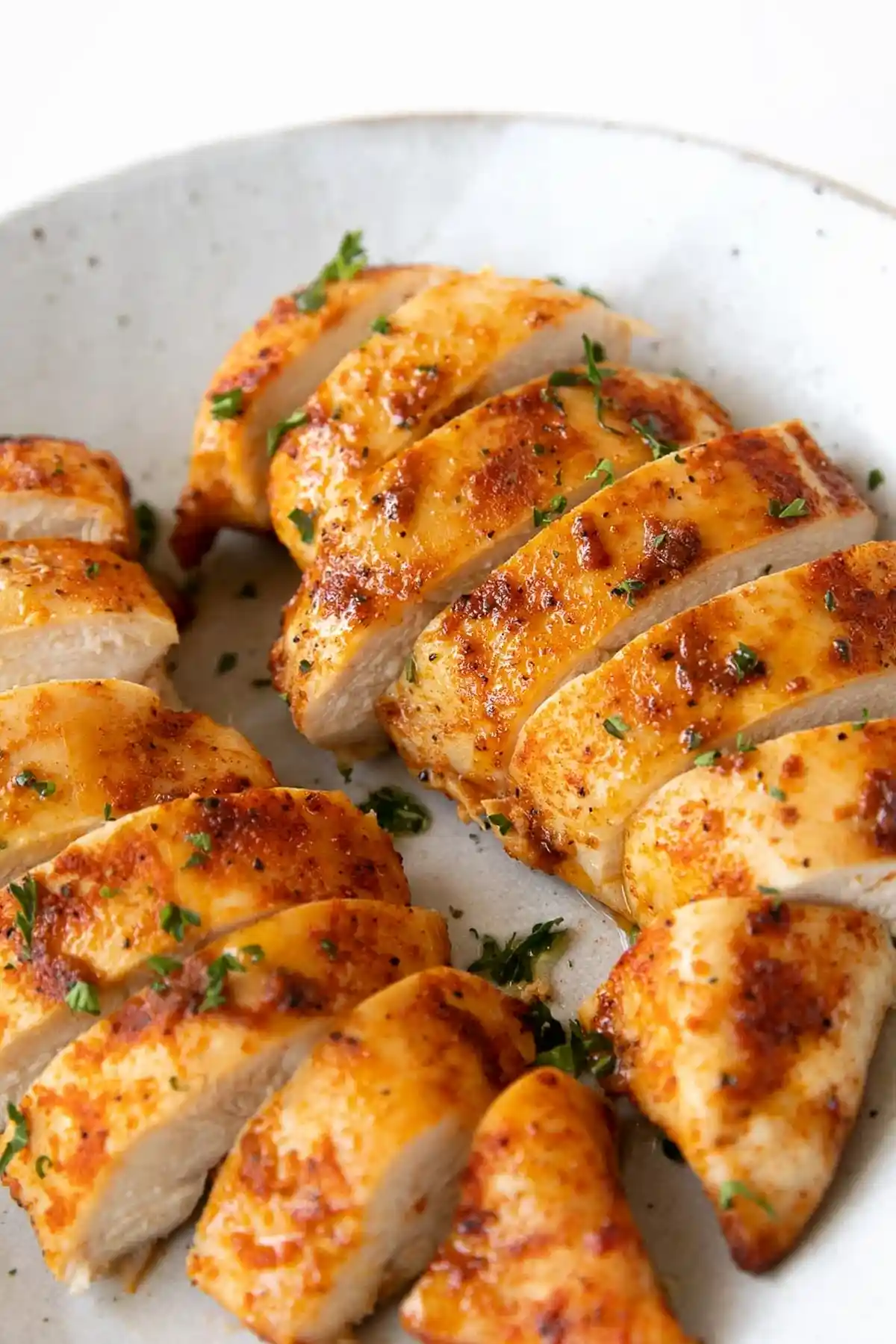
List of ingredients
- Kosher salt – used for the brining solution.
- 4 boneless skinless chicken breasts – aim for 6-8 ounces each for consistency.
- 1 teaspoon paprika – adds a warm flavor and golden color.
- 1 teaspoon salt – enhances the overall taste.
- 1/2 teaspoon black pepper – provides a mild spicy note.
- 1/2 teaspoon garlic powder – adds savory depth.
- 1/2 teaspoon onion powder – contributes aromatic sweetness.
- 1/4 teaspoon cayenne pepper (optional) – adds a touch of heat.
- Non-stick cooking spray – prevents the meat from sticking to the basket.
step-by-step instructions
- Prepare the brine: Fill a large bowl or pot with 6-8 cups of lukewarm water and add 3-4 tablespoons of kosher salt. Mix well until the salt is completely dissolved, ensuring the water is not hot to avoid partially cooking the meat.
- Brine the chicken: Add the chicken breasts to the saltwater and let them rest for 20-30 minutes. Remove the chicken from the water, pat each piece thoroughly dry with paper towels, and discard the brine.
- Season the meat: Combine paprika, salt, black pepper, garlic powder, onion powder, and optional cayenne in a small bowl. Lightly spray the chicken breasts with non-stick spray or brush with oil, then rub the spice mixture over the entire surface of both sides.
- Air fry the chicken: Lightly spray the air fryer basket with non-stick spray and preheat if necessary. Place the chicken breasts in a single layer, working in batches to avoid stacking, and cook at 380°F for 8-12 minutes, flipping halfway through.
- Check for doneness: After 6-8 minutes of cooking, use a digital meat thermometer to check the thickest part of the breast. The chicken is done when it registers between 160-165°F.
- Rest and serve: Remove the chicken from the air fryer and place it on a clean plate. Allow the meat to rest for 5 minutes to lock in the juices before slicing or serving.
Expert Techniques for Juicy Results
Achieve Even Thickness by Pounding Meat
Chicken breasts often vary in thickness, which can lead to the thin end overcooking while the thick end remains raw. Place the chicken between two sheets of plastic wrap and use a meat mallet or heavy pan to flatten the thicker end. This ensures the entire piece of meat cooks at the same rate.
Use a Digital Thermometer for Precision
Relying on time alone can be risky because air fryer strengths vary by brand. A digital instant-read thermometer is the only way to guarantee the chicken is safe but not overcooked. Aim for 160-165°F to ensure the interior is juicy.
Allow Sufficient Resting Time
Cutting into the chicken immediately after cooking allows the internal juices to escape, resulting in drier meat. Resting the chicken for 5 minutes allows the fibers to relax and reabsorb the moisture. This step is critical for maintaining a tender texture.
Prevent Overcrowding in the Basket
Air fryers rely on the rapid circulation of hot air to cook food efficiently. If the chicken breasts are stacked or too close together, the air cannot flow, leading to uneven browning. Always cook in batches if your basket is small.
Flavor Customization and Substitutions
Swap Paprika for Smoked Paprika
For a deeper, wood-fired taste, replace the standard paprika with smoked paprika. This gives the chicken a rustic flavor profile that mimics a grill. It works exceptionally well for those who enjoy a bolder, earthier taste.
Use Lemon Pepper for a Zesty Twist
If you prefer a citrusy flavor, you can replace the homemade spice rub with a high-quality lemon pepper seasoning. Ensure the seasoning contains salt, or add a pinch extra to maintain the flavor balance. This version pairs perfectly with steamed asparagus or quinoa.
Substitute Oil Spray for Melted Butter
While non-stick spray is convenient, brushing the chicken with melted butter before seasoning adds a richer flavor. Butter also helps the spices adhere more effectively to the meat. This substitution increases the fat content but enhances the golden-brown crust.
Replace Cayenne with Chili Powder
If you find cayenne pepper too sharp, substitute it with an equal amount of mild chili powder. Chili powder provides a more complex, rounded heat that is less aggressive. This makes the recipe more family-friendly for those sensitive to spice.
Brining Strategies for Maximum Juiciness
The Role of Lukewarm Water
Using lukewarm water ensures that the salt dissolves quickly and penetrates the meat efficiently. Avoid using hot water, as it can start to denature the proteins on the surface and compromise the texture. Cold water works as well, but lukewarm is ideal for a short brine.
Timing the Brining Process
Brining for 20-30 minutes is sufficient to increase the moisture content of lean chicken breasts. Brining for too long, such as several hours, can make the meat overly salty and give it a ham-like texture. Stick to the recommended window for the best balance.
Dry Brining as an Alternative
If you do not have time for a water bath, you can rub the chicken with salt and let it sit in the fridge for an hour. This draws moisture out and then reabsorbs it as a concentrated brine. Pat the meat dry before adding the other spices to ensure a good sear.
Serving and Meal Prep Ideas
Slicing for Salads and Bowls
For a professional look and better eating experience, slice the chicken breasts against the grain into thin strips. This shortens the muscle fibers, making the meat feel more tender. These strips are ideal for topping Caesar salads or grain bowls.
Adding to Pasta Dishes
These seasoned breasts can be sliced and tossed into a creamy Alfredo or garlic butter pasta. Add the chicken at the very end of the pasta cooking process to avoid overcooking it. The paprika and garlic notes complement most pasta sauces.
Using Chicken in Low-Carb Wraps
Instead of tortillas, use large Romaine lettuce leaves or collard greens to wrap the sliced chicken. Add avocado, sliced cucumbers, and a dollop of Greek yogurt or ranch dressing. This creates a refreshing, keto-friendly meal.
Pairing with Roasted Vegetables
Since the air fryer is already hot, you can roast broccoli, carrots, or Brussels sprouts immediately after the chicken. Use the same temperature (380°F) and toss the vegetables in olive oil and salt. This allows for a complete meal using only one appliance.
Proper Storage and Reheating
Refrigeration Guidelines for Leftovers
Store leftover chicken in an airtight glass or plastic container in the refrigerator. It will remain fresh and safe to eat for up to four days. Keep the chicken whole if possible, as sliced meat tends to dry out faster in the fridge.
Freezing Cooked Chicken Breasts
To freeze cooked chicken, wrap each piece tightly in foil and place them in a heavy-duty freezer bag. They can be stored for up to three months without a significant loss in quality. Thaw them in the refrigerator overnight before reheating.
Reheating in the Air Fryer to Avoid Dryness
The best way to reheat chicken without drying it out is to use the air fryer at 350°F. Heat for 3-5 minutes, spraying lightly with oil first to refresh the surface. This restores the exterior texture better than a microwave.
Using the Microwave for Quick Heating
If using a microwave, place the chicken on a plate and add a tablespoon of water or a damp paper towel over the top. Heat in short 30-second bursts on medium power. This creates steam that helps keep the meat moist during the heating process.
Troubleshooting Common Issues
Fixing Dry Chicken Breasts
If your chicken consistently comes out dry, reduce the cooking time by one or two minutes. Check the internal temperature more frequently toward the end of the cycle. Ensure you are not skipping the brining and resting steps, as these are the primary safeguards against dryness.
Handling Unevenly Cooked Meat
Uneven cooking is usually a result of inconsistent meat thickness. If one side is overdone while the center is underdone, use a meat mallet to flatten the breasts next time. Ensure the chicken is not touching in the basket to allow air to reach all sides.
Preventing Spice Burn
If the spices are burning or tasting bitter, check if your air fryer runs hotter than average. You can lower the temperature to 370°F and extend the cooking time by a few minutes. Adding a slightly thicker coat of oil can also protect the spices from direct high heat.
Frequently Asked Questions
Can I cook frozen chicken breasts?
It is highly recommended to thaw chicken breasts completely before air frying. Cooking from frozen often leads to a rubbery exterior and a raw center. For best results, thaw them in the refrigerator for 24 hours.
Do I really need to brine the chicken?
Brining is optional, but it is the secret to achieving professional, juicy results with lean breast meat. It seasons the meat deeply and helps it retain moisture during the high-heat air frying process.
What is the best air fryer temperature for chicken?
380°F is the ideal temperature for non-breaded chicken breasts. It is high enough to brown the outside and create a nice crust, but low enough to cook the inside without drying out the meat.
How do I know when chicken is safe to eat?
According to food safety standards, chicken is safe to eat when it reaches an internal temperature of 165°F. However, taking it out at 160°F and letting it rest will allow carry-over cooking to bring it to the safe zone while keeping it juicier.
Print
Perfect Air Fryer Chicken Breasts (no breading!)
- Total Time: 47 minutes
- Yield: 4 servings 1x
- Diet: Keto, Gluten-Free
Description
Perfect Air Fryer Chicken Breasts that are tender, juicy, and delicious every time. Make this easy, foolproof recipe for a fast and simple weeknight dinner, or use it in your favorite meal prep recipes.
Ingredients
- 3–4 tablespoons kosher salt
- 6–8 cups lukewarm water
- 4 boneless skinless chicken breasts
- 1 teaspoon paprika
- 1 teaspoon salt
- ½ teaspoon black pepper
- ½ teaspoon garlic powder
- ½ teaspoon onion powder
- ¼ teaspoon cayenne pepper (optional)
- non-stick cooking spray
Instructions
- Brine: Fill a large bowl or pot with 6-8 cups of lukewarm water. Add approximately 3-4 tablespoons of kosher salt and mix well until dissolved.
- Soak: Add the chicken breasts to the water. Let them rest for approximately 20-30 minutes. Remove from the water and pat dry with paper towels.
- Season: In a small bowl combine the paprika, salt, black pepper, garlic powder, onion powder, and cayenne pepper (if using). Lightly spray the chicken breasts with nonstick spray and season both sides.
- Air Fry: Lightly spray the inside of your air fryer basket and preheat. Add the chicken breasts in batches. Set temperature to 380°F and cook for 8-12 minutes, flipping halfway.
- Check: After 6-8 minutes, use a digital read meat thermometer to check for a temperature between 160-165°F.
- Rest: Remove chicken breasts to a clean plate and allow them to rest for 5 minutes before slicing or serving.
Notes
Use chicken breasts of similar weight (6-8 oz) and pound thicker ends for even cooking. Brining ensures juicier results. Store leftovers in an airtight container in the refrigerator for up to 4 days.
- Prep Time: 5 minutes
- Cook Time: 12 minutes
- Category: Main Course
- Method: Air Fryer
- Cuisine: American
Nutrition
- Serving Size: 1 chicken breast
- Calories: 262 kcal
- Sugar: 1 g
- Sodium: 844 mg
- Fat: 6 g
- Saturated Fat: 1 g
- Unsaturated Fat: 4 g
- Trans Fat: 1 g
- Carbohydrates: 1 g
- Fiber: 1 g
- Protein: 48 g
- Cholesterol: 145 mg