
Prepare a vibrant and aromatic dinner in under 30 minutes with this simple one-pot meal. This recipe combines creamy coconut milk with zesty lime and savory red curry paste for a healthier alternative to takeout.
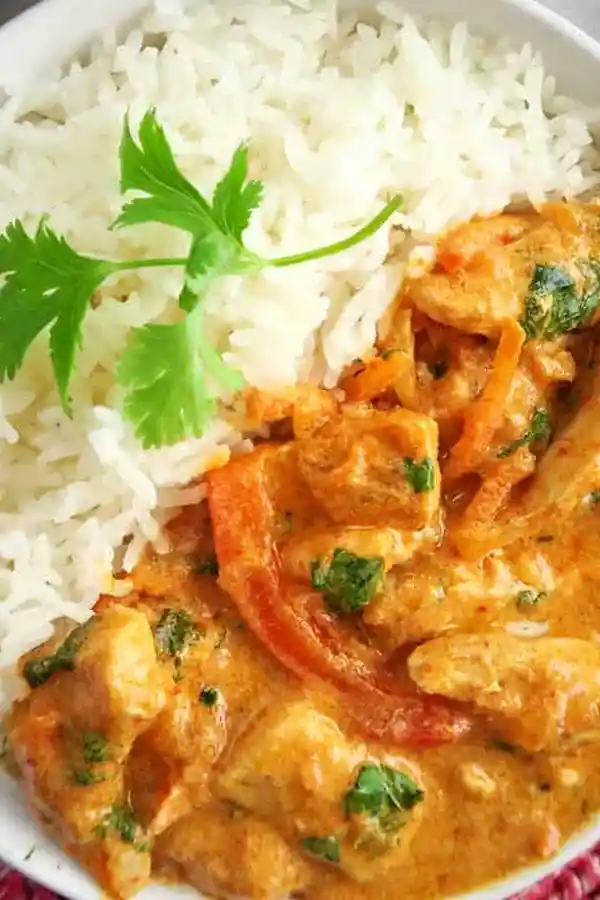
List of ingredients
- 2 Tbsp coconut oil (or other cooking oil) – used for sautéing the base.
- 1 cup onion, finely diced (white or yellow) – provides a sweet aromatic foundation.
- 1/2 tsp salt (or more to taste) – helps draw moisture from onions.
- 4 large garlic cloves, minced (about 2 Tbsp) – adds pungent depth.
- 1 tsp ground ginger (or 1 Tbsp fresh grated or minced ginger) – provides a warm, spicy note.
- 1 tsp ground coriander – adds a subtle earthy flavor.
- 4-6 Tbsp Thai red curry paste, or to taste – the primary spice and color source.
- 1 can unsweetened coconut milk, full-fat, 14-ounce – creates the creamy sauce texture.
- 1 Tbsp brown sugar (or to taste) – balances the heat of the curry paste.
- 1 1/2 pounds boneless skinless chicken breast, cut into thin strips – the main protein.
- 1 Tbsp fish sauce (or soy sauce) – provides essential umami and saltiness.
- 1 cup carrots, shredded or julienned – adds color and natural sweetness.
- 1 cup red bell pepper, sliced or diced – adds crunch and brightness.
- 1 lime, zest and juice – adds necessary acidity to cut through the coconut milk.
- 1/4 cup fresh cilantro, chopped and divided (or Thai Basil) – used for garnish and fresh flavor.
step-by-step instructions
- Sauté Aromatics: Heat oil in a large skillet over medium-high. Add onions and 1/2 tsp salt, cooking for 3 minutes until softened, stirring often.
- Bloom the Spices: Stir in the red curry paste, garlic, ginger, and coriander. Cook for about 1 minute, stirring frequently until the mixture becomes fragrant.
- Simmer Protein: Mix in the coconut milk, brown sugar, fish sauce, and chicken strips. Bring the mixture to a simmer, then reduce heat to medium and simmer uncovered for 7 minutes.
- Cook Vegetables: Add the carrots and red bell peppers to the skillet. Simmer for 5-7 more minutes until the sauce thickens slightly and the chicken is cooked through.
- Add Fresh Accents: Remove the skillet from the heat. Stir in the lime zest, half of the lime juice, and half of the chopped cilantro.
- Final Seasoning: Taste the curry. Add more lime juice, salt, sugar, or curry paste to adjust the flavor profile to your liking.
- Garnish and Serve: Top the dish with the remaining fresh cilantro and serve immediately.
Optimizing the Heat Level
Managing Maesri Curry Paste
Maesri brand curry paste is typically more concentrated and spicier than other commercial options. Starting with four tablespoons usually creates a medium-hot heat level. For those who prefer a very hot curry, five to six tablespoons are recommended. If the sauce becomes too spicy, you can balance the heat by adding a small amount of extra brown sugar or a splash more coconut milk.
Using Thai Kitchen Paste
Thai Kitchen red curry paste is generally milder and sweeter than Maesri. You may find that four tablespoons result in a mild flavor, leading some cooks to use the entire jar for stronger heat. When using this brand, reduce the brown sugar to 1 teaspoon. If you want to increase the spice, add a pinch of cayenne pepper to the sautéing stage.
Balancing Spice with Sweetness
The interaction between the red curry paste and brown sugar is key to the dish’s balance. The sugar does not make the dish a dessert but rather rounds out the sharp edges of the chili heat. Always add sugar gradually and taste frequently. This ensures the sweetness supports the spices without overpowering the savory notes of the fish sauce.
Customizing Key Ingredients
Soy Sauce as a Fish Sauce Alternative
Fish sauce provides a deep umami flavor that is traditional in Thai cooking. If you do not have fish sauce, soy sauce is an excellent substitute that provides similar saltiness. Use an equal 1:1 ratio for the swap. For a gluten-free version, use tamari or coconut aminos instead of standard soy sauce.
Integrating Fresh Lemongrass
Lemongrass adds a citrusy, floral note that is common in authentic red curries. If you have fresh lemongrass, use 2 teaspoons of finely minced stalk or 1 tablespoon of lemongrass paste. Add this ingredient at the same time you pour in the coconut milk. Ensure the lemongrass is minced very finely to avoid woody textures in the sauce.
Using Kaffir Lime Leaves
Kaffir lime leaves provide a distinct aroma that differs from standard lime juice. If using these, replace the lime juice with 6 fresh Kaffir leaves added during the coconut milk stage. Let them simmer with the chicken to infuse the sauce. Remember to remove the whole leaves before serving the dish to your guests.
Thai Basil for Freshness
While cilantro is a popular garnish, Thai basil offers a more traditional anise-like flavor. You can use Thai basil in a 1:1 replacement for cilantro. Add the basil at the very end of the cooking process to keep the leaves from wilting too much. This addition provides a sophisticated aromatic layer to the creamy sauce.
Protein and Vegetable Modifications
Using Chicken Thighs for Tenderness
While chicken breast is lean and quick to cook, boneless skinless chicken thighs offer more flavor and moisture. Thighs are more forgiving if you accidentally overcook them. If using thighs, you may need to increase the initial simmer time by 2-3 minutes to ensure they are tender. You can also use a combination of both breast and thigh meat.
Incorporating Extra Vegetables
This recipe is versatile enough to include various other vegetables. Bamboo shoots, baby corn, and snap peas are traditional additions that pair well with red curry. Add harder vegetables like bamboo shoots at the same time as the carrots. Softer vegetables like snap peas should be added in the last 3 minutes of cooking.
Maintaining Vegetable Texture
To prevent bell peppers from becoming mushy, add them during the final 3-5 minutes of simmering. This keeps them vibrant in color and provides a pleasant snap when eaten. Shredding the carrots instead of slicing them also allows them to integrate faster into the sauce while retaining a bit of structure.
Mastering the Sauce Consistency
Thinning the Curry Sauce
Some restaurant-style curries have a more liquid, soup-like consistency. If the sauce is too thick for your preference, stir in 1/2 cup of chicken broth or water. Add the liquid at the same time as the coconut milk. This allows the sauce to simmer and integrate without losing its creamy emulsion.
Creating a Thicker Glaze
If you prefer a thick sauce that clings heavily to the chicken and vegetables, use a cornstarch slurry. Mix 2-3 teaspoons of cornstarch with 2 tablespoons of cold water until smooth. Stir this mixture into the simmering curry and cook on high for an additional 15 minutes to activate the thickening agent.
Preventing Coconut Milk Separation
Using full-fat coconut milk ensures a rich and stable sauce. If you notice the coconut milk separating into oil and solids, stir the can thoroughly before pouring it into the pan. Keeping the heat at a medium simmer rather than a rolling boil also helps maintain the creamy consistency of the emulsion.
Alternative Cooking Methods
Slow Cooker Preparation
To adapt this for a slow cooker, first sauté the onions and spices in a pan to develop the flavors. Deglaze the pan with a small amount of coconut milk before transferring the mixture to the crockpot. Add the chicken, remaining coconut milk, and other base ingredients. Cook on high for 2-3 hours or low for 4-5 hours, adding the lime and cilantro at the very end.
Instant Pot Adaptations
Use the sauté function to soften the onions and bloom the spices. Add the chicken, coconut milk, and fish sauce, then seal the lid and cook under high pressure for 5 minutes. Perform a quick release of the pressure, then stir in the vegetables. Sauté for another 5 minutes until the vegetables are tender and the sauce has reduced.
Serving and Pairing Suggestions
Pairing with Jasmine Rice
Fragrant Jasmine rice is the most traditional accompaniment for Thai red curry. The neutral, slightly floral taste of the rice absorbs the creamy sauce perfectly. For the best results, rinse the rice until the water runs clear before steaming. This removes excess starch and ensures the grains remain fluffy and separate.
Serving with Naan or Flatbread
While not traditional Thai, naan or toasted flatbread is excellent for scooping up the extra curry sauce. Warm the bread in a pan with a bit of butter or garlic oil for extra flavor. This turns the meal into a more hearty experience and is particularly popular for those who prefer bread over rice.
Fresh Garnish Options
Beyond cilantro, you can enhance the presentation with extra lime wedges on the side. This allows individuals to adjust the acidity to their specific taste. Sliced red chilies can also be added on top for those who want an extra kick of heat without altering the spice level of the entire pot.
Storage and Preservation
Refrigeration Guidelines
Store leftovers in an airtight container in the refrigerator for up to 3-4 days. The flavors often deepen and improve after a night in the fridge as the spices continue to meld. Ensure the container is fully sealed to prevent the curry from absorbing other odors from the refrigerator.
Freezing the Curry
This curry can be frozen for up to two months, although the texture of the vegetables may change. Place the curry in freezer-safe bags or containers, leaving a bit of room for expansion. When thawing, move the container to the refrigerator overnight to ensure an even defrosting process.
Best Reheating Practices
To reheat, place the curry in a saucepan over low to medium heat. Avoid the microwave if possible, as it can cause the coconut milk to separate or the chicken to become rubbery. Add a splash of water or chicken broth to restore the original consistency of the sauce while heating.
Frequently Asked Questions
Can I use light coconut milk?
Yes, you can use light coconut milk, but the sauce will be significantly thinner and less creamy. To compensate for the lack of fat, you may need to use a cornstarch slurry to achieve the desired thickness. The flavor will also be less rich than when using full-fat coconut milk.
Is this recipe gluten-free?
This recipe is naturally gluten-free if you use fish sauce or a gluten-free soy sauce substitute like tamari. Always check the label of your red curry paste to ensure there are no hidden wheat-based thickeners. Most major brands like Maesri and Thai Kitchen are gluten-free.
How do I store the leftovers?
Keep the curry in a glass airtight container in the fridge for 3-4 days. If you plan to keep it longer, freezing is the best option. Always reheat the curry slowly on the stovetop to maintain the emulsion of the coconut milk.
Can I make this vegan?
To make this vegan, replace the chicken with extra-firm tofu or chickpeas. Substitute the fish sauce with soy sauce or a vegan-friendly fish sauce alternative. You can also add more vegetables like cauliflower or eggplant to increase the bulk of the meal.
Print
Quick and Creamy Thai Red Curry Chicken
- Total Time: 35 minutes
- Yield: 4–5 servings 1x
- Diet: Dairy-free
Description
Thai Red Curry Chicken is full of flavor, so easy to make at home, and healthier than the take-out kind! It’s chicken and veggies, stewed in a creamy coconut red curry sauce.
Ingredients
- 2 Tbsp coconut oil
- 1 cup onion, finely diced
- 1/2 tsp salt
- 4 large garlic cloves, minced
- 1 tsp ground ginger
- 1 tsp ground coriander
- 4–6 Tbsp Thai red curry paste
- 1 can (14-ounce) unsweetened full-fat coconut milk
- 1 Tbsp brown sugar
- 1 ½ pounds boneless skinless chicken breast, cut into thin strips
- 1 Tbsp fish sauce or soy sauce
- 1 cup carrots, shredded or julienned
- 1 cup red bell pepper, sliced or diced
- 1 lime, zest and juice
- 1/4 cup fresh cilantro, chopped
Instructions
- Step: Heat oil in a large skillet over medium-high. Once hot, add onions and 1/2 tsp salt. Cook 3 minutes, or until onions are softened, stirring often.
- Step: Add the red curry paste, garlic, ginger, and coriander. Cook about 1 minute, or until fragrant, stirring often.
- Step: Add coconut milk, brown sugar, fish sauce, and chicken. Stir, bring to a simmer, then reduce heat to medium. Simmer uncovered for 7 minutes, occasionally stirring.
- Step: Add carrots and bell peppers, and simmer 5-7 more minutes, until sauce slightly thickens and chicken is cooked through.
- Step: Remove from heat, and stir in the lime zest, half of the lime juice, and half of the cilantro.
- Step: Taste and add more lime juice, salt, sugar, or curry paste to taste.
- Step: Top with the remaining cilantro and serve.
Notes
Substitute fish sauce with soy sauce. For a slower cook, sauté onions and spices, deglaze with coconut milk, then transfer all ingredients (except lime and cilantro) to a slow cooker on High for 2-3 hours or Low for 4-5 hours. Add lime and cilantro at the end.
- Prep Time: 15 minutes
- Cook Time: 20 minutes
- Category: Main Course
- Method: One Pot
- Cuisine: Asian
Nutrition
- Serving Size: 1 cup
- Calories: 360 kcal
- Sugar: 6.2 g
- Sodium: 1012 mg
- Fat: 19.8 g
- Saturated Fat: 4.8 g
- Unsaturated Fat: 15 g
- Trans Fat: 0 g
- Carbohydrates: 11.5 g
- Fiber: 2.4 g
- Protein: 29.7 g
- Cholesterol: 90 mg